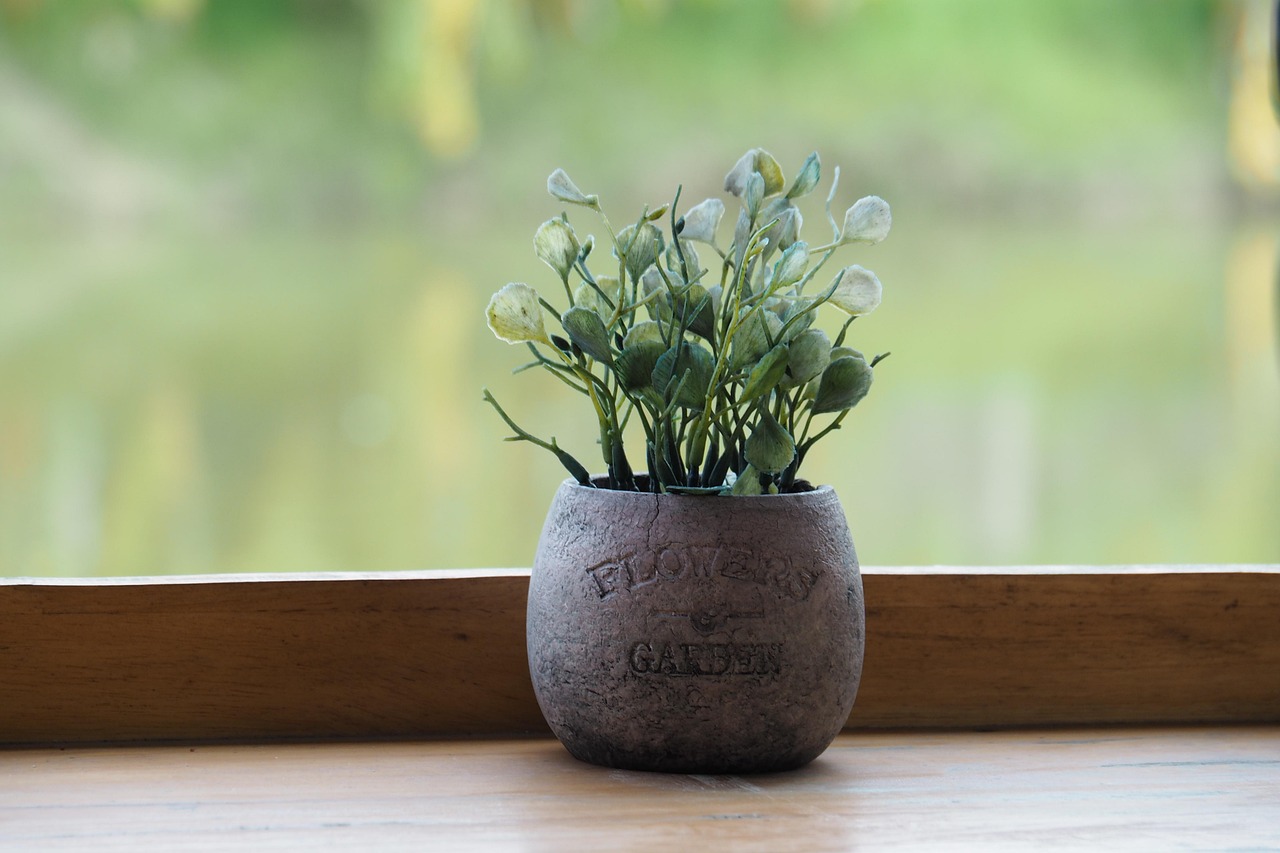
A stylish indoor plant pot is more than just a place to put dirt. It’s a part of your decor, a frame for the plant, and sometimes even a statement piece on its own. The right pot can turn a plain houseplant into a design element, but the wrong one can make even the healthiest plant look out of place.
Plants that grow indoors can change the mood of a room almost right away. They make a space feel cared for by softening hard edges, adding life to quiet corners, and making it feel more alive. The pot is a detail that is often missed but is very important to how the plants look.
This guide will show you how to choose stylish indoor plant pots, including what materials, shapes, colors, and sizes to look for, as well as how to match them with your plants and your home. You can use these useful ideas right away, no matter what style you like—modern, rustic, cozy, or a mix of all of them.
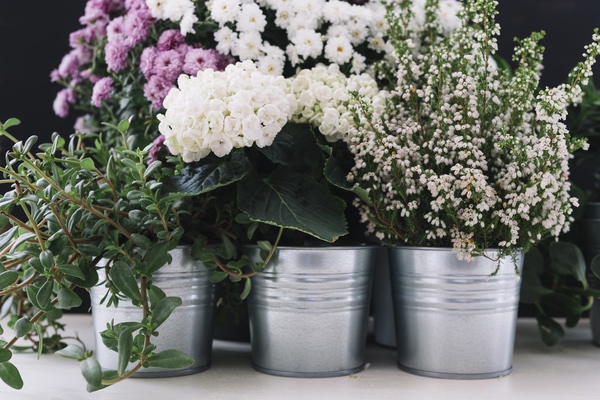
Why you should care more about stylish indoor plant pots than you think
When people first start growing houseplants, they don’t always think about pots. Plants often stay in their nursery pots for much longer than they should, hidden inside mismatched cachepots or plastic sleeves.
This works for a while, but it misses an opportunity.
Three important things that indoor plant pots do at once:
- They help plants stay healthy by giving roots the right amount of space, air, and drainage.
- They change the plant’s appearance by changing its size, balance, and proportion.
- Like furniture, lighting, or art, they add to the style of the room.
A well-chosen pot makes a room feel more put together. It can match the colors in the room, add to the textures that are already there, or be a deliberate contrast to make things more interesting to look at.
Understanding Indoor Plant Pot Materials: Where Style Meets Function
The way plants look and how they act when you water them and take care of them changes depending on the materials used. This is a list of the most popular materials for indoor pots and how to use them in a stylish way.

Plant pots made of porcelain and ceramic
There’s a reason why ceramic plant pots are classics. They come in a wide range of finishes, from glossy white to hand-thrown artisan styles, and they are easy to find.
Strengths of style:
- Look clean and polished
- Works with both modern and traditional interiors
- You can get it in bright colors or soft neutrals.
Useful notes:
- Usually heavy, which helps tall plants stay up.
- Glazed most of the time (which makes it less breathable)
- There are different types of drainage holes, so always check.
Ceramic plant pots are great for plants that make a statement, like rubber plants, fiddle leaf figs, and monsteras.
Plant pots made of terracotta
Terracotta has a warm, natural look that says “plant lover lives here” right away.
Strengths of style:
- A natural, rustic look
- Patina makes it look better over time.
- Works well with boho, Mediterranean, and cottage styles
Notes that are useful:
- Porous material helps keep plants from getting too much water.
- Dries out faster than plastic or ceramic
- Can leave stains on surfaces if put directly on wood
Terracotta is great for herbs, succulents, and other plants that like dry soil.
Learn more about The Timeless Charm of Terracotta Pots >
Plant pots made of concrete and cement
Concrete plant pots add a modern, grounded architectural touch.
Strengths of style:
- A look that is both minimalist and industrial
- Gray tones that aren’t too strong make the leaves stand out.
- Great for modern spaces
Notes that are useful:
- Very heavy
- Can keep water in
- Often look better as decorative pots on the outside
Use concrete plant pots to anchor rooms visually, especially with sculptural plants like snake plants or yucca.
Plant pots made of metal
Metal plant pots can look nice and sleek, but they are best used with care inside.
Strengths of style:
- Vibes from the present, the past, or the future
- Good for accent pieces
- A lot of the time, they’re light.
Notes that are useful:
- Can rust if not lined
- Not able to breathe
- Best as cachepots instead of main planters
Metal plant pots look great when used sparingly as decorative accents on desks or shelves.
Planters made of woven and natural fibers
It’s easy to see why seagrass, rattan, jute, and bamboo baskets are so popular for indoor planters.
Strengths of style:
- Makes modern interiors softer
- Adds warmth and texture
- Great for cozy and boho spaces
Useful notes:
- Usually need a liner that won’t get wet
- Best for planting on the outside
- Not good for watering often
These planters are great for big floor plants that need to look warm.
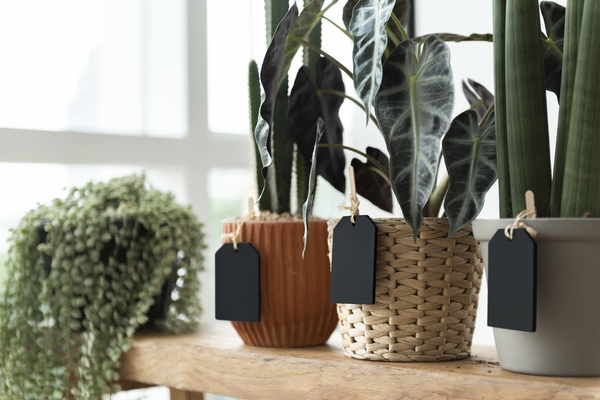
Picking the Right Size Stylish Indoor Plant Pot
Scale is just as important as color and material when it comes to style.
Too small vs. too big
A plant pot that is too small can make a plant look like it is too big and heavy on top. One that is too big can take over both the plant and the room.
In general:
- For small plants, the pot should be 1 to 2 inches wider than the root ball.
- For bigger plants, 2 to 4 inches wider
- The pot should look like it is balanced with the plant’s height and spread.
The shape and height of the pot
- Tall pots make plants look bigger and add drama.
- Wide, low pots feel calm and stable.
- Rounded pots make sharp spaces feel softer.
- Angular pots make modern spaces look better.
Mixing shapes in a room keeps things interesting while keeping everything in balance.
Color: How to Choose Plant Pots That Fit Your Space
Color is what really makes indoor plant pots into design tools.
Neutral Plant Pots
White, cream, gray, beige, and black are always good choices.
Why they work:
- Let the leaves take the lead
- Simple to mix and match
- Adapt well to changes in decor
If you move plants around a lot or switch things up, neutral pots are great.
Colors that are bold and make a statement
Deep greens, terracotta reds, navy blues, mustard yellows, and even pinks can make a room feel more alive.
How to use color:
For a more cohesive look, use the same color in another part of the room.
- Use bold pots only when you need to.
- Combine with simple shapes of plants
- A brightly colored pot can make a small plant the center of attention.
Textures and patterns
Textured glazes, carved details, and soft patterns give a room more depth without making it feel too busy.
These work best when:
- Along with simple leaves
- Used in small groups
- Balanced with plain pots close by
How to Choose the Right Stylish Indoor Plant Pots for Your Plants
Some plants look better in certain types of pots than others.
Plants with Big Leaves
Plants with big, bold leaves look best in plain, solid pots that don’t draw attention to themselves.
Good options:
- Ceramic with a matte finish
- Concrete
- Baskets with no color
Plants that are delicate or trailing
Plants that trail, like pothos, philodendrons, and string-of-hearts, look best in containers that are lighter and more fun.
Good options:
- Ceramic pots that hang
- Small planters with texture
- Metal accents
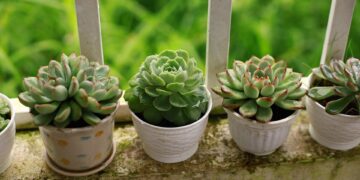
Cacti and Succulents
These plants do better in pots that show off their sculptural shape.
Good options:
- Terracotta
- Shallow bowls made of ceramic
- Concrete pots with a simple design
How to Make Multiple Indoor Plant Pots Look Like One
When you have more than a few plants (and let’s be honest, most of us do), it matters that they all work together.
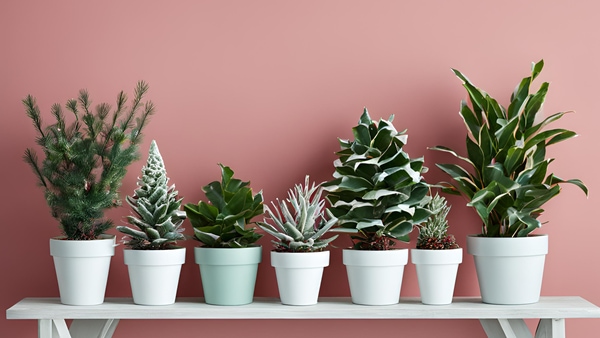
The “Family” Way
Pick pots that have:
- Colors that are similar
- Materials that are similar
- Shapes that are alike
They don’t have to be exactly the same; they just have to feel like they go together.
The “Gallery” Way
Mix styles on purpose:
- Different sizes
- Colors that go well together
- Different textures
When there is something that ties everything together, like a consistent color scheme or plant type, this works best.
Drainage: The Stylish Indoor Plant Pots Must-Have
A pot’s beauty doesn’t matter if it doesn’t help plants stay healthy.
Pots with holes for drainage
Most plants will do well with these.
Put them together with:
- Matching plates
- Trays for decoration
- Liners that are hidden
Cachepots (No Drainage)
These are decorative pots that hold a nursery pot inside.
Best ways to do things:
- Take out the inner pot when you water.
- Get rid of extra water
- Don’t stand in water
When used correctly, cachepots let you put style first without hurting your plants.
Ideas for how to decorate different rooms
Living Room
Use bigger statement plant pots to hold furniture in place and fill in empty spaces. Plants on the floor in textured baskets or ceramic pots make a big difference right away.
Bedroom
Pick colors and shapes that are calming. Plant pots in neutral or pastel colors help keep things calm.
Kitchen
Herbs or small plants do best in smaller pots. Think about terracotta, glazed ceramics, or bright colors.
Bathroom
Plants that like humidity look great in smooth ceramic or stone pots. To keep the room feeling open, use light colors.
Sustainable and DIY Pot Ideas
Being stylish doesn’t always mean getting new things.
Thrift Store and Vintage Finds
With a little creativity, you can turn old bowls, jars, and containers into unique planters.
Easy DIY Touches
- Use limewash or matte paint to paint plain pots.
- Use plaster or clay to add texture.
- Use rope or fabric to wrap pots.
These little things make your indoor garden really yours.
Last Thoughts: Let Your Stylish Indoor Plant Pots Tell Your Story
Trendy indoor plant pots are more than just that. They show your style, your home, and how you feel about the plants you take care of.
There is a pot style that will fit both your plants and your personality, whether you like clean, modern lines, cozy, natural textures, or bold, artistic statements.
Choose pots that are good for your plants first, and then add materials, colors, and shapes that you like. Don’t be afraid to try new things. Pots are one of the easiest and most satisfying ways to change up your indoor garden without buying any new plants.
We at Good Garden Ideas think that great gardening goes beyond the soil line. Your indoor plants won’t just grow; they’ll feel at home in the right pots.