1. Why Indoor Gardens Are the Best Thing Since Bottomless Brunch
When you want to escape the stresses of everyday life, an indoor garden is basically the best thing since bottomless brunch.
They’re visually stunning, calming and make you feel like you’re the boss of your own little plant-filled universe.
Coming home to your indoor garden is a mini-vacation from the daily grind, nothing is quite like misting your ferns or watching the latest leaf unfurl on your Monstera to transport you to a calmer state.
While indoor gardens won’t completely purify the air in your home, they do help to add humidity, trap dust, and give the illusion of fresher air. Even that feels amazing.
As well as providing a creative challenge, indoor gardening gives us a deep-rooted need to care for something, and the soothing effect is practically guaranteed.
Plants don’t require much more than sunlight and water, but that’s basically all you need, to completely transform a space and make it look fantastically well-designed, think a trailing pothos and a sculptural fiddle leaf fig, for example, and you’re living in a magazine spread.
2. Designing Your Indoor Garden
When it comes to planning your indoor garden you should have an idea of the aesthetic you’re after, and how much work you want to put in, because it’s half horticulture, half interior design.
Well-known styles in indoor gardening are the ‘mini urban jungle‘ which features lots of layers of greenery including moss poles, hanging baskets and towering palms, basically creating its own little microclimate.
When it comes to interior plants you’ll love the trailing and climbing varieties, the high humidity they require, and materials that are basically handmade, like rattan, cork and raw wood.
Coming hotfooting from one extreme to the other between delicate, feathery ferns and imposing alocasias is a great way to add some visual interest to a space.
Well-known for being able to accommodate maximalists, people who collect lots of plants and those who are always thinking they should probably buy one more, this style will satisfy you.
The Calm Minimalist Retreat is really all about clean lines, soothing neutrals and precision-placed, high-end greenery.
Think bold statement pieces like snake plants or sculptural bird of paradise, neutral pots that are made of clay, concrete or flat white ceramic and lots of empty space to let everything breathe.
It’s perfect for anyone who loves Scandinavian design, likes order and precision, and wants a dramatic silhouette.
Herbs can be quite stunning, and a kitchen filled with the likes of basil, thyme, mint and microgreens is not only beautiful, but also functional. You’ll get instant results and a lift to your cooking, and it’s an excellent option for cooks, tea drinkers and anyone who enjoys useful beauty.
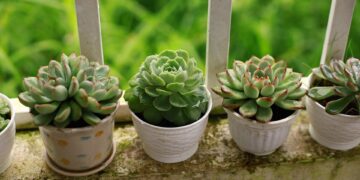
The Artistic Collector’s Corner is for those who love to collect rare philodendrons and unusual succulents. They can be showcased like mini masterpieces, their unusual leaf shapes put under the spotlight and arranged with unusual plant stands.
3. Choosing the Right Plants
Well-known as half intuition and half planning, choosing the right plants is not a trivial task.
You can start with low-maintenance winners if you’re a beginner to indoor gardening, or just want plants that won’t kill you off if you forget to water them.
Pothos, snake plants, ZZ plants and spider plants all fall into this category.
Peace lilies, on the other hand, are pretty and easy-going, and will tell you when it’s time to water them.
Intermediate plants that need a bit more attention but are definitely worth it include monstera deliciosa, a queen of statement leaves.
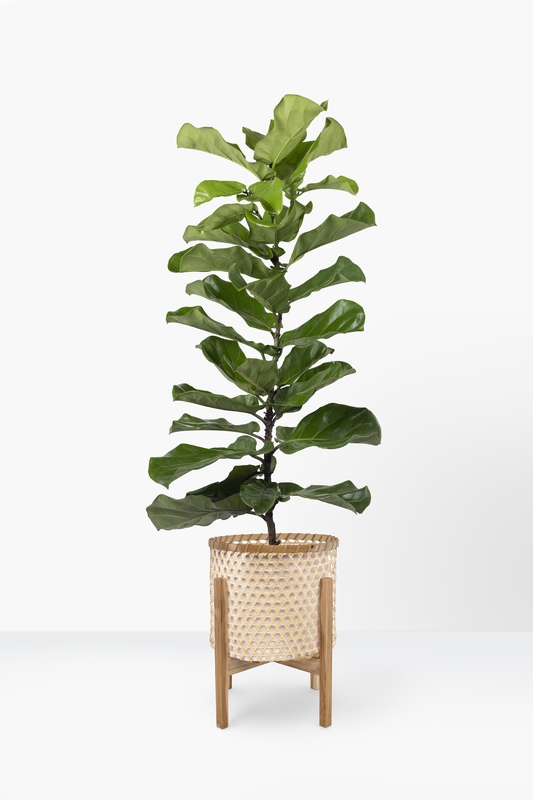
For houseplants, some can be divas, Fiddle Leaf Figs are certainly one of them, but if you can get their routine just right, they’re definitely worth it.
Ferns are lovely but absolutely love humidity.
Calatheas are basically the queens of the plant world, producing stunning patterns but are very demanding.
String of Pearls, on the other hand, is a trailing succulent that resembles jewelry.
Hero plants are best suited for someone who will go the extra mile for them, and is probably lying awake at 1 am Googling “humidity trays” and “why is my plant crisping”, if you know what I mean.
Alocasias are utterly gorgeous, and will throw up ridiculous patterns, but they expect a consistent level of humidity.
Orchids are more forgiving than their reputation, but require specific care.
Anthuriums are striking and have a glossy appearance but tend to be a bit fussy.
Rare Philodendrons are one-of-a-kind, come at a higher price, but are deeply rewarding to grow.
When mixing and matching plants, think about layering out your height, texture and colours.
Mix up the different types, and you’ll get a natural-looking and lush indoor garden.
4. Light: The Secret Sauce of a Thriving Indoor Garden
Know your windows, too.
A north-facing window has gentle and consistent light which suits ferns, pothos and calatheas very well.
East-facing ones give us morning sun that’s mild and friendly and is excellent for almost all sorts of plants.
South-facing ones are intensely bright, and are basically made for succulents, citrus, cacti and large tropicals.
All of which can be softened up by sheer curtains.
West-facing windows receive hot afternoon sun that is tough on delicate plants, but is ideal for hardy sun-lovers.
Well-known as the ultimate back-up plan, grow lights can be a real lifesaver when you don’t have a lot of natural light in your home, mimicking sunlight and helping your plants grow in even the dimmest of corners.
You can pick up grow lights that are labelled “full-spectrum” and should run them for ten to twelve hours a day.
5. Soil, Pots, and Drainage
For planting, soil, pots and drainage aren’t the most glamorous things to think about, but they’re the parts where you really show off your expertise.
Different plants love different types of soil, so you’ll want to know what you’re working with.
Tropicals, like monsteras and philodendrons, thrive in a chunky, airy mix with perlite and bark, while succulents and cacti prefer gritty, fast-draining mixes with sand or pumice.
Ferns and calatheas need a moisture-retentive mix with peat or coco coir and orchids use a bark-based mix.
Terracotta pots are great for overwaterers, they’re breathable, dry out quickly and that’s why they’re perfect for someone who tends to drown their plants.
Plastic pots hold moisture longer, so are great for underwaterers and ceramic pots are stylish, heavier and more stable.
Well-known problem, if your pot doesn’t have a drainage hole, it’s basically just a sinkhole for your roots, and roots don’t like bathing. You can cover your nursery pot in a cachepot to conceal it, and avoid drowning your plant.
6. Watering: The Number One Thing New Gardeners Get Wrong
Watering is really the number one mistake made by new gardeners, overwatering is what kills most plants, not neglect.
Stick your finger into the soil about an inch deep.
If it’s dry, it’s time to water, then pour in enough to make the water run out the bottom and let the plant drip-dry before putting it back in its cachepot.
Learn more about the Art of Watering Your Plants >
Humidity is another important element to think about, and creating an oasis is the goal.
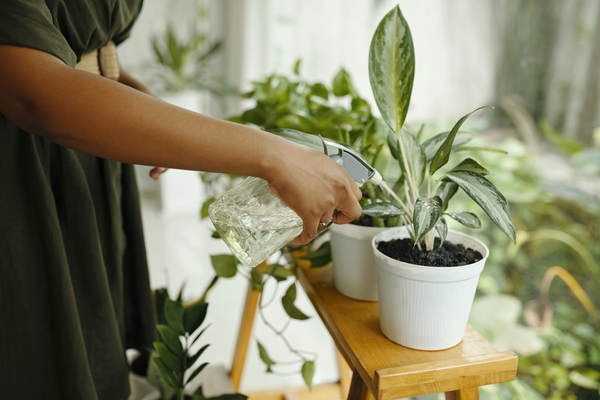
You can create a mini-humidifier, group your plants together or place them on a pebble tray or regularly mist them.
Tropicals love the humidity and will show off their shinier leaves, sharper edges and more consistent growth as a reward.
7. Creating Layouts That Look Effortlessly Lush
Now you can put on your designer hat and create a plan for your plant babies that looks effortlessly luscious. It’s all about layering them, and giving depth to the look you want.
The bottom layer consists of short, bushy plants, the middle layer is for medium-height plants and the top layer is reserved for the tall ones and hanging varieties. Most indoor gardens can be improved by the use of vertical space.
Think about indoor plant shelves, macramé hangers, wall-mounted planters, ladder-styled plant stands and tall moss poles to make the most of it.
Well-known principles in interior design are micro-scenes, basically creating small areas of microscapes.
You might set up a cluster of plants by the window, a mini shelf jungle, a tabletop terrarium, a plant corner with a comfy chair.
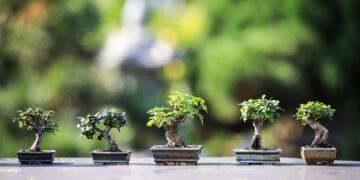
Another design trick, one that designers swear by, is thinking in odd numbers.
Group your plants in threes or fives and they will naturally look more balanced. As elevating your indoor garden you can also add a lot of personality to it.
8. Special Features That Make Your Indoor Garden Extra Magical
Mini indoor water features are basically guaranteed to bring a spa-like sense of calm to a room and increase the humidity, even the smallest tabletop fountains do the trick.
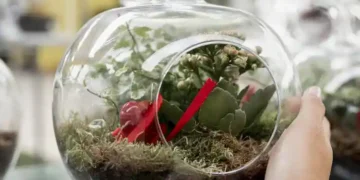
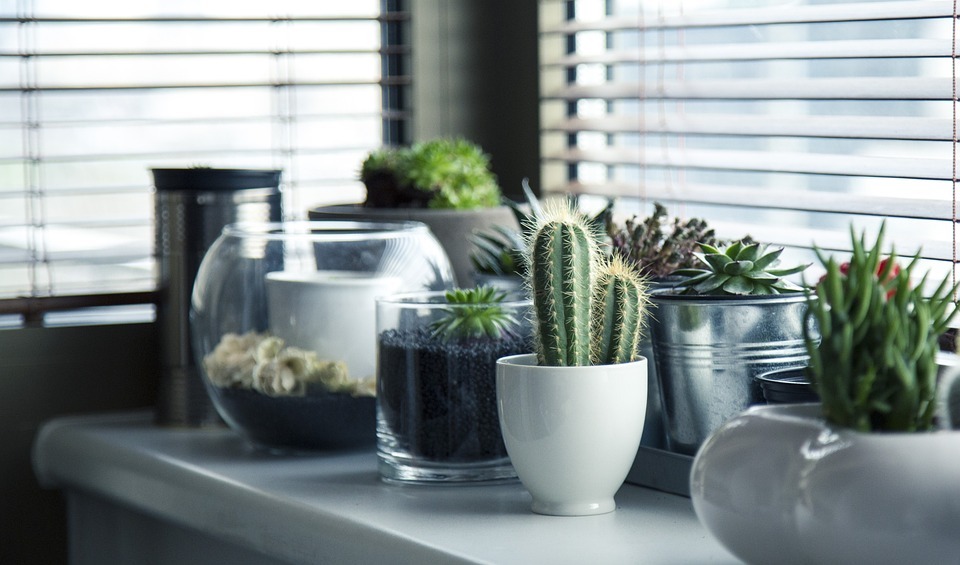
Terrariums are an excellent way to grow delicate ferns, mosses and tiny tropical plants and can be considered pieces of living art. They can be either open terrariums for succulents, or closed ones that are perfect for plants that love high humidity.
Take a dimly lit area and turn it into a radiant greenhouse by using LED strips or hanging grow lights that create a beautiful show piece in any home.
The plant propagation station is a row of glass tubes or jars filled with cuttings and floating in water and is both functional and visually stunning, and free plants are a bonus.
Aromatic plants such as scented geraniums, mint, rosemary, jasmine and lavender will infill your home with their intoxicating fragrances.
9. Seasonal Care
12 months of the year belong to the rhythm of your indoor garden, and if you tune into its requirements you’ll see that it’ll be in full swing, but with very different needs at different times.
During the spring growth period, it’s time to fertilise lightly, repot any plants that have outgrown their containers, increase the amount of watering and kick off your propagation projects.
Summer is peak growth season, so stick to the watering schedule, keep an eye out for any pests who love the heat and rotate your plants so they all get equal time.
When autumn comes around, things start to slow down, so cut back on watering and cease fertilising by late autumn, moving any sensitive plants away from cold drafts.
Winter is a time of dormancy, with very low water intake, possibly extra lighting if the days are very short and high humidity to combat dry indoor air.
10. Pests: The Tiny Villains of Your Indoor Oasis
Even the best of us get plagued by pests. It’s not a failing, it’s just something that happens.
The usual suspects are fungus gnats, like fruit flies.
Spider mites – who prefer dry air and spin beautiful webs, mealybugs, who look like cottony blobs and aphids, who are tiny green or black and suck the sap out of plants.
Neem oil sprays and insecticidal soap are good options for getting rid of them, and sticky traps can also be effective against gnats, when dealing with brown bumps that stick around.
Coming from a brand new plant, these bumps can be brought into the house and then quarantined before being added to the rest of the collection.
Prevention is the best cure, keeping the leaves clean, drying out the soil and regularly inspecting the plants is a great way to prevent the growth of unwanted bumps.
Learn more about Pest and Disease Management >
11. The Emotional Side of Indoor Gardening
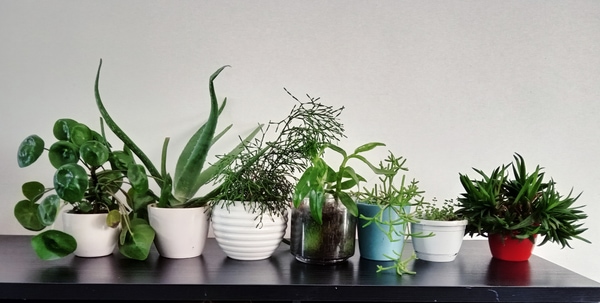
Well-known as a soft form of therapy, indoor gardening, isn’t just a hobby.
It’s something that has the capacity to lift spirits, as caring for plants develops into routines that generate a sense of order and function, and the visual improvement of something that’s in your care, thanks to your efforts can be really satisfying.
You’re also able to learn and sharpen your attentiveness, by picking up on minute modifications: new leaves, sagging stems, and soil textures and that attentiveness tends to spill over into other areas of life.
It’s an issue of expectation vs. reality, plants can die and it’s a sad truth, but each plant teaches you something about patience, concentration, and resilience.
12. Budget-Friendly Tips
If you don’t have to spend much money to get the lush appearance you’re after, a lot of indoor gardening techniques and strategies can be quite budget-friendly.
Propagating plants can be done with very little investment, lots of plants can be rooted in water and you could start with one Pothos and end up with five.
Secondly, repurpose old pots and containers that you find in thrift stores, they’re perfect for growing plants.
You can also join a local plant swap group or online community, share with fellow gardeners and get brand new, free plants. Smaller pots cost less and grow rapidly with proper care.
13. Troubleshooting
Let’s address common worries new indoor gardeners have.
“Why is my plant turning yellow?”
Usually overwatering. Check drainage and let soil dry before watering again.
“Why are the tips brown?”
Likely low humidity or inconsistent watering.
“Why isn’t my plant growing?”
Plants slow down in fall/winter. Also check light levels.
“Why are leaves dropping?”
Stress from being moved, sudden temperature changes, or lack of light.
14. Final Touches
Regarding an indoor garden, it’s not just a collection of plants. It’s an entire environment that you live in and can personalise to your heart’s content.
Add to your garden a comfy chair for reading, soft fairy lights for a warm evening glow, natural scents such as lavender sachets and eucalyptus bundles, a small rug that will “ground” the space and a functional side table to enjoy tea or wine, you’ll be building something more than a collection.
You’ll be creating a sanctuary, which is capable of making your life feel and appear beautiful.
You can’t go wrong, and you don’t need to feel like you must reach a number of 50 plants. Five will be fine, the main thing is the enjoyment you get, the peace of mind and the view.
So take your pots and pick out your greenery, and go ahead and kickstart the process of building your lovely indoor garden sanctuary that will nourish both your home and your spirit, basically right around the corner.