
Few things bring a garden to life quite like the flash of a goldfinch at dawn or the cheerful chatter of sparrows at midday. If you have ever watched a bird land on your fence and wondered how to invite more of them into your outdoor space, you are not alone.
Millions of gardeners discover each year that the simplest way to turn a quiet backyard into a lively bird sanctuary is a well-chosen bird feeder.
But walking into a garden centre or scrolling through online shops can feel overwhelming.
Tube feeders, hopper feeders, suet cages, nectar stations, window-mounted trays, squirrel-proof models… the list goes on. Picking the wrong feeder for your local birds or garden layout can mean wasted money and an empty feeding station that gathers dust.
This guide breaks down everything you need to know, from feeder types and bird preferences to placement tips and maintenance habits.
By the end, you will have the confidence to choose a feeder that attracts the species you want to see and keeps them coming back season after season.
Why the Right Bird Feeder Matters
Not all birds eat the same way. A hummingbird hovers and sips nectar through a tiny port. A woodpecker clings to a vertical surface and pecks at suet. A cardinal perches on a sturdy bar and shells sunflower seeds.
If your feeder does not match the feeding style of the birds in your neighbourhood, they will simply fly past it.
Choosing the right feeder also affects how much seed you go through, how often you need to clean it, and whether squirrels or other pests turn it into their personal buffet.
A little research up front saves time, money, and frustration down the road.

Understanding the Main Birder Feeder Types
1. Tube Feeders
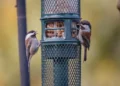
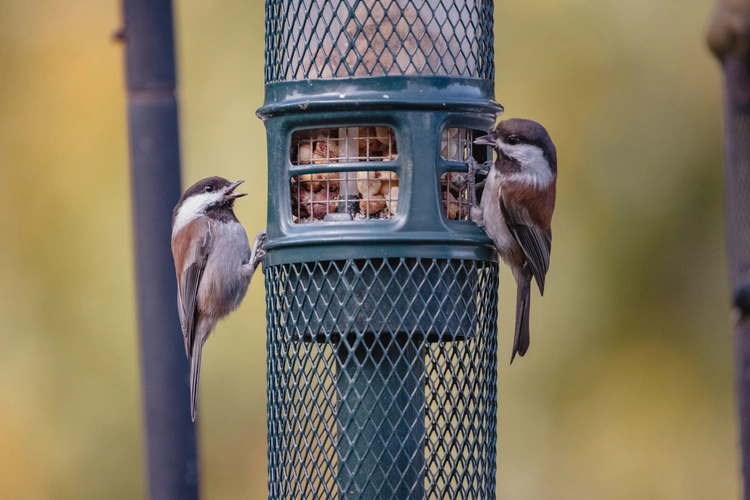
Tube feeders are cylindrical containers with multiple feeding ports along the sides. They work best for small to medium birds like finches, chickadees, and titmice. The enclosed design keeps seed dry and relatively clean, and many models come apart easily for refilling and washing.
Best for: sunflower seeds, nyjer seed, and mixed small seeds.
Watch out for: larger birds struggle to use them, and the ports can clog with debris if you skip regular cleaning.
2. Hopper Feeders
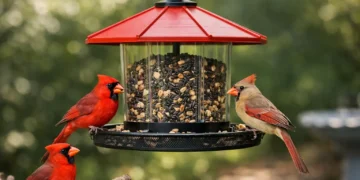
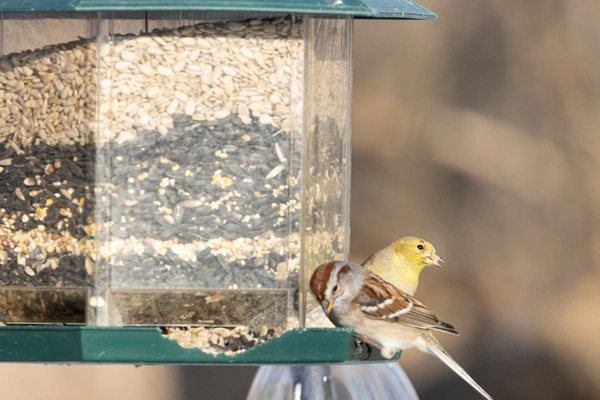
Hopper feeders house a reservoir of seed that gravity-feeds into a tray or trough at the bottom. They look like miniature barns or houses and hold a generous amount of food, which means fewer refill trips for you.
Cardinals, grosbeaks, jays, and sparrows all enjoy hopper feeders.
Best for: sunflower seeds, safflower, and mixed seed blends.
Watch out for: the large openings give squirrels easy access unless you add a baffle or choose a squirrel-proof model.
3. Platform Feeders
Platform feeders are open trays that can sit on the ground, mount on a pole, or hang from a branch. Their simple, flat design welcomes almost any bird, including ground-feeding species like doves and juncos that rarely visit other feeder types. You can offer seeds, nuts, fruit, and even mealworms on a platform.
Best for: attracting the widest variety of species.
Watch out for: exposed food gets wet in rain and is accessible to squirrels, raccoons, and other critters. They need frequent cleaning because droppings accumulate on the open surface.
4. Suet Feeders
Suet feeders hold blocks or balls of rendered fat mixed with seeds, nuts, or dried insects. Woodpeckers, nuthatches, wrens, and chickadees are especially fond of suet. Most suet feeders are wire cages that birds cling to while they feed.
Best for: cold-weather feeding and attracting insect-eating species.
Watch out for: suet melts in high temperatures, so switch to no-melt suet blends or remove the feeder during summer heat.
5. Nectar Feeders
Nectar feeders, often called hummingbird feeders, dispense a sugar-water solution that mimics flower nectar. They feature bright red or orange accents and tiny feeding ports sized for hummingbird beaks and, in some designs, oriole bills.
Best for: attracting hummingbirds and orioles.
Watch out for: nectar ferments quickly in warm weather. Clean and refill every three to five days to keep birds healthy. Bee guards help prevent wasps and ants from taking over.
6. Window Feeders
Window feeders attach to glass with suction cups and bring birds within arm’s reach of your living room or kitchen. They are ideal for apartments, small patios, or anyone who wants an up-close view. Most window feeders are simple trays that hold seed or mealworms.
Best for: close-up birdwatching and small spaces.
Watch out for: birds may collide with the glass if the feeder sits in the wrong spot. Place it either within three feet of the window or more than thirty feet away to reduce collision risk.
How to Match a Feeder to Your Local Birds
Before buying, spend a week observing which birds visit your garden naturally. Note their size, feeding behaviour, and what they eat. Then use this quick reference:
| Bird Type | Recommended Feeder | Preferred Food |
| Finches and siskins | Tube or nyjer feeder | Nyjer, sunflower chips |
| Cardinals and grosbeaks | Hopper or platform | Sunflower, safflower |
| Woodpeckers and nuthatches | Suet cage | Suet, peanut butter blends |
| Hummingbirds | Nectar feeder | Sugar-water (4:1 ratio) |
| Doves and juncos | Platform or ground tray | Millet, cracked corn |
| Jays and magpies | Platform or hopper | Peanuts, sunflower, corn |
If you are unsure, start with a tube feeder filled with black-oil sunflower seeds. Sunflower seed is the single most popular food across North American songbird species, and a tube feeder is low-maintenance and weather-resistant.
See our top 10 bird feeders: Top 10 Garden Bird Feeders: Attracting Feathered Friends to Your Backyard
Key Factors to Consider Before You Buy
Squirrel Resistance
Squirrels are the number one complaint among bird feeding enthusiasts. They can consume a pound of seed in a single day and scare off smaller birds.
Look for feeders with weight-activated perches that close the ports when anything heavier than a bird lands on them. A quality squirrel-proof bird feeder pays for itself in saved seed within a few weeks.
If your garden is in an area with heavy squirrel pressure, investing in a dedicated squirrel-proof design is well worth it.
Weather Durability
Your feeder will face rain, snow, wind, and harsh sun. Metal and UV-stabilised plastic last longer than cheap plastic or untreated wood.
Roofed designs like hopper feeders protect seed from moisture, while open platforms need drainage holes to prevent water pooling.
Ease of Cleaning
Dirty feeders spread disease among birds. Choose models that open wide or come apart completely so you can scrub every surface.
A feeder that is hard to clean will end up sitting in your shed unused.
Plan to wash feeders with a solution of one part white vinegar to nine parts water at least once a month, and more often during wet weather or heavy use.
Capacity and Refill Frequency
A larger reservoir means fewer refills, which is convenient if you travel or have a busy schedule. However, seed left sitting for weeks can go stale or mouldy.
Match the capacity to how many birds visit. If your feeder empties in two or three days, that is a healthy turnover rate.
Placement in Your Garden
Where you hang or mount a feeder matters as much as which one you choose. Place feeders near natural cover like shrubs or small trees so birds can dart to safety when predators appear.
Keep them about ten to twelve feet from dense cover to prevent cats from ambushing. A clear sightline lets birds spot approaching threats.
If you enjoy watching from indoors, position the feeder within view of your favourite window. For families, setting up a feeder near a play area or kitchen window turns everyday moments into nature lessons.
It is a wonderful way to get children curious about the outdoors, and pairing feeding stations with simple garden activities can inspire a lifelong love of wildlife.
Keeping Your Feeder Clean and Safe
A clean feeder is a healthy feeder.
Here is a simple routine:
- Weekly: Brush off seed hulls and wipe down perches and ports.
- Monthly: Disassemble the feeder, soak parts in vinegar solution, scrub with a bottle brush, rinse thoroughly, and let air dry completely before refilling.
- After rain or snow: Check for clumped or mouldy seed. Remove and replace immediately.
- Twice yearly: Inspect for cracks, rust, or loose hardware. Repair or replace as needed.
If you notice sick birds at your feeder (fluffed-up posture, lethargy, crusty eyes), take the feeder down for two weeks to allow birds to disperse and reduce disease transmission.
Building a Feeding Station, Not Just a Feeder
The most rewarding bird gardens offer more than one food source.
Consider setting up a feeding station with two or three different feeder types:
- A tube feeder with sunflower seed for finches and chickadees
- A suet cage on the opposite side of the garden for woodpeckers
- A platform feeder on the ground or low post for doves and sparrows
Add a shallow birdbath nearby and you have created a complete habitat that meets birds’ needs for food, water, and shelter.
The variety keeps things interesting for you, too. You will be surprised how quickly your garden bird list grows once you offer multiple options.
Frequently Asked Questions
1. What is the best type of bird feeder for beginners?
A tube feeder filled with black-oil sunflower seeds is the simplest and most effective starting point. It attracts a wide range of species, resists weather, and is easy to maintain. Kingsyard would be a perfect choice for you to start your birding journey.
2. How do I stop squirrels from eating all the bird seed?
Choose a feeder with a weight-activated mechanism that closes ports under squirrel weight. You can also mount the feeder on a pole with a squirrel baffle, and place it at least eight feet away from any surface a squirrel can jump from.
3. How often should I clean my bird feeder?
Wipe down surfaces weekly and do a full wash with vinegar solution monthly. In hot or wet weather, clean more frequently to prevent mould growth.
4. What is the difference between nyjer and sunflower seed?
Nyjer (also called thistle) is a tiny, oil-rich seed that goldfinches and siskins love. Sunflower seed, especially black-oil varieties, appeals to a much broader range of birds including cardinals, chickadees, and nuthatches.
5. Can I feed birds year-round?
Yes. Birds benefit from supplemental feeding in every season. In summer they are busy raising chicks and need energy. In winter natural food sources are scarce. Just adjust your offerings: switch to no-melt suet in summer and provide high-fat foods like suet and peanuts in winter.
6. How do I keep ants and bees away from my nectar feeder?
Use feeders with built-in bee guards or ant moats. An ant moat is a small cup mounted above the feeder that you fill with water, creating a barrier ants cannot cross.
7. Is it safe to put a bird feeder near my window?
Yes, as long as you take precautions against collisions. Place the feeder either within three feet of the glass (so birds cannot build up dangerous speed) or more than thirty feet away. Window decals and film also help birds see the glass.
Conclusion
Choosing the right bird feeder does not require expert knowledge or a big budget.
Start by observing the birds in your garden, pick a feeder that matches their feeding style, and place it where you can enjoy the view.
Keep it clean, keep it filled, and the birds will reward you with colour, song, and endless entertainment.
Every garden has the potential to become a haven for wildlife.
A thoughtful feeder selection is one of the easiest and most satisfying steps you can take toward that goal.