
Water in a garden has a quiet magic about it. A small pond can turn an ordinary outdoor space into a living, breathing sanctuary that hums with life, reflects the sky, and changes with the seasons. If you’ve ever wanted to have frogs, dragonflies, birds, and other animals visit your garden, making a wildlife pond is one of the best things you can do.
The good news is? You don’t need a lot of land or a team to do landscaping. If you plan ahead, are patient, and let nature take the lead, you can make a healthy mini-ecosystem right outside your door.
Why make a wildlife pond?
Before we get into the how, let’s take a moment to think about the why.
Modern gardens, especially in cities and suburbs, don’t always have natural water sources. Water is not just a nice thing for many animals; it is necessary. A pond is a good place to drink, breed, find shelter, and find food. A small pond can hold a lot of different kinds of life.
It’s not just about animals, though. A pond adds sound, movement, and reflection to your garden. It makes hard edges softer, draws your attention, and makes you want to slow down and look. It changes from being a feature to being a living thing over time.

Picking the Right Place
Size isn’t as important as location.
Try to find a place that gets both sun and shade, with about 4 to 6 hours of sun a day. Aquatic plants will have a hard time if there is too much shade, and algae growth may get out of hand if there is too much sun.
Do not put your pond right under trees. Leaves that fall can quickly pile up and make the water dirty, and roots can make digging more difficult. It’s fine to have a tree nearby that gives you some shade, but not one that’s directly above you.
Also, think about how easy it is to see. You will enjoy your pond much more if you can see it from a well-used path, a window, or a place to sit.
Choosing the Size and Shape
You don’t have to make wildlife ponds look neat and tidy. Wildlife is actually more likely to come to places with irregular, natural shapes.
If you have the room, go bigger than you think you need. Larger ponds are easier to care for and more appealing to wildlife because they have more stable temperatures and water quality. Even a container pond can make a difference, though.
A gently sloping edge or “beach” area is an important part to add. This lets animals come and go safely and gives marginal plants a place to live.
Digging In: Making the Wildlife Pond
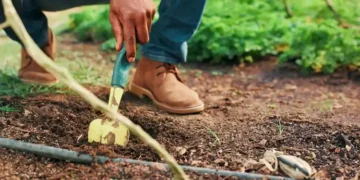
Once you’ve drawn your shape (a rope or hose works well), it’s time to start digging.
Try to get a range of depths:
Shallow margins (5–15 cm): Great for plants that grow on the edge and easy for animals to get to
Mid-depth zones (20–40 cm): Good for more types of plants
Deeper section (60–90 cm if possible): This helps the pond hold water in hot weather and gives animals a place to hide in the winter.
Make shelves or ledges for planting as you dig. Don’t worry about making the sides perfect; natural flaws are good. Just try to keep them as stable as possible.
Before lining the pond, get rid of any sharp stones and roots.
Picking a Pond Liner
Most people choose flexible pond liners for their wildlife ponds. They last a long time, can be changed, and are fairly easy to set up.
Add a protective underlay before putting down the liner. This could be a special material or just a layer of sand or old carpet that is free of dirt. This helps keep holes from forming.
Put the liner in the hole loosely so that it can fit into the shape of the hole. Don’t pull it too tight. Start filling the pond with water once the liner is in place. This will naturally pull it into place.
Only cut off extra liner after the pond is full and the edges are safe.
Finishing the Edges
The edges of your pond are where the land and water meet, and that’s where a lot of the magic happens.
You can use stones, logs, or grass to hold the liner in place and make it look natural. Try not to make the border hard and even. Instead, use different textures and materials to make microhabitats.
Add at least one entry point that is not too steep. This is very important for hedgehogs, amphibians, and other animals that might have trouble getting away.
Putting Water in Your Pond
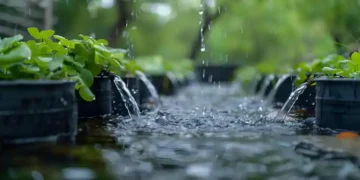
Rainwater is the best kind of water for a wildlife pond because it doesn’t have any chemicals in it. If you have to use tap water, let it sit for a day or two before putting in plants or animals.
Don’t put fish in. Fish may look good, but they often eat frogspawn, insect larvae, and other animals you want to grow. Without them, a wildlife pond does best.
Planting for Life
Plants are what keep your pond ecosystem going. They add oxygen to the water, give animals and insects a place to live, and support a wide range of life.
Try to have a mix of different types of plants:
Plants that are underwater (oxygenators)
These plants grow under the surface and help keep the water clear.
Hornwort, water milfoil, and floating plants
Insects can hide and rest in these.
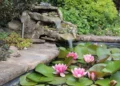
Water lilies (pick smaller ones for small ponds)
Frogbit and other marginal plants
They grow in shallow water along the edges.
Marsh marigold, water mint, and iris
Don’t plant too many seeds at first. Plants will grow over time, and animals need some open water to live.
Choose native species whenever you can. They are better for the environment and wildlife in the area.
Letting Nature Take Control
This is one of the most important things to remember: a wildlife pond is not just a pretty water feature. It doesn’t have to look perfect.
In fact, a little mess is a good thing.
The leaves will fall. Algae could show up. The levels of water will change. All of these things happen naturally. Don’t give in to the need to “clean” too much.
You might see water beetles skimming the surface or pond skaters darting around in a few weeks. Frogs and newts could show up in a few months, or they could take longer. Being patient is part of the process.
Encouraging Wildlife
Nature will do most of the work, but there are a few things you can do to make your pond even more inviting:
– Put in logs and rocks. They give animals places to bask and hide.
– Make the area around you more suitable for wildlife: Long grass, wildflowers, and shrubs nearby will draw in more animals.
– Stay away from chemicals: Don’t let pesticides and herbicides get too close to your pond.
– Give them cover: Planting a lot of plants around parts of the pond makes animals feel safe.
A pond doesn’t just sit there by itself; it becomes part of a larger garden ecosystem.

Care throughout the Seasons
Wildlife ponds don’t need a lot of care, but a little bit of care every season goes a long way.
Spring
If you need to, get rid of extra trash.
Separate and replant plants that have grown too big.
Look for amphibians and insects to come back.
Summer
Add water to the levels during dry spells (preferably with rainwater).
Watch out for algae; some is normal, but if it grows too much, you may need to remove it gently.
Fall
In the fall, if falling leaves are a problem, cover the pond with a net for a short time.
Take away some debris, but leave some for animals to live in.
Winter
Don’t break ice with too much force, as this can hurt animals.
Put a ball or something else that floats on the surface instead to help keep it from freezing all the way through.
Things You Shouldn’t Do When Making a Wildlife Pond
Even if you have the best of intentions, there are some things that can hurt your pond’s success:
– Making it too neat: Animals like places that are a little messy and natural.
– Adding fish: They mess up the ecosystem.
– Using chemicals: These can hurt fragile aquatic life.
– Too much sun or shade: Balance is very important.
– Steep sides: These can trap animals in.
Part of the fun is learning as you go. Every pond changes in its own way.
Top 10 FAQs About Making a Wildlife Pond
Making a wildlife pond is a great way to bring nature into your garden, but it’s normal to have questions before you start. With a little planning, a pond can become a great place for wildlife to live, no matter how big or small your lawn or patio is.
Here are the ten most common questions people have about building a wildlife pond, along with clear, useful answers to help you get started.
1. Do I need a lot of space in my garden for a wildlife pond?
No way. Even a small pond can make a big difference, though larger ponds usually have more wildlife and are easier to keep stable.
An insect, bird, or even amphibian can be attracted to a container pond, which can be made from a half barrel, trough, or even a large ceramic pot. To make it work, you need to add water, plants, and a way for animals to get in and out safely.
If you have room, going a little bigger than you first planned will give you more options and better results over time.
2. Where is the best place to put a pond?
Look for a place that gets 4 to 6 hours of sun each day. This balance helps water plants grow and stops the water from getting too hot or full of algae.
Don’t put your pond right under trees, because leaves that fall can quickly build up and make the water dirty. But it’s good to have some plants nearby that can give you some shade and shelter.
Also think about how visible it is. You’ll enjoy your pond more if you can see it from a window or a place to sit.
3. Do I need a filter or a pump?
The answer is usually no for a wildlife pond.
Wildlife ponds are meant to be natural ecosystems, not just pretty ponds. Your pond can take care of itself without pumps or filters if you have the right mix of plants, especially oxygenators.
Many animals, like frogs and bugs, like still water.
4. Is it okay to fill my pond with tap water?
Yes, but rainwater is better.
Rainwater is soft and doesn’t have any chemicals in it, like chlorine, that can harm aquatic life. It’s best to let tap water sit for a day or two before adding plants if you do use it. This will help some of the chemicals go away.
Adding collected rainwater over time will help keep the balance healthier.
5. Should I put in fish?
Don’t do it.
Fish like to eat frogspawn, tadpoles, and insect larvae, which are the very animals you want to attract. They can also mix up the sediment and throw off the pond’s natural balance.
A pond without fish is the best way to make a safe place for animals.
6. What kinds of plants should I add?
The healthiest environment will be one with a variety of plants. Try to fit into three main groups:
Plants that add oxygen to the water, like hornwort, to keep it clear
Plants that float, like small water lilies or frogbit, to give shade
Plants that grow on the edges, like marsh marigold or water mint, can provide shelter and structure.
Native plants are always a good idea because they help local wildlife and grow well in your climate.
Don’t plant too many plants at once; they will grow and fill in over time.
7. How do I keep animals from getting stuck?
This is an important thing to think about.
At least one edge or “beach” area of your pond should slope down gently. This makes it safe for animals to come and go. You can also put stones, logs, or ramps in and around the pond to make it easier for animals to get out.
Ponds with steep sides and no exits can be dangerous, especially for small animals.
8. Will mosquitoes come to my pond?
It might, but not the way you think.
Dragonfly larvae, water beetles, and pond skaters are all predators that move into a healthy wildlife pond quickly. They all eat mosquito larvae. This balance in nature usually keeps the number of mosquitoes down.
A wildlife pond with lots of plants is much less likely to have mosquitoes than a pond with still water.
9. How much care does a wildlife pond need?
Not as much as you might think.
Wildlife ponds are made so that they don’t need much care. You don’t have to clean them often or keep them looking perfect. A little bit of natural “mess” is actually good.
Some seasonal tasks might be:
Getting rid of too much trash in the spring or fall
Adding water during dry spells
If plants get too crowded, you can thin them out.
You should help the ecosystem, not control it.
10. How long will it take for animals to get here?
It happens more often than you think, but not always.
Insects are usually the first to show up, sometimes within a few days. Birds may also come by quickly, especially to drink and bathe. Frogs and newts, which are amphibians, may take longer, depending on whether they are already in your area.
Being patient is the key. Your pond will keep bringing in more life every season after it is set up.
Bonus Tip: Should I line my pond?
Yes, in most cases.
A pond liner is the easiest and most reliable way to keep your pond from draining away, unless your soil is naturally clay-rich and holds water well. Flexible liners are very common and can be shaped to fit any design.
To keep things from getting punctured, make sure to put something like sand or old carpet underneath.

The Quiet Rewards
A wildlife pond doesn’t make a lot of noise. Its benefits are small and add up over time.
It’s the first dragonfly of summer, and it looks like a jewel in the air.
The water ripples softly as a bird lands to drink.
The sudden appearance of frogspawn where there wasn’t any before.
As time goes on, your pond becomes a place to watch and connect with others. It reminds you that even a small garden can hold something much bigger than itself.
Think Big, Start Small
If you’re not sure, start with something small. An old sink, a half-barrel, or a big container can all make a small pond. The most important thing is the goal: to make a place where animals can thrive.
As you get more confident, you might find yourself adding new features, changing existing ones, and making things bigger. That’s just how it works. A wildlife pond is never really done; it changes as your garden grows.
Making a wildlife pond is more about working together than being in charge. You give the space, the water, and the basic structure. The rest is up to nature.
In return, you get something very rare and satisfying: a front-row seat to the quiet, complicated world of life unfolding right in your own garden.
See also: