We at Good Garden Ideas believe in gardening smarter, not harder. Choosing the top outdoor plants for low light gardens is very important. If you do it right, you’ll have beautiful leaves, soft colors, and less stress for a long time.
You’re not the only one whose garden is mostly in the shade. You don’t have to have a dull, green-but-boring outdoor space.
Some of the most beautiful, peaceful, and unique gardens in the world are built around shade and low light.
Think of gardens in the woods, courtyards that face north, urban plots with lots of trees, and areas that are shaded by big trees or buildings next door. These gardens don’t try to fight the light; they use it to their advantage.
So, put the kettle on, sit down, and let’s talk about the best outdoor plants for gardens with low light. These are plants that not only tolerate shade, but do really well in it.
What does “low light” mean in the first place?
Before we talk about plant suggestions, let’s clear up a common misunderstanding.
Not all light is low light.
Most “shade” gardens outside still get:
- Sunlight coming through trees in spots
- Sunrise or sunset
- Light that is bright but not direct
- Light that bounces off walls or pavement
Shade can be classified broadly into three categories:
- Full Shade – These areas receive less than 3 hours of direct sunlight a day.
- Partial Shade – These spots enjoy 3 to 6 hours of dappled light or morning sun.
- Filtered Shade – Here, light is filtered through trees or structures, allowing some but not overwhelming sunlight.
Not many plants do well in complete darkness, but a lot of them do well without direct sunlight in the middle of the day. Once you have a general idea of how light moves in your garden, it will be much easier to pick plants.
Why Low Light Gardens Are a Good Thing
Let’s change the story for a minute.
There are some real benefits to shade gardens:
- Less watering (the soil dries out more slowly)
- Plants that are not as stressed by heat
- Color palettes that are softer and calmer
- A place to cool off in the summer
- Aside from slugs, there are usually fewer pests.
And the best part? Plants that like shade tend to live a long time, be reliable, and need very little care.
Foliage First: The Real Stars of Gardens with Little Light
In gardens that are shady, leaves do the hard work. Some really beautiful plants shine when they have interesting textures, shapes, and colors instead of big, bright flowers.
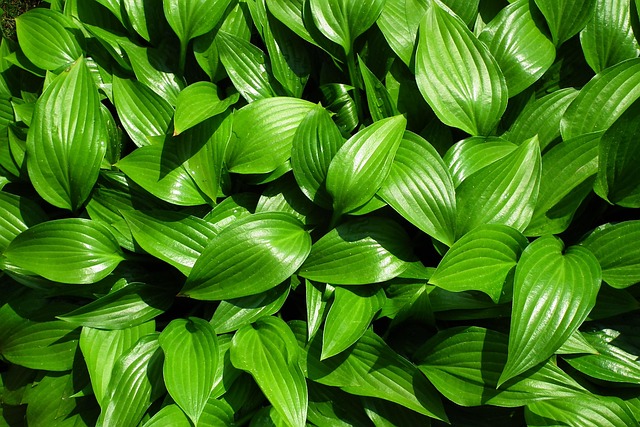
Hostas are the best plants for shade.
Hostas are the perfect example of low-effort, high-reward gardening. Hostas step in calmly and say, “Don’t worry, I’ve got this,” when other plants are sad, stretch, or just won’t grow.
First, let’s talk about the leaves. Hostas are big, bold, elegant, and come in a wide range of colors, including green, blue, gold, and beautiful variegated patterns. They instantly make shady spots look lush and planned, not bare or forgotten. One plant can take up a lot of space, which is great news if you don’t like patchy borders.
They’re also very dependable. Hostas come back year after year after being planted, and they often get bigger and better each time. They like to live under trees, along walls that face north, and in those hard-to-reach corners where nothing else seems to grow.
Slugs do love them, which is sad, but a little protection goes a long way, and many gardeners are happy to agree that it’s worth the trouble.
Hostas might be the most calming plants around. They give structure without being stiff and softness without being a pain. That is pure gold in a shady garden.
Hostas are really hard to beat if you want a plant that will work with your shade instead of against it.
Why gardeners like them:
- Do well in low light
- Come back each year bigger
- Look great in pots and borders
- Work well under trees
Yes, slugs love them too, but hostas are the best when they are protected.
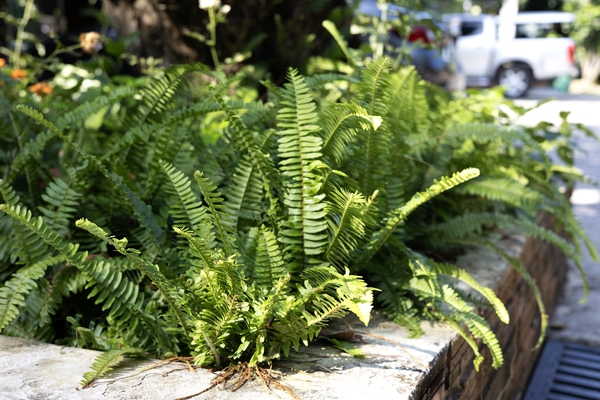
Ferns: Simple, Elegant Woodland Plants
We at Good Garden Ideas love plants that do their job without making a fuss, and ferns are one of those plants. Ferns love the shade, while sun-lovers throw fits in it. A lot of them actually like it better.
One of the best things about ferns is their natural history. They grew on forest floors, under trees where the sun is soft and filtered. For a fern, that means your shady path, north-facing border, or weird spot under a tree is like a five-star resort.
Then there’s the style. Adding ferns to a garden makes it instantly more peaceful. In the spring, their fronds slowly open up, giving the plant a soft, moving look that is hard to beat.
Ferns come in both delicate, feathery types and bold, architectural types. They add texture without looking too busy or over the top. They make shady areas feel like they were planned, not left alone.
Ferns are also very easy to care for. Once they are set up, they don’t need much care other than cleaning up old fronds every now and then. They don’t need to be fed, they don’t often get pests, and slugs usually leave them alone, which is always a good thing.
Ferns are also great because they can be used in many ways. They look great in both modern, minimalist spaces and gardens that look like they’re in the woods. You can plant them in pots, borders, under trees, or even next to ponds and other water features. They like it best when the soil isn’t too dry and the light isn’t too bright.
Ferns may be the best thing about shade gardening because they make it feel peaceful. They have a timeless quality that makes them feel solid. They remind us that not all gardens need bright flowers and lots of sun to look good.
If your garden is more shady than sunny, don’t try to change it. Love ferns. They’ll give you structure all year round, quiet beauty, and a lot less stress.
Why they are great for shade:
- Naturally able to handle low light
- Great for places that are wet or hard to get to
- Once established, it doesn’t need much care.
- Beautiful every year
They look especially great in dark corners where nothing else seems to be happy.
Learn more about Ferns >
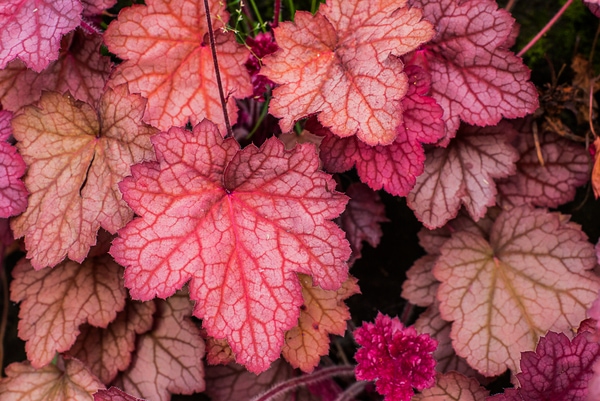
Heucheras: Color Without Sun
If you think shade gardens will always be green, let us introduce you to heucheras. These plants show that low light doesn’t have to mean low color.
We love plants that do more than they should, and heucheras, also known as coral bells, are one of those plants. They are small, bright, and full of personality, even in shady areas where other plants blend in.
The leaves of heucheras are what really make them special. There is a color for almost every type of garden, from deep purples and smoky silvers to lime green, caramel, and rich burgundy. Heuchera leaves, on the other hand, stay around for months, sometimes even all year. This keeps your shady borders and containers interesting for a long time.
They’re also very useful in many ways. Heucheras do well in pots, in partial to full shade, and with hostas, ferns, and shrubs. Put them along the edges of paths, fill in gaps, or add a splash of color where you don’t expect it. A single small plant can make a dull corner look great.
Another big plus? They don’t need much care, which is nice. Heucheras don’t need constant care, and a quick cleaning in the spring is usually all they need to look their best. They’re tough, dependable, and surprisingly forgiving.
Heucheras might be the best plants for shade gardening because they make it fun. You can play with color, texture, and contrast without having to deal with the sun or the lack of it.
If your garden is a little shady and you want to add some personality, heucheras might be the plant for you.
They have leaves that come in:
- Very dark purple
- Burgundy
- Green lime
- Amber
- Shiny tones
They do well in partial to full shade and add color all year round in milder climates.
Great for:
- Borders
- Pots
- Edges of paths
- Combining with ferns and hostas
Plants that bloom and like the shade
Yes, you can grow flowers in a garden with little light. You just need the right ones.
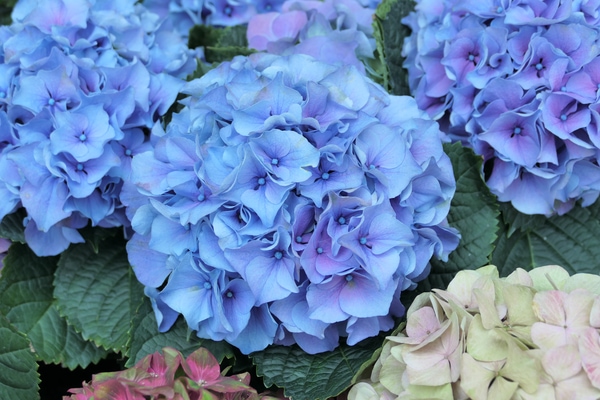
Hydrangeas are the stars of the shade garden.
If you have a shady garden and want big, beautiful flowers, hydrangeas are going to be your new best friends.
A lot of the time, gardeners tell us, “Nothing flowers properly in my shade.” Hydrangeas don’t agree, though. They don’t like deep, dark shade all day, but they do well in bright shade or areas with soft morning sun. This makes them perfect for many real-life gardens.
One of the best things about hydrangeas is how they look in the shade. Those big, full flower heads brighten up dark corners in a way that few other plants can. When the light is low, soft blues, pinks, creamy whites, and gentle greens seem to glow, which gives them instant charm and elegance.
They’re also very dependable. Once they are planted, hydrangeas are happy to stay where they are and come back every year with little trouble. If you keep the soil fairly moist and give them a sheltered spot, they will give you months of color. For a shrub with such beautiful flowers, they are surprisingly easy to care for.
In addition to that, hydrangeas give shade gardens structure. Their leafy structure fills space beautifully, making borders feel full instead of empty. They look great on their own, mixed into borders, or even grown in big pots for patios and courtyards.
One of the best things about hydrangeas is how giving they seem. They don’t do subtle; they do a lot. That kind of kindness makes a big difference in shady gardens, where flowers can be hard to find.
Hydrangeas are a great choice if you want drama, color, and classic beauty in your garden but it doesn’t get full sun. When hydrangeas are around, shade doesn’t have to be boring.
They like:
- Sun in the morning or bright shade
- Wet ground
- Places that are protected
In exchange, they give you huge, long-lasting flowers that light up even the darkest places.
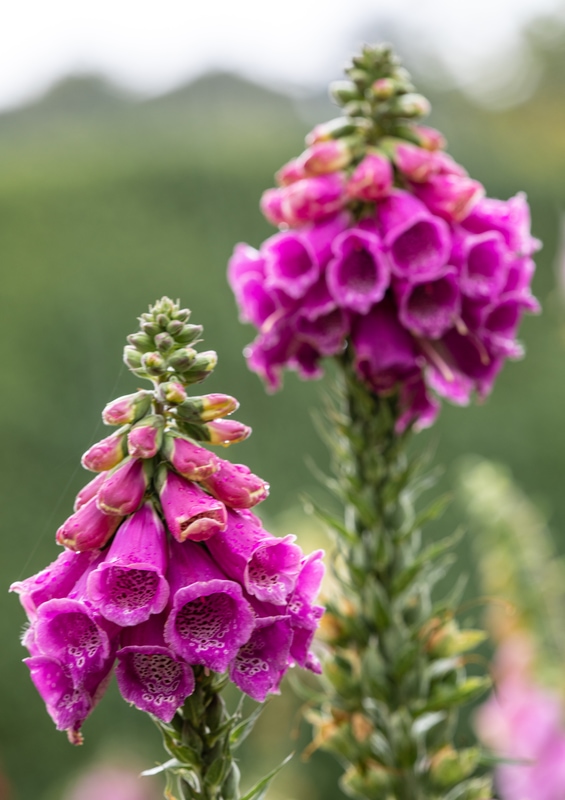
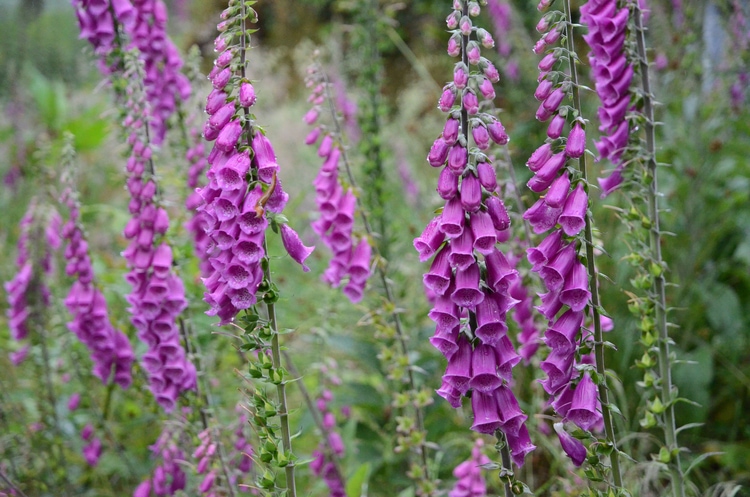
Foxgloves: Vertical Drama in Light That Changes
Foxgloves might be just what you need if your garden is a little shady and you want flowers that really stand out.
We love plants that look and feel natural here at Good Garden Ideas, and foxgloves do that without even trying. They like dappled light or partial shade best, so they are great for gardens that look like woods, borders under trees, or places that only get sun for part of the day.
The shape of foxgloves is one of the things that makes them so special. The tall spires of bell-shaped flowers rise up through shady borders, giving the area height, movement, and a touch of drama without feeling stiff or formal. They pull the eye up, which makes small or shady gardens look bigger and more alive.
Foxgloves are also very kind. They tend to self-seed once they’re happy, so they show up in new places every year with very little work from you. Many gardeners like this part of their charm because the garden changes shape in the most natural and unforced way.
Another big plus? They are great for pollinators. Those deep, nectar-filled bells are especially hard for bees to resist. Adding foxgloves to a shady garden is a great way to help wildlife and enjoy beautiful flowers at the same time.
Foxgloves look like they belong in a cottage garden, but they are actually very strong. They do well in the shade, when it’s cooler, and even in corners that aren’t always clean, as long as the soil isn’t too dry.
Foxgloves might be the best thing about them because they make shade gardens feel magical. They look like something out of a storybook, especially when they move through ferns and other plants in the woods.
So don’t fight it if your garden isn’t getting a lot of sun. Let foxgloves take the spotlight and enjoy how beautiful they make the shade.
They bring:
- Height and shape
- A natural, laid-back feel
- Flowers that are good for pollinators
If you let them self-seed, they’ll come back year after year.
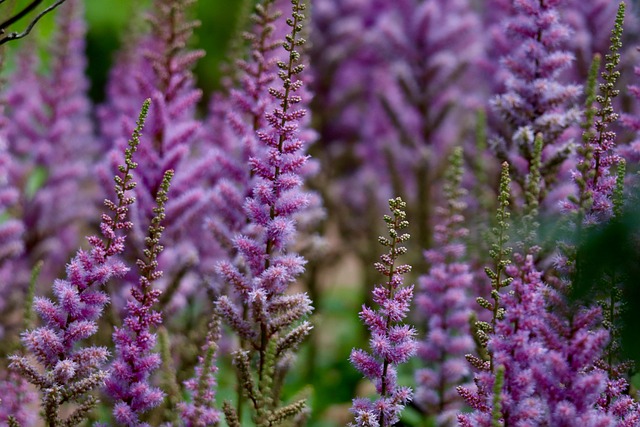
Astilbe: Flowers that are soft and feathery for shade
Astilbes are going to be your new favorite plants if your garden is shady and holds on to moisture.
Astilbes do very well in shady, damp places, even though many other plants don’t. Give them low light and soil that stays moist all the time, and they will reward you well.
People fall in love with their flowers right away. Astilbes have soft, feathery plumes that are pink, red, white, or lilac and look like they are floating above delicate fern-like leaves. These light and airy flowers add elegance and lightness to shady areas where bright colors can sometimes feel harsh.
Astilbes are also great for making things feel more real. Their small leaves look great next to plants with bigger leaves, like hostas. This makes a layered, professional-looking border without much work. They work best in gardens that look like woods or next to ponds and other water features.
Astilbes are also great for shade gardens because they are so reliable. After they get going, they come back every year and slowly grow into bigger groups. They don’t need complicated care routines; all they need is to be watered when it’s dry and to have their old flower stems cleaned up every now and then.
They are also surprisingly useful. Astilbes can grow in borders, under trees, and even in big pots, as long as the compost stays moist. They love the shade, but a little bit of morning sun can actually make their flowers shine even brighter.
Astilbes may be the best plants because they make you feel calm and relaxed. They make shady gardens feel planned, full of life, and quietly beautiful. They’re never boring.
Astilbes are a great choice if you have a shady area that needs some color.
They’re great for:
- Borders that aren’t clear
- Edges of the pond
- Gardens that face north
Plants that stay green all year long
Structure is one of the keys to a great shade garden, and evergreen plants give it that when all the other plants die back.
Box (or Box Alternatives)
Flowers and leaves often get all the attention in shade gardens, but let’s give structure some love too. When it comes to reliable, good-looking structure in low light, box shrubs are hard to beat.
We at Good Garden Ideas believe that a great garden isn’t just about color; it’s also about shape, balance, and keeping things interesting all year long. That’s where box shrubs really shine, especially in shady or partly shady areas.
One of the best things about box is that it can handle shade. Many plants don’t like being in the dark, but box shrubs are fine with it. They can grow in gardens that face north or have shady borders. They don’t need bright light to look neat and healthy, which makes them very useful in real gardens.
Then there’s the way they are built. Box shrubs make a space look neat right away. They give shady gardens shape and purpose, whether they are clipped into low hedges, soft shapes, or sharp lines along paths. Box is a steady, calming presence all year long in places where flowers may not last long.
Another big plus is that they stay green all year. In the winter, shade gardens can look a little empty, but box shrubs keep their bright green leaves all year long. That continuity makes a garden seem whole, even when everything else has died back.
Box shrubs are also very useful. You can use them to make borders, frame doorways, mark off seating areas, or add contrast to softer, leafier plants like ferns and hostas. They look great in both formal and more casual, modern gardens.
In terms of care, they are refreshingly simple. You usually only need to trim them once or twice a year to keep them looking nice. They don’t need to be fed all the time, and once they get used to their new home, they are very tough.
One of the best things about box shrubs is that they hold up a shady garden. They give everything else something to look at, which makes the whole space feel planned instead of random.
If your garden gets a lot of shade and you want it to look nice all year round, box shrubs are a classic choice for a very good reason.
Box shrubs do well in the shade and are great for:
- Low hedging
- Paths that are edged
- Adding structure to the edges
If box blight is a problem in your area, there are great alternatives that work just as well in low light.
Ivy: A Hero Who Gets a Bad Rap
Ivy is a plant that people often say bad things about, but it really deserves a second look. Ivy might be one of the best plants for your shady garden if you want something that just grows.
Plants that solve problems are our favorite here at Good Garden Ideas, and ivy is one of the best. Dark shade? Soil under trees that is dry? Walls that face north? Ivy doesn’t move. Ivy does very well in low light, which makes it perfect for those hard-to-reach places where nothing else seems to be happy.
Ivy is very flexible, which is one of its best qualities. It can be used as ground cover, a climber, or even a trailing plant in pots. Use it to cover up ugly fences, soften walls and sheds, or carpet bare ground under shrubs. Ivy really shines in shady gardens where vertical space isn’t used much.
It also stays green all year, which is a big plus. In the winter, shade gardens can look a little empty, but ivy keeps them looking green and alive all year. That feeling of continuity is very important, especially in smaller gardens.
Another reason to like ivy? Animals in the wild. Ivy blooms late in the year, giving pollinators important nectar when there isn’t much else around. Its thick growth also gives birds and insects a place to hide. It is one of those plants that helps the whole garden ecosystem without making a fuss.
Ivy does need to be taken care of, but it’s easy to keep it in check with regular trimming. In return, you get a strong, beautiful plant that doesn’t need much care.
So, if your garden is shady and you want reliable plants that will make a difference, ivy is a great choice.
It works best for:
- Covering fences and walls
- Cover on the ground under trees
- Help for wildlife
Ivy can be a great addition to your home if you pick the right kinds and keep it trimmed.
Ground Cover Plants That Make Hard Places Easier
There are often awkward spots in shady gardens, like under trees, along fences, or in narrow side passages. Ground cover plants are the answer.
Brunnera has heart-shaped leaves and flowers in the spring.
Brunnera has beautiful leaves and tiny blue flowers in the spring. It does best in partial to full shade.
It’s great for:
- Filling in gaps
- Making edges softer
- Making everything look like one thing
Lamium: Strong, Happy, and Dependable
Lamium is a great low-growing plant with colorful leaves and small flowers that make dark places brighter.
It’s:
- Hardy
- Growing quickly
- Great for covering the ground
Great when you want results without any trouble.
Plants for Small Spaces and Containers in the Shade
Not all gardens that don’t get a lot of light are big. A lot of them are balconies, courtyards, or narrow patios. Shade-loving plants do very well in pots.
Some great choices for containers are:
- Ferns
- Heucheras
- Hollies
- Fuchsias
- Evergreen grasses
Use pots to bring plants closer to eye level and make things more interesting where borders can’t be used.
Climbing Plants for Shade
There is no need for walls and fences in shady gardens to stay bare.
Some climbers that can handle low light are:
- Climbing hydrangeas
- Ivy
- Some honeysuckles
They make gardens feel more closed in and cozy by adding vertical interest.
How to Plan a Low Light Garden That Feels Like It Was Made on Purpose
Here’s a little secret: the best shade gardens don’t look like they’re “making do.”
They feel calm, layered, and planned.
A few tips for design:
- Pay attention to the shape and texture of the leaves.
- Repetition can help things flow.
- Mix plants with big leaves with plants with small leaves.
- Take in greens; they are calming, not boring.
- Add light-colored leaves to brighten up dark spots.
Imagine a forest, not a flower bed.
1. Layering
When you plant, think about putting your plants in layers. Put taller plants, like astilbe or bleeding hearts, in the back, mid-height plants, like hostas, in the middle, and lower ground covers, like sweet woodruff, in the front. This adds both depth and interest to the picture.
2. Add Hardscaping Elements
Adding paths, benches, and decorative stones can make your shade garden more attractive. These things give the garden structure and help the eye move around, making clear areas for relaxing and exploring.
3. Have fun with textures
Mixing different types of leaves makes for a lively look. For a nice contrast, mix broad-leaf plants like hostas with ferns that have feathers. This not only makes your garden look better, but it also helps it feel more balanced.
Taking Care of Your Shade Garden
Plants that are used to low light conditions don’t need as much sunlight, but they still need the right care to grow.
Here are some important tips for keeping things in good shape:
1. The quality of the soil
The soil needs to drain well. Adding organic matter will help the soil hold onto moisture and nutrients better.
2. Watering
Shade plants usually need less water, but it’s important to keep an eye on the soil’s moisture levels, especially when it’s dry. Mulch can help keep moisture in.
3. Adding fertilizer
Light feeding during the growing season can help some plants grow and bloom more quickly. Pick a fertilizer that slowly releases nutrients and is safe for perennials.
Things you should not do in low-light gardens
Let’s save you some trouble.
Don’t:
- Putting in sun-loving plants and hoping for the best
- Too many plants (shade gardens still need air flow)
- Not paying attention to the quality of the soil
- Expect results right away
Shade gardens are worth the wait. It can take a season or two for some plants to settle in before they really shine.
Why Shade Gardening Is More Popular Than Ever
Low-light gardening is becoming more common than not because of smaller gardens, taller buildings, and mature trees.
The good news? Both plant breeders and gardeners love it, and there has never been a better selection of plants that can grow in the shade.
A garden that is shady isn’t a compromise; it’s a chance.
Questions People Ask About Shade Gardening
Q: Is it possible to grow vegetables in the shade?
Some traditional vegetables, like leafy greens, radishes, and peas, can grow well in partial shade. Try out different conditions to see what works best.
Q: What if my garden in the shade is damp?
To keep plants from rotting, pick ones that like wet conditions, like ferns or astilbe, and make sure the soil drains well.
Q: How can I keep bugs out of my shade garden?
Look for signs of pests on your plants on a regular basis. Ladybugs and other helpful bugs can help keep pest populations in check, and for more serious infestations, you can use natural pest repellents.
Q: How can I tell if my plants are getting enough light?
If your plants look leggy or have few leaves, they may not be getting enough light. Think about moving them to a place with more light or switching to a variety that can handle more shade.
Good Garden Ideas’ Last Thoughts
Don’t try to change your garden if it doesn’t get much sun. Go with it.
Gardens with little light can be:
- Lush
- Stylish
- Safe for animals
- Little upkeep
- Very calm
You won’t have to work as hard if you choose plants that really like shade. This is what gardening should be all about.
We at Good Garden Ideas think that every garden can be beautiful, no matter how much sun it gets. Your low-light garden can become one of your favorite places to be if you choose the right plants and have some faith in yourself.
And to be honest? You might never look back once you accept the shade 🌿