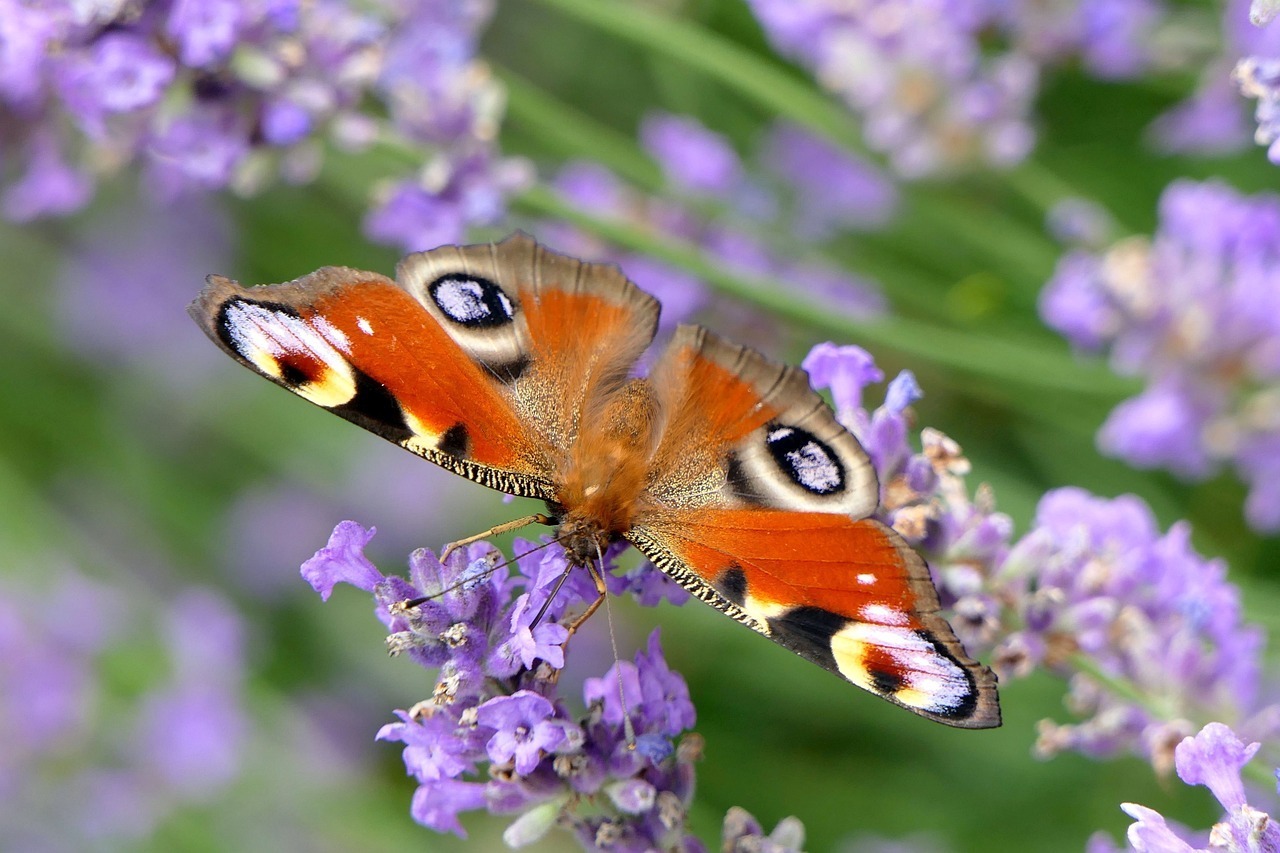
Today, at Good Garden Ideas, we’re going to tell you everything you need to know about how to create a butterfly garden. It should be beautiful, long-lasting, and full of life (or should we say fluttering?).
We’ll talk about plants, design, water, shelter, and even what not to do. Let’s get started. Get a cup of tea or, better yet, lemonade, because butterflies love the sun.
You already know how magical butterflies are if you’ve ever seen one lazily flit across a sunny garden bed. They are like living flower petals: surprising, fragile, and completely beautiful.
A garden without butterflies is like a story without punctuation: it needs something important.
The best part is that you don’t need a big yard, special tools or a degree in botany to make a butterfly garden.
Anyone, from brand-new gardeners to seasoned soil lovers, can make a small patch of land into a fluttering paradise with some planning and the right plants.
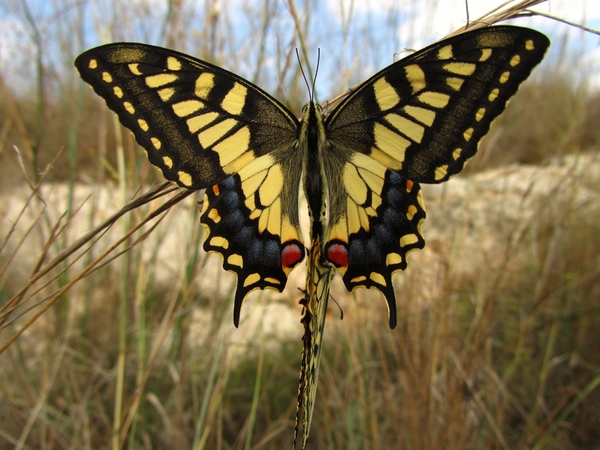
Why Make a Garden for Butterflies?
Before we get into the how, let’s talk about the why. Gardening is about both having fun and having a purpose.
1. Butterflies are very good at pollinating.
Butterflies may seem fragile, but they have a big job to do. They help plants reproduce by spreading pollen as they hop from flower to flower and drink nectar. A garden is better off when there are a lot of butterflies. They are like little, fancy workers who don’t want much more than flowers and sun.
2. You support species that are going extinct.
Many native butterfly species are losing their homes and food sources. You can make a safe place for butterflies to live by planting a butterfly-friendly garden, even a small one. It’s like having a mini wildlife refuge in your own backyard.
3. They make you happy and calm.
It’s really relaxing to watch butterflies. A lot of gardeners say that their butterfly patch is their favourite part of the yard, where they can stop, breathe, and connect with nature again.
4. It’s a great way to learn.
Kids really love gardens with butterflies. It turns into a real-life science lesson about ecosystems, pollination, and metamorphosis. (Adults can act like they already knew all of this.)
5. Butterfly gardens are so pretty!
No joke: these gardens almost make themselves. Plants that make nectar are usually bright, happy, and cute. You can’t go wrong with a layout that will draw in one of nature’s most beautiful creatures.
Step 1: Choose the Right Place
What you plant in your butterfly garden is just as important as where you plant it.
Butterflies need warmth.
Because they are cold-blooded, they need the sun to warm them up and get them going. Your garden should get at least six hours of sunlight every day. More butterflies come out when the sun shines. Math is easy!
The sun in the morning is very helpful.
This lets butterflies warm up early (they’re not morning people, but who isn’t when the sun shines?).
Pick a place that is sheltered.
Butterflies are light, so a strong gust can send them on an involuntary vacation. Choose a place that is protected from strong winds by bushes, fences, or the natural curve of your land.
Stay away from places that have been sprayed with pesticides.
Even organic pesticides can hurt butterflies, caterpillars, and other helpful bugs. You shouldn’t spray in your butterfly patch.
Size doesn’t matter. Really!
You can make a butterfly garden in:
– A big flower bed
– A patch that is 3 feet by 3 feet
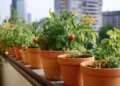
– Containers on a balcony
– A bed that is higher
– A fence along a path
Butterflies don’t care what your layout looks like; they just want nectar and a safe place to raise their young.
Step 2: Learn What Butterflies Need
A good butterfly garden needs four things: food, water, a place to live, and a place to breed.
Let’s break that down into small, friendly pieces that fit in a garden.
1. Nectar plants are food for adult butterflies.
These flowers make a sweet “juice” that butterflies like to drink.
Butterflies like:
– Colours that are bright and bold, like pinks, oranges, yellows, and purples
– Landing pads that are flat
– Groups of small flowers that look like tubes
Imagine the flowers as little cafés where butterflies hang out and talk.
Best Nectar Plants for Butterfly Gardens
This list changes depending on where you live, but the following plants are almost always good for butterflies:
- Coneflower (Echinacea): These tough perennials bloom beautifully all summer long and are very popular with many types of butterflies.
- Milkweed (Asclepias): Monarch butterflies depend on milkweed to live. Plant different kinds of plants to make the area more interesting.
- Butterfly Bush (Buddleja): The butterfly bush has long-lasting flowers that attract many types of butterflies. It is a favourite nectar source.
- Black-eyed Susan (Rudbeckia): This native plant has bright yellow flowers that butterflies can’t get enough of.
- Lantana: This plant blooms all year round and has small clusters of flowers in different colours. It attracts both butterflies and hummingbirds.
- Verbena: has clusters of small, nectar-rich flowers that bloom for a long time, which attracts many types of butterflies.
- Zinnias: have bright, open, flat-topped flowers that are easy to land on and have a lot of nectar.
- Asters: are a late-blooming flower that provides nectar when few other flowers do. They are very important for butterflies that are migrating.
- Joe Pye Weed: is a tall plant with fragrant clusters of nectar that attract big butterflies like swallowtails.
- Monarda (Bee Balm): has tubular flowers with a lot of nectar and a strong smell that draws in butterflies and hummingbirds.
- Marigolds: Butterflies are drawn to marigolds because they are bright and have nectar that is easy to get to, especially in sunny areas.
- Goldenrod: is one of the best nectar plants for late summer. It helps monarchs during their migration.
If you already have some of these in your garden, you’re halfway to becoming a butterfly landlord.
2. Host Plants: Food for Caterpillars
A lot of new butterfly gardeners are surprised to learn that a butterfly garden must have plants that caterpillars can eat.
Butterflies don’t lay their eggs anywhere. They look for very specific host plants, which are also called “the baby food.”
Different types of butterflies depend on different plants to live.
Some of the most popular ones are:
1. Milkweed (Asclepias species)
Host for: Monarchs
Why: The only plant that monarch caterpillars can eat; it has poisonous chemicals that keep them safe from predators.
2. Dill, parsley, and fennel
Host for: Black Swallowtails
Why: The soft, fragrant leaves are great food for caterpillars and are easy to grow in pots or gardens.
3. Sassafras and spicebush (Lindera benzoin)
Host for: Spicebush Swallowtails
Why: These native shrubs and trees are the only things that caterpillars eat.
4. Passionflower Vine (Passiflora species)
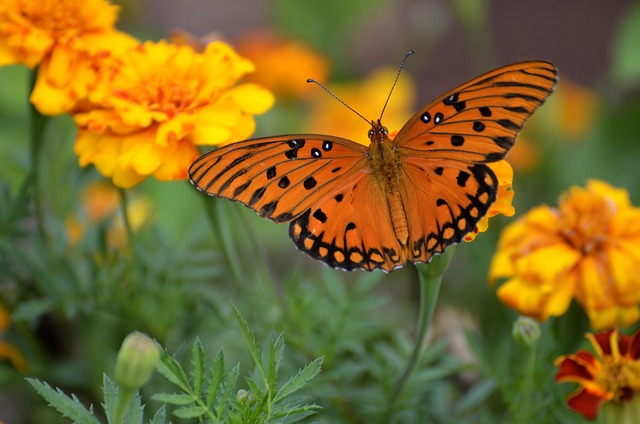
Host for: The Gulf Fritillary and Zebra Heliconian are both found here.
Why: It’s a fast-growing vine that feeds a lot of butterflies that live in the tropics and subtropics.
5. Malva species and hollyhocks
Host for: Common Checkered Skipper and Painted Lady
Why: Soft leaves are good for many kinds of caterpillars.
6. Violets (Viola species)
Host for: Gulf Fritillary & Zebra Heliconian
Why: Their caterpillars love ground-level foliage; it’s a great understory plant.
7. Oak Trees (Quercus species)
Host for: Many kinds (Red-spotted Purple, Hairstreaks, etc.)
Why: Oaks are the best plants for biodiversity because they support hundreds of butterfly and moth species.
8. Salix species of willow trees
Host for: Mourning Cloaks, Viceroys, and Commas all live here.
Why: It’s one of the first trees to leaf out, which gives caterpillars a head start in the spring.
9. Pipevine (Aristolochia species)
Host for: Pipevine Swallowtails
Why: Caterpillars use its poisonous chemicals to protect themselves.
10. Clover and Alfalfa
Host for: Blues and Sulphurs
Why: Leaves with a lot of nitrogen are good food for caterpillars because they grow quickly.
Yes, these plants WILL be eaten. That’s the point. It’s like putting out a buffet and then being shocked when people come hungry.
A butterfly garden that is healthy has leaves with holes in them. That’s a good thing!
3. Sources of Water
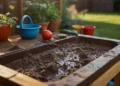
Butterflies don’t drink from birdbaths or ponds. Instead, they like to drink from shallow, muddy places where they can find water and minerals. This is called “puddling.”
Here are some steps to make a puddling station:
– Putting sand or dirt in a shallow dish
– Putting in water so it is wet but not too much
– Putting it in a place where the sun shines
– Giving it a new look every few days
If you want to, you can add a little bit of sea salt or wood ash for minerals.
It’s like a little spa for butterflies, with water, sunshine, and a little bit of luxury.
4. A place to stay
Butterflies need a place to hide from predators, the wind, and bad weather.
Your garden can give you this with:
– Thick bushes
– Little trees
– Grasses that are tall
– Even old logs or piles of brush
Some people who garden buy wooden boxes with slits in them that are called “butterfly houses.” They look nice, but butterflies don’t often use them. Natural shelter is much better.
Step 3: Pick the Best Plants for Your Area
Here’s a tip that experts know: native plants are the best at attracting butterflies.
Why? Because butterflies have been around for a long time. Caterpillars have no trouble eating native plants, and adult butterflies can tell the shapes and smells of native plants.
Learn more about Native Plants >
How to find natives in your area
You can look at:
– Native plant groups in your area
– Websites for cooperative extension
– Nurseries for native plants
– Lists of pollinator plants from groups like the Xerces Society or Audubon
Don’t worry; you don’t have to go all native. But including at least a few will make you much more likely to succeed.
Step 4: Plan out your butterfly garden
Now comes the fun part: deciding how your butterfly haven will look and feel.
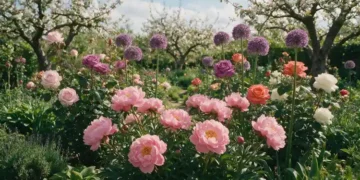
1. Don’t plant one at a time; plant in groups.
Butterflies like groups of colours better.
Try a group of five or seven coneflowers instead of just one.
2. Try to keep blooming all the time
Butterflies need nectar from the beginning of spring to the end of autumn.
Mix early, mid-season, and late bloomers so that there is always something to eat.
3. Think about how tall you are.
A garden with layers is both pretty and useful.
Sunflowers and Joe Pye Weed are tall plants in the back.
In the middle, there are medium-sized plants like coneflowers and zinnias.
In front, there are short plants like marigolds and verbena.
This makes a natural flow that both butterflies and people like.
4. Put in sunning stones
A few flat rocks give butterflies a place to get warm.
Bonus: they make nice stepping stones for working in the garden.
5. Keep it close to where you’ll enjoy it.
Put your butterfly garden where you can see it often:
– Outside the window of the kitchen
– Close to a patio
– Along a path
It’s always better to be able to see a garden.
Step 5: Putting in the plants for your butterfly garden
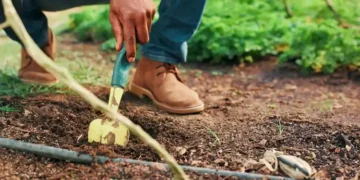
Let’s get our hands dirty, okay?
When to plant
The best times are:
– Spring
– Autumn
But you can add many annuals at any time during the warm season.
Preparing the soil
Your plants are picky, but butterflies aren’t.
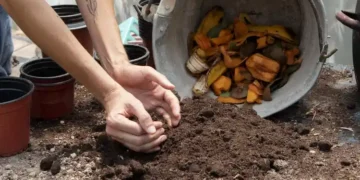
Dig up the dirt 6 to 8 inches deep.
If the soil is bad, add compost.
Make sure there is drainage (they don’t like wet roots).
Tips for planting
Arrange plants based on how big they will get
After planting, water deeply.
Lightly mulch around plants, but not too close to the stems.
Mulch keeps moisture in, stops weeds from growing, and keeps the temperature of the soil stable.
Don’t forget about your caterpillar plants.
If you don’t want chewed leaves in your main garden, put host plants in a separate “nursery zone.” Just make sure they are close by.
Step 6: Take care of your garden in a way that is good for butterflies.
There are a few important rules to follow when taking care of a butterfly garden, but it’s easier than taking care of many other types of flower beds.
1. Don’t use any pesticides at all.
This point needs to be in bold letters because it is so important:
Even insecticides that are “organic” kill butterflies and caterpillars.
Don’t use:
– Oil from neem
– Pyrethrin
– Soap sprays
– Broad-spectrum formulas
A butterfly garden is a place where insects should thrive.
2. Use water wisely
Butterflies like the sun, and flowers that like the sun need regular water.
– Water in the morning
– Water at the bottom of the plant
– Try not to get leaves wet when you can.
– Deep watering helps roots grow strong.
3. Deadhead to keep flowers blooming
Taking off old blooms makes plants like zinnias, coneflowers, and verbena bloom again.
More flowers mean more butterflies, which means more happiness.
4. Make your garden a little wild.
A garden that is neat, clipped, and perfect isn’t always the best for butterflies.
Caterpillars and pupae like to hide in:
– Stems that are dry
– Old seed heads
– Litter from leaves
In the autumn and winter, let part of your garden stay a little wild.
5. Change out annuals and give perennials a new look.
Lantana and zinnias, which butterflies love, bloom their hearts out but may need to be replaced halfway through the season.
Every two to three years, you may need to divide perennials to keep them healthy.
Step 7: Pick Plants That Will Attract the Butterflies You Want
Butterflies like different things. Here’s a helpful guide to making the butterflies on your wish list.
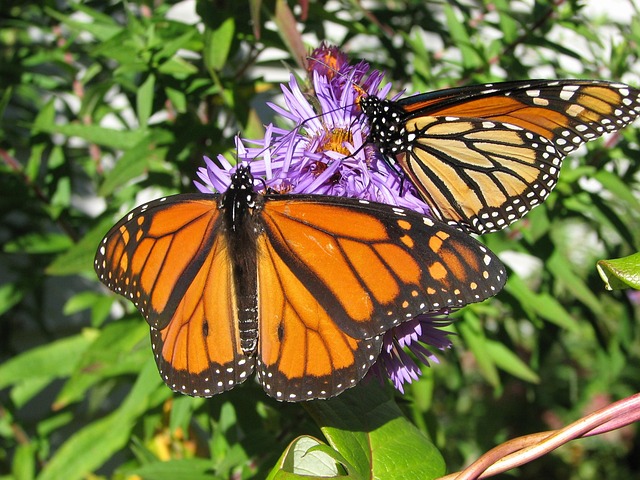
To get Monarchs to come:
There are three types of milkweed: common, swamp, and butterfly weed. These are good for eggs and caterpillars.
Joe Pye Weed, Liatris, zinnias, and goldenrod are all nectar plants.
To get Swallowtails to come
Dill, fennel, parsley, and rue are host plants.
Plants that make nectar are coneflower, phlox, and lantana.
To draw in Painted Ladies
Thistle, hollyhock, and mallows are host plants.
Aster, zinnias, and cosmos are nectar plants.
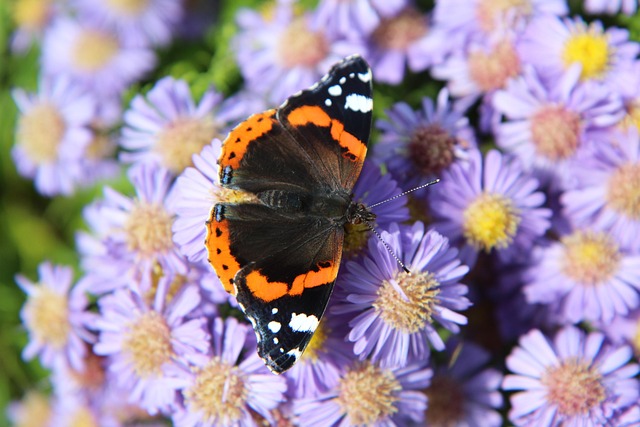
To get Red Admirals to come
Nettles are the host plants.
Plants that make nectar include milkweed, asters, and black-eyed Susans.
To get Gulf Fritillaries to come
The host plant is the passionflower vine.
Pentas, lantana, and zinnias are nectar plants.
Step 8: Add Unique Butterfly Features
Do you want your butterfly garden to go from nice to absolutely irresistible?
Think about adding:
1. A feeder for butterflies
You can either buy one or make one.
Fill with:
– Water with sugar (4:1 ratio)
– Fruit that is too ripe (butterflies love bananas)
Just refresh it often so it doesn’t go bad.
2. A Place for Butterflies to Relax
A flat stone in the sun warms up quickly and makes people want to get up and move in the morning.
3. A Windbreak
Butterflies love to hang out in a hedgerow or trellis with climbing flowers.
4. A Special Caterpillar Corner
Put a bunch of host plants together where you won’t mind the chew marks. Believe me, this makes gardening less stressful.
Step 9: Things You Shouldn’t Do (So You Don’t Mess Up Your Garden)
Let’s skip over the mistakes beginners make.
Mistake 1: Only planting flowers that make nectar
Keep in mind that without host plants, there will be no caterpillars or butterflies.
Mistake 2: Putting pesticides close by
Drift happens, no matter how careful you are. Your butterfly garden should be free of chemicals.
Mistake 3: Giving too much fertiliser
Too much nitrogen can make flowers make less nectar.
Most of the time, compost is enough.
Mistake 4: Not remembering when the flowers bloom in the spring
A spring feast is great, but don’t forget about the flowers that bloom in the summer and autumn.
Mistake 5: Getting milkweed that isn’t native
Don’t plant tropical milkweed (Asclepias curassavica) in most places because it messes up the migration patterns of monarchs.
Mistake 6: Wanting butterflies right away
It takes time.
But when the first visitor comes, you will shine like a sunflower.
Step 10: Have fun with the magic
After a season or two, when your butterfly garden is well-established, something amazing happens.
While you’re going about your day with your gardening gloves on, you’ll suddenly see something moving out of the corner of your eye. A quick flash of orange. A quick, gentle dip through the coneflowers. And then one more.
That moment never gets old.
Planting flowers is just one part of butterfly gardening. It’s making a home. It’s taking part in a small but important effort to protect the environment. And it’s growing beauty—not just in your yard, but also in how you feel connected to nature.
A butterfly garden is a reminder that nature will respond when we give it room. Even small gardens can help.
A Simple Plan for a Butterfly Garden
If you want an idea that works right away, here’s a tried-and-true design for a small to medium-sized room:
Plants
– Three bunches of coneflower
– Three lantana or verbena
– 3 milkweed (butterfly weed)
– 5 zinnias
– 2 Joe Pye Weed (to make it taller)
– 1 parsley and 1 fennel (for swallowtail caterpillars)
Characteristics
– 1 dish for puddling
– 1 flat stone for sunbathing
– One small shrub or grass for shelter
Arrangement
There are tall plants in the back, host plants on one side, and annuals in groups towards the front.
Boom. Butterfly magnet right away.
Common Questions about Butterfly Gardening
How long does it take for butterflies to get to my garden?
It might take butterflies a while to find your butterfly garden. It usually takes a few weeks to a few months, depending on the plants you choose and how many butterflies are already in your area.
Is it possible to have a butterfly garden in a small area?
Of course! Container gardens full of plants that attract butterflies can turn even small patios or balconies into butterfly havens.
Are butterflies safe from animals that eat them in my garden?
Some predation is normal, but giving animals a lot of plant cover and things to see can help lower the rates of predation. Butterflies and their caterpillars will be able to hide in a garden with a variety of heights and densities.
Last Thoughts
One of the best things you can do in your garden is make a butterfly garden. It takes very little work but makes things look amazing. You’re not just planting flowers—you’re building an ecosystem, supporting pollinators, and giving nature a place to breathe.
Butterflies will reward you with bursts of color, peaceful movement, and a sense of wonder every time you’re outside. And honestly? The world could use more little pockets of wonder.
So choose a sunny spot, pick a few of your favorite blooms, and start building your butterfly haven. Your garden—and the butterflies—will thank you.