Speaking of gardening and landscaping, a popular trend is using native plants, and for good reason. By planting species that are well-known to the area, you can not only make your outdoor space beautiful, but also contribute to the health of the environment.
Compared to non-native plants, native planting saves water, cuts down the need for fertiliser and pesticides, and serves as a home for local species.
Our article will discuss the benefits, show how to weave native plants into your landscape plan and correct some common misunderstandings.
The Benefits of Native Planting
Native plants are those that have evolved over thousands of years to be a natural part of an area, and have grown strong in relation to the unique local climate.
The following are some of the main advantages of adding native plants to your outdoor areas:
1. Water Conservation
They can be less thirsty than other types of plants, this is because they have extensive root systems that allow them to dig deep into the soil and find water, when planting native species.
Coming from regions that are often hit by drought, knowing this can be especially helpful.
It enables you to lower your water usage, and subsequently, your water bills.
2. Low Maintenance
Concerning planting, native plants are the way to go, and they don’t need much looking after.
They’ve been living in the area for years, so they’re perfectly adapted to the local climate and soil.
Coming from a different part of the world, non-native plants are less able to fend off pests and diseases and need more maintenance to stay healthy. Lots of money and time spent on pesticides and fertilizers, not to mention the work itself.
3. Wildlife Habitat
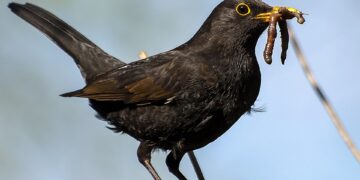
Native plants provide food and shelter for local wildlife, including birds, butterflies, and pollinators. By creating a habitat for these beneficial creatures, you can support biodiversity and help maintain a healthy ecosystem in your community.
How to Incorporate Native Plants into Your Landscape Design
Integrating native plants into your landscape design is a rewarding and environmentally friendly way to enhance your outdoor spaces.
Here are some tips for incorporating native plants into your garden or yard:
1. Research Local Native Species
A native species is always a great choice, when planting in your garden.
A visit to the local nursery, botanical garden or conservation society is an excellent way to find out what plants are really doing well in your area and which won’t cut it.
View the U.S. Forest Service Guide to Native Planting >
2. Design with Native Plants in Mind
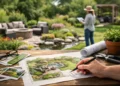
Take into account the site’s natural characteristics, when designing your landscape.Sun exposure, soil type and drainage and pair them up with native plants, which have an easier time growing in these conditions, and will stick around for years to come.
3. Create Habitat Zones
When planning your landscape design, consider the natural conditions of your site, such as sun exposure, soil type, and drainage
To really get the most out of your wildlife garden, try to include flowering plants to feed the pollinators, grasses for the birds and small mammals to gather, and shrubs to provide cover and protection.
Common Misconceptions about Native Plants
Despite their many benefits, native plants are often misunderstood or overlooked in favor of non-native species.
Here are some common misconceptions about native plants and why they may not be true:
With respect to plants, native ones are often given a bad rep.
Coming from a place of misconception, people think that native plants are invasive and weedy. But this isn’t always the case, lots of them can be perfectly well-behaved and are, in fact, stunning.
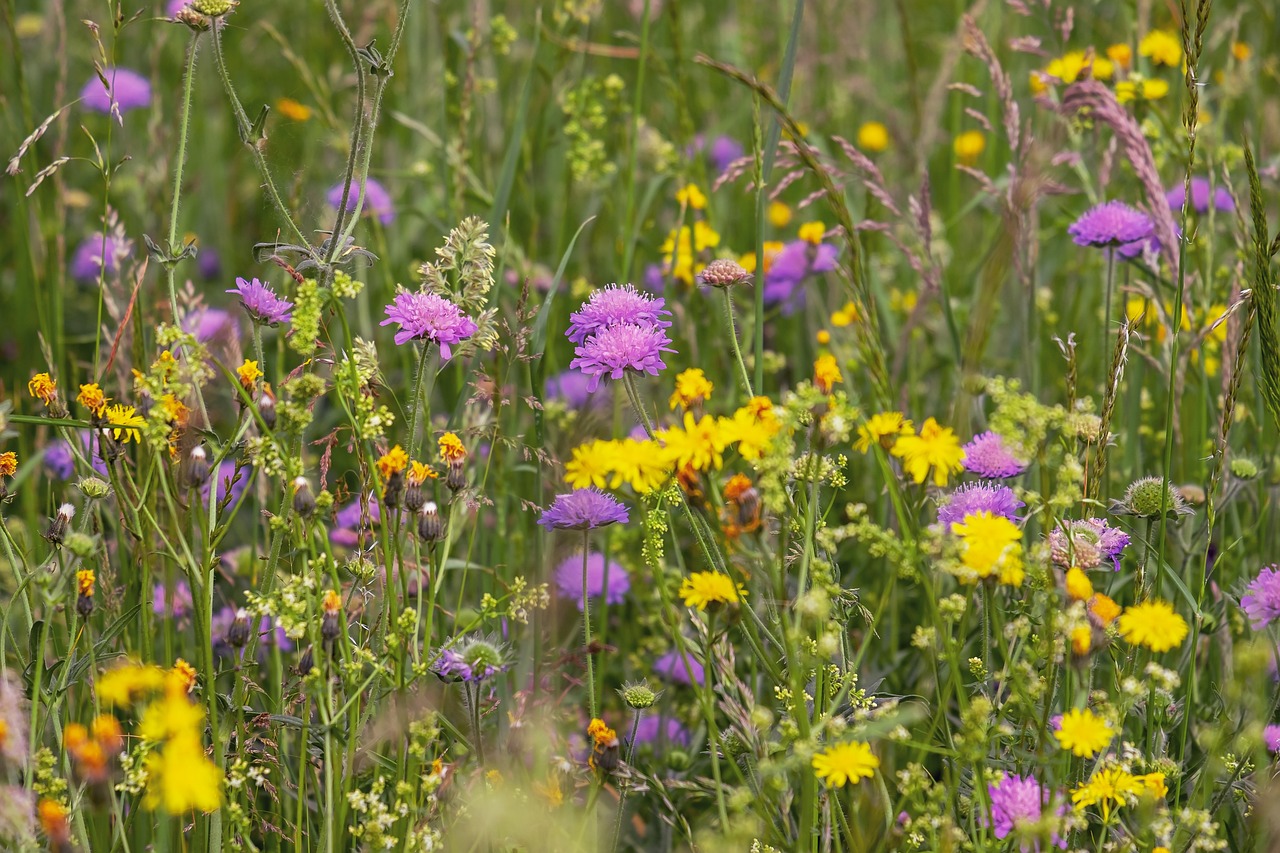
Some people also think that native plants are dull and boring, which couldn’t be further from the truth, as they come in all sorts of vibrant colors, shapes and sizes, offering a beautiful and pleasing aspect to the garden.
Another myth is that native plants are difficult to find, but the popularity of them has made them much more readily available from local nurseries and suppliers, and many conservation groups also host plant sales and swaps to help you get the plants you need.
Summary
With respect to creating a sustainable and environmentally friendly garden, incorporating native plants is one of the best things you can do.
By choosing plants that are native to your area, you can conserve water, reduce maintenance and create a beautiful and vibrant outdoor space, as well as help local wildlife. With a little research and planning you’ll be able to harness the potential of native planting.
So why not give native plants a go in your next gardening project.
You’ll be amazed at the positive impact they have on your garden space and the planet.