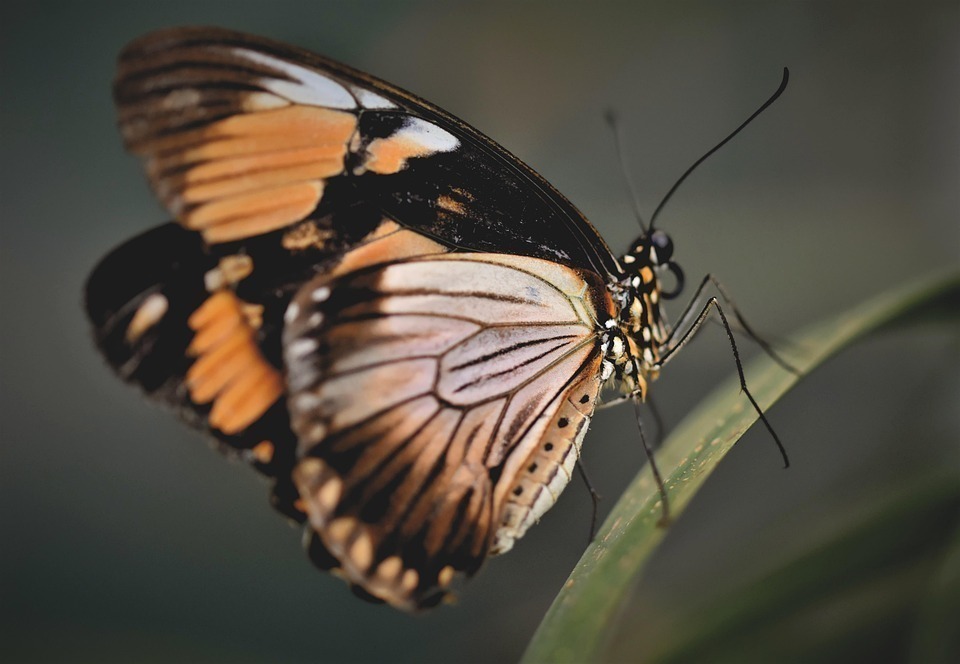
It is an enchanted thing to watch butterflies drift through the garden on a warm afternoon. Their delicate wings, gentle movements and dazzling colours instantly bring a sense of life and tranquillity to any outdoor space.
Even better, making a butterfly-friendly garden is one of the easiest and most rewarding ways to support local wildlife, all while making your garden more beautiful than ever.
Whether you have a large country plot, a suburban garden or even a compact courtyard, you can transform your outdoor space into a thriving butterfly haven with a little thought to planting choices and habitat features.
Butterflies are not only delightful visitors, but they are also important pollinators that help support healthy ecosystems and productive gardens.
In this guide we will learn how to build a garden naturally attract butterflies, what plants they love best, and how to create a welcoming environment they will return to year after year.
See also: Whispers of Color: Creating Your Enchanting Butterfly Garden

Why Butterflies are Important
Butterflies are much more than just visitors to our gardens. They play a valuable role in pollination and are considered excellent indicators of environmental health. A garden full of butterflies is often a good sign that your outdoor space is full of biodiversity and free from harmful chemicals.
Sadly, in many places butterfly populations are declining due to habitat loss, pesticide use, and climate change. Planting a butterfly friendly garden will provide vital food, shelter and breeding grounds for these beautiful insects.
And the benefits go beyond wildlife. Colorful, lively and wonderfully relaxing, butterfly gardens invite you to slow down and enjoy nature.
Knowing What Butterflies Require
To create a true butterfly paradise you need to understand a little about the butterfly life cycle and what they need at each stage.
Butterflies need 4 key ingredients:
- Flowers rich in nectar for feeding
- Host plants for oviposition
- Warmth and a shelter
- Water and safe places to sleep
Many gardeners focus on flowers alone but butterflies need much more than nectar alone. Caterpillars need specific plants to eat, and adult butterflies need sunny areas to bask and protected corners to avoid strong wind.
A good butterfly garden caters to all stages of life, from egg to caterpillar to chrysalis to adult butterfly.
Choose Flowers Rich in Nectar
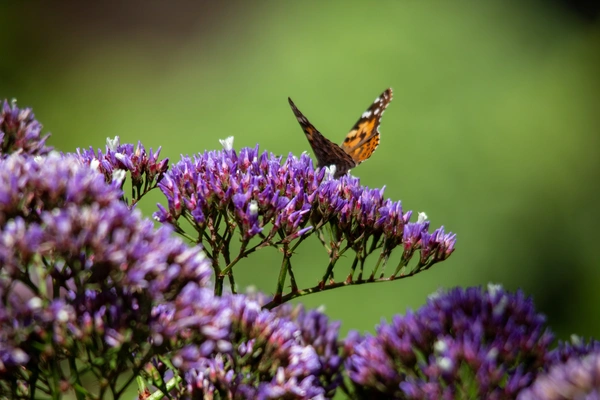
Plant flowers full of nectar. This is the easiest way to attract butterflies. Bright colors such as purple, pink, red, orange and yellow are especially attractive to butterflies.
Choose a variety of plants flowering at different times of the year so you have something available from spring right through to autumn.
Some great butterfly-friendly flowers include:
Buddleia (the butterfly bush, as it’s often called)
Lavender
Verbena bonariensis
Echinacea
Sedum (stonecrop)
Marjoram
Scabious Cosmos
Aster Coreopsis
Planting flowers in groups rather than individually makes it easier for butterflies to spot them from afar. Masses of color are much more welcoming than scattered blooms.
Scented flowers are especially appealing as well, particularly if they have flat or clustered flower heads that are easy to land on.
Include Caterpillar Host Plants
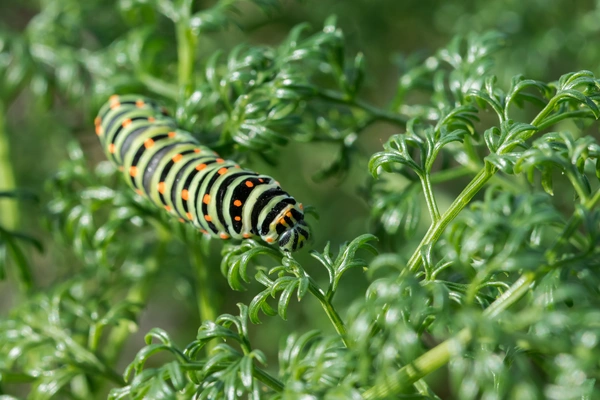
If you want butterflies to thrive in your garden, you have to invite the caterpillars, too.
Many species of butterflies only lay their eggs on very specific plants, because their caterpillars need them to eat. Butterflies may visit your garden briefly, but without host plants they won’t stay to breed.
Important caterpillar host plants include:
Nettles for Peacock, Comma and Small Tortoiseshell butterflies
Holly and ivy for holly blue butterflies
Grasses for meadow brown butterflies
Cabbages and Nasturtiums for Cabbage Whites
Knowing that you’re allowing plants to be eaten can be a strange thing, but remember, caterpillars are part of the process. A few nibbled leaves are cheap for the price of a garden teeming with butterflies.
If you don’t want nettles everywhere, make a little hidden corner of the garden just for wildlife plants.
Make sunny resting places
Butterflies are cold-blooded and need the sun’s warmth to get them active. Butterflies are much more attracted to a garden in sun than to one heavily shaded.
Basking sites include flat stones, garden walls, fences, and heat-absorbing pathways. Butterflies sit with their wings held out, warming themselves up before they take off again.
Design sunny, wind-sheltered areas safe from strong winds. Butterflies dislike fighting gusty conditions and like to be in calm places where they can feed and rest comfortably.
Even a small, sunny patio filled with nectar-rich containers can attract butterflies.
Water the Natural Way
Butterflies need water, but they don’t drink from deep birdbaths or ponds like the birds do. They prefer shallow puddles or damp patches where they can sip up moisture and absorb minerals from the soil.
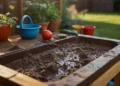
To make a butterfly watering station easily, place a shallow dish filled with sand and keep it lightly moist. Butterflies like to use a few flat stones as a safe place to land as they drink water.
This behaviour, often called ‘puddling’, is especially common in male butterflies.
Avoid chlorinated water where possible, and change damp areas regularly in hot weather.
Avoid Chemicals and Pesticides
One of the most important steps you can take in creating a butterfly paradise is to reduce or eliminate pesticide use.
Many common garden chemicals kill butterflies outright or kill the insects and plants they need. Products labelled as safe can still have adverse effects on caterpillars and pollinators.
Do not use chemicals. Go for a more natural style of gardening:
Promote beneficial insects
Pick off pests by hand where possible
Take a little imperfection
Grow diverse plantings that balance out naturally
A wildlife friendly garden isn’t about perfection – it’s about creating a healthy ecosystem.
The more balanced your garden, the less serious pest problems you will probably have.
Plant for Continuous Colour
Because butterflies are active for much of the growing season, you want to have flowers available over several months.
The butterflies emerge from their winter hibernation and require early spring nectar sources, while the late autumn flowers give the butterflies a chance to stock up energy before the cold weather.
Here is a simple approach to planting by the seasons:
Spring
- Primroses
- Aubrieta
- Forget-me-nots
- Wallflowers
Summer
- Lavender
- Echinacea
- Verbena
- Buddleia
Autumn
- Sedum
- Asters
- Michaelmas daisies
- Late-flowering herbs
You’ll see butterflies returning regularly and your garden will be colourful for months with a long flowering season.
Add Height and Layers
Butterflies like gardens that feel natural and have a varied structure. Layered planting provides shelter, sources of food and visual interest.
Try mixing:
- Taller shrubs
- Mid-height perennials
- Low-growing flowers
- Ornamental grasses
- Climbers
The layering also helps to create microclimates, small pockets of warmth and shelter that the butterflies can use during the day.
Wildlife gardens often feel more relaxed and softer than formal spaces but that natural abundance is just what butterflies love.
Keep a Little Wildness
A garden kept perfectly tidy is seldom the best habitat for wildlife.
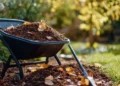
Allowing a few parts to go a little wild provides important refuge for butterflies and other beneficial insects. Tall grass, leaf piles, seed heads, thick planting all offer safe hiding places.
You don’t have to let the whole garden go to seed. Even a tiny wild corner can make a huge difference.
Try:
- Allowing grass to grow longer in one area
- Leaving seed heads through winter
- Avoiding excessive autumn tidying
- Keeping a small log pile or leaf heap
Attracting Butterflies to a Container Garden
No garden? Sure thing.
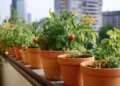
Butterflies will come to balconies, patios and even tiny urban spaces, even in a container.
Choose pots with nectar rich flowers such as:
- Lavender Cosmos
- Verbina
- Marjoram Salvia
Build layers with containers of different heights and site them in sunny, sheltered spots whenever possible.
And even a few strategically placed pots can turn into a feeding station for butterflies passing through urban environments.
Welcome Other Pollinators
The beauty of butterfly gardening is that you are helping a huge range of wildlife, not just the butterflies.
Most bee-friendly flowers also attract butterflies, and birds benefit from increased insect life and seed production. A butterfly paradise soon becomes a larger wildlife haven bustling with activity.
You might see:
- Bees
- Hoverflies
- Ladybirds
- Dragonflies
- Songbirds
- Hedgehogs
Every little improvement helps build a healthier garden ecosystem.
Top Shrubs for Attracting Butterflies
Whilst flowers usually get the most attention, shrubs also can be very important for butterflies.
Excellent options are:
- Buddleia
- Hebe
- Ceanothus
- Escallonia
- Lilac
Shrubbery offers shelter from wind and rain, and reliable sources of nectar.
If there is room in the area, add a flowering shrub to the center of your butterfly garden.
A Garden Alive with Movement and Life
One of the pleasures of a butterfly garden is the movement it gives you. Unlike flower beds, which are static, butterfly-friendly spaces shift and change with the seasons.
You may spot butterflies, basking in the morning sun, fluttering from flower to flower during the afternoon or sitting quietly in sheltered nooks in the evening.
Kids in particular enjoy butterfly gardens because they provide limitless opportunities for discovery and learning. One of nature’s most fascinating processes is watching caterpillars transform into butterflies.
Here is a butterfly paradise that invites us to slow down, observe and reconnect with the natural world.
Begin Small, Grow Big
You don’t have to turn your whole garden around overnight.
Reduce pesticide use. Create one sunny wildlife corner. Grow a few nectar-rich flowers. As butterflies discover your garden, you may increase your plantings and add more habitat features in time.
Nature responds often surprisingly quickly. Even small changes can bring butterflies within a season.
Gardening for wildlife is not about creating a perfect-looking show garden that is perfect every day. It’s about creating a living, breathing environment that nurtures beauty, biodiversity and balance.
And when butterflies come, your garden will never look quite the same again.
Summary
One of the most rewarding ways to garden is to create a butterfly haven. It combines colour, fragrance, movement and wildlife into a space that feels vibrant and alive throughout the year.
You can transform almost any outdoor space into a sanctuary for butterflies by planting nectar-rich flowers, providing host plants, avoiding chemicals, and letting a bit of wildness creep in.
Whether you have a big garden or just a few pots on your patio, every butterfly-friendly plant contributes to helping these beautiful pollinators and the wider ecosystem around them.
So plant plenty, garden gently and enjoy the wonderful sight of butterflies dancing through your garden all summer long.
FAQs
1. What flowers are preferred by butterflies?
Butterflies like flowers that are rich in nectar, particularly bright-colored ones such as purple, pink, orange, yellow and red.
Some of the best plants are lavender, buddleia, verbena, echinacea, sedum and marjoram. Plant flowers in large groups so they are easier for the butterflies to find.
2. Do butterflies like sun or shade?
Butterflies love the sunny garden. They are cold blooded insects and need the warmth of the sun to be active.
Generally a garden with sheltered sunny spots, flat stones and warm walls will attract more butterflies than a heavily shaded area.
3. How can I attract butterflies without chemicals?
The best way to garden is organic way. Avoid pesticides and weedkillers and plant a wide variety of nectar rich flowers and include native plants where possible. Leaving part of the garden a little wild also provides useful shelter and breeding habitat for butterflies.
4. Why are my butterflies not visiting my garden?
There are a few possible reasons:
Lack of nectar-rich flowers
Too much shade
Heavy use of pesticides nearby
No cover from the wind
No caterpillar food plants
And butterflies need to take time to find new gardens so patience is important.
5. What do caterpillars feed on?
Host plants are plants on which butterflies lay their eggs so that the caterpillars can eat when they hatch. For example nettles support peacock and small tortoiseshell butterflies; cabbages attract cabbage whites. Host plants are essential for butterflies to complete their life cycle.
6. Do butterflies require water?
Yes, butterflies do require shallow water sources. They like moist sand, shallow puddles or damp soil rather than deep water features. A simple shallow dish filled with moist sand and stones makes a great butterfly watering station.
7. Can I encourage butterflies to a small garden or balcony?
Sure. If you have just a few pots of butterfly-friendly flowers such as lavender, cosmos, salvia or verbena, the butterflies will be attracted. Sunny balconies and patios can become important feeding areas, especially in cities.
8. What colours are most attractive to butterflies?
Butterflies are especially attracted to:
Red Orange Yellow Purple Pink
They also prefer flat-topped or clustered flowers that offer easy landing sites.
9. Should I leave a bit of my garden wild?
Yeah. Butterflies love long grass, piles of leaves, seed heads, dense planting and untidy areas. Wild corners provide cover, overwintering sites and breeding habitat for butterflies and other pollinators.
10. What time of day are butterflies most active?
Butterflies are most active during spring and early fall, especially on warm, sunny days. Some species bloom at different times, so planting flowers that bloom through different seasons provides food all year.