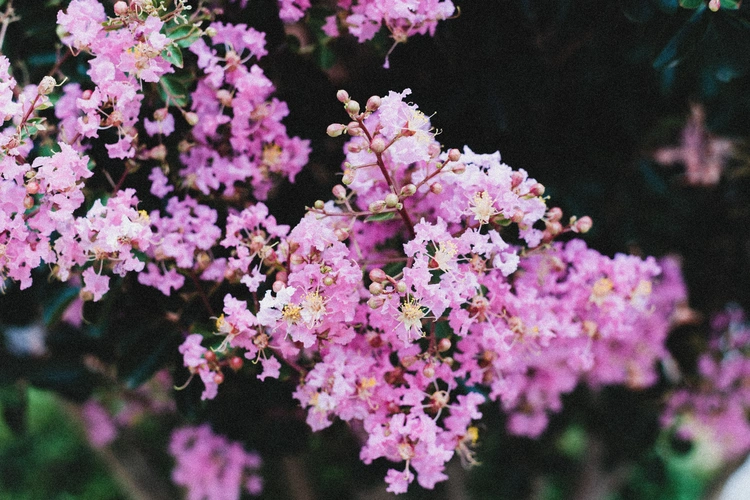
Few flowering trees and shrubs can provide as much colour, character and enduring beauty as Lagerstroemia, commonly known as Crape Myrtle. With its stunning summer flowers, beautiful bark, colourful autumn foliage and low-maintenance credentials this versatile plant has become a gardener’s favourite across the world.
Lagerstroemia provides a fantastic array of choices, whether you wish to establish a dramatic focal point, inject seasonal interest into a border or add vibrant colour to a patio garden.
This complete guide will help you successfully grow, care for and enjoy these beautiful plants, year after year.
Why select Lagerstroemia?
It is no wonder that Lagerstroemia is often called the “queen of summer-flowering trees”. While many garden plants fade in the hottest months, the Crape Myrtle thrives, producing lavish clusters of flowers from midsummer into early fall.
These blooms come in shades of pink, purple, red, white and lavender and put on a dramatic display when many other shrubs are done flowering. Lagerstroemia adds interest beyond the flowers, with peeling ornamental bark, glossy foliage and brilliant fall color that can be enjoyed all year long.
Gardeners also like its adaptability. Lagerstroemia can be cultivated as a compact shrub, a small ornamental tree, or even in large containers, depending on the variety.
Types of Lagerstroemia (Crape Myrtle) | Know About Them
It is helpful to know the possible sizes before planting.
Dwarf Varieties
Dwarf Crape Myrtles grow to between 60cm and 1.5 metres high. These are compact plants perfect for containers, patios, small gardens and border edges.
Popular dwarf varieties are:
– Pocomoke
– Chickasaw
– Cherry Dazzle
Medium-sized Shrubs
Medium varieties reach 2-4m tall and are useful for mixed borders, informal hedges and specimen planting.
For example:
– Catawba
– Tonto
– Pink Velour
Tree-Form Types
Larger cultivars can grow to 5 to 9 metres in height and make impressive ornamental trees suitable for lawns, driveways and larger landscapes.
Common types of trees are:
– Natchez
– Muscogee
– Tuscarora
You’ll need to select the right size for your space as mature plants can become large features in the garden.
Selecting the Best Planting Location for Crape Myrtle
The right location is one of the most important factors in growing healthy Lagerstroemia.
Light Requirements
Crape Myrtle needs full sun, that is six to eight hours of direct sunlight each day.
Lack of sunlight can often lead to:
– Lower flowering
– Slower growth –
– More likely to get sick
– Bad autumn colour
For the best flower displays, pick the sunniest spot you can find.
Soil Condition
Lagerstroemia likes:
– Soil that drains well
– pH slightly acidic to neutral
– Moderate fertility
These plants will tolerate a wide range of soils but don’t like constantly wet or waterlogged conditions. Poor drainage can cause root problems and lack of vigour.
If you have heavy clay soil, add organic matter such as compost or well rotted manure before planting to improve drainage.
Air Flow Circulation
A good air circulation around the plant reduces the chance of fungal diseases and promotes better growth. Plant space Allow for mature size and avoid overcrowding.
Lagerstroemia planting guide
A proper planting is the best possible start for your Crape Myrtle.
When to Plant:
The best times for planting are:
– Spring
– Fall
The seasons are to allow roots to establish themselves before they are hit with temperature extremes.
How to Plant
- Make a hole about the same depth and twice the width of the root ball.
- Loosen all the dirt around thoroughly.
- Carefully remove the plant from its container.
- Work gently at circular roots.
- The root ball should be level with the surrounding soil.
- Fill in with earth and tap lightly.
- Water well after planting.
- Spread a layer of mulch around the base (but not touching the tree trunk).
The depth at which you plant is very important. Planting too deep can lead to poor growth and disease risk.
Watering for good growth
Once established, Lagerstroemia is quite drought tolerant but regular watering is important for the first few years.
New plantings
Water deeply
Twice to three times per week in dry weather
More frequent in protracted heat waves
Deep watering encourages roots to grow down rather than stay close to the soil surface.
Present plants
Once established, Crape Myrtle usually needs little supplemental watering. Occasional deep watering during long dry spells will help keep the plant flowering profusely and healthy.
Don’t water often and shallowly, that encourages weak root systems.
Feeding and Fertilisation
Lagerstroemia does not need a lot of fertilizer, but a balanced fertilizer encourages stronger growth and more blooms.
Spring Feeding
In spring, when new growth appears, apply a slow release fertiliser.
Look for products designed for flowering shrubs and trees. Too much nitrogen results in too many leaves and not enough flowers.
Organic Options
Many gardeners prefer to feed their plants with organic methods such as:
– Composting
– Matured manure
– Organic granular fertilizers
– Seaweed products
These options improve soil health and provide a steady supply of nutrients.
Benefits of Mulching
There are many benefits of mulching.
Learn more Mastering Mulching: Elevating Your Home Garden >
A 5 to 8 cm thick mulch layer helps:
– Keep the moisture
– Weed management
– Moderate soil tempatures
– Enhance soil structure in time
Correct mulch materials are:
– Bark chips.
– Leaf mold
– Compost
– Wood chips
Keep mulch back a few centimeters from trunks and stems to avoid moisture problems.
Correct Pruning Of Crape Myrtle
One of the most misunderstood parts of Crape Myrtle care is pruning.
Avoid “Crape Murdering”
Many gardeners fall into the trap of “Crape Murder” where they cut the branches back severely each year.
Learn more Mastering the Art of Pruning >
The over-pruning often leads to:
– Weak sprouts.
– Fragile structure
– Ugly growth
– Greater maintenance
Luckily, Lagerstroemia needs only light pruning.
When best to prune
In general, the best time to prune is very early spring or late winter, before new growth begins.
What to Remove
Focus on removal of:
– Dead limbs
– Wood damage
– Crossing branches
– Weak growth
– Suckers at the bottom.
Basically I want to maintain the natural shape of the plant, but improve airflow and structure.
Encouraging More Blooms
One of the greatest joys of growing Lagerstroemia is months of colorful blooms.
For best results with flowering:
Provide full sun
Adequate sunlight remains the single most important factor.
Don’t Overfeed the Nitrogen
Excess nitrogen leads to more foliage and fewer flowers.
Water in Dry Weather
Drought stress can decrease bloom production.
Deadhead When Applicable
In some varieties and climates, removing spent flower clusters can stimulate more flowering.
You don’t always need to deadhead but it does help prolong the display.
Common Crape Myrtle Problems and Their Solutions
Lagerstroemia is normally tough but there can be the odd problem.
Powdery Mildew
This fungal disease forms a white, powdery coating on the surface of leaves.
Prevention entails:
- Providing full sun
- Improving airflow
- Avoiding overhead watering
Many modern cultivars have good mildew resistance.
Aphids
Occasionally these little sap sucking insects collect on young growth.
Control methods:
- Strong sprays of water
- Encouraging beneficial insects
- Insecticidal soap as needed
Soot Mould
Sooty mould, which is often associated with aphid activity, develops on sugary deposits left by insects.
If you can get rid of the insects then the mould usually disappears.
Spots on Leaves
Fungal leaf spot diseases may occasionally occur in humid conditions.
Good garden hygiene and adequate spacing help to keep outbreaks down.
Container Growing of Lagerstroemia
Not everyone has room for a large flowering tree, but many dwarf and compact varieties are well-suited for containers.
Selecting a vessel
Choose a pot that has:
– Plenty of drainage holes
– Enough depth
– Quality potting mix
Larger containers tend to give healthier plants and require less watering.
Care in a container
Lagerstroemia in a pot may need:
– Watering more frequently
– Annual feeding
– Infrequent repotting
Container grown plants can make spectacular focal points for patios, terraces and balconies.
Year-Round Seasonal Interest
While flowers get the most attention, there’s beauty in every season for Lagerstroemia.
Springtime
As the temperatures go up, new green foliage appears.
Summer
The garden is dominated by masses of colourful flower clusters.
Fall
Leaves often turn brilliant colors of orange, red, yellow and burgundy.
Winter
The peeling bark reveals attractive patterns and colours from cream and cinnamon to grey and brown.
Its performance over several seasons makes Lagerstroemia a wise landscape investment for the long term.
Landscape Design Ideas
Lagerstroemia is gorgeous in many styles of gardens.
You might use it like this:
- A specimen tree on a lawn
- A focal point in a mixed border
- A flowering avenue along driveways
- A patio container feature
- An informal flowering hedge
- A courtyard accent plant
Mix with ornamental grasses, salvias, lavender, echinacea and other sun-loving perennials for stunning seasonal displays.
FAQs
1. How much sun does Lagerstroemia need?
Lagerstroemia thrives in full sun and should be given at least six to eight hours of direct sunlight daily. Not enough sun can result in less flowers, weaker growth and higher likelihood of disease.
2. How to grow Lagerstroemia in Containers?
Yes, lots of dwarf and compact varieties grow very well in containers. Use a good quality potting mix and choose a large pot with good drainage. Plants in containers may need to be watered and fed more frequently than those in the ground.
3. How often should I water my Crape Myrtle?
Newly planted Lagerstroemia should be watered deeply two to three times per week during dry periods. Once established the plant is fairly drought tolerant and generally only needs occasional deep watering during long hot or dry spells.
4. Why is my Lagerstroemia not blooming?
Poor flowering is most often due to lack of sunlight, excess nitrogen fertiliser, pruning too hard or drought stress. Many times, the secret to getting your plant to bloom profusely is plenty of sunshine.
5. Optimal time for pruning Lagerstroemia
Cut back in late winter or early spring, before the plant begins to grow. Remove any dead, damaged or crossing branches, while maintaining the natural shape of the plant.
6. What is “Crape Murder” and how should I avoid it?
“Crape Murder” is the brutal annual pruning of Crape Myrtle branches. This practice often results in weak and unsightly growth and can ruin the natural form of the plant. It is better to prune lightly and selectively.
7. Is Lagerstroemia frost tolerant?
Most Lagerstroemia varieties will stand some light frost once established, but young plants can be susceptible to severe cold. In colder areas, plant in a protected, sunny site, and cover with winter mulch for added protection.
8. What kind of soil does Lagerstroemia like?
Crape Myrtle likes well-drained soil with a slightly acidic to neutral pH. It tolerates a variety of soils but dislikes waterlogged conditions which can lead to root problems.
9. How long does the Lagerstroemia bloom?
One of the plant’s great attractions is its long flowering season. Depending on the variety and climate, flowers appear between mid-summer and early autumn and often last for several weeks or even months.
10. What are the most common pests and diseases?
Lagerstroemia are not generally high maintenance but can be prone to aphids, powdery mildew, leaf spot and sooty mould. Most problems can be minimized by full sun, good air circulation and proper watering practice.
Summary
Lagerstroemia is one of the most rewarding flowering plants to grow for a gardener. Its combination of bright summer flowers, attractive bark, colourful autumn leaves and relatively easy care make it an outstanding choice for gardens of all sizes.
Give them plenty of sunshine, well-drained soil, thoughtful watering and sensible pruning, and you’ll have healthy, vigorous plants that give spectacular displays for decades.
Whether grown as a compact patio shrub or an elegant ornamental tree, the Crape Myrtle has the power to transform outdoor spaces with colour, texture and year-round interest.
For gardeners looking for a reliable plant that provides beauty in every season, Lagerstroemia is still a classic favorite and a worthy addition to almost any landscape.