Introduction to Raised Bed Gardening
It can be scary to start a garden. You might have imagined rows of fresh vegetables, colorful flowers, or a peaceful green space right outside your door.
But when it comes time to actually get started, it can be hard to know what to do. What do you do first? What if the soil isn’t very good? What if you don’t have a lot of room? These are all common worries, but the good news is that there is a simple, useful way to get rid of the guesswork in gardening: raised bed gardening.
Raised beds are popular with both new and experienced gardeners, and for good reason. They make it easy to grow healthy plants without needing perfect soil or years of experience.
When you raise your growing area above the natural soil level, you instantly have more control over the quality of your soil, how well it drains, how it is laid out, and even how easy it is to keep your garden up on a daily basis.
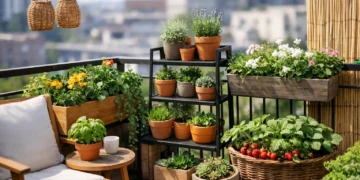
One of the best things about raised bed gardening is that you can change it to fit your needs. Raised beds can be made to fit any space, whether you have a big backyard, a small patch of lawn, or even a small outdoor space.
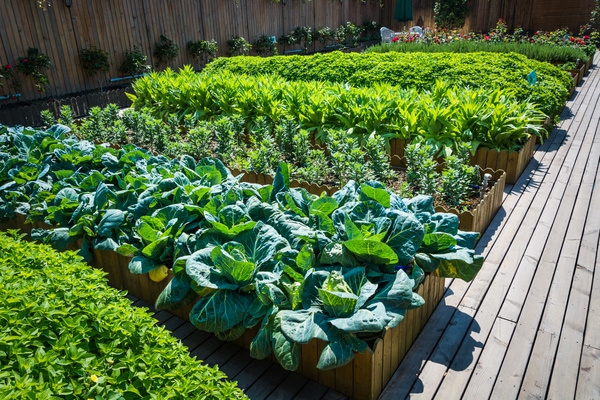
You can make them in different shapes, sizes, and heights, so they are great for anything from growing fresh herbs near your kitchen to growing a whole vegetable garden. They also give your outdoor space a sense of order and structure, making even a simple garden look like it was planned out well.
Raised beds are very useful in addition to looking good. You can start planting earlier in the spring because they warm up faster. They drain better after a lot of rain, which helps keep the roots from getting too wet.
And because you don’t step on the soil directly, it stays loose and healthy, which is great for strong root growth. Many gardeners also say that raised beds cut down on weeds and make daily tasks like watering, pruning, and harvesting much easier.
Raised beds can make a big difference if you’ve ever had trouble with bad soil, weeds that won’t go away, or the physical strain of bending down for long periods of time.
They literally bring the garden to you, which makes the whole experience more fun and easier to handle. And maybe most importantly, they make a space that is clear, contained, and feels possible. You don’t have to work on the whole garden at once. You can work on one bed at a time and build your confidence as you go.
This guide is meant to help you through the process step by step in a way that is easy to understand and realistic. You don’t need to be an expert or have expensive tools to make a raised bed garden. You can make a great growing space for yourself with a little planning, some simple materials, and a desire to get to work.
We’ll go over everything you need to know, from picking the right spot and materials to building your bed, filling it with the right soil, and planting your first plants. You will find useful advice, common mistakes to avoid, and suggestions to help you make the most of your space along the way.
A raised bed garden is a great place to start if you want to grow your own food, add more plants to your home, or just try something new. It’s a project that gives you instant satisfaction and long-term benefits. After you build your first bed, you might start planning the next one.
If you’re ready to get to work and make your garden ideas a reality, you’ve come to the right place. Let’s get going.
Why would you want a raised bed garden?
Before we get into how to do it, let’s talk about why raised beds are so popular.
Compared to traditional in-ground gardening, raised beds give you better control over the soil, better drainage, and fewer weeds. The soil is higher up, so it warms up faster in the spring, which means you have a longer growing season. You also avoid compacting the soil by walking on it, which is good for plant roots.
They are also very useful in many ways. You can change the size, shape, and height to fit your space and make you comfortable. And don’t forget that they look great. A well-made raised bed gives any garden structure and charm.
Advantages of Gardening in Raised Beds
Before we get into the DIY part, let’s look at all the great things about raised bed gardening:
- Better Drainage: Raised beds have great drainage, which keeps the soil from getting too wet and roots from rotting.
- Better soil quality: You can control the makeup of the soil completely, which makes it the best for your plants to grow.
- Less Weeds: Raised beds keep weeds from growing as much, which makes it easier to take care of them.
- Longer Growing Season: In the spring, the soil in raised beds warms up faster, and it stays warm longer into the fall.
- Accessibility: Gardening is easier on your back and knees, which is great for people who have trouble moving around.
- Look good: Raised beds can be beautiful landscaping features that give your garden structure and charm.
Step 1: Pick the Right Spot
In gardening, where you plant things is very important. Most flowers and vegetables need a lot of sunlight, at least 6 to 8 hours a day.
Think about the following when picking your spot:
Sunlight: Stay away from places that are shaded by trees, fences, or buildings.
Drainage: Don’t put your bed where water collects after it rains.
Accessibility: Make sure it’s easy for you to get to your bed to water, weed, and harvest.
Close to water: It will be easier and faster for you to get to a hose or water source.
Before you pick a spot, spend a day or two watching how the sun moves across your garden.
Step 2: Choose the Shape and Size
There are some general rules that make gardening easier, even though raised beds can be any shape or size.
Width: Make sure it is no wider than 1.2 meters (4 feet). This makes sure that you can get to the middle from either side without stepping on the bed.
Length: This can change. Most of the time, they are between 1.8 and 3 meters (6 to 10 feet) long.
Height: Most plants do well with a depth of 20 to 30 cm (8 to 12 in). You can go higher if you want to make it easier to get to or if you want to grow crops with deep roots.
The most common shape for beds is rectangular, but L-shaped, square, or even curved beds can look great in your space.
Step 3: Choose your Materials
The materials you choose will affect how long your raised bed lasts, how it looks, and how much it costs.
Common Choices
Wood
The most common option. It looks natural, is easy to use, and doesn’t cost much. If you can, look for types that don’t rot.
Metal
It looks modern and lasts a long time, but it can get hot quickly in the sun.
Brick or Stone
It looks good and lasts a long time, but it’s more expensive and takes more work to put in.
Materials that have been recycled
Reclaimed wood, old pallets, and other materials can be cheap, but make sure they are safe for growing food.
If you want to grow food, don’t use materials that have been treated with harmful chemicals.
Step 4: Get the tools and supplies you need.
Get everything you need before you start building:
Wood or chosen material
Nails or screws
Hammer or drill
Tape measure
Saw (if you’re cutting wood)
Level
Optional: cardboard or landscape fabric
Dirt and compost
Getting everything ready will make the process go more smoothly and be more fun.
Step 5: Get the ground ready
You don’t need perfect soil under your raised bed, but doing some prep work will help a lot.
Get rid of the weeds and grass in the area.
With a fork, loosen the soil a little bit.
Do your best to level the ground.
If you’re worried about weeds, put down cardboard or landscape fabric at the base. This stops unwanted growth while still letting water drain.
Step 6: Make the Frame
Now comes the fun part: making your raised bed.
Instructions for Making a Basic Wooden Frame
Cut your wood to the lengths you want.
Put the pieces on the ground in a rectangle shape.
Use screws or nails to connect the corners. Use corner posts or brackets to make it stronger.
Check to see if it is level and make any changes that are needed.
If your bed is long, you might want to add a support in the middle to keep the sides from bending out over time.
Don’t rush; a strong frame will last for years.
Step 7: Put the bed in the right place and make sure it stays there.
After you’ve built your frame:
Put it where you want it.
Make sure it’s level again.
Push it down hard into the ground.
You can drive stakes into the corners or along the sides to make it more stable.
Step 8: Fill up your raised bed
For plants to grow well, you need to fill your bed with the right mix.
A Simple Mix of Soil
A good rule of thumb is:
60% topsoil, 30% compost, and 10% organic matter, like well-rotted manure or leaf mold.
Before or during filling, mix everything well.
If your bed is deep, you can save money by putting organic materials like sticks, leaves, or grass clippings on the bottom before adding soil on top. This method also makes the soil better over time.
Step 9: Make a plan for planting
Think about what you want to grow and how much room each plant needs before you plant them.
Planning Tips
Put plants that need the same amount of water and sunlight together.
Put the taller plants in the back or in the middle if you can get to them from all sides.
Follow the spacing instructions on seed packets or plant labels.
Raised beds are great for intensive planting, which means putting plants closer together to get more food and keep weeds down.
Step 10: Plant your garden
Now the fun really starts.
You can begin with seeds or small plants (seedlings). Beginners often find seedlings easier because they are more forgiving.
Make small holes based on how far apart they need to be.
Put plants in the ground carefully.
Make the dirt around them firmer.
Give it a good soaking.
Don’t overcrowd—plants need space to grow and good air flow to stay healthy.
Step 11: Be Smart About Watering
Raised beds dry out faster than gardens in the ground, so it’s important to water them regularly.
Instead of watering often, water deeply.
Focus on the soil, not the leaves.
The best time to water is in the morning.
Adding mulch, such as straw, wood chips, or compost, helps keep moisture in and keeps it from evaporating.
Step 12: Take care of your raised bed
Your garden will do well if you take care of it every now and then.
Tasks that keep going:
Weeding: is much easier in raised beds, but it’s still necessary.
Feeding: Throughout the season, add compost or organic fertilizer.
Pruning: means cutting off dead or too many branches.
Monitoring: Keep an eye out for pests or diseases and deal with them right away.
Just a few minutes in your garden every day can make a big difference.
Things You Shouldn’t Do When Making a Raised Bed Garden
If you miss a few details, even simple projects can go wrong.
Here are some things to watch out for:
- Picking a shady spot: Most plants won’t do well without enough sunlight.
- Making the bed too wide: It gets hard to clean if you can’t reach the middle.
- Using bad soil: The soil your plants grow in is what makes them grow.
- Too many plants in one place: This makes them grow poorly and get sick.
- Not watering consistently: This is especially important when it’s hot.
You won’t have to deal with as much stress and time if you learn from these mistakes.
Tips for staying on a budget
It doesn’t have to cost a lot to build a raised bed.
- Use reclaimed wood or other materials whenever you can.
- Begin with one bed and add more later.
- Make your own compost to save money on soil.
- Trade plants or seeds with friends or people who live nearby.
Gardening is just as much about being creative as it is about knowing how to do things.
Making Your Raised Bed Garden Bigger
Once you’ve made your first raised bed, it’s hard to stop making more.
You might want to think about:
- Adding more beds for different types of crops
- Putting in a simple watering system
- Making trellises for plants that climb
- Making paths between the beds
Every new thing you add to your garden makes it better and more fun.
FAQs
It’s exciting to start a raised bed garden, but it’s normal to have questions before you get out the drill or plant your first seedling. No matter if you’re new to gardening or just new to raised beds, there are some questions that keep coming up.
We have answered ten of the most common questions about how to build a raised bed garden to help you get started with confidence. These useful, straightforward answers will help you avoid wasting time, money, and making some common mistakes as a beginner.
1. How big should a raised bed be?
The best size is one that gives you enough room to grow while still being easy to get to.
It is a good idea to follow this rule:
Width: No more than 1.2 meters (4 feet) so you can reach the middle without stepping in.
Length: It can be any length, but 1.8 to 3 meters (6 to 10 feet) is common.
Height: At least 20–30 cm (8–12 inches), but beds that are taller can be easier to work with.
Even a smaller bed can be very useful if you don’t have a lot of space.
2. What should I put on the bottom of a raised bed?
You don’t always need a base layer, but it can help.
You have these options:
Cardboard or newspaper: stops weeds from growing and breaks down over time.
Landscape fabric: is a weed barrier that lasts longer.
Nothing at all: If your ground is already clear, that’s fine.
You can also add sticks, leaves, or grass clippings to the bottom of your bed if it is deep. This will lower the cost of the soil and make it stronger.
3. What kind of soil mix works best for raised beds?
One of the most important things for success is your soil mix.
This is a simple and effective mix:
30% compost and 60% topsoil
10% organic matter, such as well-rotted manure or leaf mold
This mix gives plants nutrients, good drainage, and a structure that helps roots grow strong.
4. Is it possible to build a raised bed on grass?
Yes, you can do that.
You don’t have to dig up all the grass first.
Just:
Cut the grass short
Put cardboard or something similar over it.
Put your raised bed frame on top of it.
Over time, the grass will naturally break down under the bed.
5. What kind of wood is safe to use?
The safest choice is wood that hasn’t been treated and is resistant to rot. This is especially true for growing food.
When you can, look for options that will last, and stay away from wood that has been treated with chemicals that are bad for you. Before planting food crops, make sure you know the history of the reclaimed wood you’re using.
6. How long do raised beds stay up?
It depends on what it’s made of.
Wood: Usually lasts 5 to 10 years, but this depends on the type and the weather.
Metal: With little upkeep, it can last for decades.
Stone or brick: lasts a very long time
To make wooden beds last longer, keep them well-drained and don’t let them touch wet soil all the time.
7. Do raised beds need holes for water to drain?
Not very often.
Raised beds have open bottoms that let extra water drain into the ground on its own. If your soil mix is balanced and your area doesn’t flood, drainage shouldn’t be a problem.
You must make sure that the raised bed drains properly if you are building it on a hard surface like concrete.
8. How often should I give a raised bed water?
Raised beds dry out faster than gardens that are in the ground.
In general:
Water deeply two to three times a week.
Change based on the weather
You might need to water your plants more often when it’s hot and dry, but less often when it’s cool or rainy. Adding mulch can help keep the soil moist and cut down on how often you need to water.
9. Which plants are the easiest to grow in a raised bed?
Choose plants that are easy to care for and dependable if you’re just starting out.
Here are some great choices for beginners:
Lettuce and radishes
Carrots
Herbs like basil, mint, or parsley
Zucchinis
Tomatoes
These plants do well in raised beds and give quick, satisfying results.
See also:
10. How do I keep weeds out of a raised bed?
Raised beds naturally cut down on weeds, but they won’t get rid of them completely.
To keep weeds from taking over:
Begin with soil that is clean and free of weeds.
Use mulch to keep the sun out.
Get rid of weeds early on so they don’t spread.
It’s much easier to do quick checks on a regular basis than to deal with a big weed problem later.
Last Thoughts
One of the best things you can do is build a raised bed garden. It brings together creativity, usefulness, and the simple pleasure of growing something with your own hands.
You don’t need to know everything or have everything just right to get started. You can make a successful garden that gives you fresh food, beautiful flowers, and a sense of accomplishment if you plan ahead, get some basic supplies, and are willing to learn.
Begin with small steps, have fun with the process, and don’t be afraid to try new things. Each season brings new lessons and new wins.
From all of us at Good Garden Ideas, happy gardening!