
Why Lawn Care Is More Than Just Watering
Most people think watering is enough for a lawn healthy. But a truly healthy lawn needs more than that.
Think of your lawn like your health. You can’t stay healthy by just drinking water. You also need good food, sleep, and exercise. Your lawn works the same way.
When you skip steps — like feeding the soil or mowing at the right height — small problems start to build up. You may not notice them right away. But over time, your grass gets weak.
And weak grass is like an open door for pests.
Grubs, for example, love to move into lawns that are already struggling. They live under the soil and eat the roots of your grass. Once they get in, they cause real damage — fast.
The good news? A simple, complete lawn care routine can prevent most of these problems before they start. You don’t need to be an expert. You just need to know what to do — and when to do it.
That’s exactly what this guide will show you.
Soil Health: The Base of a Strong Lawn
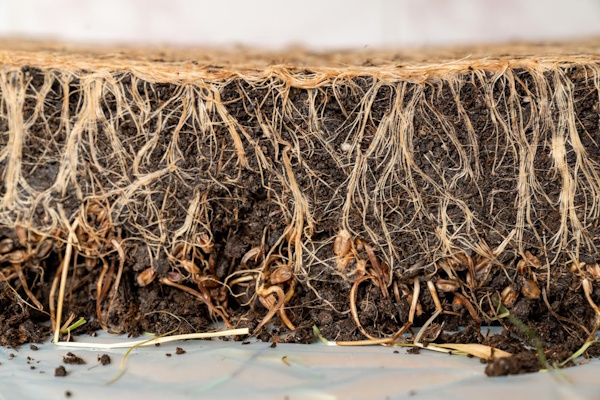
Your soil is where everything starts. If your soil is unhealthy, your grass will be weak — no matter how much you water or feed it.
Think of soil like a home for your grass roots. A good home is loose, full of nutrients, and lets air and water move through easily. A bad home is hard, packed down, and suffocating.
Keep Soil Loose with Aeration
Over time, soil gets compacted — especially in high-traffic areas. Compacted soil is hard for roots to grow through. Aeration fixes this by poking small holes in the soil. This lets air, water, and nutrients reach the roots where they’re needed most.
Think of it like loosening tightly packed dirt in a pot so the plant can breathe again.
Add Organic Matter
Organic matter — like compost — feeds the tiny living things in your soil that help grass grow. It also makes soil softer and easier for roots to spread through.
Even a thin layer added once a year makes a big difference.
Make Sure Water Drains Well
If water sits on your lawn for too long, roots can rot. Soggy soil also invites pests and disease. Good drainage means water soaks in and moves through — not pools on top.
👉 Healthy soil grows strong grass. And strong grass is much harder for pests like grubs to damage.
Proper Watering: Avoid a Common Mistake
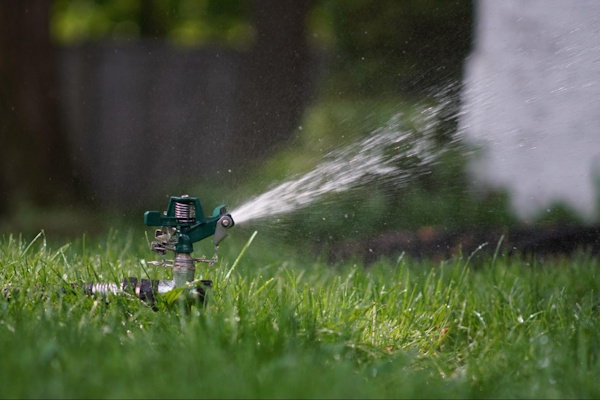
Most lawn owners water too often — but not enough at a time. It feels like the right thing to do. But it’s actually one of the most common mistakes in lawn care. Here’s why it matters.
Water Deep, Not Often
When you water lightly every day, the water only reaches the top layer of soil. So your grass roots stay shallow — they grow up toward the surface looking for water instead of growing down deep.
Shallow roots = weak grass. And weak grass struggles in heat, drought, and pest attacks.
When you water deeply — but less often — the water soaks far down into the soil. Your roots follow it down. Deep roots make your grass stronger and more drought-resistant.
A good rule: water 2 to 3 times a week, but water long enough each time to soak 4 to 6 inches deep.
Avoid Daily Light Watering
Daily light watering keeps the surface of your soil wet all the time.
This does two things — both bad:
It keeps roots shallow
It creates the perfect damp environment for pests and disease to grow
Too Much Water Attracts Pests
Grubs and other lawn pests love moist soil. Overwatered lawns give them exactly the conditions they need to thrive and multiply.
👉 The fix is simple: water less often, but water deeper. Your lawn will be stronger — and less attractive to pests.
Mowing the Right Way
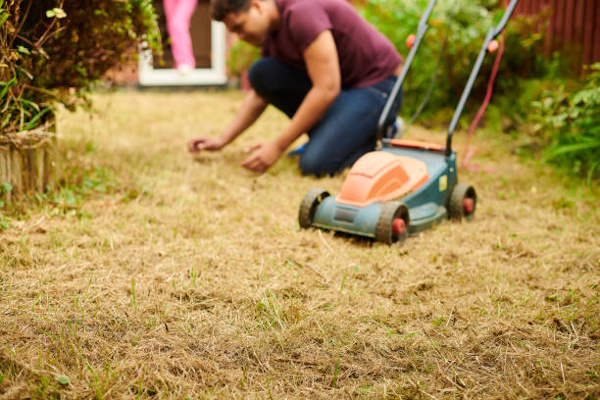
Mowing sounds simple. You push the mower, grass gets cut, done. But how you mow actually matters a lot more than most people realize.
Keep Grass at the Right Height
Every type of grass has a sweet spot — a height where it grows best. Cut it too short and you stress the plant out. Leave it too long and it flops over, traps moisture, and invites disease.
For most lawns, keeping grass between 3 to 4 inches is a safe bet. It looks neat and keeps the grass healthy underneath.
Never Scalp Your Lawn
Scalping means cutting grass way too short — almost down to the soil. It might seem like a time-saver. Fewer mows, right?
Wrong. When you scalp your lawn, you remove the leaf blade the grass uses to absorb sunlight. Without that, the grass can’t feed itself properly. It turns yellow, thins out, and becomes easy pickings for weeds and pests.
A good rule to remember: never cut more than one-third of the grass blade at one time.
Mow on a Regular Schedule
If you skip mowing for two weeks and then cut it all at once — that’s a shock to your lawn. Grass doesn’t like sudden changes.
Mowing little and often is always better. It keeps your lawn looking good and growing strong without putting it under stress.
👉 Good mowing habits cost nothing extra. But skipping them slowly weakens your lawn over time.
Feeding Your Lawn the Right Way
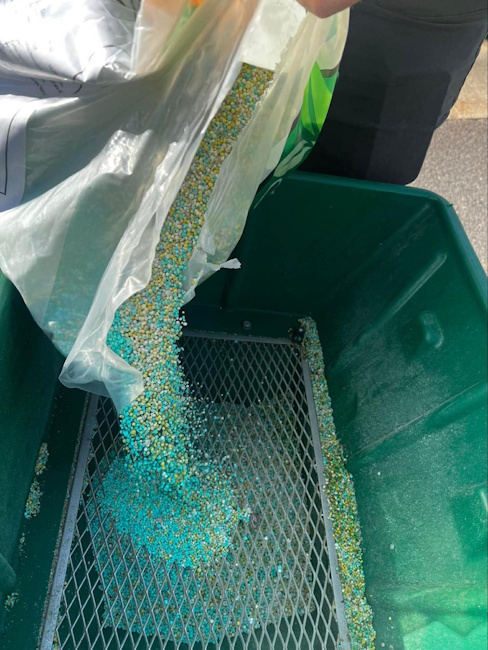
Your lawn is always working — growing, recovering, fighting off stress. Just like you need food to keep going, so does your grass need nutrients to stay strong.
That’s where fertilizer comes in.
Use a Balanced Fertilizer
Fertilizer gives your lawn three main nutrients — nitrogen, phosphorus, and potassium. Each one does a different job.
Nitrogen makes grass green and leafy. Phosphorus helps roots grow strong. Potassium helps grass handle stress like heat and drought.
A balanced fertilizer gives your lawn all three in the right amounts. Think of it like a complete meal — not just one food group.
Feed During the Right Season
Timing matters just as much as the fertilizer itself.
Spring is when your lawn wakes up and starts actively growing — a good time for a light feeding to get things going. Fall is actually one of the best times to fertilize because grass stores those nutrients underground through winter and comes back stronger in spring.
Feeding at the wrong time — like in the middle of a hot summer drought — can actually burn your lawn instead of helping it.
Don’t Overfeed
More fertilizer does not mean more growth. Too much nitrogen, for example, forces your grass to grow too fast. That sounds good, but fast-grown grass is actually weaker and more vulnerable to disease and pests.
It also wastes money and can damage your soil over time.
👉 Feed your lawn the right amount, at the right time, with the right product — and it will reward you with thick, healthy growth all season long.
Watch for Pests (Like Grubs)
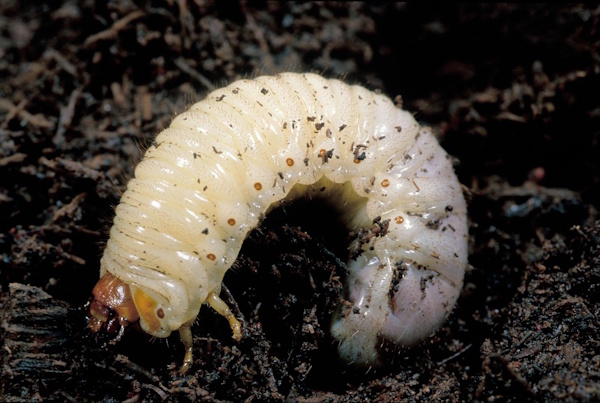
Even if you’re doing everything right — watering well, mowing correctly, feeding on schedule — pests can still show up. It’s not a sign you failed. It’s just part of having a lawn.
The key is catching them early.
What Are Grubs and What Do They Do?
Grubs are the larvae of beetles — basically baby beetles living under your soil. They curl up in a C-shape just below the surface and feed on your grass roots.
Here’s what makes them dangerous: you can’t see them working. While your lawn looks fine on top, grubs are quietly cutting off the root system underneath. By the time you notice damage above ground, they’ve already done a lot of harm.
Even Healthy Lawns Can Get Them
This catches a lot of people off guard. Grubs don’t only target weak lawns. Beetles lay their eggs in the soil regardless of how good your lawn looks. So no lawn is completely off limits.
The difference is that a healthy lawn can handle a small grub population better than a weak one can.
Signs to Watch For
Your lawn will tell you when something is wrong.
You just have to know what to look for:
- Brown patches that don’t bounce back after watering
- Grass that feels spongy or loose underfoot
- Sections of turf that peel back easily — like lifting a rug
If you tug at a brown patch and the grass lifts right up with no resistance, that’s a strong sign grubs have eaten through the roots beneath it.
👉 Don’t wait for the damage to get worse. Spotting these signs early gives you the best chance to treat the problem before it spreads.
Why a Complete Lawn Care Approach Works Best
By now you’ve seen how many things go into keeping a lawn healthy. Soil, water, mowing, feeding, pest control — they’re all connected.
And that’s exactly the point.
One Fix Is Never Enough
A lot of people try to solve lawn problems one at a time. Brown patches show up, so they water more. Grass looks thin, so they throw down some fertilizer. Pests appear, so they treat for pests.
But then the same problems come back.
That’s because lawn health isn’t about fixing one thing. It’s about all the pieces working together. If your soil is compacted, fertilizer won’t absorb properly. If you’re overwatering, pests will keep coming back no matter how many times you treat them. If your grass is weak from poor mowing, it can’t fight off disease.
Think of it like a chain. Every link matters. One weak link and the whole thing breaks.
Everything Works Together
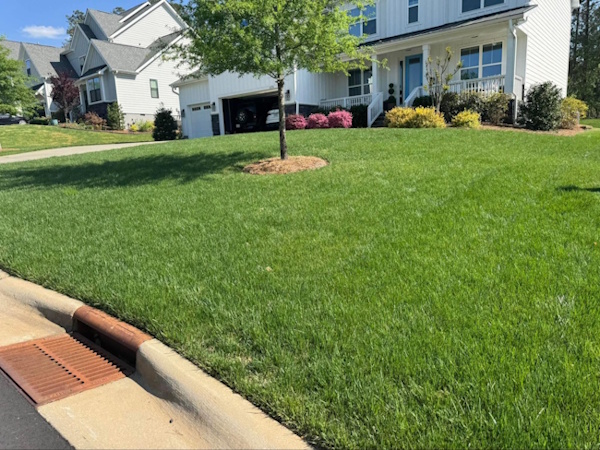
When your soil is healthy, roots grow deep. When roots are deep, grass handles drought and stress better. When grass is strong, it naturally resists pests. When you feed and mow correctly, that strength is maintained all season long.
That’s what a complete lawn care routine does — it builds a lawn that can protect itself.
Because lawn health depends on so many factors working together, many homeowners find it easier to follow a structured lawn care program that takes care of feeding, weed control, pest prevention, and more — all in one place. If you’re looking for that kind of support, Advanced Turf Care’s lawn care program is worth a look.
👉 A complete approach doesn’t just fix problems. It prevents them from starting in the first place.
Simple Seasonal Lawn Care Checklist
Lawn care isn’t the same every month. Each season brings different challenges — and different opportunities to keep your lawn strong. Here’s what to focus on and when.
Spring: Wake Your Lawn Up Right
Spring is a fresh start. Your grass is coming out of winter and ready to grow again. This is the time to:
- Give your lawn a light feeding to kickstart growth
- Walk your lawn and look for bare patches, thinning areas, or early signs of pest damage
- Clear away any leftover dead grass or debris that built up over winter
Catching small problems in spring is much easier — and cheaper — than dealing with them in summer.
Summer: Protect and Manage
Summer heat puts your lawn under real stress. Growth slows down and mistakes show up fast. This is the time to:
- Shift to deep, less frequent watering to protect roots from heat
- Raise your mower blade slightly — taller grass shades the soil and holds moisture better
- Watch for signs of grub activity or drought damage and act quickly
Don’t try to push heavy feeding or major fixes in peak summer heat. Focus on keeping what you have healthy.
Fall: Set Up for Next Year
Fall is actually the most important season for long-term lawn health. The work you do now pays off next spring. This is the time to:
- Aerate your soil to relieve compaction built up over the year
- Apply a fall fertilizer so roots store nutrients through winter
- Treat for grubs or other pests before they settle in for the cold months
👉 Think of each season as one part of a bigger plan. Do the right things at the right time and your lawn stays strong all year round.
Conclusion:
If there’s one thing this guide has shown, it’s that a healthy lawn doesn’t come from one product or one quick fix. It comes from doing the right small things consistently over time.
Lawn Care Is a System
Soil, water, mowing, feeding, pest control — none of these work well on their own. But when you put them all together, they create something powerful. A lawn that’s hard to damage, easy to maintain, and looks great through every season.
Think of it like building a habit. The first few weeks feel like effort. But once the routine is in place, it almost runs itself.
Strong Lawns Fight Back on Their Own
Here’s something most people don’t realize until they’ve had a healthy lawn — strong grass is its own best defense.
Deep roots hold up against drought. Thick turf crowds out weeds before they spread. Healthy soil makes it harder for pests like grubs to settle in and cause damage.
You don’t need to fight your lawn’s battles for it. You just need to build it up strong enough to fight them itself.
Small Steps, Long-Term Results
You don’t have to overhaul everything at once. Start with one area — maybe your watering routine or your mowing height. Build from there.
Over one season, you’ll see the difference. Over two seasons, your neighbors will too.
👉 A simple, consistent lawn care routine is the smartest investment you can make in your outdoor space. Less damage, fewer pests, and a lawn that stays healthy year after year.