In terms of pest control, most of us turn to the same old harsh chemicals that are not only a threat to the environment but also to our health.
Well-known eco-friendly pest control methods have been growing in popularity in recent years and provide a safer and more sustainable way to keep our homes free from pests.
The Importance of Eco-Friendly Green Pest Control
Eco-friendly green pest control is designed to be healthier for humans and pets as well.
Conventional pest control chemicals can linger in the air and on surfaces, and leach into the soil and water supply, but green methods avoid all this.
The solutions themselves are basically made up of all-natural ingredients, safe for people and their pets.
They are a much more pleasant alternative for everyone in the household.
Looking at pest control for your home, garden, and workplace, it’s not just about eliminating the problem, it’s also about creating a safe, healthy and sustainable environment.
Ten years ago the use of chemical pesticides, which were once the go-to methods in pest control, started to be seen as a serious threat to human health and the environment. In response, there was a growing awareness on eco-friendly green pest control.
1. Protecting Human Health
The main purpose of green pest control is to shield human health.
Regular use of traditional chemical pesticides can send hazardous toxins into the air, into the soil and into the water supplies, putting children, adults and pets in harm’s way.
Skin problems, respiratory issues and in the worst cases, life-long health problems are just a few of the perils of these chemicals.
Well-known eco-friendly methods like using diatomaceous earth to kill bugs or neem oil for garden pests, are completely safe for human contact and are effective at squashing the problem, without any nasty chemicals. By following green methods, you can rest assured that your home and workplace remain a sanctuary for everyone.
2. Protecting the Environment
Chemical pesticides, when used extensively can be cataclysmic on the environment too, getting into the ground and into our water systems and merrily killing off entire ecosystems and small animals such as bees, birds, and fish.
Over time, this results in the degradation of biodiversity, which can’t be reversed.
In stark contrast, eco-friendly pest control uses methods that basically don’t harm the environment, by either completely eliminating the pests or keeping them under control.
3. Preventing Chemical Resistance
Yet another threat of traditional pesticides is the growing problem of resistance.
After years of being exposed to the same chemicals, the pests can build up resistance, rendering treatments less effective, leading to stronger, more perilous chemicals.
In relation to pest control, rotating natural treatments, keeping a clean environment and using physical barriers are the keys to keeping those unwanted critters in check, a long-term strategy that’s far more sustainable and effective.
4. Cost-Effectiveness in the Long Run
Chemical treatments may provide quick results, but need to be repeated often, sending up the cost over time.
Eco-friendly methods, like sorting out the insulation in your home, sealing any gaps, or nurturing a healthy garden ecosystem, can nip infestations in the bud, and require less frequent. Or no re-treatments.
5. Promoting Sustainable Living
Well-known as being cost-effective, eco-friendly pest control is not just a practical decision, it’s also a statement of commitment to sustainable living, and a conscious reduction in the ecological footprint we leave behind.
The encouragement that such methods receive, helps others take note of other eco-friendly ideas that can transform every area of life, like cutting down on plastic, and conserving water.
6. Supporting Organic Gardening and Farming
For gardeners and farmers, a non-toxic approach is also a priority.
A concern that lies in the back of their minds is that chemical pesticides will be left behind in crops and pose hazards to their safety and quality.
Organic farming encourages healthy, chemical-free growth, with an innovative use of natural deterrents, friendly insects, fellow plants and sprays allows to produce high-quality fruits, vegetables and flowers which put neither people nor the environment in peril.
Eco-friendly pest control is basically a safer, more sustainable way to control pests, safeguarding our well-being, protecting the environment, preventing the emergence of super-resistant pests and supporting a lifestyle that’s sustainable.
When we put into practice green strategies, we not only kill off the pests we want to get rid of, we are helping to sort out a cleaner, healthier planet, and a better life for everyone.
Common Solutions for Green Pest Control
Now, there are lots of green pest control systems available that, in essence, are as effective as the traditional methods, but won’t destroy the planet.
Here are some common ones to check out.
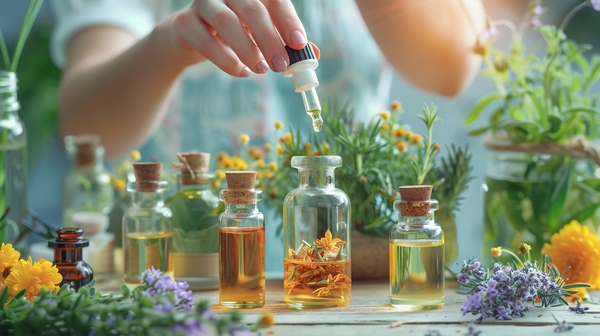
1. Essential Oils
Essential oils have been explored as a natural and eco-friendly alternative. As plant-based, non-toxic options, they are effectively deterring a variety of pests.
One of the most popular choices is peppermint oil, famous for its ability to ward off ants, spiders and mice and may be used in sprays and diffusers to block off areas, eucalyptus oil is lethal to mosquitoes and flies making the outdoors a lot more pleasant.
Lavender oil is another multi-purpose option, sending away moths, fleas and mosquitoes, yet leaves behind the lovely scent of fresh air, tea tree oil is the go-to for getting rid of any unwanted insects and has the added bonus of reducing mold growth in damp areas.
Coming from natural sources, these oils don’t stick around, and don’t contaminate the soil and water, unlike synthetic chemicals. Since they can be applied in minuscule amounts mixed with water or carrier oils, they’re safe to be used around kids and pets.
But the benefits of essential oils don’t stop at pest control.
They’re also used in a holistic way to make the home a healthier and greener space. By combining them into your pest control strategies, you’re getting on board with sustainable practices and basically guaranteeing a healthier environment, both indoors and out.
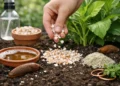
2. Diatomaceous Earth
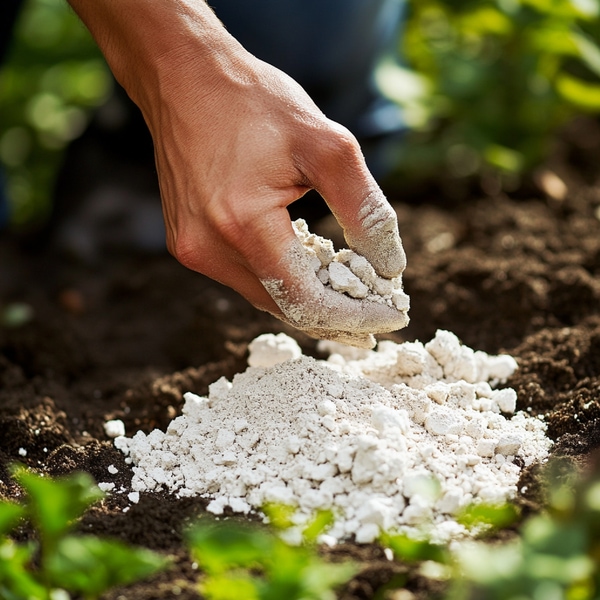
In relation to pest control, diatomaceous earth has become a popular and eco-friendly alternative to chemical pesticides.
Originating from the fossilized remains of tiny aquatic organisms, DE is a non-toxic, silica-based powder, which can kill a wide range of pests and does so in a way that is so precise that it causes virtually no damage.
The DE’s microscopic particles contain an array of sharp edges that pierce the exoskeletons of the cockroaches, ants, bedbugs, fleas, cockroaches and other unwanted garden critters that cannot go through this procedure without getting severely dehydrated and eventually passing away.
Diatomaceous earth is pretty much effortless to apply, and works well when dusting over areas where you notice pests, such as under the furniture, along the edges of walls, or in your dog’s bed.
Outdoors, it’s can be sprinkled on garden beds, pathways and right around the perimeter of your home to build a protective barrier against unwanted critters. Coming back to reapply isn’t necessary because DE keeps on working as long as it stays dry.
DE is basically harmless to humans and pets if used as directed, and won’t destroy the environment, it won’t contaminate soil, water or the air. Since it’s all-natural and uses physical force to kill, it is impossible for the pests to become resistant.
If you are after a holistic, eco-friendly way of managing pests, you’ll find that DE goes hand-in-hand perfectly with other green methods.
Combining it with organic oils, spotless cleaning, and physical barriers is a foolproof way to rid your home, garden, and yard of pests.
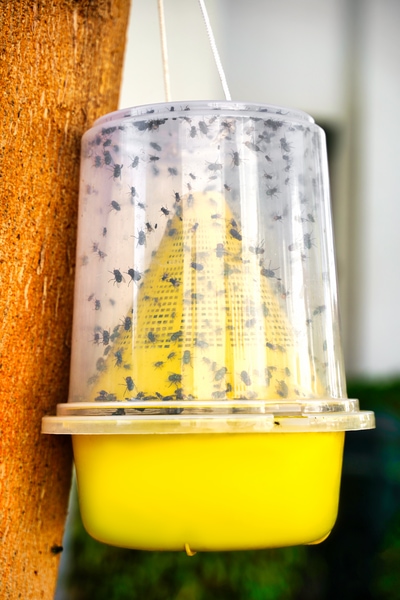
3. Sticky Traps
In terms of effectively and humanely managing household and garden pests, sticky traps are a highly effective and eco-friendly solution. The non-toxic adhesive that coats these traps captures insects when they come into contact with the surface.
These traps, and are very useful for tracking and controlling populations of flies, spiders, ants and other tiny pests.
The major perk of sticky traps is that they’re completely safe for people, animals and the planet. This makes them the go-to choice for families, and for organic gardeners who want to get rid of pests without using chemicals.
By using sticky traps you’re also reducing the need for nasty, toxic pesticides, so it’s good for the planet too.
Sticky traps are very easy to place and can be set up in the corners of rooms, by windows or along paths where pests are commonly found. They’re also great for shielding crops and plants from flying insects, and some even contain a scent that lures specific types of pests.
Apart from snaring the unwanted critters, sticky traps also send you some valuable intel on what’s going through your house.
Letting you zero in on the best ways to control them.
Tips for Using Solutions for Green Pest Control
When it comes to using eco-friendly methods for pest control, it’s generally advisable to be consistent, and to ensure you identify the type of pest you are dealing with, something you can then choose the best solution from.
It can be highly effective to use two or more methods in combination for better results. For instance, you could kill ants by spraying them with peppermint oil but then use diatomaceous earth as a barrier to prevent further infestations.
The Benefits of Green Solutions for Pest Control
In addition, eco-friendly pest control methods offer many benefits, which include being a safer and healthier option, reduced chemicals in the air, water and soil and, a smaller ecological footprint.
Regarding pest control, you don’t have to worry about putting yourself, your family, or your pets at risk.
With green solutions, all the ingredients are natural and safe.
Coming from the earth, these eco-friendly solutions are much better for the planet, too, as they don’t leach toxic chemicals into the soil or water supply.
Lots of eco-friendly pest control methods are economical and can be done with ingredients that are often found right in your home, helping you save money on expensive commercial pest control products.
So, you can effectively control pests in your home without putting the health of your family, or the planet, at risk. Have a go, and see the difference green pest control can make.
Summary
Green pest control solutions offer a safe, effective and kinder way of ridding your home of unwanted pests.
Essential oils, diatomaceous earth, and sticky traps are all part of the natural weapons against pests.
It’s key to stick to a plan, figure out the root of the problem and use a combination of methods, and with a pest-free home in no time.