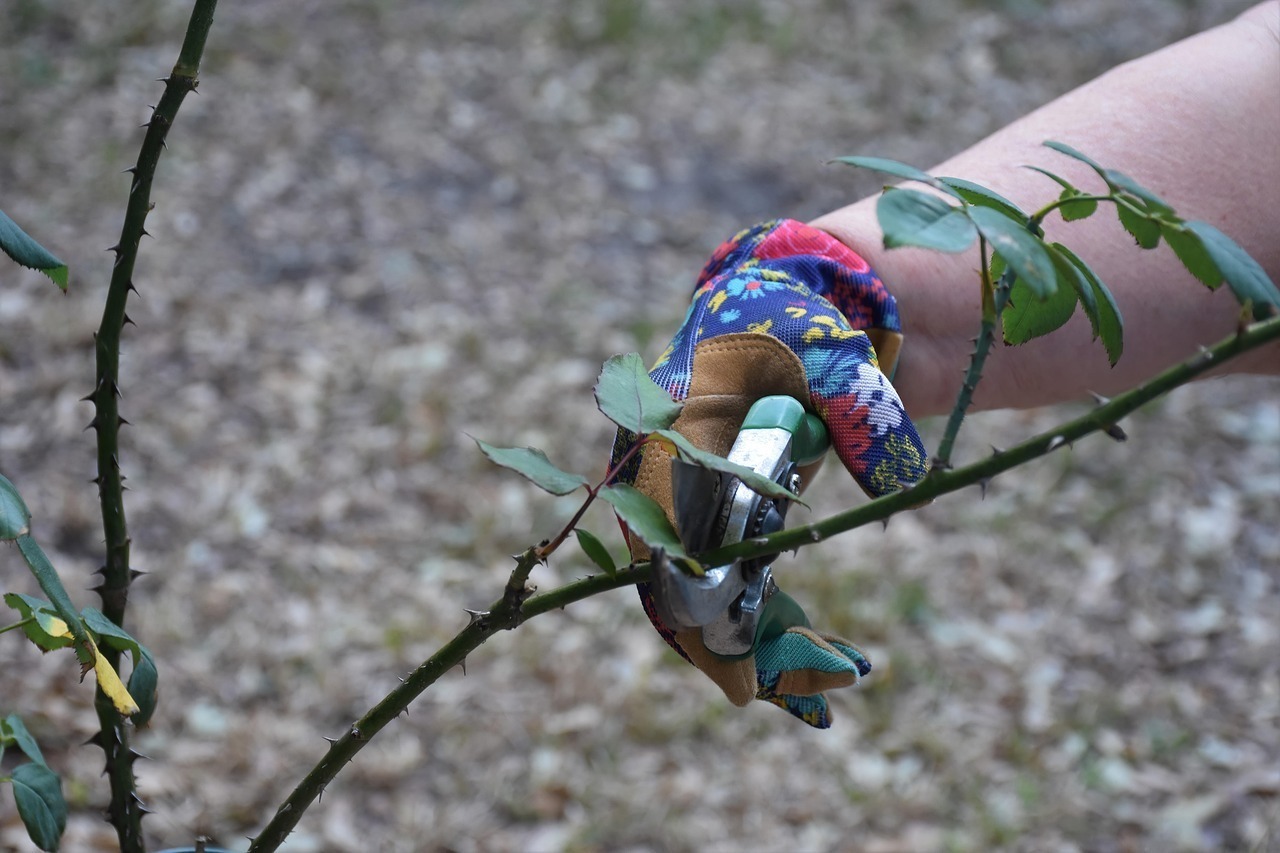
In terms of garden maintenance, pruning is an art that can take your outdoor space from drab to stunning. When done correctly, pruning can boost the health of your plants, multiply flower and fruit production and give your garden a neat, polished look.
In this piece, we’ll show you the ropes of pruning and present expert techniques to help you master this essential gardening skill.
The Importance of Pruning
Pruning is essentially the removal of dead, damaged or out-of-control branches from plants to promote vigorous growth, a beautiful appearance and give them a healthy shape.
Regular pruning has a number of benefits, it lets in more air and sunlight, which in turn stops disease spreading and brings out the best in flowers and fruit.
Pruning also sends the message to the plant to grow more compactly and become more visually attractive.
Tools for Pruning
Before you start pruning, it’s essential to have the right tools for the job.
The most common pruning tools include:
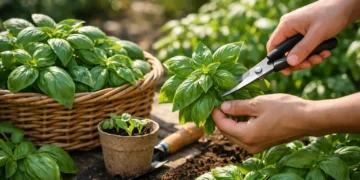
- Pruning shears: Used for cutting small branches and stems up to ¾ inch in diameter.
- Loppers: Ideal for cutting larger branches up to 2 inches in diameter.
- Pruning saw: Used for cutting thick branches that are too large for pruning shears or loppers.
- Hedge trimmers: Used for shaping and trimming hedges and shrubs.
Make sure to keep your pruning tools clean and sharp to ensure clean cuts that heal quickly and reduce the risk of disease. Regularly disinfect your tools with a solution of one part bleach to nine parts water to prevent the spread of pathogens between plants.
When to Prune
When pruning your plants, the ideal time will vary depending on the type of plant you’re working with – deciduous trees and shrubs can be pruned in late winter or early spring, just before new growth starts.
Evergreen trees and shrubs are best pruned in the late spring or early summer, once they’ve finished flowering. Roses need a different approach, they’re best pruned in late winter or early spring, before any new growth starts.
You’ll need to look up the specific pruning requirements for each plant in your garden, but if you’re still in the dark, it’s a good idea to ask for advice from a local gardening expert or a nursery.
Basic Pruning Techniques
Thinning:
You’ll need to thin out its branches to allow the canopy to open up and let in more air and sunlight, when pruning a plant you’re looking to let grow.
Begin by cutting out any branches that are dead, diseased, or damaged, these are dead weight that aren’t going to get any better and can be a serious threat to the rest of the plant.
Next, remove any branches that are rubbing against each other, they can cause wounds and invite disease. And lastly, thin out the areas that are too dense to give the plant a more open and balanced structure.
Heading:
We call it heading, when cutting back the tips of branches to stimulate new growth.
Coming into a branch, you should make a clean cut just above a bud or lateral growth, at an angle that’s away from the bud so that the new growth goes outwards.
Heading is pretty standard in the process of shaping hedges, shrubs and fruit trees, all of which benefit from bushier growth and size control.
Deadheading:
When a flower has finished blooming, deadheading is the best way to get it to produce even more flowers, and to prevent the formation of seeds, a technique that can be applied to a variety of flowering plants.
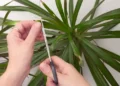
To deadhead a plant, all you have to do is pinch or cut off the faded flowers, right at the base of the flower head.
Flowering plants that particularly benefit from deadheading are roses, annuals and perennials, and will, with regular removal of their faded blooms, continue to produce flowers throughout the growing season.
Specialized Pruning Techniques
Espalier:
You’ll use the technique of espalier, when training trees and shrubs to grow against a wall or trellis.
Espalier is essentially a way to turn trees into living fences, decorative borders or space-saving fruit trees, and works best on young, flexible plants with a central leader.
Start by choosing a young plant, and carefully prune and train its branches to grow horizontally along a support structure, regularly trimming to keep them in check.
Pleaching:
Interwoven hedge or archway, pleaching is the way to go, when creating a dense.
Coming from a similar background as espalier, pleaching is essentially a pruning technique that uses plants with pliable branches and a compact growth habit, which are then carefully trained to grow parallel to one another and weaved together as they grow.
Regular pruning and upkeep are a must to keep the structure of the hedge or archway tight and uniform, and also encourages the branches to grow the desired way.
Common Questions About Pruning Techniques
How do I know if a branch is dead?
It becomes brittle and dry, often devoid of any buds or leaves, when a branch is dead.
To check if a branch is dead, try scratching the bark with your fingernail, if there’s any green tissue underneath then it’s still alive, if it’s brown and dry, then it’s safe to remove.
Can I prune a plant that is in bloom?
As pruning flowering plants you should avoid cutting them back when they’re in the middle of blooming.
This can completely throw off their flowering schedule, and may even cause them to cut off any buds that could have developed into beautiful new flowers.
How much should I prune off a plant?
The amount of pruning required will depend on the plant species, its growth habits, and your desired outcome.
In general, aim to remove no more than 20-30% of a plant’s canopy in a single pruning session to avoid stressing the plant and causing excessive growth.
Summary
In relation to pruning your garden, you’ll be the master of it all after a bit of study and practice.
The basic and specialized pruning techniques, the right timing, and the use of the right tools will all help you turn your outdoor space into a breathtaking work of art and give a boost to the growth of your plants.
Well-known pruning needs can be found in a reference book, and local gardening experts can provide additional guidance, so always make sure to check. And through a combination of perseverance and patience, you’ll be well on your way to becoming a pruning expert, taking your garden to the next level.