Don’t think that a lush garden is out of the question, when living in a smaller space.
In today’s fast-paced world, many of us are living in smaller spaces, whether it be apartments, tiny houses, or condominiums.
However, just because you have limited square footage doesn’t mean you can’t enjoy the benefits of gardening.
With the use of indoor vertical gardening you can still achieve the benefits of a garden, and have them right in your home.
What is Indoor Vertical Gardening?
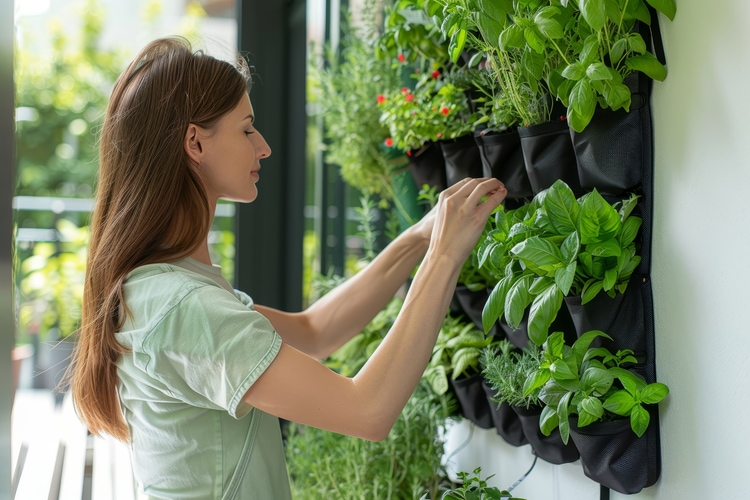
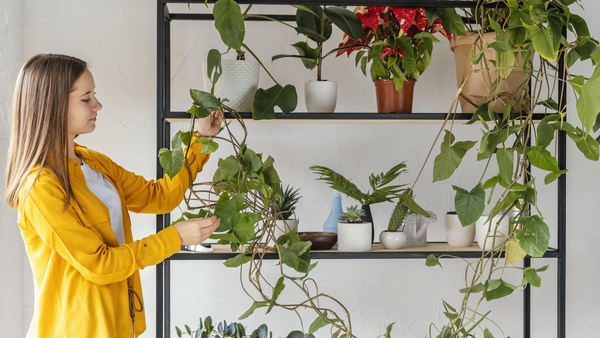
Indoor vertical gardening is essentially growing plants vertically, either on a wall, a shelf or any other type of structure.
This technique lets you make the most of the space you have and gives you the ability to create a stunning and luscious garden.
Vertical gardening is not only practical but also aesthetically pleasing, adding a touch of nature to your living space.
Benefits of Indoor Vertical Gardening
There are numerous benefits to indoor vertical gardening, including:
- Space-saving: Vertical gardening allows you to grow plants in a small footprint, making it ideal for those with limited space.
- Aesthetic appeal: A vertical garden can add a pop of color and texture to any room, enhancing the overall look of your home.
- Air purification: Indoor plants can help remove toxins from the air, improving air quality and creating a healthier living environment.
- Stress reduction: Studies have shown that being around plants can reduce stress and improve mood, making indoor vertical gardening a great way to boost your mental well-being.
- Food production: Vertical gardens can also be used to grow herbs, vegetables, and fruits, providing you with fresh and organic produce right in your own home.
How to Start an Indoor Vertical Garden
Starting an indoor vertical garden is easier than you might think.
Here are some steps to help you get started:
1. Choose the Right Location
Before you begin your indoor vertical garden, you’ll need to select the right location.
Choose a spot that receives plenty of natural light, as most plants require sunlight to thrive. If natural light is limited, you can supplement with grow lights to ensure your plants get the light they need.
2. Select the Plants
When choosing plants for your indoor vertical garden, consider the amount of light and space available.
Some plants that do well in vertical gardens include pothos, spider plants, philodendron, and succulents.
You can also grow herbs like basil, mint, and parsley for a functional and aromatic garden.
3. Choose the Right Containers
There are a variety of containers available for vertical gardening, including wall-mounted planters, indoor hanging baskets, and shelving units.
Choose containers that fit your space and style, and make sure they have proper drainage to prevent overwatering.
4. Install a Support Structure
Depending on the type of plants you choose, you may need to install a support structure, such as a trellis, wire grid, or shelving system, to help your plants grow vertically. Make sure the structure is secure and can support the weight of your plants.
5. Plant and Maintain Your Garden
Once you have everything in place, it’s time to plant your garden. Be sure to follow the specific care instructions for each plant, including watering, fertilizing, and pruning. Regular maintenance is key to keeping your indoor vertical garden healthy and thriving.
Suitable Plant Species for Indoor Vertical Gardening
The secret to success lies in the type of plants that you use, which can handle the challenges of limited soil, vertical structures and indoor lighting, when creating a vertical garden.
1. Trailing and Cascading Plants
Well-known for softening the look of a vertical garden, trailing and cascading plants can fill empty spaces and create an organic feel, while they adapt very well to low maintenance care, and are basically impossible to kill.
- The pothos or Epipremnum aureum is a popular pick for this kind of set up because it can handle irregular watering and low light, and its heart-shaped leaves cascade down in a mesmerizing way, and require very little work.
- English ivy, or Hedera helix, is another classic option that’s extremely adaptable and works well in bright conditions, it’s so fast growing that you’ll need to trim it back regularly, but this will keep it looking its best.
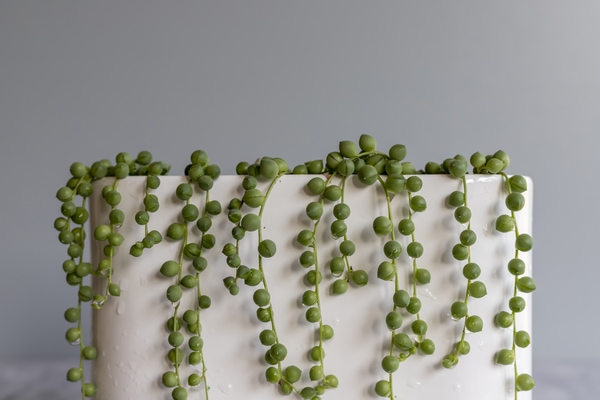
- The String of Pearls or Senecio rowleyanus is an eye-catching addition to any vertical garden, adding its beaded leaves to the space and really comes alive in bright light.
2. Compact and Decorative Foliage Plants
Compact and decorative foliage plants that are going to stay small are also fantastic for filling out vertical planters.
Examples include:
- the spider plant, or Chlorophytum comosum, with its striped leaves and tiny baby plants
- peperomias, which have literally thousands of different types and provide unique leaves and colors
- and the Fittonia, or nerve plant, which has vibrant veins in shades of pink, red or white and likes indirect light and regular watering.
3. Air-Purifying Plants
Lots of these plants are also air purifiers, making them perfect for breathing life into living walls, and none more so than the snake plant, Sansevieria.
Its architectural leaves can be quite striking, it can survive in low light and doesn’t need much water.
When designing an indoor vertical garden, you’ll want to think about adding some elegant peace lilies, which not only bring a soothing touch with their white blooms and lush foliage but also purify the air, or the full-bodied Boston fern which adds depth and texture, albeit requiring more humidity and regular watering.
Learn more about Air-Purifying Plants >
4. Herbs for Edible Vertical Gardens
For a functional herb garden, indoor vertical gardening is practically a must, and several species do wonderfully well indoors when receiving enough light.
The most striking of these, basil, demands bright light and delivers luscious leaves for culinary use.
Parsley‘s compact structure and hardiness make it a standout performer, especially for use in vertical modules, in contrast mint is easily and quickly spreading so is best contained.
Both thyme and oregano, on the other hand, are extremely low-maintenance and capable of adapting to minuscule pockets of soil.
5. Succulents and Cacti
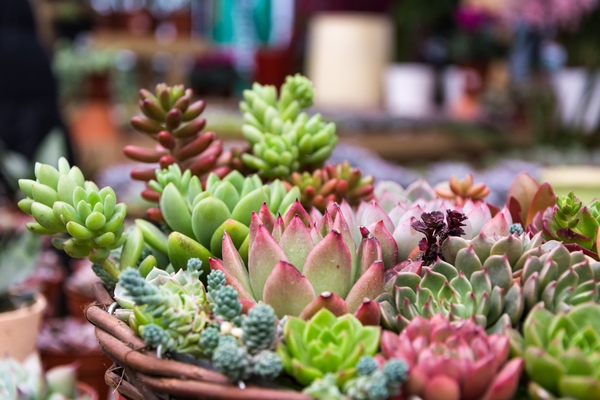
Succulents and Cacti, with their stunning displays of beautiful rosettes are a spectacular option when it’s bright in your vertical garden. They don’t need much water, and add lots of visual flair to the arrangement.
Echeveria is a neat example of this. Sedum is essentially a hardy and drought-tolerant performer that’s made for the sunny walls of a vertical garden and the Aloe Vera is a jack-of-all-trades. Decorative and practical, healing and sculptural all rolled into one.
Tips for Choosing Plants
When selecting your plants for your vertical garden be sure to group species that share similar requirements.
Add some trailing, compact, upright plants for a layered, striking look, and pick hardy ones if you want a super low-maintenance setup.
Well-known air cleaners like peace lilies, ferns, and spider plants have got your back there too, think about combining these with herbs and decorative foliage for the best of both worlds.
Tips for Maximizing Small Spaces
If you’re working with a small space, here are some tips to help you maximize your indoor vertical garden:
- Choose compact plants: Select plants that don’t require a lot of space to grow, such as small herbs, ferns, or trailing vines.
- Use shelves and hanging baskets: Utilize vertical space by hanging planters or installing shelves to create more room for your plants.
- Rotate your plants: To ensure all of your plants receive adequate sunlight, rotate them regularly to prevent any from becoming leggy or unhealthy.
- Opt for a hydroponic system: Hydroponic systems use water instead of soil to grow plants, saving space and reducing the need for constant watering.
- Get creative with your design: Don’t be afraid to think outside the box when designing your indoor vertical garden. Mix and match containers, colors, and textures to create a visually appealing display.
Common Questions About Indoor Vertical Gardening
1. Can I grow vegetables in an indoor vertical garden?
Yes, you can grow a variety of vegetables in an indoor vertical garden, such as cherry tomatoes, lettuce, peppers, and cucumbers. Just make sure they receive enough light and nutrients to thrive.
2. How often should I water my indoor vertical garden?
The frequency of watering your indoor vertical garden will depend on the types of plants you have and the environmental conditions. Generally, you should water when the top inch of soil feels dry to the touch.
3. Do I need special equipment for indoor vertical gardening?
While some equipment, like grow lights or a support structure, may be helpful for indoor vertical gardening, they are not necessary. You can start a vertical garden with just some plants, containers, and soil.
Summary
With indoor vertical gardening, you can grow a variety of herbs, vegetables and flowers and bring the beauty of the great outdoors into your home.
Follow these tips and guidelines, and you’ll be well on your way to creating a stunning and thriving indoor garden, one that will not only add a fresh touch to your living space, but provide you with a bountiful supply of fresh herbs, colourful flowers, and nutritious greens throughout the year.
So don’t let limited square footage hold you back – start your indoor vertical garden today and enjoy the many benefits of gardening indoors.