
Sustainable gardening practices are kind to the planet and don’t need to burn a hole in your wallet. You’ll be hooked, when you think about a garden that’s teeming with life and colour.
Well-known as a movement, sustainable gardening isn’t about dominating nature, but rather about working with it to create something beautiful and environmentally friendly.
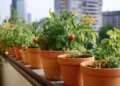
If you have a lot of space or just a small balcony, don’t worry.
You can still make the most of your space and adapt to greener gardening habits. Consider this as your go-to guide to growing a garden that will be stunning and responsibly grown.
What Is Sustainable Gardening?
Sustainable gardening is basically about making conscious use of the resources you have.
Soil, water, energy, and plants, and taking steps that greatly cut down on the impact on the planet.
Coming into the world of sustainable gardening, you’ll find that it’s all about conserving water, boosting biodiversity, minimising waste, using fewer chemicals, shielding the soil, and encouraging a self-renewing garden cycle.
The goal is to have a garden that isn’t constantly taking from the environment, but instead gives back, and as a bonus, turns out to be much easier to maintain.
1. Start With the Soil
For creating a sustainable garden, the first thing to focus on is the soil, the heart of your garden. Healthy soil is full of microorganisms, fungi, insects and organic material and will be less work to care for the rest of your garden.
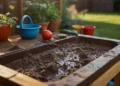
Instead of using synthetic fertilizers, feed your soil with organic matter, such as compost, leaf mould, well-rotted manure and shredded garden waste that will perk up the look of your plants.
Organic matter is known to improve the structure of your soil, retaining moisture, draining and breathing life into the microorganisms.
Well-known as a gardener’s goldmine, compost can be made from kitchen scraps and yard waste, reducing landfill waste and provides a free, high-quality soil supplement. You don’t need a huge compost system, even a small tumbler or countertop worm bin will get the job done.
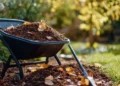
Mulch acts as a protective blanket, and it has many benefits including, moisture retention, weed suppression, temperature regulation and gradual soil enrichment. You don’t have to be particular with your mulch, you can use grass clippings, fall leaves, wood chips, straw, or compost itself.
Learn more about Mastering Mulching
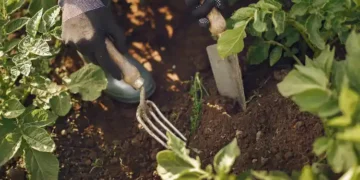
Practicing no-till, or low-till gardening is an excellent way to protect the soil’s structure and nurture the beneficial critters that live in it. Just lay down layers of organic matter and nature takes care of the rest.
2. Choose the Right Plants for the Right Place
Another of the top tips for a sustainable garden is to choose the right plants for the right place.
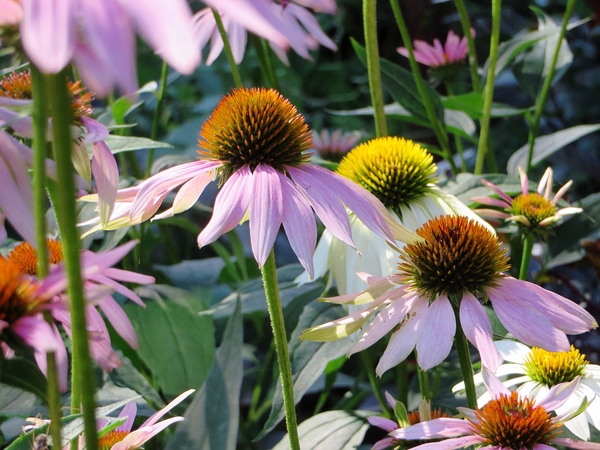
When choosing flowers, go native or at least climate-adapted, because they need less water, are resistant to local pests and help out native wildlife and are often labelled as Mediterranean, low-water, xeric and drought-tolerant.
Perennials out perform annuals in terms of watering, less resources and never need replanting.
They add to the health of the soil, feed the bees, and usually become naturalised over time, examples being such gorgeous flowers like coneflowers, salvias, yarrow, and black-eyed Susans.
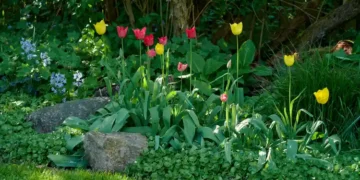
Make sure that your garden isn’t a monotonous sea of sameness, and grow lots of different heights, colors, flower times and habits.
A mix will be far stronger, more resilient, and stunning.
3. Water Wisely
It’s a good idea to think of water as a precious resource, even in places where rainfall is generous.
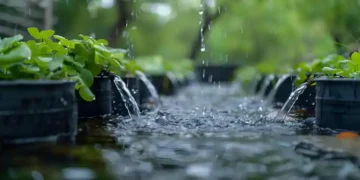
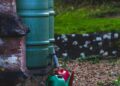
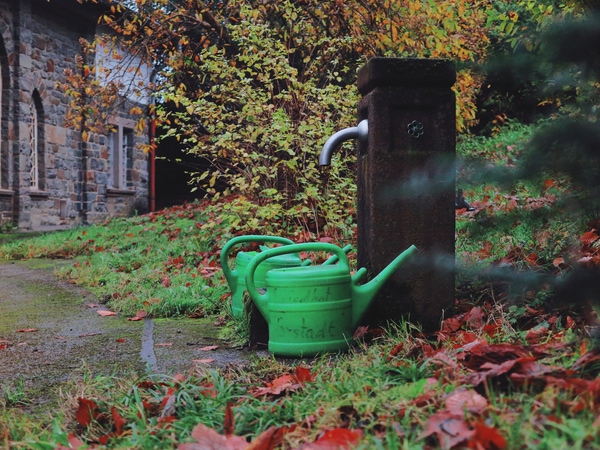
Collecting rainwater in a rain barrel is a great way to have a steady supply of free water for your garden.
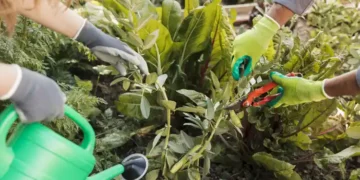
Water deeply, but less frequently is better than shallow, daily watering, this encourages strong roots. You might need to rethink your irrigation methods and consider using drip irrigation.
Drip irrigation systems delivers water right to the root zone. Plants receive the exact amount they need. This method, and using soaker hoses reduces evaporation because it keeps water longer on the surface of the soil where plants need it.
Learn more about The Impact of Garden Water Conservation Techniques
Learn more about The Art of Watering Your Plants
Plant water-storing plants such as lavender, rosemary, sedum, coneflower, ornamental grasses, coneflower that can get by with less water.
Mulch is an amazing water-saver, if you can only remember one thing from this piece it should be this, cover your soil.
4. Embrace Natural Pest Control
Chemical pesticides kill off the bad bugs, but often destroy the good ones too, knock out local ecosystems and can pollute water supplies. Natural gardening techniques try to prevent these problems.
Invite beneficial insects like ladybugs, lacewings, hoverflies, and predatory mites to your garden and they will do their best to clear out the pests.
Give them flowering plants, shallow water sources, and a safe place to live such as shrubs or insect hotels.
Companion planting is a technique that means planting some crops next to others so they repel each other’s pests or look after each other’s well-being.
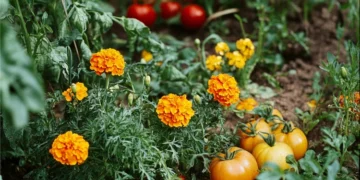
Examples of such combinations include marigolds that kill off nematodes and beetles, basil which sends tomato production through the roof and nasturtiums that send pests away from your vegetables.
A homemade spray of just a few drops of mild soap in water is able to sort out lots of soft-bodied pests.
You don’t have to have a completely flawless garden, a little nibbled leaf or a hole here and there is what nature does best.
Learn more about Eco-friendly Pest Control
5. Prioritize Biodiversity and Wildlife Support
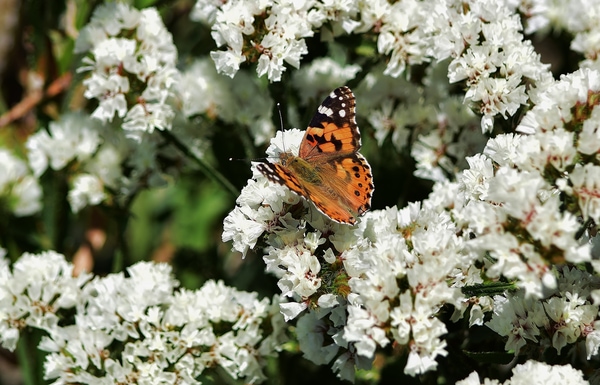
A sustainable garden is not just about growing your own plants, it’s really a mini-ecosystem that’s supporting all sorts of wildlife.
Plant flowers that produce loads of nectar, so your pollinators don’t go hungry, and if you can, use native wildflowers.
Offering a small patch of land, like a brush pile, some dense shrubs, a birdhouse or a handful of seedheads will be enough to make your garden a haven for local wildlife.
6. Reduce, Reuse, Recycle
With sustainable gardening practices, you’re not just growing plants, you’re a master of creativity and resourcefulness.
Old buckets can become planters, wine bottles double as watering spikes, egg cartons serve as seed starters, and old fencing transforms into trellises.
The idea of upcycling in the garden is limitless, drawers, barrels, and broken teacups can be repurposed as planters or decor.
The thought of waste is, in fact, almost alien in a sustainable garden, and so fallen leaves are mulch, trimmed branches are edging, and grass clippings go straight into the compost heap, food miles are reduced, packaging waste cut, and you are guaranteed fresher, more delicious vegetables.
7. Grow Your Own Food
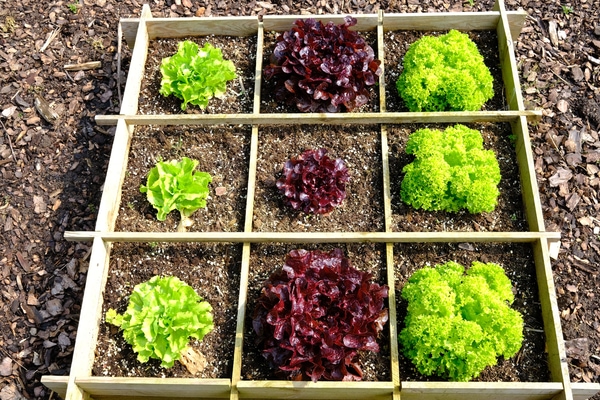
You’re able to kick things off with tomato, herbs, salad greens, zucchini, and radishes, which are kind to the gardener, and really productive, plus organic seeds or seedlings will help you contribute to sustainable farming from the bottom up.
Every year rotating crops, you stop the soil from running out of its most important nutrients, and also kill off any problems that were building up.
Now, edible perennials like berry bushes, asparagus, rhubarb, and artichokes are fantastic in a sustainable garden.
They give back year after year, don’t demand lots of care and attention.
8. Think Long-Term
Coming to a garden with a long-term vision is something that sustainable gardening practices need. Investing in top-quality, long-lasting tools will save you money and waste in the long run.
Plastic usage should be a rare thing in a sustainable garden too.
Biodegradable pots, wooden labels, or metal ones are a much better option. Plan for what the mature plant will look like, so there isn’t overcrowding and a waste of resources, watch your garden evolve over time and learn from its progress.
Saving seeds is basically a no-brainer, it’s cheap, and makes you feel great. Why do it? Reduces dependence on commercial seed suppliers, saves heirloom varieties, puts money back in your pocket, and helps localisation.
Well-known seed savers include beans, peas, sunflowers, marigolds, lettuce, share any surplus seeds with neighbours, schools, or local community gardens.
If you want a really efficient garden, you need a well-thought-out layout. This helps reduce maintenance and gets the most out of your space.
Zoning is a good idea too, grouping your plants by their water requirements so you don’t over or under-water them, and maximizing sunlight is a priority, placing sun-loving plants in the best spots, and those that prefer shade in their happy place.
We need to be careful not to compact the soil either, so putting paths in place is a good idea, and adding windbreaks will shield delicate plants and stop them from drying out.
Summary
You may envision a “wild” and untamed space, when you think of a sustainable garden. However, it’s not necessary to make such a choice. Sustainable gardens can be as neat, beautiful, artistic, and modern as you want them to be, by combining principles and aesthetics with the concept of curved, raised beds, color-coordinated flowers.
The aesthetic of your garden might be enhanced through reclaimed wood structures, wildflowers planted into corners, and beauty and sustainability are never mutually exclusive in it.
When we make an attempt to apply sustainable gardening practices, we’ll start to experience a multitude of positive changes.
An area with water scarcity can see the return of the birds and the increase in the number of butterflies and richness in the soil, plants gaining strength and the need for maintenance dwindling.
Sustainable gardening isn’t about fixing ecological issues, it is about rekindling our bond with the natural world on a fundamental, individual level, and about being hands-on in the cycle of life, which has been passed down through the centuries and is generous, boundless, and highly gratifying.
When you see your tiny corner of the world greener, healthier, and pulsing with life, and know that it was you who made it this way, there’s something deeply pleasing about it.
It’s not necessary to change everything at once, choose one, two or three suggestions from this guide and gently begin your journey.
Sustainable gardening is a continuous process and is not a finish line. It’s a mindset. A lifestyle and a way of cohabiting with your surroundings, and the smallest effort can be substantial, and your garden will respond to it.