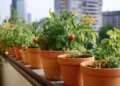
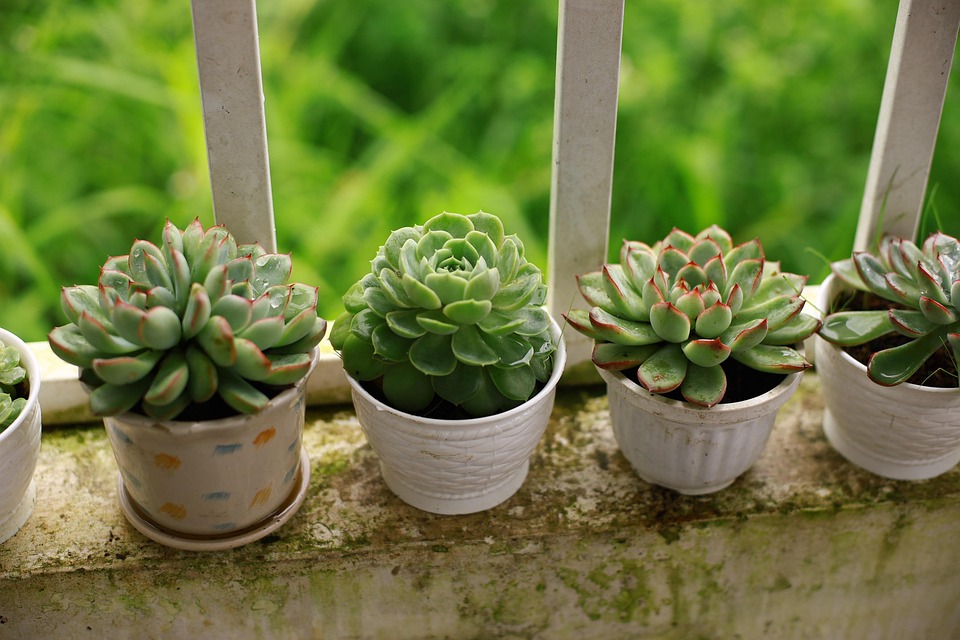
It’s all too common for us to lose out on the benefits of nature, when living in the city. However, your balcony is basically a blank space that you can turn into anything you want, a lush and vibrant oasis, in particular.
Well-known strategies, such as recycling, repurposing and vertical gardening can be used to elevate your balcony garden.
Why Balcony Gardening?
Space is at a premium, and concrete is the dominant landscape, when you live in a city.
A balcony garden is a refreshing escape from the urban landscape and can be enjoyed in even the smallest apartment or high-rise building, here are five of its best features.
1. Enhances Air Quality
Plants purify the air by absorbing carbon dioxide and releasing oxygen, so with a mini-garden on your balcony, you can significantly improve the air quality of your home.
Plants like peace lilies, ferns and spider plants are especially good at clearing the air.
Learn more about air-purifying plants >
2. Reduces Stress and Boosts Mental Health
Growing your own plants has a calming effect, and the act of watering, pruning and watching your plants grow and flourish are simple pleasures that clear out stress and boost mental health, and a balcony garden can serve as a private sanctuary for reflection and relaxation surrounded by peaceful surroundings.
3. Supports Sustainable Living
People who grow their own herbs and vegetables, and even fruits can feel an incredible sense of accomplishment and reduce plastic packaging.
Easy-growing herbs, such as basil, mint and parsley thrive in balcony pots and show one way of following a sustainable, self-sustained lifestyle, cutting your need for store-bought produce.
4. Improves Aesthetics and Property Value
Since a well-designed balcony garden, adds color, life, a touch of texture, and beauty to one’s home, boosting up the looks of a place, raising property value and making homes more attractive to buyers or renters.
5. Promotes Better Climate Control
Well-known benefits of plants include acting as a barrier to excessive heat and glare.They block out the intense sun and decrease heat absorption.
This luscious balcony garden keeps your home cooler in the summer months and reduces the need for air conditioning leading to cheaper energy bills.

Preparing For Your Balcony Garden
Assess Your Space
Before planting anything, evaluate your balcony:
Assessing the amount of sunlight and shade it receives, and how that will affect your choice of plants, when planning your balcony garden you’ll want to take a good hard look at the space.
South-facing balconies get loads of sunlight, making them perfect for vegetables and flowering plants, while north-facing ones are better suited for ferns, ivy and mint, so it’s great to know which one your balcony is.
Well-known for its limitations, your balcony’s space and layout need to be measured and planned out, with enough room for movement, and big pots not blocking the way or getting too close to the edges.
There are also weight limits on your balcony, so before adding anything too heavy like large soil beds, check to see if your structure can handle the load. Lightweight pots or wall-mounted planters are good alternatives for smaller spaces.
It’s also necessary to plan for water supply and drainage so that your plants don’t drown in water.
Choose the Right Containers
Getting the right containers is half the battle, and affects everything from the health of your plants, how much time they’ll take to maintain and the overall look of your outdoor space, when building a balcony garden.
Well-known herbs such as basil and parsley do perfectly well in shallow containers, but vegetables, flowering plants and small shrubs need more space and therefore deeper pots are the way to go.
A good rule of thumb is to pick a pot that has a few inches of space at the top for the plant to grow into.
When deciding on the material of your pot, you’ll need to weigh the pros and cons.
Plastic pots are extremely light weight, very reasonably priced and a breeze to move around, making them perfect for balconies that have limited load carrying capacity.
Terracotta and clay pots, on the other hand, let in lots of oxygen but dry out very quickly so require regular watering.
If you want a modern look, metal or ceramic planters are great, but can trap heat, so they’re best suited to shady spots.
Fabric grow bags are a fantastic option for anyone who wants something that’s portable and has no hassle in storage.
A good drainage system is basically a must to stop root rot, so make sure your pots have drainage holes and a tray underneath to catch any excess water, and don’t be afraid to cover up the ugly plastic base with a decorative outer pot.
You need to think about the design of your balcony and the space you’re working with when selecting pots, coming across things like hanging baskets, railing planters and vertical stackers that will fill up space and add visual interest to your garden.
Lastly, if you want your balcony garden to last, go for pots that can stand up to the elements, are very hardy and won’t get damaged by sunlight, wind and rain.
It may cost a bit more now, but will save you time and money in the long run.
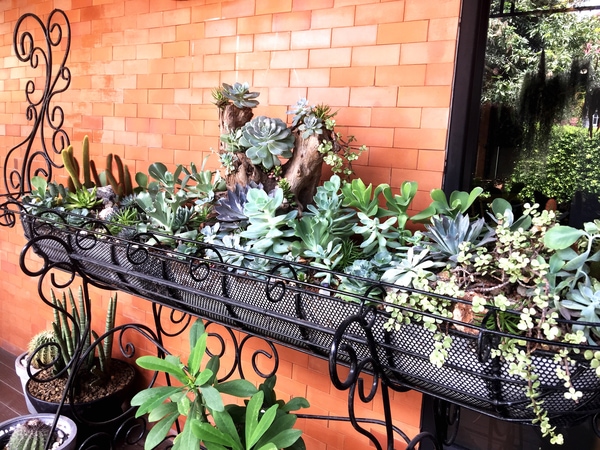
Drainage Matters
To establish a healthy balcony garden, proper drainage is a must. Excess water can accumulate in pots, smothering the roots and resulting in rot, fungus or pest infestations.
To get it just right, choose containers with bottom drainage holes, which can be created in decorative pots with an inner plastic insert and holes.
Adding a drainage layer is a good measure, before adding soil; pebbles, broken terracotta and gravel are all effective materials that let surplus water pass through and prevent root rot and root bound roots.
The potting mix needs to be light weight and well draining; avoid heavy garden soil and improve the aeration by adding perlite or coco peat.
A layer of drainage is not enough, you need to catch the surplus water with a tray or a saucer, that will keep your floors safe from stains and leaks.
Well-known benefits can be seen in a balcony garden, which will be less, more manageable and virtually mess-free and will give rise to healthier and more resilient plants.

Creative Balcony Gardening Ideas
1. Vertical Gardens
If floor space is limited, consider a vertical garden. These utilize wall space for planting, making the most of your square footage.
Tips:
- Use wall-mounted planters or trellises for climbing plants like peas or beans.
- Consider modular systems that allow for rearranging plants easily.
View our guide to indoor vertical gardening >
2. Edible Gardens
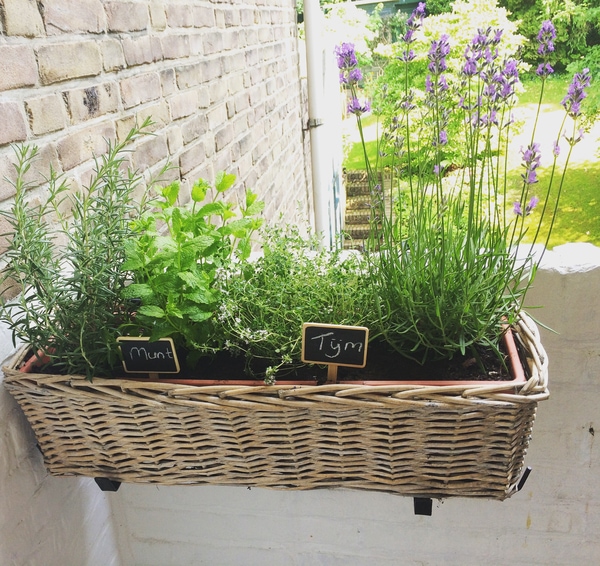
Add a touch of sustainability by growing your own food. Herbs, vegetables, and even dwarf fruit trees can thrive in containers.
Herbs to Try:
- Basil: A great companion for tomatoes, thrives in sunny spaces.
- Rosemary: Hardy and aromatic, requires little maintenance.
- Mint: Grows vigorously; keep it in a separate pot to prevent spreading.
Vegetables:
- Lettuce and Spinach: Fast-growing and perfect for small spaces.
- Cherry Tomatoes: Compact varieties yield delicious fruit.
3. Flower Power
Enhance your balcony’s aesthetic with flowering plants. Opt for a mix of perennials and annuals to ensure year-round beauty.
Options:
- Petunias: Vibrant flowers that bloom all summer long.
- Geraniums: Hardy and flourish in sunny spots.
- Marigolds: Great for pest control and add popping colors.
4. Cozy Seating Area
Create a relaxing corner to unwind.
Consider:
- Compact Chairs or Benches: Choose lightweight, foldable furniture for easy rearrangement.
- Outdoor Rugs: Add softness underfoot and a pop of color.
- Cushions and Throws: Weather-resistant fabrics make your space cozy.
5. Ambient Lighting
Lighting can transform your balcony into a magical evening retreat. Incorporate various elements:
- String Lights: Hang these along the railing or around your seating area.
- Lanterns: Use solar-powered lanterns for an eco-friendly touch.
- Candles: Add scented candles for ambiance and relaxation.
6. Themed Gardens
Consider creating a themed garden. This adds an element of surprise and delight.
- Mediterranean Oasis: Use herbs like thyme, oregano, and rosemary, alongside terracotta pots and blue accents.
- Tropical Retreat: Incorporate large-leaf plants like monstera or banana plants for a lush, jungle feel.
- Zen Garden: Use gravel, small stones, and minimalistic plants like bamboo and succulents for tranquility.
7. Seasonal Planting
Maximize the beauty of your balcony by embracing seasonal planting.
Swap out plants as the seasons change to keep your garden fresh and exciting.
- Spring: Plant tulips and daffodils for cheerful blooms.
- Summer: Choose sunflowers and daisies for vibrant colors.
- Fall: Add chrysanthemums and ornamental kale for stunning autumn scenery.
- Winter: Opt for evergreens or decorative branches for a simple yet elegant look.
Addressing Common Questions
How Much Sunlight Do My Plants Need?
Most flowering plants and vegetables thrive in 6-8 hours of sunlight a day. Assess your balcony throughout the day to determine perfect plant placements.
What is the Best Soil for Container Gardening?
Use high-quality potting soil designed for containers. This provides essential nutrients and ensures proper drainage.
How Do I Manage Pests?
- Employ natural repellents like neem oil to deter unwanted insects.
- Introduce beneficial insects like ladybugs for organic pest control.
- Regularly check plants for signs of pests and act swiftly if detected.
View our guide to eradicating pest infestations>
What Should I Do During Extreme Weather?
Protect your plants during extreme weather conditions by:
- Bringing potted plants indoors during storms or extremely high winds.
- Covering sensitive plants with cloth or plastic during frost.
- Watering adequately during heat waves, prioritizing morning or evening hours.
Summary
As for creating a personal urban oasis, the potential of your balcony is waiting to be unleashed.
With a touch of creativity and thoughtfulness, you can turn your balcony into an inviting space that serves as a retreat from the hustle and bustle of city life.
If, you find yourself at home and spending time in your space you can bring in some real serenity.
This green space has a double benefit: not just for the beauty that it brings, but for contributing to your surroundings as well.
You’ll love watching your edible gardens grow, as well as the vibrant flowers, or will be snuggled away in your perfectly formed cozy nook.
So why not take a moment to think about turning your balcony into an idyllic retreat, and get planting today.
Learn more about the Art of Indoor Gardening >