
Taking into account how to clean and improve the air quality in our homes, the rise of pollution and toxins can be a daunting issue.
However, there’s a simple and effective solution to remove toxins and stale air from our homes, namely air-purifying houseplants.
In addition to adding beauty to a space, houseplants work tirelessly, in fact, and are well known to scrub the air from our space by purifying toxins and improving levels of oxygen, rendering.
In our countdown to the top rated houseplants we’ll see ten outperformers on the air purification stakes.
This is also going to be a practical guide and show you how to find the right one to grace your home.
The Benefits of Air-Purifying Houseplants
Air-purifying houseplants have been proven to improve the overall air quality in indoor spaces.
They work by absorbing toxins, such as formaldehyde, benzene, and trichloroethylene, through their leaves and roots.
These plants then convert these harmful chemicals into oxygen, creating a cleaner and healthier environment for you and your family.
Some of the key benefits of air-purifying houseplants include:
- Reducing indoor air pollution
- Improving oxygen levels
- Boosting mood and reducing stress
- Promoting better sleep
- Increasing productivity and focus
Top 10 Air-Purifying Houseplants
When selecting air-purifying houseplants for your home, it’s important to consider factors such as lighting, watering, and space constraints.
Well-known and popular air-purifying plants that are easy to care for and fit the bill are the spider plant, peace lily and snake plant.
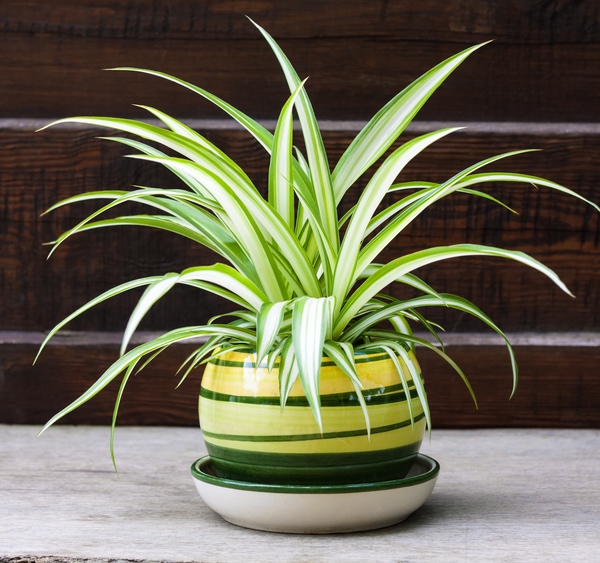
1. Spider Plant (Chlorophytum comosum)
The Spider Plant is widely regarded for its ability to banish nasty formaldehyde and xylene from the air, a great beginner’s option, and loves bright, indirect sunlight and once-weekly watering.
They can be cloned easily with babies which can be planted to create a brand-new spider plant.
Adding one to your bedroom or living space will seriously improve the quality of the air in your home.
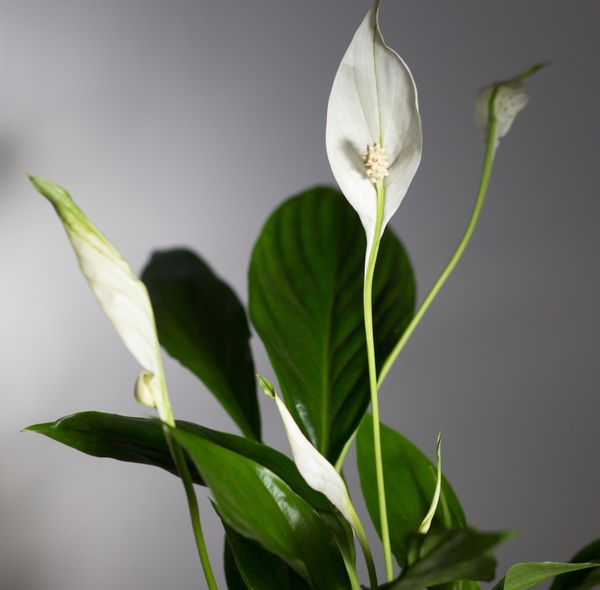
2. Peace Lily (Spathiphyllum)
The Peace Lily, that not only has incredible air-purifying qualities, ridding indoor air of ammonia, benzene, formaldehyde and trichloroethylene, but its glossy green leaves and elegant white flowers have won it a spot in even the best of living rooms and offices.
The peace lily will be happy in low to moderate light and needs a soaking wet soil at all times.
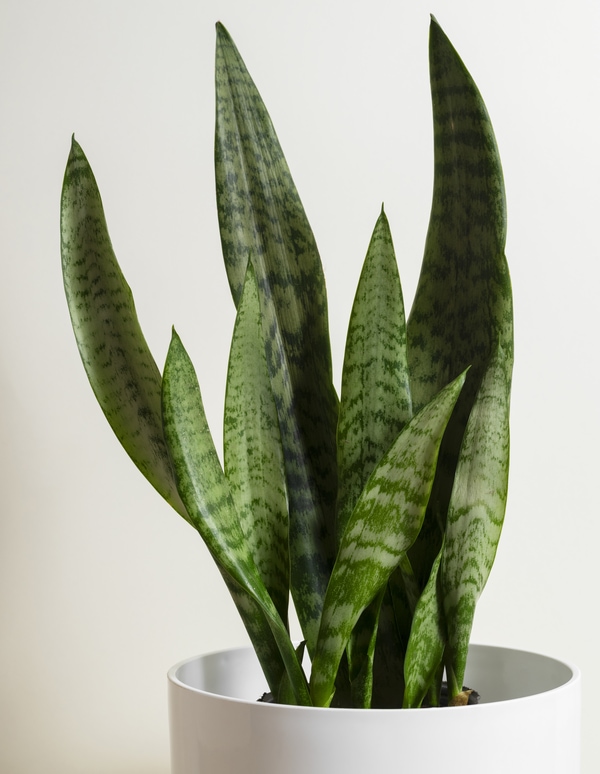
3. Snake Plant (Sansevieria trifasciata)
Snake plants, also known as mother-in-law’s tongue are known as tough and adaptable, and are basically untouchable when it comes to filtering formaldehyde, xylene, toluene and nitrogen oxides.
What’s more, they can even photosynthesise at night, sending out oxygen as you sleep, making them a bedroom staple, and need absolutely minimal care.
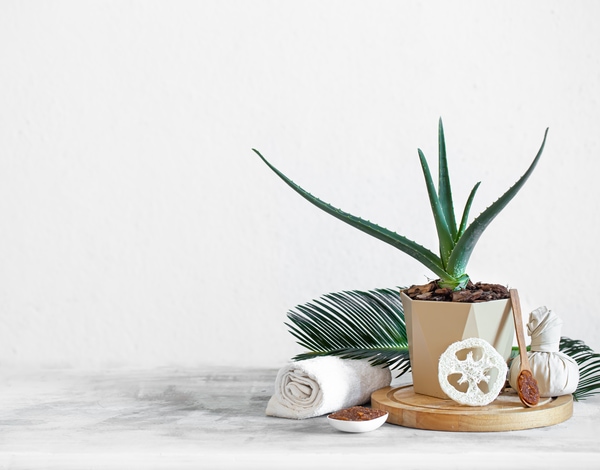
4. Aloe Vera (Aloe barbadensis miller)
Well-known for its healing properties, Aloe Vera also functions as a natural air purifier, removing formaldehyde and benzene that are commonly found in cleaning products, and is particularly happy in sunny spots.
It’s essentially low-maintenance requiring infrequent watering and thrives in bright, indirect sunlight.
Coming from a first aid kit, the gel can soothe minor cuts, burns, and skin irritations.
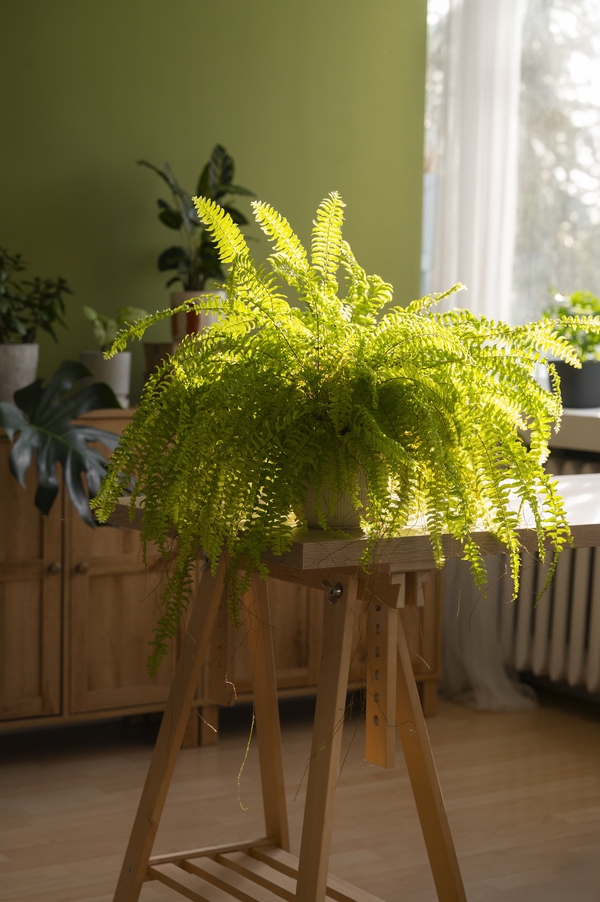
5. Boston Fern (Nephrolepis exaltata)
Boston ferns, also famous for removing formaldehyde and xylene, and are super good at boosting the humidity in your home, which is fantastic for dry indoor spaces.
Boston ferns love high humidity, indirect light and consistently damp soil. They’re especially at home in bathrooms, kitchens and living rooms where the air is pretty humid.
Care tips for Boston ferns are to get them indirect sunlight, and make sure the soil is consistently moist, you should also mist the leaves regularly. Regular pruning is necessary to prevent the fronds from frizzling.
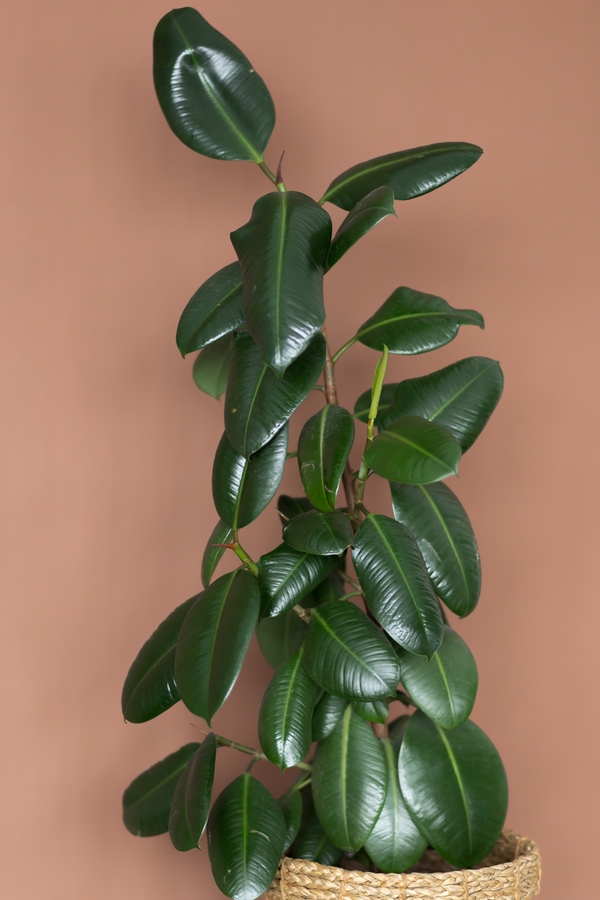
6. Rubber Plant (Ficus elastica)
Rubber plants are tough, sturdy and knock out formaldehyde.
Coming in larger sizes they’re ideal for expansive spaces with their glossy, dark green leaves.
They don’t ask much of their owners, requiring moderate light and minimal watering. Regularly wiping the leaves with a damp cloth will also really kickstart their purification powers.
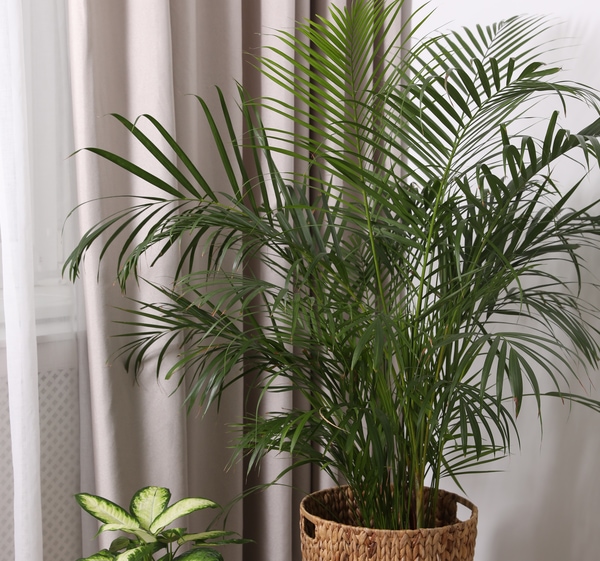
7. Bamboo Palm (Chamaedorea seifrizii)
The bamboo palm is another plant that removes benzene, formaldehyde and trichloroethylene and has that beautiful elegance that makes it perfect for corners and open areas.
They like moderate light and consistently moist soil, and they’re also great at adding humidity to dry air, too.
Care for a bamboo palm is relatively simple, give them indirect light, never direct sunlight, and make sure the soil doesn’t dry out, misting the leaves will keep them happy.
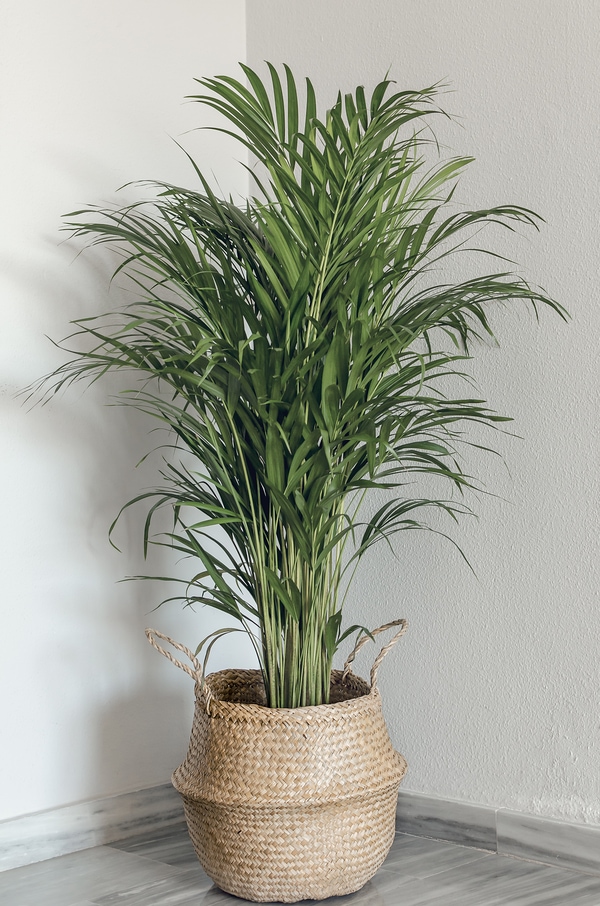
8. Areca Palm (Dypsis lutescens)
Areca Palms, being one of the best natural humidifiers and air purifiers, remove toxins and add moisture to the air, making them a standout option for dry, air-conditioned spaces, while their feathery fronds and moderate size make them a popular choice for living rooms and offices.
The care tips for Areca Palms include bright, indirect light and regular watering but they should not be waterlogged.
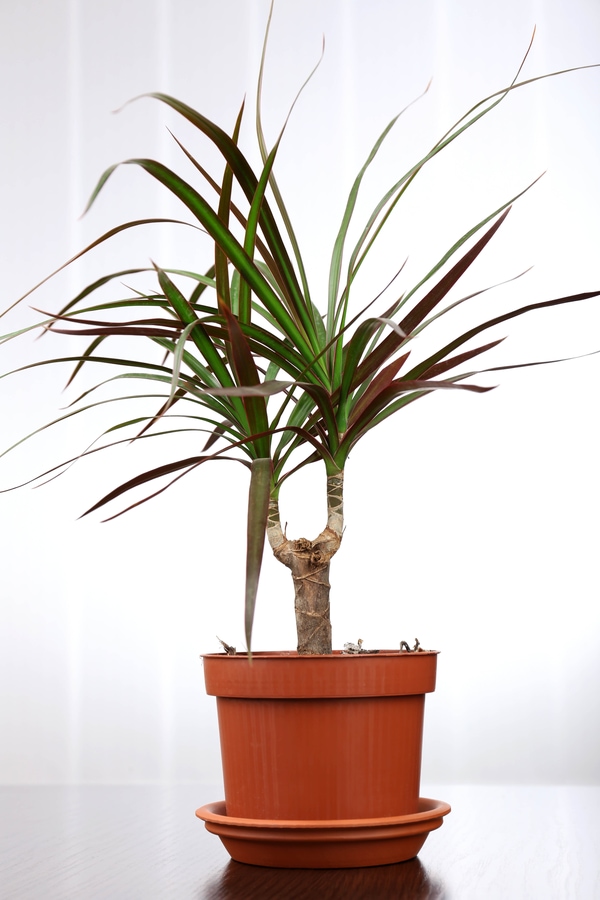
9. Dracaena (Dracaena marginata)
Another plant that knocks out toxins is Dracaena, highly effective in purifying formaldehyde, xylene and trichloroethylene.
It has slender, stylishly red-tinged leaves that’s perfect for a home office, bedroom or living room and can live happily in indirect, bright light, when watered only when the soil feels dry.
Coming from a family of plants that’s not too prone to overwatering is good news for newbies, but Dracaena can be bad news for pets so should be kept away from them.
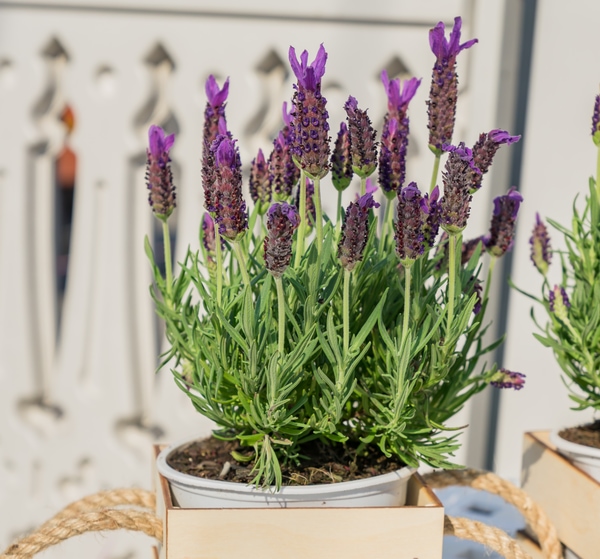
10. Lavender (Lavandula angustifolia)
Well-known for its stress-reducing fragrance, calming sleep effects, and ability to repel mosquitoes, lavender is a natural air purifier that can be put in sunny spots and loves dry, well-drained soil.
It’s great for windowsills, kitchens or bedrooms, and has moderate watering needs, allowing the soil to dry between waterings. Lavender can be harvested for making your own essential oils, sachets and teas.
Tips for Caring for Air-Purifying Houseplants
To ensure that your air-purifying houseplants thrive and continue to improve the air quality in your home, follow these simple care tips:
1. Proper Lighting
Most air-purifying plants prefer indirect sunlight. Be sure to place them near a window or in a well-lit area of your home to ensure they receive enough light to thrive.
2. Watering Schedule
Overwatering can be detrimental to air-purifying plants. Be sure to water your plants only when the soil is dry to the touch. It’s better to underwater than overwater.
3. Humidity Levels
Some air-purifying plants, such as peace lilies, thrive in high humidity environments. To improve humidity levels, mist your plants regularly or place a humidifier nearby.
Common Questions About Air-Purifying Houseplants
Here are some common questions about air-purifying houseplants:
1. Do air-purifying plants really work?
When discussing air-purifying plants, a question on many minds is do they really cut through pollution and make indoor spaces healthier.
Well-known research by NASA showed that certain plants, including snake plants, peace lilies and spider plants, are able to absorb nasty chemicals such as formaldehyde, benzene and trichloroethylene.
They can do so with the help of their roots, and even more so, by the beneficial microbes in the soil that break down the pollutants.
Coming from the world of research, we also know that plants can boost the humidity in a room, send airborne dust packing and send us all into a more positive mood, turning our homes into a lot more inviting and liveable spaces.
However, it’s true that the NASA tests didn’t happen in your average house, they were conducted in sealed, isolated spaces.
Regular homes, on the other hand, are bigger, and get fresh air coming in and out of them all over the place, as well as brand-new pollutants being introduced. So, for a really significant air cleaning effect, you’d need lots of plants all over the house, plus proper ventilation.
Air-purifying plants are still worthwhile, though, not only do they scrub the air, they’re gorgeous, don’t require much upkeep, and knock down stress levels.
Paired with HEPA filters, regular cleaning and cutting back on chemical use, they’re basically part of a complete plan for cleaner air and a healthier home.
2. How many plants do I need to see a difference in air quality?
As for air-purifying plants, people are often curious about how many are needed to make a difference. Well-known research shows that plants do absorb toxins, such as formaldehyde, benzene and trichloroethylene, but the results in the average home are relatively modest.
According to NASA studies, a single plant per 100 square feet of space is required in a controlled environment for the air-cleaning effects to be measurable. In real-life homes, a factor in how well plants work can be the state of the ventilation, and size of the room, in addition to continuing sources of pollution.
However, positioning a single plant in the spot you spend the most time in, like a bedroom or living room, could be most effective and can be supported by scattering more plants around your home to bring the best air cleaning results.
Combining different types of air-purifying plants, snake plants, spider plants and peace lilies are a popular option to increase their efficiency.
In general, a few well-chosen air purifying plants will provide some, albeit relatively modest, improvements in ambiance and well-being, but they won’t be able to noticeably clean your air, and you will need to assemble a much larger and more intentional grouping to be sure of real results.
3. Can I use air purifying plants in my bedroom?
When it comes to adding plants to your bedroom, air-purifying plants are a fantastic idea, and it’s completely safe to do so.
Coming from the home furnishings, cleaning supplies and electronic devices, there are several toxins that can be found in our bedrooms, such as formaldehyde, benzene and trichloroethylene.
These plants have the ability to knock out these pollutants, plus can up the humidity in the air, kill dust mites, and make for a calming and peaceful atmosphere that will send you drifting off to sleep much more easily.
Well-known bedroom-friendly air-purifying plants include the snake plant, the peace lily, the spider plant and aloe vera, all of which can be easily integrated into any bedroom.
Snake plants, for instance, are night owls, pumping out oxygen even in the dead of night, and the peace lilies not only get rid of nasty toxins, but also burst into gorgeous flowers, while the spider plant is basically self-sufficient and won’t harm your pets. The soothing properties of aloe vera make it an excellent choice for any bedroom.
When placing your air-purifying plants in your bedroom, take into account the lighting and watering requirements, most of these plants don’t require a lot of sunlight and don’t need much watering. Just don’t drown them, as this leads to the growth of mould and vermin.
Summary
Looking to purify the air in your home, air-purifying houseplants are the way to go.
These plants will provide you with the peace of mind of breathing in cleaner air, a healthier environment, and the aesthetic appeal of a beautiful space, as long as you pick the right plants and look after them well.