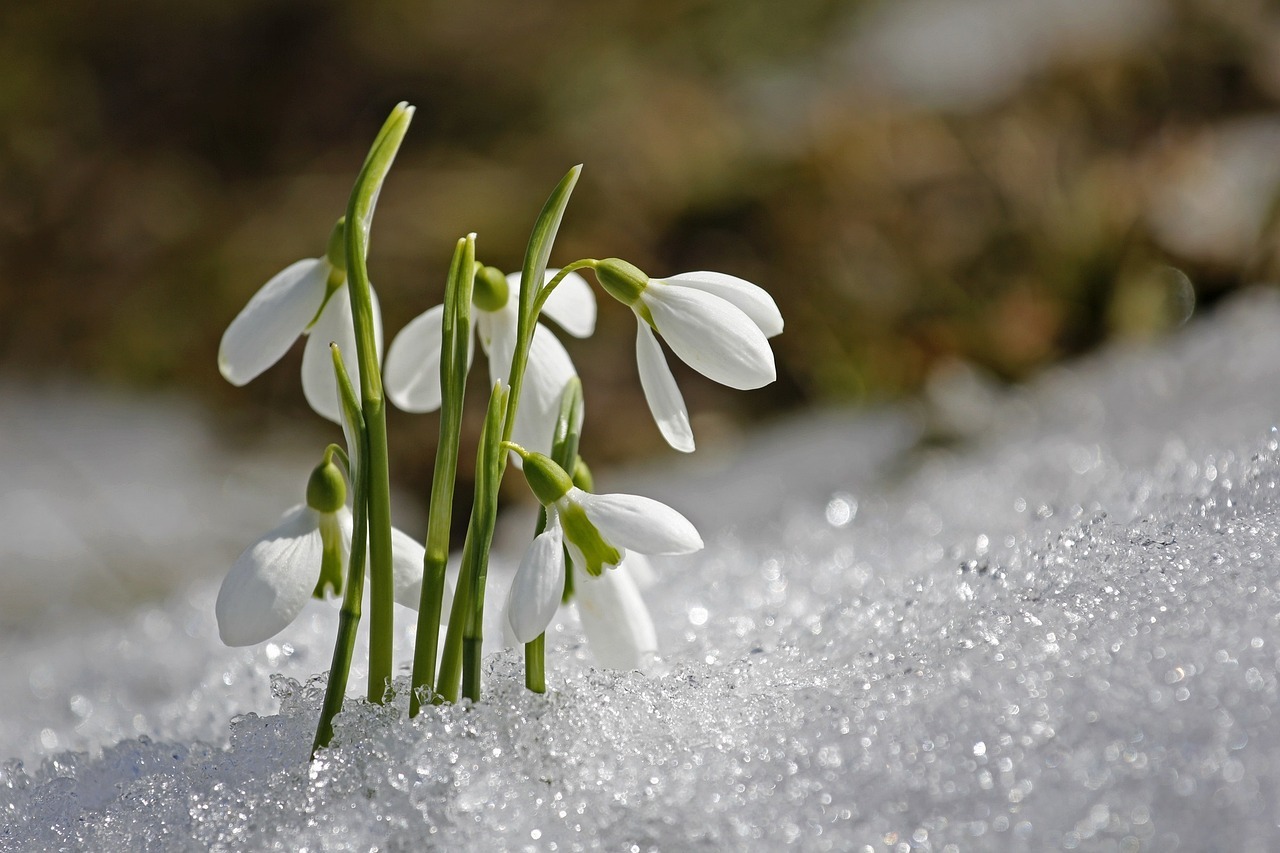
Looking at out the window at the winter landscape, it’s hard not to feel like the world is in a deep freeze, and that the ground is all that’s left of the garden.
However, beneath the frosty surface, a tiny miracle is taking place, as snowdrop bulbs start to emerge, the sign of the end of the cold period, and the beginning of the longer and warmer days to come.
The Galanthus, otherwise known as the Snowdrop is one of the first flowers that people get to see when it starts getting warmer.
Well-known to gardeners and nature lovers for its beautiful delicate white petals that seem to float above the stark winter landscape, the intrinsic beauty of the snowdrop bulb is often the source of inspiration for artists and poets.
It’s symbolic of hope and renewal, and that’s not all.
Some reasons why the snowdrop bulb stands out include its habit of blooming as early as January or February, showcasing the first sign of life in a garden which is otherwise barren., the hardy nature of these bulbs and the ability of a good bloom to continue even in the snow, and how incredibly low maintenance they are, basically no fuss and no muss.
A Brief History of Snowdrop Bulbs
Snowdrops have a rich history in Europe, they’ve been here since the Victorian times.
Coming from Europe, they were given lots of attention and care and were seen as pure and hopeful, making them popular as a gift in the winter months, and according to old wives’ tales, they even have magical powers.
Species of Snowdrops
Galanthus nivalis – The Common Snowdrop
When it comes to snowdrops, Galanthus nivalis the common snowdrop has conquered much of Europe and beyond, and in its native parts of central and southern Europe.
It can create breathtaking carpets of blooms in the woodlands and gardens it has naturalised in.
At only 7 to 15 centimeters high, with greyish green leaves and flowers that appear from January through to March, this adaptable plant is not difficult to find. The pointed inner petals have a tell-tale green mark at the top that can be used to distinguish it from other varieties.
G. nivalis has been cultivated for centuries, and out of this process have sprung numerous varieties that have taken on different markings, shapes and even double flowers.
Snowdrops’ “galanthophilia”, their being cherished, collected and bred, is, largely a consequence of G. nivalis’s massive popularity, and lots of its varieties, prized for their unique centre markings or explosive growth, have been given great value by collectors.
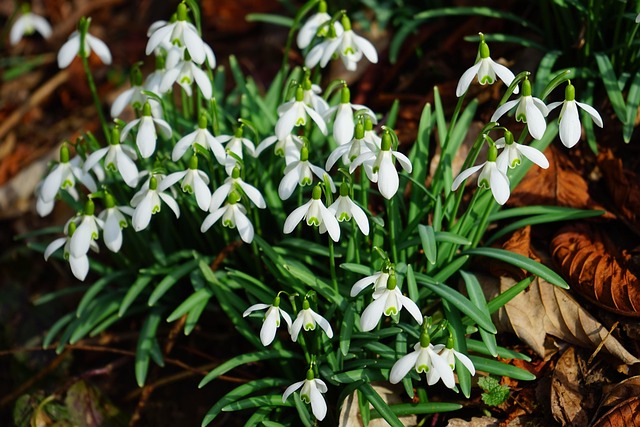
Galanthus elwesii – The Giant Snowdrop
Coming in at a bigger stature than the common snowdrop, Galanthus elwesii, as its name would suggest, is one of the largest.
Originating in the Balkans and Western Asia, this particular species has thick, bluish-grey leaves and flowers with daring green stripes on the internal parts.
It is particularly sought out by gardeners since it flowers so early, even in milder winters, in December.
Because of its flexibility and scale, Galanthus elwesii is, in the eyes of collectors, the top snowdrop, and it has given rise to a lot of new hybrids that are prized for their striking inner markings or exceptionally vigorous growth.
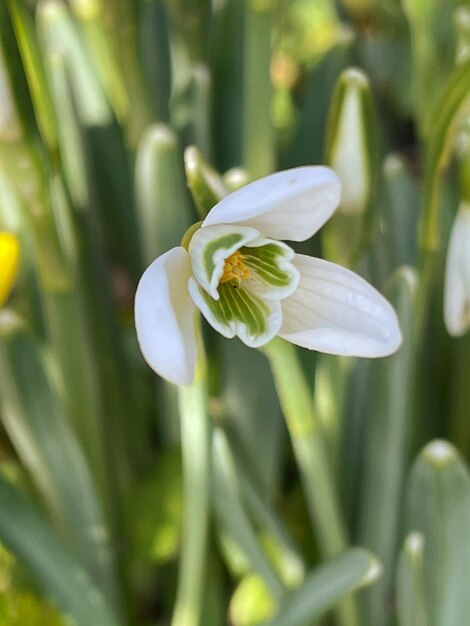
Galanthus plicatus – The Pleated Snowdrop
The Crimean Galanthus plicatus has its name from its pleated leaves, and is a standout with its broad, greyish green leaves.
It flowers in late winter and early spring and its flowers are relatively large.
Its delicate balance of foliage and stature make it the epitome of elegance according to horticulturists, and is famous in one of its hybrids, ‘Wendy’s Gold’, that has a rare yellow-tinged ovary and markings instead of the usual green.
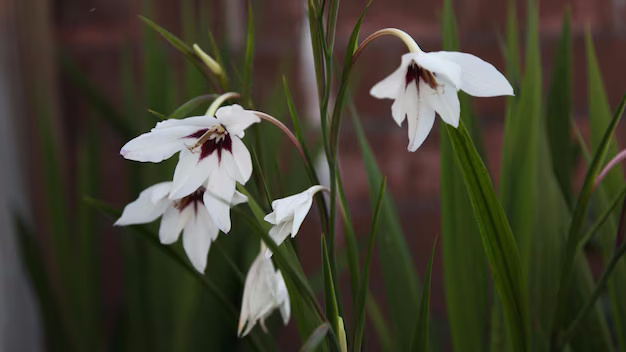
Galanthus woronowii – The Green Snowdrop
The Green Snowdrop, Galanthus woronowii is known for its bright, glossy green leaves that are in marked contrast to the greyish green colour of other species.
Native to the Caucasus and northern Turkey, it flowers a bit later than G. nivalis. In terms of the appearance of Galanthus woronowii, its flowers are large, with the inside of the petals marked by a green patch.
Well-known gardeners value the plant’s stunning foliage, adding to its ornamental appeal after the flowers have faded.
Galanthus reginae-olgae – The Queen Olga’s Snowdrop
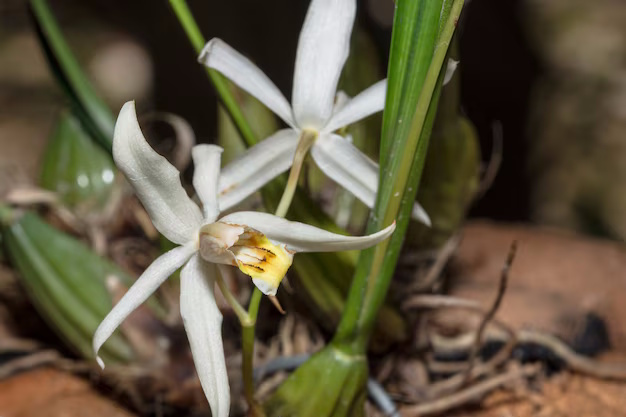
Coming from the Balkans and southern Italy, Galanthus reginae-olgae, or the Queen Olga’s Snowdrop, is a true standout in the snowdrop family, with its autumnal flowers.
They bloom in October or November in many parts of the world, well before other snowdrops appear and hence make it a much sought-after species by collectors, who also value its uniqueness in the usually predictable world of seasonal flowers.
This species was named after Queen Olga of Greece who reigned in the late nineteenth century.
Lesser-Known Species
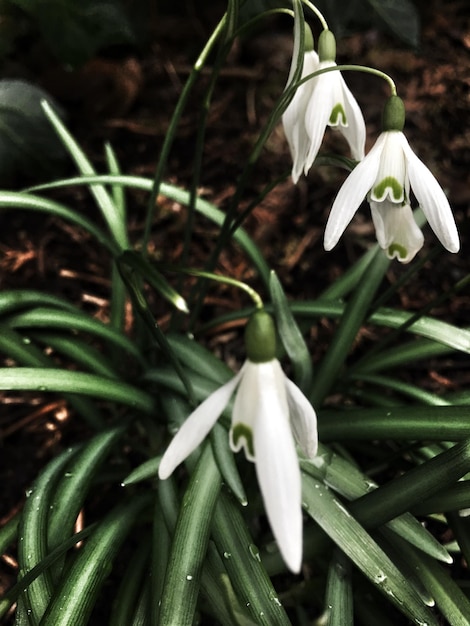
As the majorly recognized and grown species aren’t the only ones of interest in the Galanthus world, there are other notable ones like the Caucasus found Galanthus alpinus, Galanthus fosteri from Syria and Lebanon, the rounded inner petals of Galanthus ikariae, a product of the Greek isle of Ikaria, and the rare Galanthus transcaucasicus from the Transcaucasus region.
These more unusual snowdrops not only add to the species’ rich genetic makeup, but are also tailored to regional microclimates and conditions.
Snowdrops in Culture and Conservation
Coming from a deep-rooted cultural history, snowdrops are considered symbols of purity, hope, and renewal and turn up in a lot of folklore as a sign of the coming of spring. However, because they’re also transitory and white, they are sometimes related to mourning and remembrance.
Conservation is now a pressing issue for snowdrops, many wild populations are facing annihilation because of habitat loss, over-harvesting and changing climates.
The international trade of wild-collected snowdrops is regulated by the Convention on International Trade in Endangered Species (CITES) and morally responsible growers cultivate these plants from bulbs or seeds, so that they can enjoy them without depleting the natural stock.
Planting Snowdrop Bulbs: A Step-by-Step Guide
As planting snowdrop bulbs you’ll need a spot with well-drained soil that’s got partial shade.
Look for areas under deciduous trees or shrubs that they’ll be able to bask in the spring sunlight.
Loosen the soil, throw in some compost to perk it up, and get digging. Make sure the holes are 3 to 5 inches deep, plant the bulbs with the pointed end facing up, cover them with soil and give them a good soaking to kickstart the growth process.
Caring for Snowdrop Bulbs
Snowdrops don’t need much watering once they’re planted, but if the dry spell lasts a bit longer, you can give them a gentle drink to keep them happy. Mulching will also help retain moisture and control the soil temperature.
When caring for your snowdrops, they don’t require a lot of looking after. Here are a few general tips, they love little water after planting, but can be watered occasionally if the weather gets dry, and they don’t need fertilization, unless you want to give them a boost in autumn.
After the bloom has finished, let the foliage die back naturally. Don’t cut it until it’s turned yellow, as this is when the bulb is recharging for next year’s growth.
Common Questions About Snowdrop Bulbs
How do I know when to plant snowdrop bulbs?
Snowdrop bulbs are ideally planted in late summer to early fall. This gives them time to establish roots before the ground freezes. If planting in spring, ensure they are planted as soon as the ground can be worked.
Are snowdrop bulbs toxic?
Yes, all parts of the snowdrop plant contain galantamine, which can be toxic if ingested. Keeping them out of reach of pets and children is advisable.
Can snowdrops grow in pots?
Absolutely! Snowdrops can be grown in containers, making them suitable for small gardens or patios. Ensure the pots have good drainage and follow the same care instructions as for garden planting.
Will snowdrop bulbs multiply?
Yes, snowdrop bulbs multiply over time, creating a natural, beautiful carpet of flowers in your garden. They can form colonies if left undisturbed.
Landscaping Ideas Featuring Snowdrop Bulbs
Incorporating snowdrop bulbs into your landscape can bring warmth and allure to your winter garden. Here are some creative ideas:
- Under Trees and Shrubs: Create a stunning display by planting snowdrops beneath deciduous trees, where they can bloom before the canopy leafs out.
- Rock Gardens: Snowdrops pair harmoniously with other early spring flowers such as crocuses and hellebores in rock gardens.
- In Pathways: Utilizing snowdrops along paths or garden borders can guide visitors through your winter wonderland.
Summary
We’re reminded that even in the coldest of months, there is still resilience and beauty to be found, when we see the Snowdrop bulbs.
Their delicate flowers add to the winter garden’s aesthetic and can’t help but fill the hearts of all who see them with joy and hope.
Well-known as one of the best flowers to plant in autumn, Snowdrops are easy to grow, but they require the right planting and care.
By planting them in a layered way and cutting them back to the ground in summer, you’ll get the best out of these timeless beauties, who will light up your winter garden.
If you’re a seasoned gardener or just starting out, include Snowdrop bulbs into your landscape to be consistently mesmerised by their beauty.
When it comes to planting them you’re not required to be a master gardener, even if you’re brand-new to the world of gardening.
Simply understanding the principles of planting and caring for Snowdrop bulbs, and you’ll be able to produce a show-stopping display. They’re a reminder of the life and hope that is awakened by them.