
Whether you want carnations for flower arranging, a sunny patio container or simply to add more color to your garden, this guide covers everything you need to know to learn how to grow carnations.
Carnations are one of those flowers that can sometimes be underestimated. We tend to associate them with bouquets and florist displays, but growing carnations at home reveals just how attractive these plants really are.
With their frilly petals, spicy-sweet fragrance and impressive range of colors, carnations can bring months of interest to borders, containers and cutting gardens. Better still, once you understand what they like, they are relatively straightforward to grow.
The botanical name for the florist’s carnation is Dianthus caryophyllus. It belongs to the same family as garden pinks and sweet Williams, and you can certainly see the resemblance.
Learn more about Plants by Name >
Carnations at a Glance
Botanical name: Dianthus caryophyllus
Common name: Carnation
Plant type: Short-lived perennial, often grown as an annual or biennial
Typical height: Around 12-30 inches, depending on the variety
Sun: Full sun
Soil: Fertile, free-draining soil
Flowering period: Usually late spring through summer
Flower colors: Pink, red, white, yellow, orange, purple and many bicolored combinations
Suitable for containers: Yes
Good for cut flowers: Excellent

Why Grow Carnations?
The obvious attraction is their flowers.
Carnations produce wonderfully ruffled blooms, often on long stems that make them particularly good for cutting. Many varieties are also fragrant, with a scent that can be described as sweet, spicy or reminiscent of cloves.
I also like carnations because they provide a surprisingly long flowering season when regularly deadheaded.
They work beautifully in:
Cottage gardens
Cutting gardens
Sunny borders
Gravel gardens
Patio containers
Window boxes
Raised beds
Their relatively compact growth also means you don’t need a huge garden to enjoy them.
Choosing Carnation Varieties
There are numerous types of carnations, and choosing the right one depends largely on where you intend to grow it.
Border Carnations
These are generally sturdy plants suitable for flower beds and borders. They produce large, attractive flowers and can return for several seasons where winters and growing conditions suit them.
Perpetual Flowering Carnations
These are the tall carnations most closely associated with florists.
They are frequently grown commercially under controlled conditions because they produce long stems and large flowers.
Home gardeners can grow them too, although they may require more protection, feeding and support.
Dwarf Carnations
Dwarf varieties are particularly useful for containers, window boxes and the fronts of borders.
They generally form compact mounds covered with colorful flowers.
Spray Carnations
Spray carnations produce several smaller flowers on each stem instead of one dominant bloom.
They’re particularly attractive in informal bouquets and flower arrangements.
The Best Place to Grow Carnations
If there is one thing carnations really appreciate, it is sunshine.
Choose a position receiving around six hours or more of direct sunlight each day.
Plants grown in excessive shade frequently become leggy and produce fewer flowers.
Good airflow is another consideration. Avoid squeezing carnations between dense plants where the foliage remains damp for prolonged periods.
Open conditions help reduce problems with fungal diseases.
Choosing the Right Soil
Drainage is extremely important when growing carnations.
These plants don’t enjoy sitting in permanently wet soil. Consistently waterlogged conditions can quickly result in root problems and plant decline.
Ideally, soil should be:
Well drained
Moderately fertile
Loose rather than heavily compacted
Neutral to slightly alkaline
If you have heavy clay soil, consider improving drainage with organic matter or growing your carnations in raised beds or containers instead.
Avoid creating an excessively rich planting hole. Very fertile soil can encourage lots of soft leafy growth at the expense of flowers.
How to Plant Carnations
Carnations can be grown from young plants, plug plants or seed.
Buying established plants is the easiest way to achieve flowers relatively quickly.
Before planting, water the plant thoroughly in its original container.
Dig a hole approximately the same depth as the root ball and slightly wider.
Place your carnation into the hole without burying the crown excessively deeply.
Backfill with soil, firm gently and water well.
Depending on the mature size of the variety, allow approximately 8-12 inches between plants.
Good spacing improves airflow and allows each plant to develop properly.
Growing Carnations From Seed
Growing carnations from seed takes longer, but it can be very rewarding.
Seeds can generally be started indoors several weeks before the expected last frost in your area.
Fill trays or small pots with seed-starting compost.
Sow seeds shallowly and cover them with a light layer of compost or vermiculite.
Keep the growing medium slightly moist but not saturated.
Place the seeds somewhere warm and bright.
Once seedlings have developed several true leaves, they can be moved into individual pots.
Gradually acclimatize young plants to outdoor conditions before planting them permanently outside.
This process is known as hardening off.
Rather than moving tender seedlings straight into full sun and cold nighttime temperatures, expose them gradually to outdoor conditions over approximately a week.
Growing Carnations in Containers
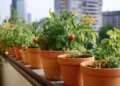
Carnations make excellent container plants, particularly compact and dwarf varieties.
Choose a container with plenty of drainage holes.
Terracotta pots are particularly attractive with carnations and also allow excess moisture to evaporate relatively easily.
Use a good-quality multipurpose potting mix with excellent drainage.
You can add ingredients such as horticultural grit or perlite if the growing medium tends to retain too much moisture.
Position containers in a sunny location.
Container-grown carnations will usually need watering more frequently than plants growing directly in the ground.
However, don’t allow them to remain permanently soggy.
Learn more about Container Gardening >
Watering Carnations Correctly
Carnations need consistent moisture while establishing themselves, but mature plants don’t generally need constant watering.
The trick is finding a balance.
Allow the upper surface of the soil to begin drying before watering again.
Water deeply rather than giving your plants tiny amounts every day.
This encourages roots to grow further into the soil.
Whenever possible, direct water toward the base of the plant instead of soaking the foliage.
Frequently wet leaves can encourage fungal problems.
Container-grown carnations require closer monitoring, particularly during hot weather.
A pot that was comfortably moist in the morning can become surprisingly dry by evening during a heatwave.
How To Feed Carnations
Carnations aren’t exceptionally demanding plants, but some supplementary feeding can encourage stronger flowering.
Plants growing in fertile garden soil may need very little additional fertilizer.
Container plants will generally require more.
During the active growing and flowering season, you can use a balanced or flowering-plant fertilizer according to the manufacturer’s directions.
Avoid excessive high-nitrogen feeding.
Too much nitrogen can create lush foliage and weak growth without producing the abundance of flowers you’re hoping for.
Pinching Carnations for Bushier Plants
If you’ve ever wondered how growers achieve beautifully branched carnation plants, pinching is part of the answer.
When young plants have developed several sets of leaves, removing the growing tip encourages side shoots to develop.
Instead of producing one tall stem, the plant begins branching.
More branches potentially mean more flowering stems.
Pinching may delay flowering slightly, but you’ll often get a fuller and more attractive plant as a result.
Supporting Tall Carnations
Some taller carnation varieties need support.
Their relatively slender stems can bend under the weight of large flowers, particularly following rain or strong winds.
Supports don’t need to be complicated.
You can use:
Small bamboo canes
Decorative plant supports
Grow-through supports
Garden twine
Plant rings
Install supports before the plants become very tall. It is much easier than trying to untangle and support stems after they have started falling over.
Deadheading Carnations
Regular deadheading is one of the simplest ways to keep carnations flowering for longer.
Once a flower begins fading, remove it rather than allowing the plant to put energy into seed production.
Cut the stem back to a healthy set of leaves or a side shoot.
Keep checking plants every few days during peak flowering.
Deadheading also improves the appearance of the plants, preventing them from becoming covered in tired brown flowers.
Cutting Carnations for the House
One of the best reasons to grow carnations is that they make superb cut flowers.
Cut stems early in the morning when plants are well hydrated.
Choose flowers that have started opening but aren’t already past their best.
Use clean, sharp scissors or secateurs.
Immediately place the stems into clean water.
Remove leaves that would otherwise sit beneath the waterline in your vase.
Changing the water regularly and keeping the flowers away from intense heat can help your carnations remain attractive for longer.
Encouraging More Flowers
If your carnation plant is producing lots of leaves but relatively few flowers, consider the growing conditions.
Common reasons for poor flowering include:
Not enough sunlight
Carnations generally flower best in full sun.
Excess fertilizer
Too much nitrogen can encourage leafy growth.
Lack of deadheading
Removing faded blooms encourages the plant to continue flowering.
Poor drainage
Constantly wet roots can weaken the entire plant.
Overcrowding
Plants competing heavily for light and nutrients may flower poorly.
Correcting the underlying problem will often improve flowering.
Growing Carnations as Perennials
Carnations are technically perennial plants, although their lifespan and winter survival vary considerably according to variety and climate.
In mild areas with excellent drainage, plants may survive several years.
Cold, wet winter soil can be particularly damaging.
If you live somewhere with harsh winters, you may find it easier to treat some varieties as annuals.
Container plants can also be moved somewhere sheltered during winter.
The important thing is avoiding prolonged waterlogging around the roots.
Winter Care for Carnations
As flowering finishes, remove damaged and diseased foliage.
Avoid cutting healthy plants back too severely while they still need foliage to generate energy.
In areas prone to severe cold, applying a light mulch around the root area can offer additional protection.
Keep mulch away from the crown itself to reduce the risk of rotting.
If your carnations are growing in containers, moving the pots against a sheltered wall can give them additional protection.
The combination of saturated compost and freezing temperatures is often more damaging than cold alone.
Propagating Carnations From Cuttings
Carnations are relatively easy to propagate from cuttings.
Take healthy, non-flowering shoots during the growing season.
Cut approximately 3-4 inches of healthy stem and remove the lower leaves.
Insert the cutting into a small pot filled with a moist but free-draining propagation mix.
Keep it somewhere bright but out of intense midday sun.
Maintain gentle moisture while roots develop.
Once the cutting has formed a healthy root system and begins producing new growth, it can be potted into a larger container.
Propagating from cuttings is particularly useful when you have a favorite plant whose flower color or fragrance you want to preserve.
Common Carnation Problems
Although carnations are fairly robust, several pests and diseases can affect them.
Aphids
Aphids may gather around tender new growth and flower buds.
Small numbers can often be removed with a strong spray of water.
Beneficial insects such as ladybugs and lacewings can also help keep populations under control.
Spider Mites
Hot, dry conditions can encourage spider mites.
Symptoms include fine webbing and tiny pale spots on leaves.
Regularly inspect the undersides of leaves so that you can identify infestations before they become severe.
Slugs and Snails
Young carnation plants can occasionally be damaged by slugs and snails.
Look for irregular holes and slime trails around plants.
Rust
Rust diseases can result in orange, brown or yellowish pustules on foliage.
Improve air circulation and remove badly affected plant material.
Avoid unnecessarily wetting the leaves during watering.
Fusarium Wilt
Fusarium and other soil-borne fungal diseases can cause yellowing, wilting and eventual plant collapse.
Good drainage and sensible watering are important preventative measures.
Avoid repeatedly planting susceptible plants in soil where serious disease has previously occurred.
Why Are My Carnation Leaves Turning Yellow?
Yellow leaves can have several causes.
The most common is excessive moisture.
Check the soil before assuming that the plant needs more water.
If it feels permanently damp, reduce watering and inspect the drainage.
Nutrient deficiencies, disease, old foliage and root problems can also cause yellowing.
A few older yellow leaves at the base of an otherwise healthy plant aren’t necessarily anything to worry about.
Sudden widespread yellowing deserves closer investigation.
Why Are My Carnation Buds Not Opening?
Flower buds can fail to open properly when plants are stressed.
Potential causes include:
Insufficient sunlight
Temperature extremes
Water stress
Pest damage
Poor nutrition
Disease
Inspect buds closely for tiny insects or signs of damage.
Also review your watering routine.
Plants repeatedly becoming extremely dry and then being heavily watered can struggle to develop flowers properly.
Companion Plants for Carnations
Carnations combine beautifully with plants that enjoy similar sunny, free-draining conditions.
Good possibilities include:
Lavender
The purple flowers and silvery foliage create an attractive contrast with pink, red or white carnations.
Salvia
Salvias provide upright flowers and are excellent for adding structure.
Catmint
Soft mounds of catmint create a relaxed cottage-garden effect.
Rosemary
In warmer climates, rosemary and carnations can work well together in sunny, well-drained areas.
Ornamental Grasses
Fine grasses contrast nicely with the strong colors and ruffled texture of carnation flowers.
Try not to surround carnations with plants that require consistently wet soil.
Choosing companions with similar requirements makes maintenance much easier.
Learn more about Companion Planting >
Carnations in a Cutting Garden
If you enjoy bringing flowers indoors, carnations deserve a dedicated section of your cutting garden.
Plant several varieties with different flowering times and colors.
You could combine:
White carnations
Deep crimson varieties
Pale blush pinks
Bright coral flowers
Yellow carnations
Striped or picotee varieties
Tall varieties are particularly useful because they produce stems suitable for arrangements.
Keep harvesting flowers throughout summer.
Regular cutting encourages the plants to keep producing more flowering stems.
Are Carnations Good for Pollinators?
Carnations can attract visiting insects, particularly simpler-flowered varieties.
Highly double flowers aren’t always as accessible to pollinators because their reproductive structures may be hidden beneath many layers of petals.
If supporting pollinators is one of your main goals, grow carnations alongside nectar-rich plants with open flowers.
Lavender, oregano, thyme, salvia and other pollinator-friendly plants can create a wonderfully productive planting combination.
How Long Do Carnations Flower?
Flowering times vary according to the variety, climate and how the plants are grown.
Many garden carnations begin flowering during late spring or early summer and continue for an extended period.
Regular deadheading can significantly prolong the display.
In mild conditions or protected environments, some types may flower much longer.
Can Carnations Grow Indoors?
Carnations can be grown indoors temporarily, but they aren’t typical low light houseplants.
They need plenty of sunshine and good air circulation.
A bright conservatory, greenhouse or exceptionally sunny windowsill is much more suitable than a dim room.
Dwarf carnations are generally easier to manage indoors than large florist varieties.
Be careful not to overwater indoor plants. Compost dries considerably more slowly inside than it does outdoors.
Are Carnations Difficult to Grow?
Not particularly.
Carnations have a reputation for being slightly fussy because professional flower growers use sophisticated cultivation techniques to produce perfectly straight, enormous blooms.
You don’t need to replicate commercial growing conditions to enjoy beautiful garden carnations.
For home gardeners, the basics are straightforward:
Give them plenty of sunlight.
Provide excellent drainage.
Don’t overwater.
Feed moderately.
Deadhead regularly.
Protect taller stems from wind.
Get those fundamentals right and carnations are very capable of putting on a fantastic display.
A Simple Carnation Care Calendar
Early Spring
Prepare beds and improve drainage where necessary.
Start seeds indoors or purchase young plants.
Clean and prepare containers.
Mid to Late Spring
Plant carnations outside once conditions are suitable.
Begin pinching young plants if you want bushier growth.
Install supports for taller varieties.
Early Summer
Watch for the first flowers.
Begin regular feeding for container plants.
Monitor watering during dry weather.
Mid to Late Summer
Deadhead frequently.
Cut flowers for indoor arrangements.
Inspect plants for aphids, spider mites and fungal problems.
Continue watering during extended dry periods.
Fall
Allow flowering to wind down.
Remove diseased or badly damaged foliage.
Reduce feeding.
Prepare perennial varieties for colder weather.
Winter
Protect containers from prolonged waterlogging and severe cold.
Avoid unnecessary watering.
Check overwintering plants occasionally for rot or other problems.
Frequently Asked Questions About Care for Carnations
1. Do carnations prefer sun or shade?
Carnations generally prefer full sun. Around six or more hours of direct sunlight encourages strong growth and abundant flowering.
2. Do carnations come back every year?
Some carnations are short-lived perennials and can return for several years. However, their survival depends on the variety, climate and drainage. Many gardeners also grow them as annuals or biennials.
3. How often should I water carnations?
Water when the upper layer of soil begins drying. Avoid keeping the soil continuously saturated.
4. Can carnations grow in pots?
Yes. Compact carnations are excellent container plants. Use a pot with drainage holes and free-draining potting mix.
5. Should I deadhead carnations?
Yes. Regularly removing faded flowers can encourage additional blooms and keeps plants looking tidy.
6. Can you grow carnations from cuttings?
Yes. Healthy non-flowering shoots root relatively easily in moist, free-draining propagation compost.
7. How tall do carnations grow?
Depending on the variety, carnations may grow from approximately 12 inches to around 30 inches or more.
8. Do carnations need support?
Tall varieties often benefit from support, particularly in windy gardens or when producing large flowers.
9. Why are my carnations floppy?
Insufficient light, excessive fertilizer, overcrowding and a lack of support can all contribute to floppy stems.
10. How do I keep carnations blooming?
Provide plenty of sunlight, water sensibly, feed moderately and deadhead faded flowers regularly.
Final Thoughts
Carnations deserve far more attention in the home garden.
They’re colorful, beautifully scented, excellent for cutting and surprisingly versatile. From miniature carnations growing in patio pots to tall flowering varieties filling a cutting garden, there is a type to suit almost every sunny outdoor space.
Success largely comes down to keeping things simple.
Give your carnations lots of sunshine, provide free-draining soil, avoid excessive watering and remove faded flowers regularly.
Once they’re established, a few minutes of maintenance every week can reward you with an impressive succession of those unmistakable ruffled flowers.
And perhaps the best part is being able to cut a handful for the house while knowing there are still plenty more developing outside.
Useful Links
Gardener’s Path – How to Grow and Care for Carnations
A detailed guide to planting, propagation, watering, soil, containers, pruning, pests and diseases.
Gardener’s Path carnation guide
Epic Gardening – How to Plant, Grow and Care for Carnation Flowers
A very practical guide covering sunlight, soil, climate, propagation, flowering and common growing problems.
Epic Gardening carnation guide
Epic Gardening – 15 Beautiful Carnation Varieties for Your Garden
Useful for readers who want ideas for different carnation varieties, along with additional tips on deadheading, feeding, propagation and winter care.
Epic Gardening carnation varieties