When it comes to growing carrots, there’s no getting away from the fact that these vibrant orange, sometimes purple, yellow or white vegetables are a staple in salads, lunchboxes, soups, and stews.
Their sweet, earthy goodness is just impossible to get enough of. Coming from the soil, being roasted for a comforting Sunday dinner or juiced for a health kick, carrots have a way of capturing the hearts of gardeners everywhere.
Well-known as being a little fussy about their soil, carrots may be hard to grow, but they’re not nearly as difficult as they’re made out to be.
With a minuscule seed, the patience required to grow them can be testing, but once they’re up and running, carrots require very little care, and sending up a perfectly straight, sweet and homegrown carrot is within anyone’s reach.
We’ll take you through the what, when, and how of growing carrots.
From selecting the right varieties to cutting them off at the right time.
Why Grow Carrots?
Assessing the carrots from your local supermarket, it’s hard to fathom what’s missing.
Freshly pulled carrots, on the other hand, taste like a completely different story. Sweet, earthy and full of life, the flavour of carrots is at its best when grown in one’s own garden. The homegrown carrot was the game changer. It was only once I had savoured one that I fell in love with growing my own.
Carrots are nutritional powerhouses, well-known for their beta-carotene content which is converted by the body to vitamin A, and are responsible for healthy vision, skin and immune function.
Rich in fibre, vitamins K, potassium and antioxidants, a carrot straight from the soil is basically the best snack you could ask for, and feels like one too.
You don’t need much space to grow carrots. They’re happy growing in the ground, raised beds or even deep pots, making them suitable for massive gardens and tiny patios alike. And, as soon as they’re established they pretty much fend for themselves, requiring no constant watering and pruning.
Unusually, carrots can be stored for months if stored in the right way, chilled and moist conditions. This means that you can enjoy the fruits of your labours all winter long, right through the back end of autumn.
Kids love growing carrots they love the mystery of not knowing what’s beneath the surface, and the instant gratification of pulling up their own snack.
One of the best ways to get kids hooked on gardening.
Carrot Varieties to Consider
When we think of carrots, a long, orange one often comes to mind, but carrots come in a stunning array of shapes, sizes and colors, and the variety you choose can seriously change how they taste, grow and sit on your plate.
Well-known varieties include the cylindrical Nantes carrots which are tender and sweet, perfect for beginners with their reliability and forgiveness, and excellent for fresh eating and juicing.
Then there’s the Imperator, a long and tapered carrot with a crisp, juicy and beautifully sweet texture and flavour, that flourishes in deep and loose soil, and is suitable for commercial-scale carrots, and juicing.
In contrast to these is the thick and conical shaped Chantenay, with its rich, robust flavour and hint of spice. It’s practically foolproof and a must for heavier, rocky soils, but is an excellent option for cooking, roasting and stews.
The Danvers carrot is an inch-long tapered carrot with sweet and a sturdy carrot flavour has the ability to tolerate a lot of soil conditions, and is essentially good for everyday use and storing.
Small, dainty and growing very quickly, Baby Carrots, also referred to as Little Finger or Adelaide, are excellent in containers or for early pickings, and are the go-to for snacking, salads.
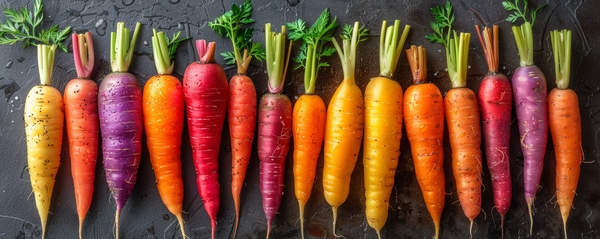
Then, there are Rainbow Carrots, a mixture of purple, yellow, red, white, and anything else in between and their flavours are a little different from each other. These ancient varieties were grown in Europe long before orange carrots took over. They’re fantastic in colourful salads, roasting or just for show-stopping garden displays.
Soil Preparation for Growing Carrots
The state of the soil is a top priority, coming from the fact that they’re a root vegetable, which means their main edible part grows underground, when growing carrots.
Well-known for being particular about their soil, carrots require three things: light, loose and stony-free soil, fine tilth, no fresh manure and neutral pH.
Coming across a problem with heavy, stony or clay soil? Well-known varieties like Chantenay carrots are shorter, more resilient to such soils, or you can add loads of compost and sand to your soil to lighten it up.
Since carrot seeds are teeny-tiny, they call for a fine, crumbling seedbed and the top inch or so of soil should be raked over to create a smooth surface free from any lumps.
Fresh manure is basically a guaranteed way to cause the roots to split or fork, but if you must use compost, make sure it’s been aged for at least six months, and that the compost is completely broken down.
Carrots also love a slightly acidic to neutral soil pH of 6.0 to 7.0, so if your soil is too alkaline, a bit of peat or compost will sort it out. And waterlogged soil is basically death for carrots, so if you’re having issues with drainage, raised beds or ridges are a great solution.
Planting Carrots
When to Plant
Timing is everything, fortunately they are quite flexible and can be grown almost all year round, when growing carrots.
Coming from a seedling stage, carrots can be sown from early March to April when the soil has warmed to at least 45 degrees Fahrenheit or 7 degrees Celsius. This is ideal for a summer harvest. If the weather turns cold you can cover the seeds with fleece or row covers to prevent damage.
Summer sowings, done in June or July, will be ready in the autumn and store well for winter, go for a main crop variety. It’s a good idea to cover these seeds with something to stop carrot flies.
You can sow in autumn, September through October, in areas where the winters are very mild and expect a spring crop.
Carrots don’t mind light frost and can overwinter under protection. Use cold frames or cloches to insulate them if frost is forecast.
Well-known as a crop that can be’snacked’ on as they grow, for a constant supply of carrots you should sow a new batch every 3 to 4 weeks.
How to Sow Carrot Seeds
They’re tiny, take their sweet time germinating and can dry out quickly, when sowing carrot seeds you’re going to be testing your patience.
Well-known as being fussy, carrot seeds do have a preferred way of being planted. Make shallow trenches 1/4 inch deep and spaced 12-15 inches apart. Don’t overdo it with the seeds either, they’ll develop spindly roots if they’re too close together, and mixing them with sand is a good idea to get them evenly distributed.
Cover the seeds lightly with a thin layer of fine soil or compost and water them gently, you don’t want to wash them away.
Keep the soil moist, carrot seeds take about two to three weeks to sprout, and in that time shouldn’t be allowed to dry out. A light misting or covering the pot with a damp board or piece of burlap is a great way to get the job done.
When the seedlings are about two inches tall you can start thinning them out to make sure they’re 2-3 inches apart. It’s a bit heartless, but it’s necessary for the carrots to grow to their full potential.
Mulching is optional, but a light layer of compost or straw can help keep the soil moist and cool.
Caring for Growing Carrots
After they’ve germinated and started growing, they’re pretty much on their own but a bit of attention won’t go amiss, when growing carrots.
Coming out into the garden to check on your carrots, you’ll want to make sure they’re getting consistent moisture, especially when they’re first sprouting and developing their roots. If the soil is drying out, light, regular watering is best, and deep waterings rather than shallow ones are better, and make sure not to drown them, soggy soil is basically a guarantee for rot.
Weeds can be very aggressive, and carrot seedlings are tiny and can’t compete with them. So, you’ll want to get rid of them very gently, so you don’t damage the delicate roots of your carrots.
Carrots don’t need much feeding, especially if your soil was well-prepared, but high-nitrogen fertilizers aren’t really what they need.
They’d just make the tops grow, leaving the carrots behind. Mid-season a balanced organic fertilizer or compost tea is fine.
Mulching is also a great idea, it helps even out the soil moisture and stops the top of the carrot from turning green from getting too much sunlight.
You might want to do a second thinning as the carrots start to form, and you can snack on the baby carrots that you pull up.
Pests and Diseases
Regarding the challenges that can be found in even the best-tended garden, carrots have their fair share of problems.
Carrot flies are notorious for laying their eggs near the base of the plants, and their larvae, when born, burrow into the roots. The tell-tale signs are often found on the roots, rough brown tunnels. The solution is twofold.
Using fine mesh and netting can be enough to prevent the flies from getting near. Weakening the carrots’ scent makes it uninviting. This is best achieved by not thinning them out on still days and crop rotation can take the carrot flies away from your carrots. Onions, chives and leeks are known to help mask the smell of the carrots.
Other major problems are aphids, which lead to curled leaves and sticky residue, which will be addressed with a mild soap wash, the encouragement of ladybugs and lacewings.
Slugs and snails steal away with half-eaten foliage and seedlings, but are controlled through the use of slug traps, copper tape and nighttime patrols with a torch and a pail.
Alternaria leaf blight and powdery mildew are classified as fungal diseases and can be characterised by discoloured patches and a powdery coating on the leaves.
Simply putting in better ventilation, cutting back on overhead watering and changing up where you plant your crops, can fix this issue.
Root knot nematodes bring about swollen, or crooked roots, and can be defeated by rotating crops, adding in organic matter and growing nematode-resistant carrot varieties.
Harvesting Carrots
In the case of harvesting your carrots, you’ve basically done all the hard work. You’ve tended, watered and weeded, now it’s time to reap the rewards.
Well-known for taking 60 to 80 days to mature, but check the seed packet for the specific variety, baby carrots are best harvested early for that tender crunch. For full-sized carrots, you can wait until the roots are firm and the top has reached the typical size of the variety.
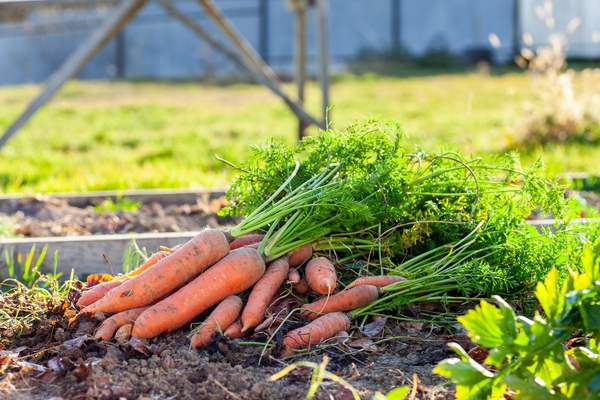
Loosen the soil gently with a fork before pulling out the carrots. Don’t yank them out, or you’ll snap them and ruin them. Grab the foliage close to the crown, give it a good steady pull, and shake off the excess soil.
Freshly pulled carrots are, of course, the best, so feel free to take a bite right there in the garden.
When storing your carrots, short term they can go in the fridge unwashed, in a perforated plastic bag, and long term they should be buried in sand or sawdust in a cool dark place like a root cellar or shed, but you have to remove the foliage as it sucks the moisture from the roots.
Creative Ways to Use Your Carrots
As you grow carrots you’re not just growing them to look at them, they have a lot of uses.
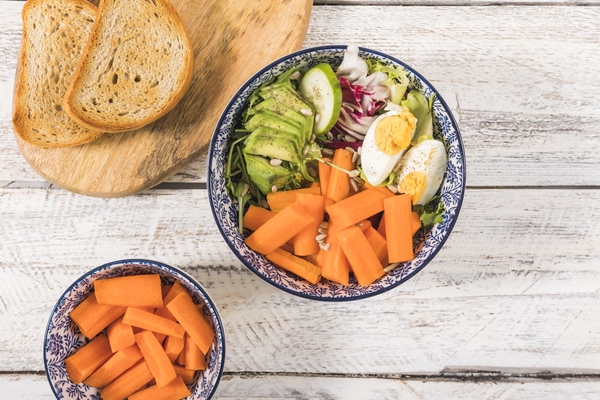
You can shred them into salads, dip raw carrot sticks in hummus or chop them up for a snack. Roasted with olive oil and herbs, they’re a sweet and caramelized treat, and classic comfort food in soups and stews.
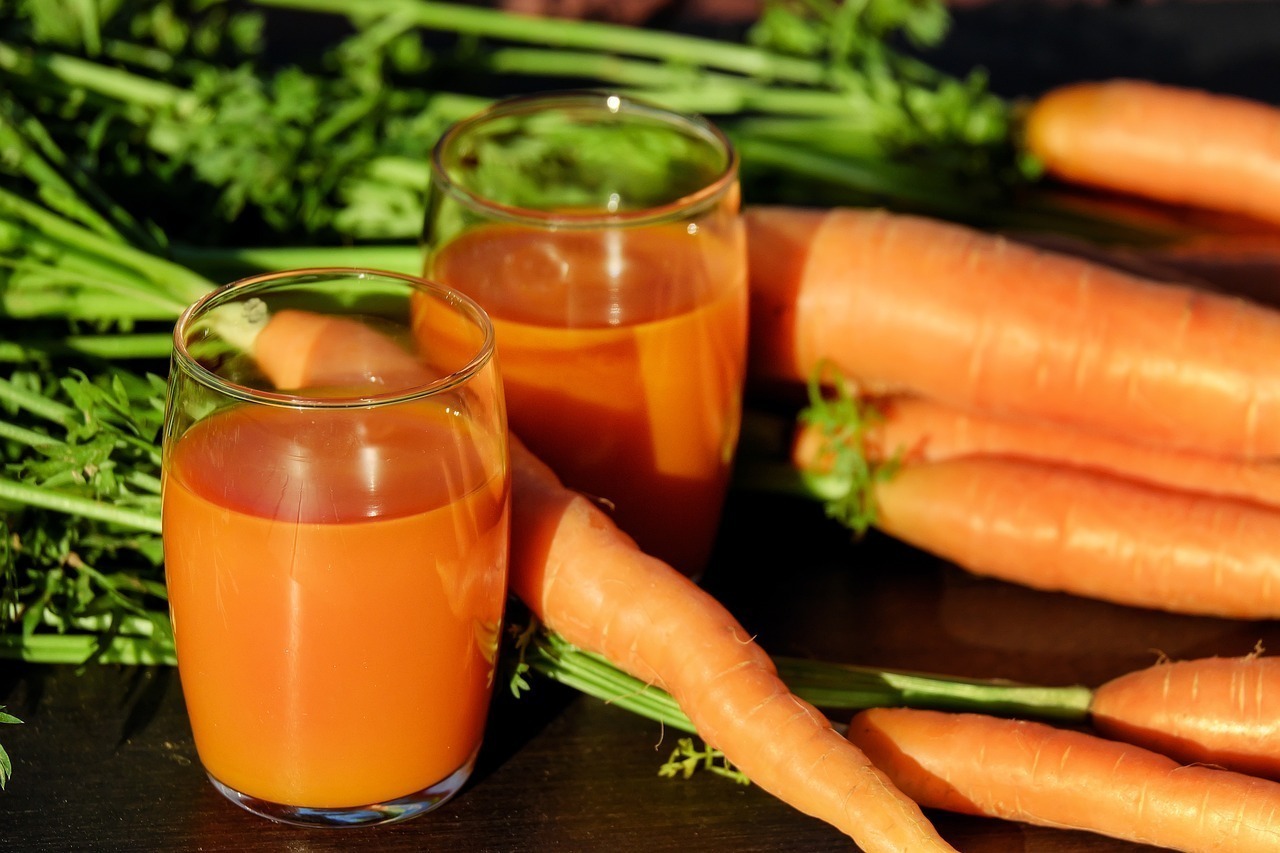
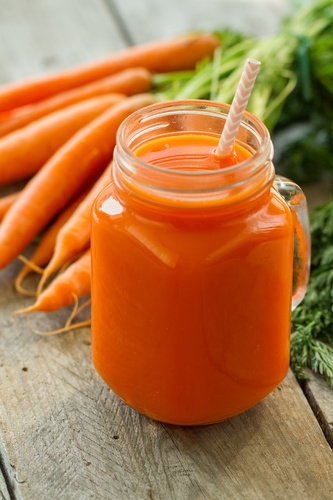
When it comes to juicing, carrot and apple and ginger make a zingy drink. The carrots can also be used to make the best carrot cake, moist, spiced and utterly irresistible.
Coming from the same plant, the carrot leaves are edible and can be used in pesto, soups, or as a garnish, just be aware that raw leaves are slightly bitter.
Companion Planting for Carrots and Crop Rotation Tips
When discussing growing carrots, they have lots of friends in the garden that help them out.
Coming alongside onions, leeks, garlic will keep carrot flies at bay. Lettuce shades the soil and keeps it nice and cool, tomatoes will send any pests packing and also loosen up the soil, rosemary and sage are natural pest repellents.
Well-known foes of carrots include dill and parsnips who steal each other’s food and attract similar pests, so try not to plant them together.
Crop rotation is key to growing carrots year after year, don’t plant them in the same spot for at least three years, instead swap them out with leafy greens like lettuce, or fruiting crops like tomatoes to smash the cycle of pests and disease.
Common Carrot-Growing Mistakes
Even the most experienced gardeners have had their fair share of “bendy carrots”, and understanding the most common pitfalls will save you a lot of heartache.
Coming across over-fertilised carrots is all too common, and too much nitrogen will give them lovely tops but scrawny roots.
If the soil is compacted, forked or twisted carrots are basically a guarantee.
Don’t overcrowd, either, as it severely stunts growth and uneven watering causes those dreaded cracks and splits.
And ripping the carrots out too soon means they won’t be at their sweetest.
Frequently Asked Questions
Q: Why are my carrots all twisted and forked?
A: That’s almost always due to stony or compacted soil — or fresh manure. Stick with loose, sandy soil and skip the fresh compost next time.
Q: Can I grow carrots in containers?
Absolutely! Just pick a deep pot (at least 12 inches), fill it with loose potting mix, and choose short varieties like ‘Paris Market’ or ‘Adelaide.’ Keep it moist and you’ll have beautiful, straight roots.
Q: How do I make my carrots sweeter?
Cooler temperatures encourage sugar development. Late-season carrots harvested after a light frost are extra sweet. Also, consistent watering helps prevent bitterness.
Q: What’s the best way to thin carrots without wasting seedlings?
Try using scissors to snip the tops instead of pulling them — that way you won’t disturb neighboring roots. Or enjoy the thinnings as microcarrots in salads!
Q: My carrot seeds won’t germinate. What gives?
Carrot seeds are slow — sometimes three weeks or more. Keep the soil evenly moist and avoid crusting. Mixing a few radish seeds in the row can help — they sprout quickly, mark the row, and loosen soil for the carrots.
Q: Do I need to rotate carrot crops?
Yes. Carrot fly larvae can overwinter in the soil, so avoid planting carrots (or parsnips) in the same spot two years in a row.
Q: How do I know when to harvest?
Gently brush the soil away from the tops — if they’re about the right thickness (usually ¾ inch or so), they’re ready. You can harvest over several weeks for the best texture and flavor.
Q: Are carrot tops edible?
They sure are! Carrot greens taste a bit like parsley and make a great addition to pesto, chimichurri, or soups. Just wash them well.
Summary
When growing carrots, you’ll be reminded that even the smallest beginnings can be turned into something beautiful.
From dust-fine seeds and a patch of soil, weeks later, we’re digging up a stunning and nutritious crop that we’ve grown and nurtured ourselves, a reminder that the simplest crops can be the ones that bring us the most satisfaction.
Carrots are humble, yet resilient, and they have the capability to adapt to a variety of conditions.
But they often come as a surprise, as we discover their violet roots from deep within the soil.
This is just more fun. Coming in small quantities, whether we’re cultivating a handful in a pot on the balcony, or a full row in our garden, is one of the rewarding experiences and anything produced by these earthy treasures will be the essence of sweet bliss.
When considering planting carrots, you don’t need much, just prepare the soil, keep an eye out for them and throw in a few seeds, and before you know it, you’ll be crunching into sweet homegrown carrots.
You may be interested in our Guide to Growing Perennial Vegetables >