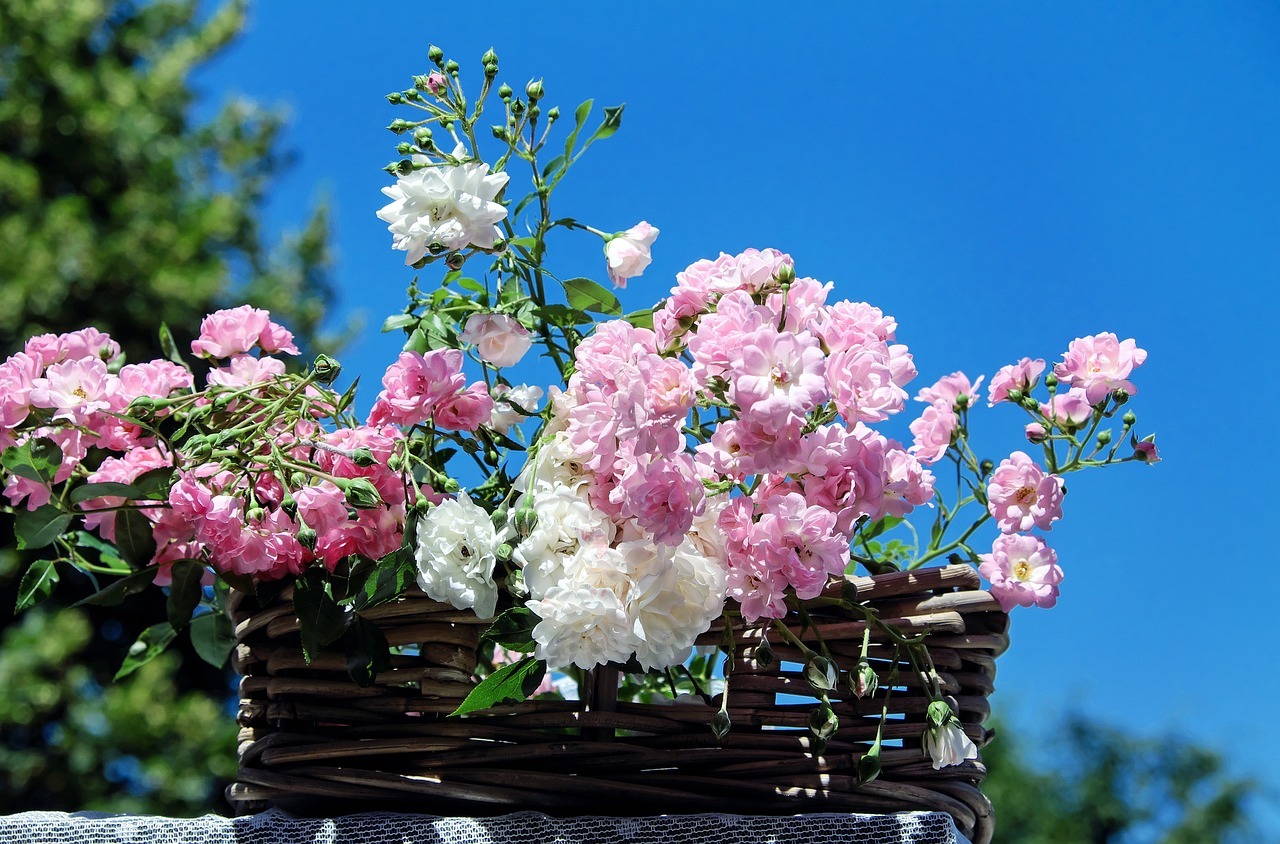
Its scent floating through the air, you can’t help but be mesmerised, and think, “Wow, I wish mine looked that good.”, when you see a rose bush overflowing with vibrant blooms.
Coming from someone who has possibly given up on growing roses, thinking they were “fussy” or “high-maintenance”, this is basically your wake-up call.
Well-known for not being divas, roses just want to be understood, and if you give them exactly what they ask for, they’re incredibly cooperative plants and have a knack for producing an abundance of flowers.
Whether you have a single potted rose on your patio, a row of showstoppers along a fence, or you envision a future in a rose-infused garden, this is the go-to guide for all things roses.
We’ll cover the essential care areas such as soil, watering, feeding, pruning, pests, and wintertime care, in a manner that is friendly, approachable, and doesn’t require any background in horticulture.
Take a seat, pour yourself a cup of tea, or an iced lemonade for that matter, because by the time you reach the end of this, you’ll be an expert in caring for roses.
1. Understanding Roses
Roses are not impossible to grow, and before we get started with hands-on care, let’s separate fact from fiction, and set the record straight.
Roses don’t need a PhD in horticulture, and even less patience, to be grown beautifully, they’re simply more particular about things. Coming from the supermarket and expecting an instant show-stopper is unlikely, but they don’t ask for much.
Sunlight, six hours a day is a must. Cramped spaces are something they don’t enjoy. They require soil that’s consistently moist but not waterlogged, breathing room for their roots. They also like regular infusions of nutrients and a trim now and then.
2. Choosing the Right Rose for the Right Place
It’s clear that not all types are made equal, and with a garden style and level of patience in mind, it’s easier to select the right rose for the job, when planting roses.
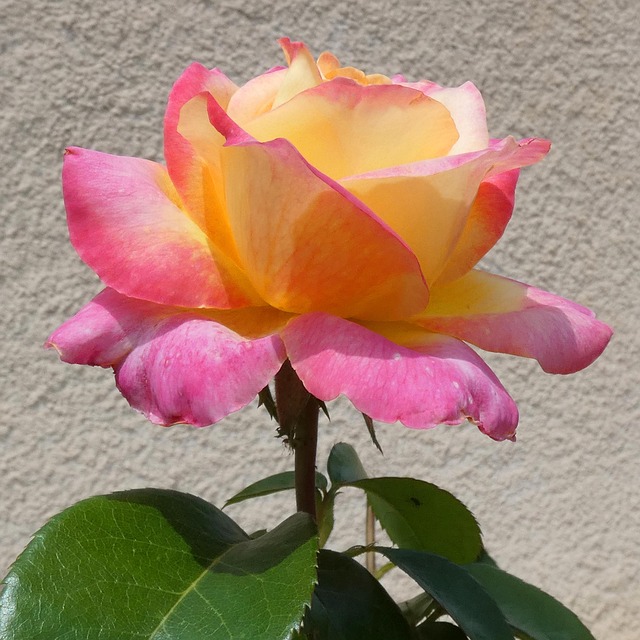
Hybrid Teas come to mind for gardeners who love cutting roses and can handle a bit of extra care. These roses are known for their long stems and classic “bouquet” look.
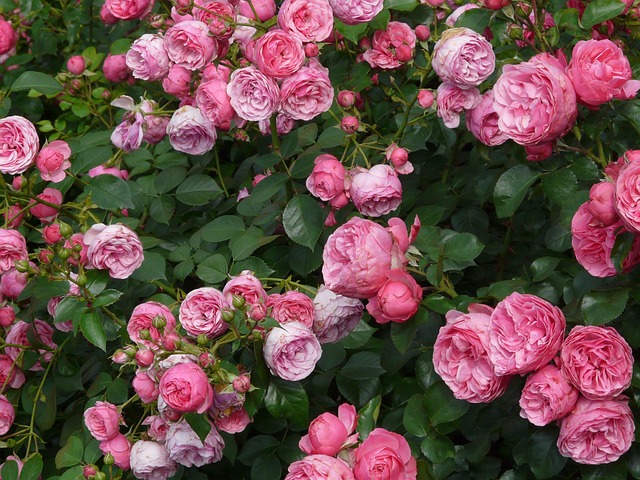
Floribundas offer larger clusters of blooms, beautiful colors, and continuous flowering, and are perfect for gardeners looking for lots of color but less to worry about.
If the main aim is to disease resistance, compact plants and virtually no maintenance, then Shrub Roses may be for you. Beginning gardeners would also take advantage of their generous, full growth.
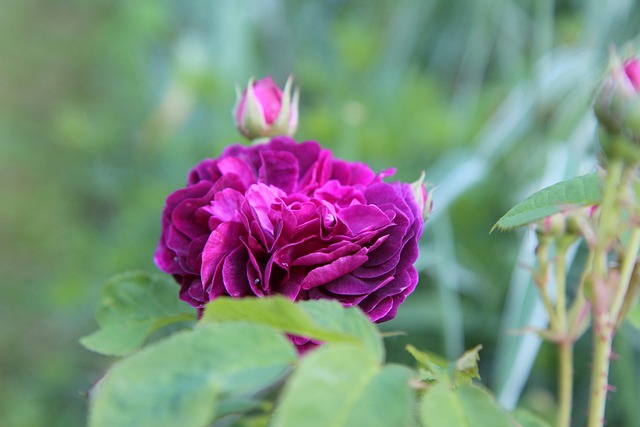
People looking for flowers with high levels of fragrance can be hooked on the Heirloom Rose Varieties, who are famous for their extraordinary fragrances and stunning, classic “old-fashioned” appearances.
Nowhere do roses thrive without some sort of support and so climbing roses are popular with anyone who has space to spare, specifically for creating vertical drama in a small space.
People who want roses in spaces such as balconies, patios and edging, will be thrilled with the Miniature Roses. These dainty size roses fit neatly into tiny spaces, are hardy and pleasingly healthy.
Find on Amazon
3. Planting Roses Like a Pro
Care when planting roses is key to ensuring they’ll remain happy.
Bare-root roses can go into the ground from November to February, and potted roses can go in any time from March through to September, just make sure you don’t plant them in sweltering heat or freezing temperatures.
When finding a spot, consider something sunny, roses love six hours of sunlight a day and prefer the gentle morning rays.
You’ll want to give it the best soil conditions, which are loose, friable soil rich in organic matter and good drainage with a slightly acidic pH, when planting a rose.
Learn more about Discovering the Best Soil Types for Thriving Plants
To mix into the planting hole, compost, rotted manure, a handful of bone meal are must-haves. Roses crave space too, so planting them too close together leads to poor air circulation, basically inviting disease.
The recommended spacing for different types of roses are 3-5 feet for shrubs, 2-3 feet for hybrid teas and at least six feet for climbers.
When planting grafted roses, you’ll want to bury the graft union.
The knobby part, one to two inches beneath the soil in cold climates or at soil level in warmer ones, and if planting own-root roses, they can be planted at the same depth they were at in their pots.
After planting, water immediately to knock out any air pockets and settle the soil around the roots.
4. Watering Roses the Right Way
Coming to the tricky part of watering, most people don’t get it right.
But with a few simple tips you can do it. Roses love deep, infrequent watering that encourages their roots to grow downwards rather than floating at the surface.
Newly planted roses will need watering three times a week, established ones one to two times a week depending on the climate and scorching heat may require a bit extra.
Don’t pour water all over the leaves, either, that’s a recipe for disaster, mildew, black spot, rust and other things that roses don’t like. Morning is the best time to water because it gives the sun all day to dry off any splashed leaves.
Learn more about the art of watering and water conservation techniques
5. Feeding Roses
When discussing feeding your roses you could say they’re like marathon runners. They need a lot of fuel to keep them flowering.
Coming into the early spring a balanced rose fertilizer is just what they need, then every four to six weeks during the peak flowering period, and one final feeding in mid summer. Don’t fertilize eight weeks before your first frost date, or brand-new growth will get killed off by the cold.
Granular fertilizers give a slow and steady boost, liquid ones are much quicker, and organic options like compost tea, fish emulsion and alfalfa meal are fantastic too.
Alfalfa is basically magic when it comes to roses, it encourages new growth from the base of the plant, giving you fuller, more blooms, and more vibrant plants. Sprinkle it around your roses once or twice a year.
6. Mulching: The Rose Gardener’s Secret Weapon
Well-known benefits of mulching for roses include saving water, regulating soil temperature, getting rid of weeds and improving the soil quality over time, and the best mulches are compost, shredded bark, straw and leaf mould.
You want to apply around two to four inches of mulch, but keep it away from the stems.
Learn more about Mastering Mulching >
7. Deadheading Roses
Roses love being deadheaded, basically removing spent flowers, and there are lots of reasons why.
They’re encouraged to produce more blooms, are less prone to disease, stay looking tidy, and don’t waste energy producing seeds.
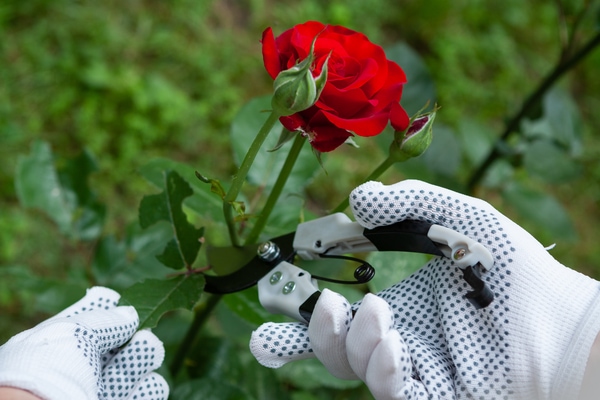
You cut the flower stem back to the first strong five-leaflet leaf that’s pointing outwards, which encourages airy, outward growth.
8. Pruning Roses
Pruning doesn’t have to be intimidating, prune your roses in late winter or early spring, just when the buds are starting to swell.
Remove any dead, diseased, or damaged wood, crossing canes, thin out the centre, reduce tall canes by one third to half and shape the plant into a vase form.
Different types of roses need different levels of pruning, hybrid teas need hard pruning, floribundas moderately, shrub roses are pruned very lightly and mainly just for shaping, climbers are pruned after they’ve finished flowering, and old canes get removed over time.
Bending canes horizontally will help to create more blooms, when training your roses.
Learn more about Expert Pruning Techniques >
9. Common Rose Problems—and How to Fix Them Naturally
Coming across any problems with your roses is a normal occurrence.
Black Spot, which is characterized by round black spots and yellowing leaves, is caused by excessive moisture and heat. Prune the affected leaves, improve air circulation and apply neem oil or sulfur sprays to cure. It’s also advisable to water at the base of the plant.
Powdery mildew shows itself with a white powdery coating on the leaves, and can be remedied by pruning overcrowded growth, avoiding overhead watering, and using a milk spray.
Aphids form in clusters on new growth, and need to be dislodged with a spray of water, encouraged by inviting in ladybugs, and controlled with neem or insecticidal soap.
Fine webbing and tiny speckles on the leaves can be a sign of spider mites and to stop the infestation, it is recommended that you boost the humidity, hose down the underside of the leaves, and apply miticide or neem.
Thrips cause discolored or streaked petals, and are eliminated by removing any affected flowers, setting sticky traps, and inviting beneficial organisms.
10. Caring for Roses Through the Seasons
Spring sees the needs of roses changing, prune, feed, mulch, monitor for pests and look for new growth.
Summer requires deeply watering, regular deadheading and light feeding and a check for heat stress.
Fall means stop fertilising, cut back the amount of water you give them, remove any diseased leaves, and layer on fresh mulch.
In winter mound up the soil around the base of your rose bushes and cover them with burlap if the winters are harsh, don’t prune unless absolutely necessary.
11. Growing Roses in Containers
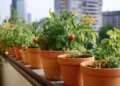
Roses can grow and flourish in containers.
The best varieties for pots are miniatures, patio roses, small shrub roses, smaller floribundas, and come in a range of sizes, 18-24 inches being the ideal.
Containers can be made out of terracotta, glazed ceramic, heavy-duty plastic, or wooden barrels, and need a top-notch potting mix with added compost, and regular check-ups on the water levels.
12. Climbing Roses
As for adding a touch of romance to any garden, climbing roses do the trick perfectly.
They need a structure to grow towards, and this can be anything from a trellis, to an arch, a fence, or a pergola.
You can train the climbers to grow horizontally and tie them in place.
Gently and they will repay you with breathtaking walls of colour.
13. Companion Planting with Roses
Companions, much like lavender, catmint, salvia, alliums, lady’s mantle, geraniums and yarrow, give roses a boost of power and beauty and add subtle scent to fill the gardens, and benefit from a mix of improved pest resistance, a vibrant color and much better water retention.
14. Organic Rose Care
Coming from an organic background doesn’t mean you can’t grow roses. For an organic garden you need compost, mulch, neem oil, insecticidal soap, micro-organisms, seaweed feed, hand prunings. Organic rose gardens are healthier and often more fragrant.
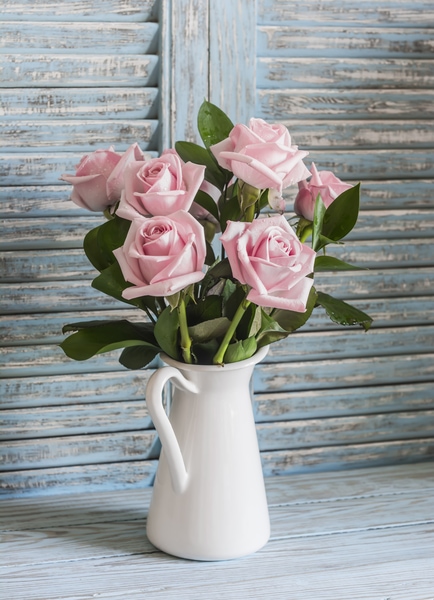
15. Harvesting Roses for Bouquets
When it comes to harvesting roses for bouquets you’ll want to cut them at the best time.
Early in the morning when the stems are full of water, look for tight buds for indoor arrangements that’ll last ages, and fully open blooms if you want to be able to put them straight in the vase. Make your cut at a 45-degree angle, just above an outwards-facing leaf and put them in the water right away.
Summary
Roses can be grown from cuttings, and this is basically free.
So you can have more roses without spending a penny. When propagating roses, you’ll want to cut a 6 to 8 inch section of stem, strip off the lower leaves, dip it in rooting hormone and plant it in a container filled with moist soil or vermiculite, cover it with a clear plastic dome, and wait for four to eight weeks, it’s nothing short of miraculous.
Roses can be styled in lots of different ways, from formal to casual, cottage to modern, wild to natural, and to create a design for your rose garden you’ll need to select a colour scheme, mix heights, team them up with other plants, lay out pathways and frameworks, add wall-climbers to bring in more height.
Well-known for their lovely scents, memories they evoke, flowers that go into bouquets, homes for pollinators, peaceful little havens and deeper connections to the great outdoors, roses offer a lot more than just visual appeal.
There’s something deeply soothing about growing roses, you learn the value of patience, observation, gratitude and the pure satisfaction of nurturing something that will give you back tenfold.
As the saying goes, “Caring for roses is not a duty, it’s a relationship.” Roses aren’t demanding, they just show you what they need, and if you start to learn to “speak rose” you’ll find that it’s plain sailing from then on.
You don’t require flawlessness, picture-perfect blooms or perfectly formed bushes every year.
You need sunlight, nourishing soil, regular water, seasonal feeding, a bit of pruning and inquisitiveness. Your roses will sort out the rest. And the more roses you have, the more hooked you’ll become.