Planning the garden is almost as much fun for gardeners as picking fresh vegetables. The dreaming, the drawing, and the imagining of neat rows, overflowing beds, and baskets of homegrown food are all part of the fun.
But when it comes time to actually decide where everything should go, even experienced gardeners can find themselves staring at a patch of soil thinking, Okay… now what?
That’s where vegetable garden layout plans come in.
A good layout doesn’t have to follow strict rules or have rows that are straight like in the army (unless that’s what you like).
You need to work with your space, your climate, and your lifestyle to make a garden that is useful, easy to care for, and fun.
We at Good Garden Ideas like to think of vegetable garden layouts as helpful suggestions instead of strict rules.
They help you get the most out of your garden while still giving you room to be creative and have happy accidents.
This guide will show you the most popular and useful ways to lay out a vegetable garden, whether you’re starting your first one or redesigning one you’ve had for years.
We’ll talk about what works, why it works, and how you can adapt each idea to suit your own green space. So get a notebook (or a napkin—no judgement) and let’s get started.

Why Vegetable Garden Layout Matters More Than You Think
It’s tempting to think you can just plant vegetables wherever there’s open soil and call it a day. That works sometimes! But most of the time, doing some planning ahead of time saves a lot of trouble later.
A well-planned layout helps you:
- Maximize space and sunlight
- Make the soil healthier
- Reduce pests and diseases
- Make it easier to water and pick crops
- Make it easier to grow more food
Plants are healthier, more productive, and easier to care for when they are put in the right place. And let’s be honest: a garden that looks organised but not stiff is very satisfying.
Know Your Space: The First Step
Before you choose a layout plan, take a good look at what you’re working with. Every garden is unique, and the best layout is the one that fits your situation.
Sunlight Comes First
Most vegetables need at least 6–8 hours of direct sunlight per day. During the day, watch your garden and write down where the sun shines the longest. Put tall plants like corn, tomatoes and beans that grow on trellises where they won’t block light from smaller plants.
Size (and Shape) Matters
Is your garden a neat rectangle, a long narrow strip, a balcony, or a collection of containers? You can change layout plans to fit almost any shape, but knowing your limits will help you make the best choice.
Soil and Drainage
Certain crops will grow better in low spots that stay wet, sandy areas that dry out quickly, or heavy clay soil. Layout planning lets you place plants where they’ll be happiest.
Access and Way of Life
Be honest with yourself about how much time and energy you want to put in. It should be easy to walk on the paths, get to the beds, and get to the crops that need a lot of care.
Classic Row Gardening: Tried, True, and Flexible
Let’s start with the classic: gardening in rows. This is the way most of us picture it: long rows of vegetables with paths between them.
Why It Works
Row gardening is simple, adaptable, and especially good for larger spaces. It’s easy to understand, easy to expand, and works well with tools like hoes and tillers.
Best For
- Large gardens
- People who grow a lot of the same crop in their gardens
- Those who like structure and simplicity
Advice for Success
- Run rows north to south so plants get even sunlight
- Leave enough space between rows for walking and harvesting
- Put plants that need the same amount of water and nutrients together.
Row gardening isn’t flashy, but it works every time, and that’s what you want sometimes.
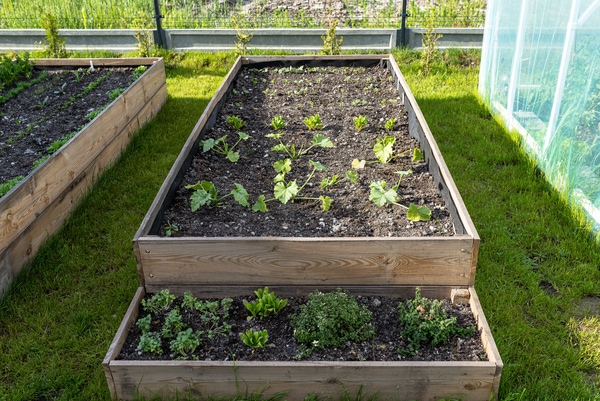
Raised Bed Layouts: Small Space, Big Results
Raised beds are very popular, and for good reason. They are neat, quick, and very productive.
Why Gardeners Love Beds That Are Raised
- Better drainage and soil control
- Less weeds
- Less stress on your knees and back
- Great for planting a lot at once
Raised beds use blocks or grids instead of long rows. This lets plants grow closer together. This makes a living mulch that keeps the soil cool and moist.
Best For
- Gardens that are small to medium
- City and suburban areas
- Gardeners who want clear, neat areas
Advice on how to arrange things
- Make sure the beds are no wider than 4 feet so you can reach the middle.
- Make sure the paths are wide enough for wheelbarrows or kneeling.
- Put tall plants on the north side of each bed.
Raised beds are a wonderful blend of structure and flexibility—and they look great, too.
Square Foot Gardening: The Most Produce with the Least Work
Square foot gardening might be your new best friend if you like things to be neat and work well.
How It Works
Each raised bed is divided into 1-foot squares. One tomato plant, four lettuces, sixteen carrots, and so on can fit in each square, depending on how big the plants are.
What Makes It So Popular
- Amazing productivity in small areas
- Easy planning and record-keeping
- Little waste and weeding
Best For
- People who are new
- Little gardens
- Gardeners who love a clear plan
Square foot gardening makes your vegetable garden into a living spreadsheet, and somehow, it’s fun.
Potager Gardens: When Vegetables Meet Beauty
A potager is a French kitchen garden that combines flowers, herbs, vegetables, and fruit into a decorative design. Think of symmetry, paths, edges, and a lot of charm.
Why Pick a Potager Layout?
- Combines beauty and function
- Encourages companion planting
- Makes the garden feel like a destination
Best For
- Gardeners who care about how things look
- Gardens in the front garden
- People who like to try new things
A potager shows that vegetable gardens don’t have to be in the back of the house. They can be just as pretty as any flower bed.
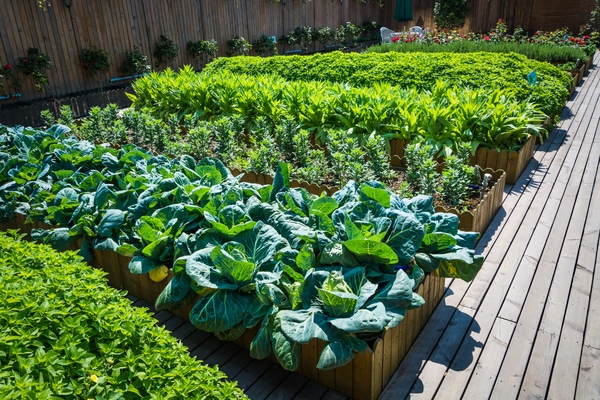
Layouts for companion planting: plants that help other plants
Companion planting isn’t a strict way to arrange your garden, but it does have a big effect on how you do it.
The Idea Behind It
Some plants do better when they are next to each other. Some plants keep pests away, while others make the soil healthier or the food taste better.
Pairings that are common
- Tomatoes + basil
- Carrots + onions
- Corn + beans + squash (the “Three Sisters”)
Tips for Layout
- Put plants that go well together in beds or rows.
- Stay away from bad combinations that you know of
- Observe and adjust each season
This approach encourages diversity and resilience—two things every garden needs.
Vertical Gardening: Grow Up, Not Out
Vertical gardening is a game changer when there isn’t much room.
What grows up?
- Beans and peas
- Cucumbers
- Tomatoes
- Squash and melons (with help)
Why It Works
- Saves ground space
- Makes the air flow better
- Easier to pick up
You can add vertical elements to almost any layout plan, like raised beds or containers.
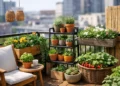
Container Garden Layouts: How to Garden Anywhere
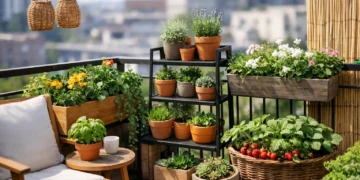
No garden? No problem. Containers can be used to make a vegetable garden that can be moved around.
Why Containers Are So Great
- Perfect for patios, balconies, and decks
- Simple to manage water and soil
- Can change with the amount of sunlight
Ideas for Layout
- Put containers into groups based on how much sun they need.
- Use different heights for interest
- Put crops that are picked often near doors.
Container layouts might be small, but they are very strong.
Planning for Crop Rotation
Crop rotation is important for the long-term health of your garden, no matter what layout you choose.
Why Rotate Crops?
- Prevents soil nutrient depletion
- Fewer pests and diseases
- Increases productivity as a whole
Simple Rotation Groups
- Leaf crops
- Root crops
- Fruit crops
- Legumes
Make sure your layout lets these groups move around each year without any problems.
Paths, Access, and Comfort
If it’s hard to use, a beautiful layout doesn’t matter.
Keep in mind:
- Paths that are clear and dry
- Water is easy to get to
- Room to kneel, bend, and pick up
Your garden should invite you in, not make you work around obstacles.
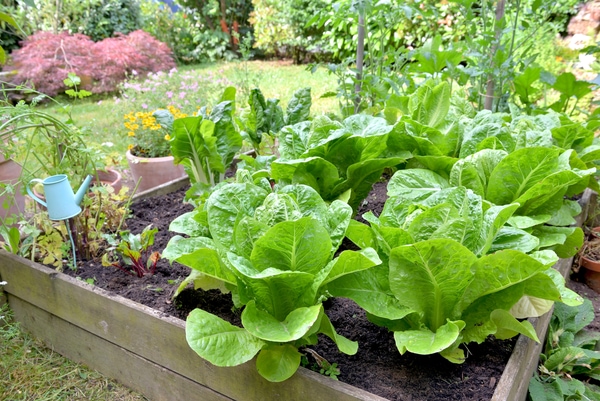
Adapting Vegtable Garden Layouts Over Time
Experienced gardeners know this secret: no layout will last forever. Your plans should change as your garden does.
Write down what you see each season. What did well? What struggled? Which paths felt too narrow? Adjusting your layout year by year is part of the joy of gardening.
Final Thoughts from Good Garden Ideas
Plans for vegetable garden layouts aren’t just about copying someone else’s garden; they’re about making a space that works for you.
Whether you love neat grids, flowing designs, or a joyful mix of everything, the best layout is the one that makes you excited to step outside and get growing.
Begin small, stay open-minded, and keep in mind that every season is a new chance to learn. You don’t have to make your garden perfect; you just have to plant it with care, curiosity, and a little love. And if you’re already planning out next year’s layout, you’re officially one of us. Enjoy your time in the garden! 🌱
See also:
- A Complete Guide to Growing Perennial Vegetables
- Growing Carrots: Tips for a Bountiful Harvest
- Rapid Roots: Secrets to Thriving Radish Gardens
- Growing Spinach in Your Garden