
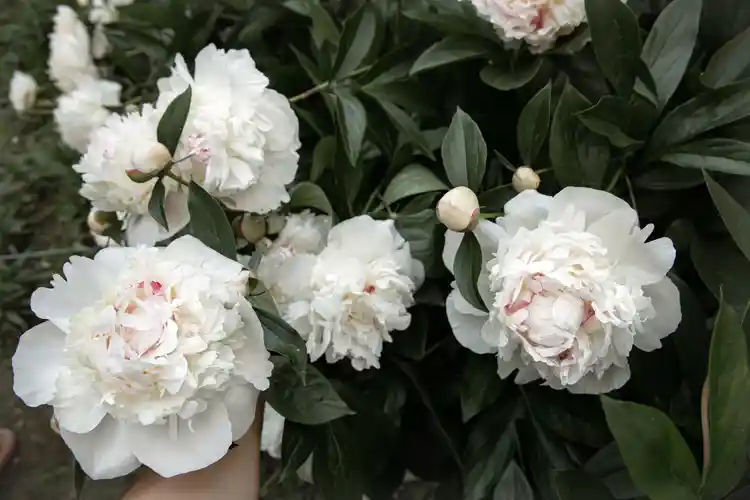
Peonies (Paeonia spp.) are cold-hardy perennials that thrive in USDA zones 3–8, need at least 6 hours of full sun, well-drained soil with a pH of 6.5–7.0, and eyes planted no deeper than 1–2 inches below the soil surface.
Established plants can live and bloom for 50+ years with minimal care, making them one of the highest-return investments in a perennial garden.
Why Growing Peonies Captivates Gardeners
Few flowers command a garden the way peonies do. Their oversized, ruffled blooms — sometimes 8 inches across — arrive each late spring in shades of blush pink, crimson, coral, and pure white, carrying a fragrance that ranges from citrus-sweet to rose-like.
But peonies aren’t just beautiful; they’re famously durable. A well-sited peony can outlive the gardener who planted it, with some documented plants in China and Japan exceeding 100 years old.
Growing peonies successfully is part art — placement, color combinations, cut-flower styling — and part science — soil chemistry, chilling requirements, and disease prevention.
This guide covers both, so your peonies don’t just survive but truly become blooming wonders.
Understanding the Peony: A Quick Botanical Primer
Peonies belong to the genus Paeonia, the sole genus in the family Paeoniaceae. There are three main types gardeners work with:
Herbaceous peonies — Die back to the ground each winter and regrow from the crown in spring. The most common type in home gardens.
Tree peonies — Woody shrubs that keep their structure year-round and don’t die back; they bloom earlier and tolerate more shade.
Intersectional (Itoh) peonies — Hybrids crossing herbaceous and tree peonies, combining the bushy foliage and bloom abundance of herbaceous types with the strong stems and color range of tree peonies.
Most peonies require a period of winter chilling (typically 400–500 hours below 40°F) to bloom properly, which is why they perform best in temperate climates and struggle in frost-free regions like southern Florida or coastal Southern California.
When and Where to Plant Peonies
Timing
Plant bare-root peony tuber divisions in early to mid-fall (September–October in most of the U.S.), 6 weeks before the ground freezes.
Fall planting lets roots establish before winter dormancy, setting up stronger spring growth.
Container-grown peonies can be planted in spring, though they’ll typically take a year longer to reach full bloom potential.
Site Selection
Sunlight: At least 6 hours of direct sun daily. Morning sun with afternoon shade is acceptable in hot climates (zones 7–8) to protect blooms from fading quickly.
Soil drainage: Peonies are highly intolerant of “wet feet.” Standing water around the crown causes root and crown rot. Raised beds or sloped sites help in heavy clay soils.
Air circulation: Good airflow between plants (space 3 feet apart) reduces fungal disease pressure.
Permanence: Choose the final spot carefully — peonies resent being moved and may sulk for a year or two after transplanting.
Planting Depth: The Single Most Common Mistake
Planting depth is the #1 reason growing peonies fail to bloom. The pink or red buds on the root (called “eyes”) should be planted no more than 1–2 inches below the soil surface. Planting too deep — a very common error — results in healthy foliage but few or no flowers, sometimes for years.
Step-by-step planting:
Dig a hole roughly 18 inches wide and 18 inches deep.
Mix the removed soil with compost and a low-nitrogen, phosphorus-rich amendment (like bone meal) to encourage root and bloom development.
Backfill so the eyes will sit 1–2 inches below the finished soil line.
Position the root with eyes facing upward.
Cover, water thoroughly, and mulch lightly (2 inches) — avoid piling mulch directly against the crown.
Ongoing Care: Water, Feeding, and Support
Care Task Recommendation
Watering
1 inch per week during active growth; deep, infrequent watering over shallow, frequent
Fertilizing
Low-nitrogen, phosphorus-rich fertilizer (e.g., 5-10-10) in early spring; avoid high-nitrogen mixes that promote leaves over blooms
Mulching
2 inches of organic mulch, kept away from the crown, to regulate soil temperature and moisture
Staking
Peony rings or grow-through hoops installed in early spring, before stems flop under heavy blooms
Deadheading
Remove spent blooms after flowering to redirect energy to root development, not seed production
Fall cutback
Cut herbaceous stems to ground level after the first hard frost to reduce disease carryover; leave tree peony wood intact
Common Problems When Growing Peonies and How to Solve Them
Peony Doesn’t Bloom
The most frequent causes, in order of likelihood:
Planted too deep (see planting section above).
Insufficient sunlight — needs 6+ hours.
Plant is too young — divisions can take 2–3 years to reach full bloom.
Excess nitrogen fertilizer — promotes foliage at the expense of flowers.
Late spring frost damage to developing buds.
Botrytis Blight (Gray Mold)
The most common peony disease. Symptoms include blackened stem bases, wilting buds, and gray fuzzy mold in wet, humid weather. Prevention: good air circulation, avoiding overhead watering, and prompt fall cleanup of foliage where spores overwinter.
Ants on Peony Buds
A frequently asked but harmless phenomenon. Ants are drawn to the sugary nectar peony buds secrete, not damaging the plant. No treatment is necessary — simply shake or rinse ants off before bringing cut flowers indoors.
Growing Peonies as Cut Flowers
For the longest vase life, cut peonies at the “marshmallow stage” — when buds feel soft like a marshmallow and show a hint of color but haven’t fully opened.
Cut in early morning, strip lower foliage, and place immediately in water.
Peonies cut at this stage can be refrigerated (unwrapped, dry, wrapped in paper) for up to several weeks, a technique florists use to extend the naturally short 7–10 day bloom season.
Peony Care Calendar
Early spring: Apply low-nitrogen fertilizer; install stakes/rings before growth exceeds 6 inches.
Mid-spring: Watch for aphids and monitor for botrytis in wet weather.
Late spring/early summer: Peak bloom; deadhead spent flowers.
Summer: Maintain consistent watering during dry spells; avoid pruning healthy foliage (it feeds next year’s blooms).
Fall: Cut herbaceous stems to the ground after frost; this is the ideal window for new planting or dividing mature clumps.
Winter: Dormant; requires no active care beyond a light mulch in extreme-cold regions.
Frequently Asked Questions
1. How long do peonies take to bloom after planting?
Newly planted bare-root divisions typically take 2–3 years to reach full flowering potential, though a few blooms may appear in year one or two.
2. Do peonies need full sun?
Yes — peonies need a minimum of 6 hours of direct sunlight daily for strong bloom production, though light afternoon shade is beneficial in hot southern climates.
3. Why are ants on my peony buds?
Ants are attracted to the natural sugary secretions on peony buds; they are harmless to the plant and do not need to be removed before the flower opens.
4. Can peonies grow in pots?
Peonies can be grown in large containers (at least 18–24 inches wide and deep) but generally perform better and live longer when planted directly in the ground, since pots offer less insulation for roots during winter.
5. How often should peonies be divided?
Peonies rarely need dividing and can be left undisturbed for decades; division is only necessary to propagate new plants or if a clump has become overcrowded and stopped flowering well.
6. What zones are best for growing peonies?
Herbaceous peonies perform best in USDA hardiness zones 3–8, where they receive the winter chilling required to trigger spring blooming.
Conclusion
Peonies reward patience with decades of reliable, showstopping blooms. Get three fundamentals right — shallow planting depth, at least six hours of sun, and well-drained soil — and the rest of peony care is mostly maintenance: feeding lightly, staking early, and cleaning up in fall. Master those basics, and you’ll have a bed of blooming wonders that outlasts most other investments you’ll ever make in your garden.