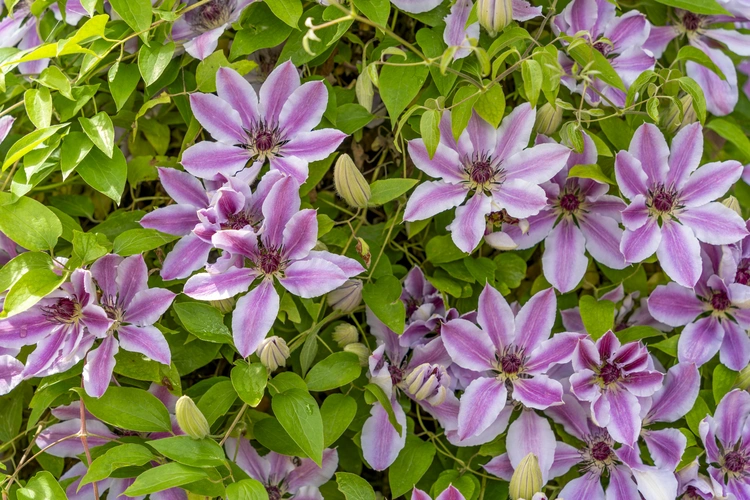
There is something magic about a garden, not only spread over the ground but reaching for the sky.
A bare fence is turned into a flower tapestry, a simple pergola becomes a shady retreat and a plain brick wall disappears behind a cascade of colourful blooms.
That’s the beauty of climbing plants – they fill every inch of vertical space and add colour, fragrance, texture and wildlife value as well.
One of the easiest ways to create impact, whether you’re gardening in a cosy courtyard, a suburban back garden or a sprawling country plot, is with climbers.
They soften the harsh landscape, offer privacy, attract pollinators, and frequently bloom for months at a time.
Better still, many occupy very little ground space, making them perfect for smaller gardens where every square metre is at a premium.
Choosing the right climbing plants is the key to a great vertical garden. Some glow with giant flowers, some scent the air on warm evenings, and some give you bright berries or gorgeous autumn foliage long after the flowers are gone.
So if you want to bring height, charm and plenty of colour to your outdoor space, here are ten of the best climbing plants to inspire your next gardening project.
Why go for climbing plants?
But before we get on to our top ten, it is worth appreciating just how versatile climbing plants actually are.
Climbers use space vertically, rather than taking up much-needed border space like shrubs, so you can grow more plants without crowding out your garden.
They can hide unsightly sheds, fences and walls and make natural screens for privacy, make spectacular arches to frame entrances or provide welcome shade over patios and seating areas.
Many are also good for wildlife, providing nectar-rich flowers for bees and butterflies, berries for birds and dense foliage that gives valuable year-round shelter.
Perhaps the best thing of all is that climbing plants give an instant sense of maturity. A handful of vigorous climbers draping walls and structures can make a new garden seem mature.
1. Clematis – The Queen Among Climbers
If there was a popularity contest for climbing plants, clematis would probably come out on top.
There are hundreds of varieties so there is a clematis for nearly every garden. Flowers are coloured from snow white and pink to purple, crimson and blue. Some strains grow huge dinner plate sized flowers, some produce thousands of tiny star shaped blooms.
One of the best things about clematis is the long flowering season. By planting early, mid and late flowering varieties you can have flowers from spring right through to autumn.
Most clematis like fertile, well-drained soil, with their roots cool and shaded and their upper growth bathed in sun. Mulch or low growing companion plants around the base help to achieve this balance naturally.
Clematis is always impressive, whether scrambling through a climbing rose or draping itself gracefully over an archway.
2. Climbing Roses – Classics of the Cottage Garden
A climbing rose in full bloom says romance like nothing else can.
In summer their elegant stems are draped with flowers, turning walls, arches and pergolas into stunning displays of colour. Repeat flowering is very common in modern climbing roses from early summer through to autumn and they are an excellent long term investment.
Climbing roses can be found in almost every conceivable colour and can complement almost any garden style.
Soft pastel colours give a relaxed cottage garden feel, whereas bright reds, oranges and yellows make strong architectural statements.
Some varieties carry an unforgettable fragrance wafting over the garden on warm evenings.
For best display, loosely tie the stems horizontally rather than allowing them to grow straight up. This encourages more flowering shoots along the length of each stem, producing many more blooms.
3. Honeysuckle – Colour, Smell and Wildlife
If you want to create a wildlife friendly garden honeysuckle should be on your short list
Its tubular, sweetly scented flowers attract bees, butterflies and moths, and birds love the berries that appear later in the season. The sweet perfume is particularly noticeable in the evening, making honeysuckle a great choice near patios, seating areas or open windows.
The flower colours vary depending on the variety and include combinations of creamy white, buttery yellow, orange, pink and crimson.
Honeysuckle is a wonderfully easy-going plant and will grow in full sun or partial shade. It will scramble happily over trellises, fences or pergolas with little fuss.
It has a relaxed natural growth habit making it perfect for informal gardens where a slightly wild look adds to the overall charm.
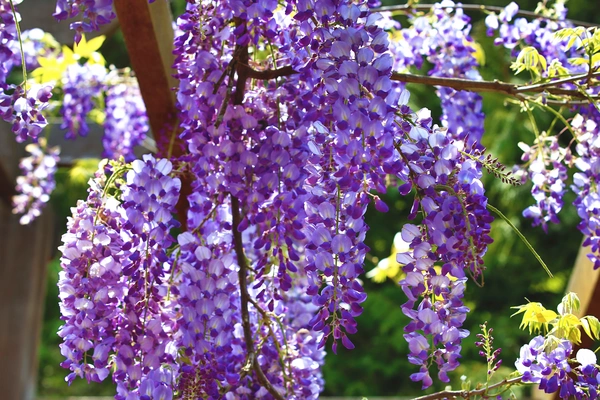
4. Wisteria – The Showstopper
Few sights in gardening are more spectacular than a mature wisteria in full bloom.
Every spring its flower clusters tumble from pergolas, walls and arches like floral chandeliers for an unforgettable show. Lavender, violet, blue, pink and white shades are blended with an intoxicating fragrance that can scent a whole garden.
Wisteria requires patience. Young plants may take several years to settle down before they put on their best shows but when they start to flower they are worth every minute of waiting.
The mature plants are surprisingly heavy, so you’ll need plenty of support. Regular pruning twice a year helps with encouraging abundant flowering and keeping the vigorous growth in check.
If you want one plant that will make a dramatic impact in the garden, wisteria is hard to beat.
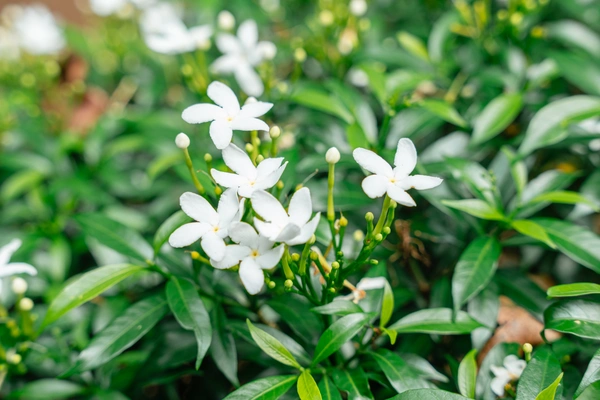
5. Star Jasmine – Timeless Elegance
Star jasmine has the perfect mix of glossy evergreen foliage and sweetly scented flowers.
Not a true jasmine but masses of white star-shaped blooms give off a delicious scent throughout summer filling the surrounding area.
Star jasmine is an interesting evergreen climber that holds its foliage year-round, and its leaves often take on attractive bronze or reddish colors in cold weather.
It’s particularly useful trained against sunny walls where the retained warmth encourages prolific flowering.
Star jasmine is a good choice if you are a gardener who wants beauty all year round, not just seasonal colour.
6. Passion Flower – Exotic but no airfare
Passion flowers are always a great topic of conversation.
Their spectacular flowers seem almost too complex to be real, with layers of colourful filaments surrounding dramatic central structures unlike any other flower in the garden.
Fortunately there are many hardy varieties that do well in British gardens.
Most feature combinations of purple, blue, white and violet flowers, often followed by decorative fruits during warm summers.
Passion flowers grow fast and make good subjects for covering fences or for providing quick privacy. They will reward you with a wonderfully tropical look in a sheltered sunny position despite our temperate climate.
7. Sweet Peas – Annual Color with Incredible Fragrance
Not all climbers have to be permanent.
Sweet peas are still one of Britain’s favourite annual flowers for a reason. Fast-growing, they produce masses of colourful blooms and fill the air with some of the sweetest fragrances in the garden.
Almost every pastel shade along with deep purples, reds and striking bi-colours are available in sweet peas which are perfect for obelisks, trellises and arches.
A huge benefit of cutting flowers is that it actually makes the plants bloom more. The more you select, the better they are.
Sweet peas are a must-have for every gardener who loves to bring flowers indoors.
8. Shade Lover: Climbing Hydrangea
It’s not always easy to find colourful climbers for shady spots, but climbing hydrangea meets the challenge well.
It is an exception for many sun-loving climbers, growing on north-facing walls and shaded fences where others often struggle.
In summer, the elegant white lacecap flowers contrast with the rich green foliage to create a sophisticated and understated display.
Climbing Hydrangea is slow to establish but eventually self-supports because of tiny aerial roots that cling naturally to rough surfaces.
The peeling bark gives architectural interest even in winter, and it is a handsome plant at any time of the year.
9. Black-Eyed Susan Vine – Sunshine for a Trellis
If bright colour is what you are after, the black-eyed Susan vine certainly delivers.
This fast-growing annual climber produces dozens of brilliant blooms in summer and into autumn. The flowers have bright yellow, orange, cream or white petals with distinctive dark centres making for a colourful display which is sure to grab your attention.
Especially useful in container growing where it can quickly produce scaled obelisks or ornamental supports.
It is perfect for gardeners who want long-lasting colour without the complicated maintenance as it blooms continuously for months.
10. Trumpet Vine – Bold, Bright & Beautiful
And finally, the spectacular trumpet vine completes our top ten.
This robust climber bears large trusses of trumpet-shaped flowers in brilliant shades of orange, scarlet and deep red, giving a decidedly tropical look.
Its flowers are very attractive to pollinating insects and the lush green foliage provides excellent screening throughout the growing season.
Trumpet vine is best for larger gardens where it has room to spread as mature plants can become quite substantial.
Give it sunshine, a sturdy support and a trim now and then, and it rewards gardeners with one of the boldest floral displays available.
How to Choose the Right Climber for Your Garden
Not all climbers suit every situation so it’s worth thinking about your growing conditions before making a decision.
If your garden is in full sun you will have an enormous choice including climbing roses, wisteria, clematis and trumpet vine.
Honeysuckle, passion flower and star jasmine are particularly effective in partial shade.
If you have a wall or fence in shade, climbing hydrangea is one of the best choices.
Also consider how much maintenance you are willing to do. Wisteria and climbing roses should be pruned regularly; honeysuckle and climbing hydrangea need very little attention once established.
Combining Climbers for Year-Round Interest
One of the simplest ways to create a truly spectacular vertical display is to combine different climbers that flower at different times of the year.
For instance a fast-blooming clematis would combine well with a repeat-flowering climbing rose. Add a fragrant honeysuckle for late summer blooms and finish with the evergreen foliage of star jasmine and you’ll have interest for much of the year.
Mixing flower shapes, foliage textures and colours also provides a richer, more natural look than using just one plant.
This results in a vertical garden that changes beautifully with the seasons.
Supporting Your Climber(s)
Even the most beautiful climbing plants require the proper support.
Some popular options include:
Popular options include:
- Wooden trellises
- Wire systems
- Pergolas
- Garden arches
- Obelisks
- Decorative metal frames
- Fences
- Mature trees (for suitable species)
Choose supports that can support the mature weight of your selected climber. A young wisteria can look light, but after a few years can become surprisingly heavy.
Taking Care of Your Vertical Garden
Most climbing plants will give more growth and better flowering if they are well cared for.
Here are some easy tips to help you keep things in shape:
In their first growing season water newly planted climbers frequently.
Feed with a balanced fertiliser in spring.
Yearly mulch to retain moisture and improve soil.
Tie in new growth before the stems get woody.
Remove dead or damaged stems promptly.
Prune as needed for each species.
A little attention during the year will keep climbers looking good and promote impressive floral displays.
Common Mistakes to be Avoided
Climbing plants are easy to grow but there are a few things to watch out for.
Plants planted too close to a dry wall may find themselves in a battle for moisture, so plant them about 30 to 45 centimetres away from solid structures and angle them slightly in the direction of their support.
Do not underestimate mature size. Some vines, particularly wisteria and trumpet vine, grow much larger than many beginners realize.
Finally, don’t forget to prune at all. Some climbers need little more than light trimming while others flower far better with regular maintenance.
Garden that Reaches New Heights
There’s something wonderfully uplifting about a garden full of climbing plants. They draw the eye upwards, soften hard landscaping and make you feel like you are stepping into a secret, flower-filled retreat.
Whether you are enchanted by the classic charm of climbing roses, the cascading allure of wisteria, the sweet scent of honeysuckle or the vibrant display of clematis, these magnificent plants offer endless ways to transform ordinary spaces into extraordinary ones.
The beauty of vertical gardening is that it works in gardens of all sizes. A few well chosen climbers and a good trellis can transform even a small courtyard or patio into a green oasis.
Every garden has hidden potential, and sometimes the most exciting potential is not on the ground, but above it.
At Good Garden Ideas we believe So take another look at your fences, walls, arches and pergolas. Those bare spaces could soon be the most colourful and captivating features in the whole garden with the right climbing plants.
FAQs
Climbing flowers are some of the hardest working plants you can grow. They add height, colour, fragrance and character to fences, walls, arches, pergolas and trellises, often transforming ordinary garden features into spectacular focal points.
If you love the romance of climbing roses, the elegance of clematis or the sweet scent of honeysuckle, these versatile plants can transform any outdoor space.
If you’re new to growing climbers, or even if you’ve been gardening for years, you’ve probably got a few questions.
We’ve answered ten of the most common questions gardeners have about growing climbing flowers, from choosing the best support to getting more blooms.
1. What are the easiest climbing plants for novices?
Beginners should select dependable varieties that are easy to care for and will forgive the occasional mistake.
Some great climbing flowers for the beginner are:
- Clematis (especially easy Group 3 varieties)
- Honeysuckle
- Climbing roses
- Sweet peas
- Star jasmine
- Black-eyed Susan vine (Thunbergia alata)
These climbers are fast to establish, give you lots of blooms and are not difficult to grow successfully.
Top tip: Try one or two easy varieties before moving on to more vigorous climbers such as wisteria.
2. What’s the best place to plant climbing flowers?
Most flowering climbers like to grow in a sunny spot that receives at least six hours of direct sunlight a day.
There are exceptions though:
Full sun: Climbing roses, wisteria, sweet peas, trumpet vine
Partial shade honeysuckle, passion flower and star jasmine.
Shade: Climbing hydrangea is a great pick for north-facing walls.
Space them 30–45cm from walls or fences to avoid roots sitting in dry soil created by rain shadows.
3. What support do climbing flowers require?
Climbing is done in different ways, so choosing the right support is important.
Here are some good options:
- Garden trellises
- Wire systems
- Pergolas
- Wooden arches
- Metal obelisks
- Fences
- Decorative garden frames
Some plants, such as climbing hydrangea and ivy, naturally cling to walls, while others – such as roses and sweet peas – need tying in as they grow.
Vigorous plants like wisteria can get surprisingly heavy over time and require strong support.
4. How often do you need to water climbing flowers?
New climbers require regular watering during their first season of growth as their roots establish.
As a general rule:
Water deeply once or twice a week in dry weather.
Don’t water little and often.
Water the soil instead of leaves.
Spread a layer of mulch around the base to help retain moisture.
Once established most climbers are fairly drought tolerant but will appreciate a little extra water during long hot spells.
5. My climber won’t flower. Why?
Principal causes of poor flowering are one or more of the following:
- Too much shade
- Incorrect pruning
- Overfeeding with nitrogen
- Immature plants
- Lack of water during bud formation
- Frost damage to flower buds
Many climbers only flower on mature growth so patience is often needed.
Always check the pruning requirements for your particular plant, because pruning at the wrong time can remove next year’s flowers.
6. When to prune climbing flowers?
That depends completely on the plant.
Here are some general guidelines:
Climbing Roses: Late winter/early spring.
Clematis: Depending on pruning group.
Honeysuckle: Prune lightly after flowering.
Wisteria: Pruning in summer and winter.
Star jasmine: After flowering
Passion flower: Early spring if necessary.
Always be sure of your climber before pruning as different species have different flowering habits.
7. Will climbing flowers grow in pots?
Yes!!! Many climbers do well in containers, as long as they have room for roots.
Great options for containers include:
- Compact clematis
- Sweet peas
- Star jasmine
- Black-eyed Susan vine
- Annual morning glory
Use a large pot with good drainage and a good quality compost. As a rule, plants in containers require more frequent watering and feeding than plants growing in the ground.
A decorative obelisk or trellis adds an attractive feature to patios and balconies.
8. Which climbing plants smell the best?
Fragrance is right at the top of your wish list and you are spoilt for choice.
Some of the most beautifully scented climbing flowers are:
- Honeysuckle
- Star jasmine
- Climbing roses
- Sweet peas
- Wisteria
Position fragrant climbers by seating areas, patios, garden gates or open windows so that their perfume can be enjoyed to the full.
Many are at their most aromatic on warm evenings, making for perfect dinner partners al fresco.
9. How do I encourage more blooms?
Healthy climbing plants usually give the best results.
Here are some simple tips for encouraging blooms:
Cultivate plants in the right amount of sun.
Spring feed with a balanced fertilizer.
Don’t overdo it on the nitrogen-rich feeds.
Water the well in dry weather.
Deadhead as necessary.
Prune right every year.
Tie in long stems to promote side shoots.
Training stems horizontally on climbing roses often encourages much more flowering than letting them grow straight up.
10. What are the best climbing flowers for all-the-year interest?
Most climbers flower at a particular time of year, but by mixing different plants you can make sure your vertical garden looks good all the year round.
You might try mixing:
Clematis for summer and spring flowers.
Climbing roses for repeat flowering.
Honeysuckle for scent.
Star jasmine evergreen foliage.
Climbing hydrangea for winter bark and summer blooms.
Layering climbers with different flowering times gives a beautiful display changing with the seasons.
More Tips for Growing Beautiful Climbing Plants
If you want to make a truly spectacular vertical garden, remember these additional tips:
Keep climbers away from walls so they do not get dry roots.
Mulch with compost or well-rotted manure each year.
Check regularly on supports and reinforce them if necessary.
While the new shoots are still flexible and before they become woody, tie them in.
Don’t try to cram several vigorous climbers into one small space.
Be patient—many climbers get better looking with each passing year.
Remember though that some of the best climbing performances take a few seasons to develop but are well worth the wait.
See also: Our Guide to Indoor Vertical Gardening >