Good soil, sunshine, and regular watering are all factors for a healthy garden, but there is another gardening trick that old-school growers have relied on for centuries: companion planting.
There’s something magical about walking into a garden where everything is thriving. The tomatoes are full of fruit, the herbs are fragrant and healthy, the flowers are busy with bees and pests never seem to get on top.
If you have never done this before, don’t worry, it’s a lot easier than it sounds. Companion planting is the art of choosing plants that grow well together.
Good neighbors can make a community stronger, and the right plants can help each other in surprising ways. Some help keep pests away, others attract helpful insects, and a few even improve the flavor or growth of nearby crops.
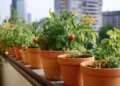
The best bit? You don’t need to have a huge vegetable plot or years of gardening experience to benefit from it. Whether it’s raised beds, traditional borders or a few pots on a sunny patio, companion planting can help you grow a healthier, more productive garden, and cut down on chemical sprays.
So let’s dig into how it works and explore some of the most successful plant partnerships you can try out this growing season.
What Is Companion Planting?
Companion planting is the technique of growing different plants together for the benefit of each other.
Companion planting gets you to think about how they interact and not just plant your vegetables, herbs and flowers separately.
Nature seldom produces plants in tidy rows of a single species. Wild landscapes are wonderfully diverse, and different plants share space and make balanced ecosystems. Companion planting is this idea taken one step further and used to diversify your garden.
There are many possible reasons for these beneficial relationships. One plant may attract pollinators that assist another to produce more fruit. Another might smell like something that tricks insects hunting their favorite food. Some plants provide shade, help improve the soil or act as a living mulch to help control weeds.
Of course, not every combination is perfect. Some people just don’t get along. Same with plants that compete for nutrients, attract the same pests, or interfere with each other’s growth. Knowing which plants like to grow together can make gardening easier and more rewarding.
Why Companion Planting Works
Companion planting may seem like an ancient gardening tradition passed down through the ages – and in some ways it is. But modern research also helps explain why many classic combinations work.
One of the biggest benefits is that it increases biodiversity. A garden with a diversity of plants is frequently more resilient than a garden growing a single crop. The different shapes, heights, scents and times of flowering create habitats for beneficial insects and make it more difficult for pests to spread quickly.
Many herbs produce aromatic oils that confuse or repel insects. Strong-smelling plants can confuse pests trying to find the vegetables they want to eat.
Flowers are important too. Bright flowers attract beetles, butterflies, hover flies, lacewings and ladybirds. But many of the other visitors eat aphids, caterpillars and other pest insects, and beetles help to improve pollination.
Some plants even contribute to healthier soils. Members of the bean and pea family work in consort with beneficial bacteria to help add nitrogen to the soil – a nutrient that leafy vegetables love.
Companion planting won’t fix all the problems of a garden, but it can promote a healthier balance that often lessens pest pressure and promotes plants to grow more robustly.
The Benefits of Companion Planting
There are a lot of reasons that gardeners love companion planting. It offers many benefits and doesn’t require expensive equipment or complicated techniques.
1. Stronger Plants
Plants grow stronger when they are less stressed by pests, poor pollination, or overcrowding. Healthy plants are also more resistant to disease.
2. Better Pollination
Many veggies require pollinating insects to set fruit. Plant flowering companions all over your garden to attract more bees and other pollinators for regular visits.
3. Natural Pest Control
Companion planting encourages a balanced ecosystem where beneficial insects help keep pest populations down rather than grabbing sprays at the first sight of bugs.
4. Better Use of Space
Planting compatible plants together helps you to maximize every inch of your garden. Tall crops can shade out smaller crops, fast growing vegetables can fill in spaces before bigger plants mature.
5. Richer Biodiversity
A diverse garden is not only healthier but more interesting. Mixing flowers, herbs, vegetables, and edible plants creates a beautiful space that’s full of color, texture, and wildlife.
Classic Companion Plant Pairings That Really Work
Some plant combinations have earned their reputation over decades of successful gardening Here are some of the most trusted partnerships.
Tomatoes & Basil
This is probably the most famous pairing for companion planting, and for good reason.
The strong smell of basil can confuse insects looking for tomato plants. And let the basil flower towards the end of the season to attract bees and other pollinators.
The pest repelling effects may be different from garden to garden but the two plants are good in similar growing conditions. Both enjoy warm weather, sunshine, and consistent watering, making them ideal companions.
Bonus: They also make great partners in the kitchen.
Carrots and Onions
Carrot flies mainly locate carrots by scent. The strong smell of onions may help to mask the scent of nearby carrots.
Carrots may also help confuse onion flies. The relationship is reciprocal.
These vegetables are planted at different parts of the soil, so they make efficient use of growing space and do not compete too much.
Cucumbers and Nasturtiums
Nasturtiums are happy flowers with a vital gardening job.
They attract pollinators and are also a “trap crop.” Aphids and other pests often prefer nasturtiums to cucumbers, so your vegetables have a better chance to thrive.
The bright flowers are edible too, bringing a splash of colour to summer salads.
Beans & Maize
This alliance has been in use for hundreds of years.
Beans grow up naturally with help from living supports, like cornstalks, and don’t require stakes or trellises.
Beans also enrich the soil with nitrogen, benefitting neighboring plants throughout the growing season.
Lettuce & Radishes
Radishes are fast-growing and they also loosen the soil as they grow.
Lettuce will thrive with the improved soil conditions and it’s wide leaves will eventually shade the ground, keeping the soil cool and moist.
And the different growth rates will also mean you’ll get radishes before the lettuce needs more room.
Cabbage and Dill
Dill attracts beneficial insects like hoverflies and small parasitic wasps whose larvae consume common cabbage pests.
The fine flowers are good nectar sources and will encourage helpful insects to stay around your garden longer.
Borage & Strawberries
Borage is a great bee-plant, with lovely blue flowers.
More bee visits result in better pollination and bigger strawberry harvests.
Borage also attracts a large number of beneficial insects and is therefore a welcome sight in the vicinity of fruit crops.
Herbs That Are Great Garden Companions
Herbs are one of the hardest working plants in a companion garden. They are attractive, fragrant, useful in the kitchen and often helpful for nearby vegetables.
Basil
Good with tomatoes, peppers and other warm season vegetables.
Chives
The onion-like smell may discourage some pests, but the purple flowers attract pollinators.
Mint
Mint has a strong smell that most insects don’t like.
Mint is an aggressive spreader, however, so it is best grown in containers rather than directly in garden beds.
Rosemary
Its woody scent can confuse some insects and add evergreen beauty in warmer climates.
Thyme
Thyme is a living ground cover, low growing, helping to keep the soil moist and attracting bees with its tiny flowers.
Flowers that Belong in Every Vegetable Garden
Many gardeners think flowers are for ornamental borders but they can be just as valuable among vegetables.
Marigolds
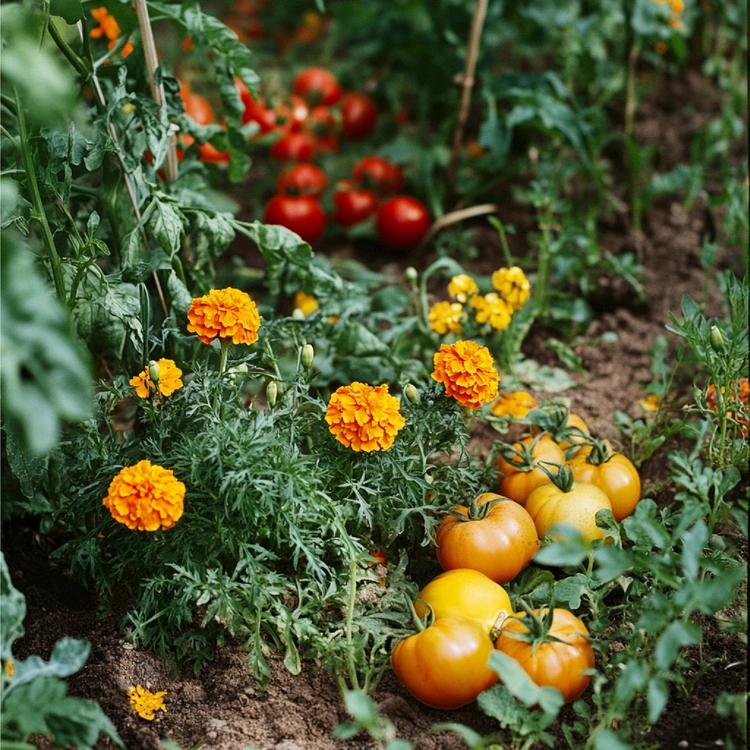
Perhaps the most popular companion flower is the marigold.
Some varieties decrease harmful soil nematodes and their colorful blooms attract beneficial insects all summer long.
Calendula
Calendula flowers bloom for months and are a source of nectar for pollinators.
They also attract hoverflies whose larvae consume huge numbers of aphids.
Sweet Alyssum
This lovely low-growing flower attracts tiny beneficial insects that are often overlooked but important for natural pest control.
Its honey-like scent is an extra perk.
Sunflowers
The tall sunflowers provide food for pollinators and birds and light shade for other plants on hot afternoons.
Some climbing beans can even use strong sunflower stalks as natural supports.
Plants That Don’t Make Good Neighbors
It’s not just about good partnerships with companion planting. It is also useful to know which combinations are best avoided.
For instance, onions and beans don’t always grow well together because onions can interfere with the growth of beans.
Potatoes and tomatoes are both in the same plant family, so share many diseases and pests. The closer they are together, the more a problem can spread.
Fennel is another plant that likes its own space. It tends to dwarf the growth of many vegetables. It is one of the few plants that is often grown alone.
They are not hard and fast rules that will guarantee success or failure, but they are good guidelines to follow when planning your garden.
Companion Planting in Small Spaces and Containers
You don’t need to have a big backyard to practice companion planting.
Container gardeners can form great plant partnerships, too.
Try growing a tomato and basil in the same pot, a big pot.
Lettuce under taller peppers for partial shade.
Add marigolds or calendula to your vegetable containers to attract pollinators and add some bright color to your growing space.
Combine herbs, edible flowers, and leafy greens for attractive window boxes that are productive and practical.
The trick is not to over crowd. Still every plant needs lots of room for roots, air flow and healthy growth.
Getting Started Tips
If companion planting is a little daunting, start small.
Try one or two combinations this season instead of the entire garden.
Watch what happens. What plants look good together? Which attract the bees? Which has less pest problems?
Keep a simple garden journal, noting what worked well and what you would change next year.
Remember, every garden is different. Soil type, climate, rainfall and local wildlife all influence results. What works in one area might not work so well in another and that is perfectly normal.
Rather than striving for perfection, aim for diversity.
Mix vegetables with herbs.
Instead of planting flowers in separate areas, distribute them throughout your beds.
Allow space for pollinators to visit.
Mulch well, water consistently and continue to build healthy soil.
Companion planting is best used as part of a good overall gardening approach, not as a single solution.
Companion Planting Myths
Companion planting is a generational practice, so it’s easy for myths to become intertwined with proven techniques.
Another common misconception is that all the pairings recommended are scientifically proven. There are in fact some combinations that are well researched, and others that are more based on years of observation by experienced gardeners.
Another myth is that companion planting will get rid of pests completely.
Sorry, but no garden method can promise a pest-free garden. You may still see aphids, caterpillars, slugs and beetles. The goal is balance, not perfection. A diverse garden tends to have natural predators that keep pest numbers in check.
Finally, don’t think that one failed pairing means companion planting doesn’t work.
Weather, soil, watering habits and many other things all affect gardening. It’s fun to play around and see what happens.
Designing a Garden that Works with Nature
One of the most rewarding things about companion planting is that it encourages gardeners to work with nature instead of fighting against it all the time.
You’ll learn to recognize the insects that are helping, rather than seeing them as foes. Beetles will be visiting flowers, ladybirds searching for aphids and hoverflies quietly minding their own business.
Your garden isn’t just a collection of plants, it’s a bustling little ecosystem where every species has its part to play.
The more diversity you put in, the more wildlife you’re likely to see, healthier soil, and a garden that feels more alive throughout the growing season.
FAQs
Companion planting is one of the most popular gardening techniques—and for good reason.
Growing certain plants together can help you grow healthier crops, attract the right insects, repel some pests and make better use of your garden space.
If you’re new to companion planting you might have a lot of questions. Here are the 10 questions we’re asked the most, and simple, practical answers to help you get started.
1. What does companion planting mean?
Companion planting is when you grow different plants together so they help each other out.
Such benefits could include:
- Pollinator attraction
- Scare away pests
- Soil health improvement
- Offering shade or support
- Maximising growth area
For example, marigolds are frequently grown near vegetables because their blooms attract beneficial insects and may help control some garden pests.
Companion planting is not a magic answer, the main thing to remember is that it creates a healthier garden ecosystem.
2. Does companion planting actually work?
Yes—but not always in the way many people expect.
Some companion planting combinations are supported by scientific study, especially those that:
Attract pollinators
Attract beneficial insects
Improve biodiversity
Plants that fix nitrogen make the soil more fertile.
Other traditional combinations are based on years of gardening experience, not strong scientific evidence.
The best results come when you combine companion planting with good gardening practices such as proper watering, improving the soil, rotating crops and keeping plants healthy.
3. What are the best companion plants for tomatoes?
Tomatoes are great to grow with other useful plants.
Popular choices are:
- Basil
- Marigolds
- Nasturtiums
- Chives
- Parsley
- Borage
- Lettuce
- Spinach
These plants can help attract pollinators, beneficial insects, cover the soil or just make good use of space around tomato plants.
Don’t plant tomatoes near potatoes if you can avoid it. They can have similar diseases.
4. Do flowers really help vegetables?
Of course.
Flowers are important in a productive vegetable garden – they attract bees, butterflies and hoverflies and predatory insects.
Excellent flowers for companion planting include:
- Marigolds
- Calendula
- Cosmos
- Sweet alyssum
- Nasturtiums
- Borage
- Sunflowers
A colourful vegetable patch is usually a healthier and more productive one.
5. What plants cannot be planted together?
Some plants are highly competitive for nutrients, or vulnerable to the same pests and diseases.
Examples of such are:
- Tomatoes & potatoes
- Beans or peas near onions
- Fennel w/most vegetables
- Potatoes and cucumber
- Repeatedly planting brassicas in the same location
While not guaranteed to fail, these combinations often lead to healthier plants when separated.
6. Does companion planting work for small gardens?
It might even be more useful in smaller spaces.
Whether you grow in:
- Raised beds
- Containers
- Courtyards
- Balconies
- Small vegetable patches
Companion planting is one way to make the most of every inch of space.
Planting herbs, flowers, and vegetables together also creates a more beautiful and wildlife-friendly garden.
7. Can I companion plant in containers?
For sure.
Many gardeners have success in combining plants in pots.
Some great combinations for containers are:
Tomatoes, basil
Lettuce and green onions
Thyme-strawberries
Peppers and Marigolds
Mix herbs according to requirements of watering
Just don’t overcrowd containers, as each plant still needs enough water, nutrients and airflow.
8. What plants attract beneficial insects
Some of the hardest working helpers in the garden are beneficial insects.
Plants that attract them include:
- Sweet alyssum
- Dill
- Fennel (grown away from vegetables)
- Yarrow
- Calendula
- Cosmos
- Lavender
- Borage
These plants provide nectar and pollen for ladybirds, hoverflies, lacewings, parasitic wasps and many pollinating insects.
9. Is companion planting natural?
Companion planting goes hand in hand with organic gardening as it promotes natural pest control rather than just using chemicals.
This is particularly effective when used in conjunction with:
Composting
Mulch
Rotation of crops
Gardening for wildlife
Good management of soil
Even if you’re not gardening organically, companion planting can be a tool to help build a more balanced and resilient garden.
10. How to get started with companion planting?
Keep it simple.
There is no need to memorize dozens of planting combinations, just start with a few tried and true combinations.
Try to grow:
Tomatoes with basil and marigolds
Carrots with onions
Cucumbers with nasturtiums
Beans with sweet peas nearby for pollinators
Lettuce beneath taller crops for shade
Observe what succeeds in your own garden, maintain notes each season, and gain knowledge through experience over time.
All gardens are not the same, remember. Companion planting combinations will work depending on the soil, weather, pests and climate.
Summary
Companion planting isn’t about hard and fast rules or memorizing endless lists of plant combinations. It’s about recognizing the cool ways plants interact with each other, and using those interactions to create a more productive, healthy garden.
Whether you begin with a combination of tomatoes and basil, or marigolds dotted in amongst your vegetables, or aromatic herbs tucked around your containers, every little bit helps create a more balanced growing space.
The beauty of companion planting is that it invokes curiosity.
Try some combinations and see what happens, let your own garden be your best teacher.
You will quickly find out that the happiest gardens are not necessarily the ones with the most expensive tools or the biggest harvests, but rather those where plants, pollinators and gardeners all work together in harmony.
So pick up a few extra packets of seeds, combine flowers and vegetables, and enjoy the process. Your garden may well reward you with healthier plants, bigger harvests and many delightful surprises along the way.