A lettuce leaf that looked perfect at dinner time can become a lacework of holes by breakfast. Slugs do their best work while the garden is quiet, damp, and dark, which is why learning how to keep slugs off plants usually takes more than one quick fix.
The good news is that a few thoughtful changes can protect tender plants without turning your garden into a chemical battleground.
Slugs are most troublesome around young seedlings, leafy greens, hostas, strawberries, basil, marigolds, and other soft-leaved favorites.
They thrive where moisture lingers and hiding places are plentiful. Instead of trying to eliminate every slug from the yard, focus on making your most vulnerable plants harder to reach and your garden less inviting after sunset.
Start by Making the Garden Less Slug-Friendly
Slug control begins with the conditions around your plants. These pests need moisture to move and shelter to rest during the day, so a wet, cluttered bed gives them exactly what they want.
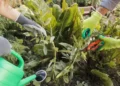
Water in the morning whenever possible. Plants still get the deep drink they need, but the soil surface and foliage have time to dry before nightfall.
Evening watering is not always avoidable during a hot spell, especially for containers, but it can make a big difference to shift routine watering earlier in the day.
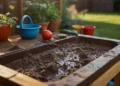
Clear away damp hiding spots near susceptible plants. Boards, overturned pots, dense piles of leaves, weeds, and thick layers of soggy mulch can all become slug hotels.
You do not need a bare, sterile garden bed.
Organic mulch is valuable for soil health and moisture retention. Simply keep it pulled a few inches back from the stems of seedlings and inspect especially damp areas after rain.
Spacing matters, too. Crowded plants hold humidity close to the soil and create a shady pathway for slugs. Give vegetables and annual flowers enough room for air to move through them.
As a bonus, better airflow can also reduce some foliar disease problems.
How to Keep Slugs Off Plants With Physical Barriers
A barrier works best when it is installed before seedlings are chewed down to stubs. It should surround the plant completely, and it needs regular checking after rain, wind, or a busy watering day.
1. Use collars for young plants
For newly planted seedlings, a simple collar can provide immediate protection.
Cut the bottom from a clean plastic nursery pot or use a short section of sturdy plastic edging, then press it about an inch into the soil around the plant.
The collar will not stop every determined slug, but it creates a useful obstacle while the plant develops tougher stems and more leaves.
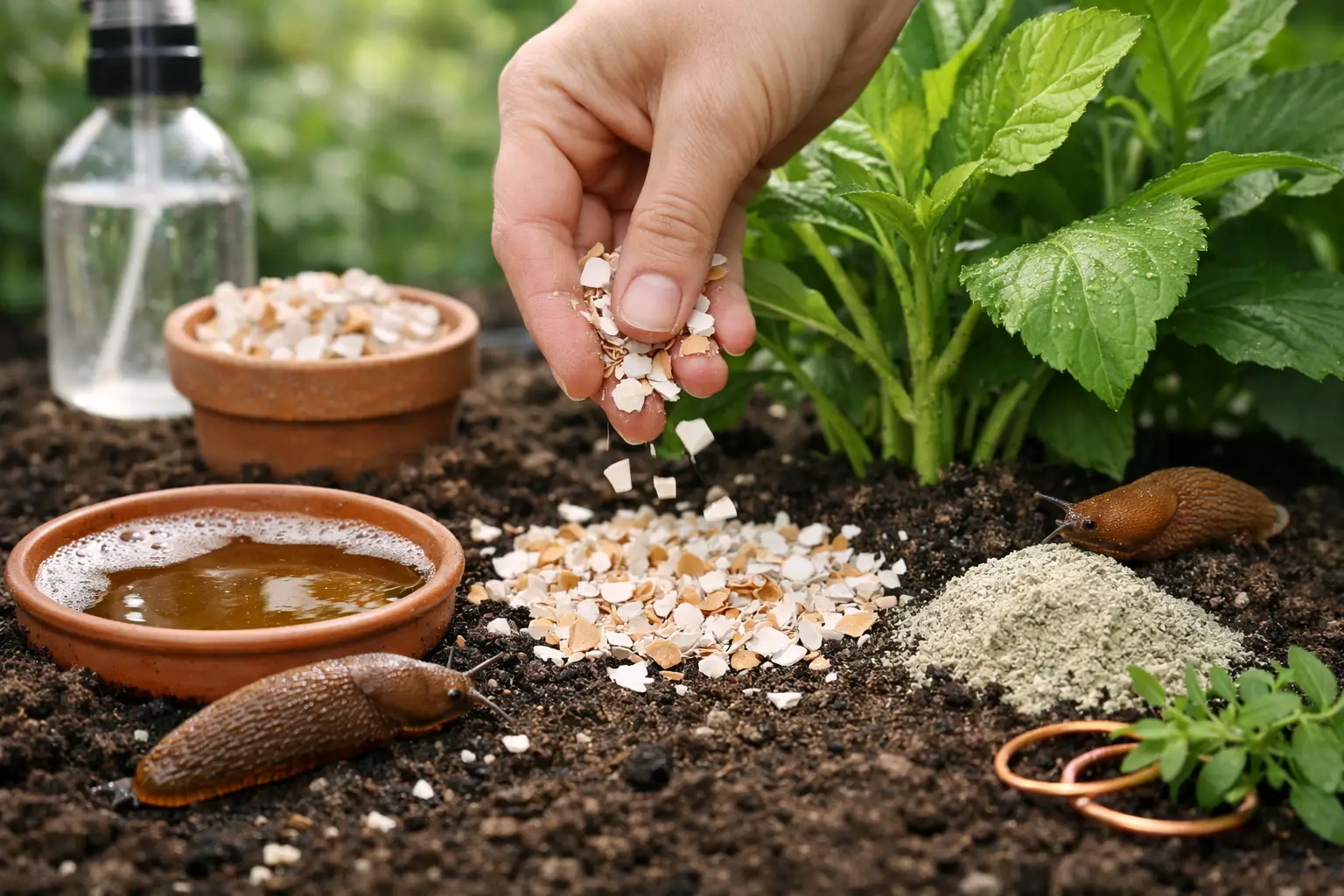
Copper tape or copper bands can also help around raised beds, planters, and pots. When a slug contacts copper, it receives a mild unpleasant sensation that encourages it to turn away.
Copper is most effective when the strip is wide enough to cross and stays clean, dry, and unbroken.
It is a good option for a prized container or a small raised bed, but it can be expensive for a large vegetable garden.
2. Choose rough materials with realistic expectations
Coarse materials such as crushed oyster shell, sharp grit, or wool pellets are often used around plants because slugs prefer smooth, moist routes.
They can help in dry weather, particularly around individual transplants. Their limitation is rain. Once particles become wet, settle into the soil, or are bridged by fallen leaves, their deterrent effect drops sharply.
Diatomaceous earth has a similar drawback. It may irritate soft-bodied pests when dry, but it becomes ineffective when wet and needs frequent reapplication. Use it sparingly and avoid spreading powder where beneficial insects may travel. It is not the most dependable first choice in a rainy climate.
Skip the eggshell myth. Crushed eggshells add useful minerals to compost, but they are rarely sharp enough or dense enough to stop hungry slugs. Save yourself the cleanup and choose a method with better odds.
Hand-Pick at the Right Time
Hand-picking is not glamorous, but it is one of the fastest ways to lower a slug population in a small garden.
Go out 30 minutes after sunset, early in the morning, or after a rainy day with a flashlight and a container of soapy water. Check beneath leaves, along bed edges, under pots, and around the base of plants.
If that sounds like too much for a busy weeknight, make it a five-minute garden walk. Removing even a handful of adult slugs before they lay eggs can prevent a much larger problem later.
Wear gloves if you prefer, and be especially thorough around seedlings and ripening strawberries.
You can also set out a flat board, grapefruit half, or inverted flowerpot near damaged plants. Slugs may gather underneath during the day, making collection easier.
Check these traps daily. A trap left in place too long can become another comfortable shelter.
Use Slug Bait Carefully When Damage Is Serious
Sometimes barriers and cleanup are not enough, particularly during a long, wet spring or when tender vegetable starts are first going into the ground.
In those situations, a bait containing iron phosphate can be a practical backup tool. It is generally considered a lower-impact choice than older metaldehyde products when used according to its label.
Scatter bait lightly where slugs travel, not in piles beside every plant. More is not better.
Read the package carefully for directions around pets, children, edible crops, and water features, and store the product securely. Even products marketed as natural deserve the same care as any garden treatment.
Beer traps are popular, and they can catch slugs, but they also require frequent emptying and may attract slugs from nearby areas.
Think of them as a localized monitoring tool rather than a complete solution. A shallow trap with a little yeast-and-sugar water can work similarly if you would rather not use beer.
Invite the Helpers, but Keep Your Expectations Grounded
A lively garden has natural slug predators. Ground beetles, birds, frogs, toads, garter snakes, and some turtles may all eat slugs or their eggs.
Planting a mix of flowers, shrubs, and native plants can support a more balanced backyard habitat. A shallow water dish with stones for safe access may help wildlife during dry weather, as long as you refresh it often.
Ducks and chickens can be enthusiastic slug hunters, but they are not a simple answer for every home garden. They may also scratch up mulch, eat seedlings, or sample your tomatoes. If you already keep poultry, supervised foraging in paths or empty beds can help.
Bringing animals into the yard solely for slug control is usually more work than most gardens need.
Avoid broad-spectrum insecticides whenever possible. They can harm the beetles and other beneficial creatures that quietly contribute to pest control.
Healthy soil, plant diversity, and a little garden mess in the right places can support helpful wildlife without sacrificing the plants you are trying to grow.
Protect the Plants Slugs Love Most
Not every plant needs the same level of defense. Prioritize your efforts where damage has the biggest impact: tiny seedlings, newly planted transplants, leafy vegetables, and low-growing ornamentals.
A mature zucchini can usually outgrow a few holes. A two-inch basil start may not recover.
For containers, raise pots on feet or bricks so water drains freely and check beneath the rims and saucers.
Slugs often hide in exactly those protected, damp spaces. If one pot is repeatedly attacked, move it temporarily to a brighter, drier location and add a copper band or collar.
In raised beds, keep pathways trimmed and avoid letting grass or weeds press directly against the sides. Slugs can use that greenery as a bridge into the bed.
Inspect wooden bed frames, too, since the moist underside can provide a daytime hiding spot.
Build a Routine That Fits Your Garden
The most effective slug strategy is usually a small routine repeated consistently: morning watering, a quick check for hiding places, hand-picking after wet weather, and barriers around the plants that matter most. This layered approach is more reliable than relying on one miracle material.
A few chewed leaves do not mean your garden is failing. Watch for fresh damage, silvery slime trails, and disappearing seedlings, then respond early.
With a drier surface, fewer hiding spots, and well-protected young plants, your garden can stay a gorgeous, green retreat where the lettuce is for your family, not the midnight munchers.
Learn more about Pest & Disease Management >