Looking at the natural world it’s hard to overstate the importance of plants, they literally underpin our ecosystem, providing us with oxygen, food, and shelter, and play a crucial role in balancing the planet.
Coming from a more practical standpoint, farmers, gardeners and anyone who wants a thriving garden need a deep understanding of how plants grow, which is why fertilisation has become a mainstay in agriculture, horticulture and gardening.
One key factor that plays a significant role in plant growth is fertilization.
What is Fertilization?
Fertilization is the process of providing essential nutrients to plants to support their growth and development.
The origin of these nutrients is crucial, and most can be obtained by feeding plants with compost, manure, organic matter or artificial fertilisers engineered to produce the desired boost and specific quantities.
The Role of Nutrients in Plant Growth
Plant growth is powered by a specific set of nutrients, derived from organic matter, animal waste and artificial substances, that give the plant the fuel it requires.
Plants demand multiple nutrient elements that allow them to bloom and excel, and can be classified into macronutrients and micronutrients. The macronutrients like nitrogen, phosphorus and potassium require large amounts, and the micronutrients, which include iron, zinc, manganese, are needed in much smaller amounts.
Common Fertilizers and Their Benefits
There are many types of fertilizers available on the market, each with its own unique benefits.
Here are some common fertilizers and the nutrients they provide:
Nitrogen-based fertilizers
Nitrogen is one of the most critical nutrients, and nitrogen-based fertilizers are developed to give it to them, resulting in lush foliage, sturdy stems and greater harvests in home gardens and commercial crops.
Well-known for its starring role in chlorophyll, the green pigment that allows plants to turn sunlight into energy, nitrogen is also a huge component of amino acids and proteins, without which plant growth would be severely hindered.
Plants that are lacking in nitrogen display yellowing leaves, stunted growth and lackluster yields, and can be quickly fixed by applying nitrogen-based fertilizers.
Coming in synthetic and organic forms, nitrogen fertilizers can be made from urea, ammonium nitrate, ammonium sulphate and lots more.
Synthetic fertilizers such as urea contain 46% nitrogen, and are widely used on crops and lawns, ammonium nitrate is a mix of ammonium and nitrate forms that kicks in right away, and ammonium sulphate gives nitrogen plus sulphur, which is great for acid-loving plants.
Organic options include compost, manure, which slowly release nitrogen and fix the soil’s structure, and blood meal and fish emulsion which are both extremely high in nitrogen and knock out any sluggish growth in a short period of time.
When it comes to application, you need to know the correct dose.
Too much nitrogen can scorch your plants, sending them into a frenzy of leaf growth at the expense of flowers and fruits, so make sure you time it right too.
During the periods when the plant is actively growing. Spread the fertilizer evenly and give it a light soaking so it doesn’t run off.
Phosphorus-based fertilizers
In relation to healthy crop growth, phosphorus is an essential element, playing a significant part in energy transfer, photosynthesis and developing roots.
Deficient crops can be noticeably stunted, delayed in maturation, and produce very little in the way of fruit or seeds, leading farmers to turn to phosphorus-based fertilizers that deliver a readily available supply of this critical nutrient to the soil.
There are a few types of phosphorus fertilizers that farmers use, including single superphosphate (SSP), triple superphosphate (TSP), and ammonium phosphate, each of which has different phosphorus levels and degrees of solubility, allowing the farmers to pick the very best option for their specific crops, soil, and local climate.
These fertilizers are a strong supporter of a good root system, which is key to how plants absorb the nutrients they need, and in doing so, sends the health of the plant soaring.
Coming into the game early in the life of a plant, phosphorus is all over the place helping to pump up the development of the roots, gives crops the resilience to withstand drought and other stresses, and brings out the flowers, fruit and grains that are so important in cereals, vegetables and fruits.
While phosphorus fertilizers are basically miracle workers for crops, it’s clear that overusing them has a lot of nasty side effects, including pouring out excess nutrients into water sources and causing eutrophication.
Well-known methods to stop this are soil testing, using the right amount and targeting the application precisely, and mixing the phosphorus-based fertilizers with organic matter like compost or manure to make the soil healthier, fire up the microbes and get the nutrients working better for the plants.
Potassium-based fertilizers
When growing strong and healthy crops, potassium is one of the three essential macronutrients, and is often referred to as the “quality nutrient”, alongside nitrogen and phosphorus.
Potassium is responsible for a wide array of functions within the plant, water regulation, enzyme activation, photosynthesis and resistance to disease.
If lacking, crops may have weakened stems, problems with their root systems, and less resistance to the bane of the crops, pests and extreme weather conditions.
Potassium-rich fertilisers are made to get the required potassium to the crops that need it, and come in various forms, like muriate of potash, sulphate of potash and potassium nitrate, each with its own rate of solubility, nutrient content and appropriateness for different soils and crops.
For example, sulphate of potash is better for crops that don’t like chloride, whereas muriate of potash is commonly used for cereals and vegetables.
Well-known benefits of potassium fertilisers include the hardening of plant cell walls, tolerance to drought, and speeding up the transportation of water and nutrients inside the plant.
It also gives a boost to the process of photosynthesis and protein creation, which have a direct impact on the quantity and quality of the crops. In fruits and vegetables, it adds to the size, colour, taste and shelf life of the produce.
However, if overdone, potassium fertilisers can knock out the balance of other minerals like magnesium and calcium, so it’s a good idea to test the soil before applying the fertiliser, so that just the right amount is added, and to squander as little as possible.
Adding organic matter to the soil, such as compost or green manure, will perk up the soil, lock in the nutrients and get the good microbes working overtime.
Organic fertilizers
In terms of fertilizing crops and nurturing soil, organic fertilizers are a natural and safe way to go.
Originating from plant, animal and mineral sources, they’re so much better than synthetic fertilizers that pump out concentrated chemicals. Coming out of the earth, compost, animal waste, bone meal, overgrown fields and seaweed extracts are all examples of organic fertilisers.
Well-known for their ability to perk up the health of the soil, these fertilisers raise the level of organic matter in the soil, sort out drainage problems and supercharge the microbial activity.
This in turn leads to more robust root systems and gives plants a serious boost in absorbing the nutrients they need to grow.
Regular use of organic fertilisers can also bring back soils that have been run down, and keep crops going for years to come.
Because organic fertilisers don’t contain nasty chemicals, they don’t send excess nutrients into rivers and lakes, either. Plus, they are biodegradable, so they won’t cause any harm to humans, wildlife, or the tiny creatures that live in the soil.
Coming from the plant, these fertilisers can be slower in releasing their goodness, which is actually an advantage for steady, sustainable growth.
They dish out the main macronutrients like nitrogen, phosphorus, and potassium, plus the smaller micronutrients such as zinc, iron and magnesium. By gently improving the fertility of the soil, organic fertilisers help crops get through hard times, like droughts and diseases.
Using organic fertilisers requires a bit of know-how, composting animal waste reduces the risk of sickness and unpleasant smells, growing green crops that can be ploughed back into the soil is another way to pump up the nutrient content and combining them with tiny amounts of chemical fertilisers can really knock out crop yields.
How to Fertilize Plants
When fertilising your plants you don’t know exactly which nutrients are lacking or how much they need, so a soil test is really the way to figure it all out – and sticking to the guidelines, because over-fertilizing will send your plants into a tailspin, throwing off the delicate balance of nutrients and sending the roots into disarray.
Timing is everything when it comes to fertilizing too – different types of plants at different stages of growth require specific types of fertilizers – for example, flower plants can be given a phosphorus-based feed just before they bloom, but if you water them after a feed, the nutrients have to be able to reach the roots, which isn’t always the case, which is why a good soaking is necessary.
Benefits of Fertilization
Proper fertilization offers numerous benefits for plants, including:
- Improved growth and development
- Increased resistance to pests and diseases
- Enhanced flowering and fruit production
- Stronger root systems and better nutrient uptake
- Overall plant health and vitality
You’ll see that a little goes a long way, even with fertiliser, and too much can be disastrous for your plants, but synthetic fertilizers, on the other hand, are essentially man-made chemical concoctions that release their nutrients all over the place.
Common Fertilization Questions
Here are some common questions about fertilization:
Can I over-fertilize my plants?
Concerning fertilizing plants, it’s all too easy to overdo it, and in doing so, harm the growth of your plants. Fertilisers can provide the necessary nutrients, but too much of them can throw out of balance the very delicate balance of what’s in the soil, leading to scorching, weak roots and sickly plants.
You’ll know that you’ve overfertilised if you notice yellowing or browning on the edges of the leaves, wilting, stunted growth and in the worst cases, plant death.
One of the major problems with chemical fertilisers is that they can suck all the moisture out of the roots, causing dehydration and stress. Over-fertilised plants are also a lot more vulnerable to pests and diseases.
Well-known ways to avoid overfertilisation is to check out the label recommendations on the fertiliser, figure out what each plant needs and send a soil sample to a lab to see what’s already present in the soil, so you don’t add anything that’s not necessary.
Organic fertilisers, although slower acting, reduce the danger of overfertilisation, because they feed the plants more gently, slowly releasing the nutrients they contain.
What is the difference between organic and synthetic fertilizers?
Well-known differences between the two, organic fertilizers are made from natural materials, like compost, manure, bone meal, and plant waste. These organic fertilizers slowly release their nutrients and improve the soil, boost microbial activity, and create long-term fertility.
Synthetic fertilizers, however, are created in a lab and provide concentrated nitrogen, phosphorus and potassium for rapid action, supplying plants with a boost they need. Overuse of synthetic fertilizers though, can ruin the health of the soil, cause water pollution, and destroy local ecosystems.
When choosing between the two, you should consider that organic fertilizers are basically suited for sustainable gardening and building up the health of your soil, whereas synthetic fertilizers are good for quickly meeting the immediate needs of your crops, but if combined with organic fertilizers thoughtfully, it will help maximize crop growth and prevent soil degradation.
Do all plants require the same type of fertilizer?
In relation to fertilizing, not all plants are created equal, and the type of fertilizer they need is as unique as they are.
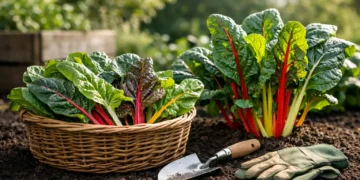
Leafy greens like spinach and lettuce crave fertilizers high in nitrogen, which kick-starts lush leaf growth.
Flowering plants like roses, tomatoes and the like, are best given phosphorus-rich feeds to get those blooms and fruits bursting out of the ground.
Root crops like carrots and beets, on the other hand, prefer more potassium to develop their strong roots.
Well-known soil types sand and clay also affect what kind of fertiliser is required, with the light, airy sand soils needing more frequent feeds, and the heavy clay soils holding onto nutrients better.
Unfortunately, some plants can be very sensitive to certain ingredients, and won’t be able to stand high levels of chloride.
Well-known soil tests and understanding the specific needs of your plants will allow you to get the right food for them, and they’ll reward you with healthy, bountiful crops.
Well-known in the horticultural world as the key to getting the best out of your plants, fertilisation, whether you’re a seasoned pro or a beginner, is something that’s hard to go wrong with, and will be thanked by your plants.