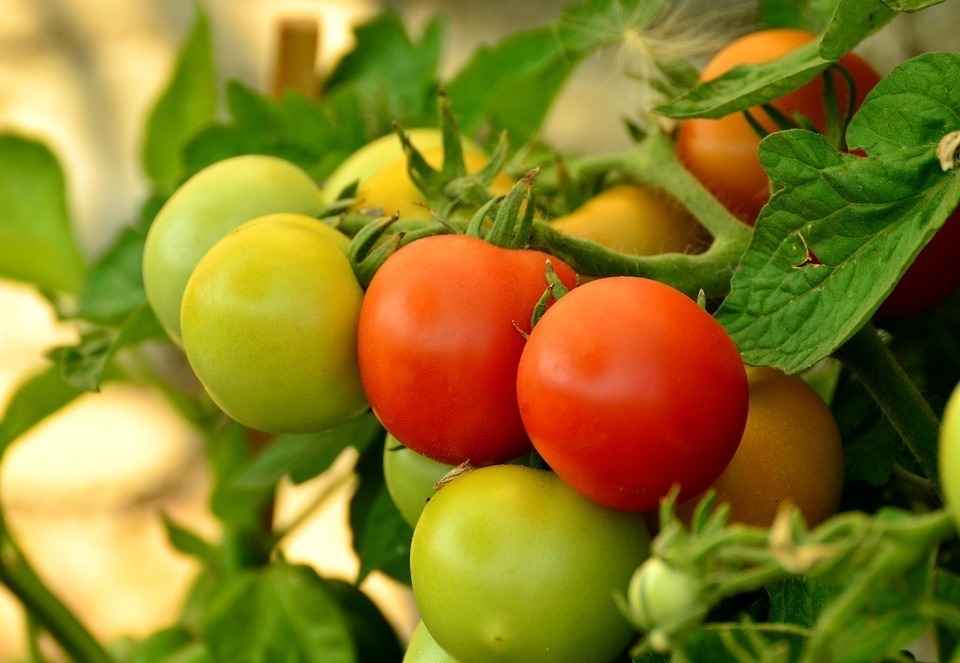
Growing tomatoes is almost like magic. A little seed, dry, unassuming, and easy to miss, holds the promise of warm slices on sandwiches, rich sauces, or eating them straight from the vine with juice running down your fingers.
Tomatoes give gardeners a reward that few other crops can match, from the first hopeful planting to the first perfect bite.
You already know the difference if you’ve ever eaten a tomato from your own garden.
Store-bought kinds are made to last a long time and travel well.
You grow garden tomatoes for their taste. They soak up the sun in your backyard, on your balcony, or on your patio, and they get deeper and sweeter over time.
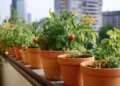
Learn more about Balcony Gardens >
When you are growing tomatoes yourself, you can choose from a wide range of options, such as deep crimson beefsteaks, golden heirlooms, striped beauties, and small cherry tomatoes that burst like candy.
The best part is that you don’t have to be a master gardener with a lot of land to grow tomatoes.
Tomatoes are very flexible. You can grow them in raised beds, containers, or a sunny spot in your yard. Even beginners can pick baskets of shiny fruit if they prepare the soil well, time it right, and take care of it regularly.
In this ultimate guide, we’ll show you the whole process, from planting the seeds to enjoying the food.
You need to pick the right types for your climate and how you like to cook. Do you want thick slices for your summer burgers? Choose tomatoes that are big and easy to slice. Are you going to make salsa or sauce? Roma and paste types are the best. Want something low-maintenance and prolific? Cherry tomatoes are well-known for giving a lot of fruit.
Next, you can either start seeds indoors or choose strong seedlings from your local nursery. We’ll talk about when to plant, how to help your young plants get off to a good start, and what kind of light and heat they need to grow.
Tomatoes like sunshine, but they also like soil that is rich and drains well, and they need to be watered regularly. A little planning ahead of time makes a big difference later.
As your plants get bigger, you’ll learn how to properly support them with stakes, cages, or trellises to keep the fruit off the ground and the air flowing.
We’ll talk about how to prune your plants (and when to skip it), how to feed them so they grow steadily, and how to spot problems before they become big ones. Tomato plants are tough, but they do best when they are cared for carefully.
Then comes the time every gardener looks forward to: the harvest. Picking your tomatoes at the right time will make them taste and feel the best. We’ll give you advice on how to ripen, store, and enjoy your harvest at its best. There’s nothing like going outside, picking a bowl of ripe fruit, and bringing it right to the kitchen.
Tomatoes are more than just a gardening project; they’re a seasonal tradition. It links you to the beat of warm days and cool nights, the earth and the sun, and the need for patience and reward.
This guide will give you everything you need for growing tomatoes that are bright, tasty, and truly memorable.
Let’s begin.
Understanding Tomato Varieties
If you’ve ever stood in the seed aisle and looked at a lot of tomato packets—cherry, beefsteak, heirloom, determinate, and indeterminate—and thought, “How are these all just tomatoes?””You’re not the only one.”
One of the most fun (and a little overwhelming) parts of planning your garden is learning about the different kinds of tomatoes. The good news is? Once you know what the labels mean, picking the right tomato is half the fun.
We at Good Garden Ideas think that choosing your tomato types is like casting characters in a summer garden story. They all have different jobs, and when they work together, they make something tasty.
Let’s start with one of the most important differences: determinate vs. indeterminate. This isn’t just garden talk; it has an effect on how your plants grow and how you pick them.
Determinate Tomatoes
People often call determinate tomatoes “bush” types. They grow to a certain height, set all their fruit at once, and then they don’t make any more fruit. If you want to make a lot of sauce, salsa, or canned tomatoes, determinates are the best type of tomato to use.
In a shorter amount of time, you’ll get a big harvest. They also work well in small spaces and containers because they stay small.
Indeterminate Tomatoes
On the other hand, “indeterminate tomatoes” are the marathon runners of the garden. Frost is the only thing that can stop these plants from growing, flowering, and making fruit.
They need cages or stakes and a lot of vertical space, but they will give you tomatoes all season long.
Indeterminate tomatoes are the best choice if you like to pick a few ripe ones every day for salads and sandwiches.
Now let’s talk about size. Tomatoes can be tiny gems that fit in your mouth or big slicing champions.
Cherry and Grape Tomatoes
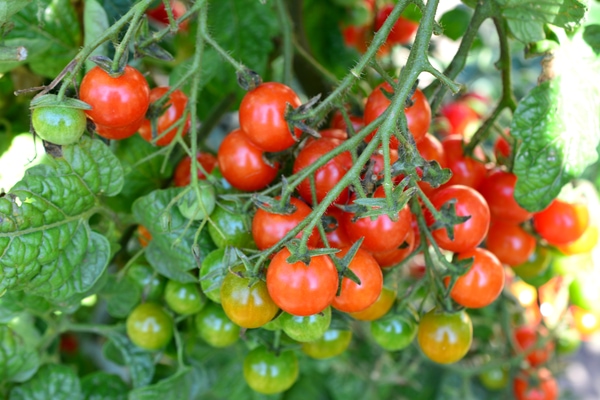
Cherry and grape tomatoes are the best snacks. They’re usually easy to grow, very fruitful, and very sweet. Cherry varieties are great if you garden with kids or just like to snack while you water. A lot of them are indeterminate, which means they’ll keep those colorful clusters coming all summer.
Plum and Paste Tomatoes
Plum or paste tomatoes, like Roma-style tomatoes, have more meat and fewer seeds and juice. That makes them great for making sauces, roasting, and storing. Their meat cooks down into thick, rich flavors that are very good. These are the best ingredients for making your own marinara or sun-dried tomatoes.
Beefsteak Tomatoes
Beefsteak tomatoes are the best kind of tomatoes for sandwiches. Many people think of homegrown tomatoes as big, juicy, and often very flavorful. A single thick slice can fill a burger bun or take over a BLT. These are usually not clear and need strong support, but the work is worth it.
Heirloom Tomatoes
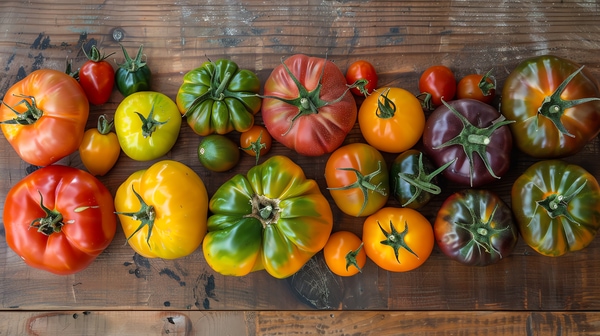
And then there are the bright colors of heirloom tomatoes. Heirlooms are open-pollinated types of plants that have been passed down from one generation to the next, sometimes for 50 years or more.
People love them for their great taste, strange shapes, and bright colors, which can be deep purples, sunny yellows, striped greens, or even almost black skins.
Heirlooms may not always look “perfect,” but their taste is something you’ll never forget. If taste is the most important thing to you, give heirlooms some space in your garden.
Hybrid Tomatoes
On the other hand, hybrid tomatoes are bred to have certain traits, such as being disease-resistant, having a uniform shape, or producing more fruit.
Some gardeners think that hybrids lose flavor, but that’s not always the case. A lot of new hybrid plants are both tasty and tough.
Choosing hybrid plants that are resistant to diseases can make a big difference if you’ve had trouble with plant diseases in the past.
The weather is also a big factor in picking the right tomato. Early-maturing types that ripen quickly in shorter summers are good for gardeners who live in cooler areas.
If you live in a hot, sunny place, heat-tolerant types can help keep flowers from falling off and burning. The “days to maturity” number on seed packets tells you how long it will take to grow from planting to harvest.
Space is important, too. Balcony gardeners should choose determinate or dwarf varieties that are made just for containers.
Raised bed gardeners can mix and match, but they should remember that plants that are too close together are more likely to get sick. Indeterminate plants will happily climb up tall trellises if you have the space.
One of the best things about knowing about different kinds of tomatoes is that you don’t have to pick just one.
You really shouldn’t! Mix the plants. A cherry tomato to snack on every day. A beefsteak to put on sandwiches. A paste tomato for making sauces. Maybe a few heirlooms just because they’re so pretty.
There are so many different kinds of tomatoes, and that’s what makes growing them so fun.
When you choose the right type of plant for your space, climate, and kitchen plans, you set yourself up for a successful season and really tasty meals.
Now you know exactly what you’re looking at when you look through seed catalogs or nursery tables. And instead of being stressed out, you might just feel motivated.
There is really something for every garden and every gardener when it comes to tomatoes.
Choosing the Right Tomato Seeds
Think about the weather and growing conditions in your area when choosing tomato seeds.
Some things to keep in mind are:
- Local Adaptation: Buy seeds from local nurseries or seed companies that are right for your area.
- Organic vs. Non-Organic: If you want to grow your tomatoes without using synthetic pesticides or fertilizers, organic seeds are a great choice.
- Germination Rate: Choose seeds with a high germination rate to make sure your plants grow well.

Popular Tomato Varieties to Grow in Your Garden
This is a friendly list of some of the most popular tomato types that gardeners in the US like to grow. You can find sweet snacking tomatoes, classic slicers for sandwiches, and rich paste types for sauces.
Home gardeners and extension sources always recommend these favorites because they taste good, are reliable, and can be used in many ways.
1. Brandywine
A classic heirloom tomato that many people love to grow in their home gardens. Brandywine makes big, tasty beefsteak-style fruits that taste like old-fashioned tomatoes. They’re great for slicing on sandwiches or eating fresh.
2. Purple Cherokee
This heirloom favorite is known for its dark red-purple color and rich, slightly sweet taste. If you want something different from a regular red tomato, this is a great choice.
3. Sungold
Sungold cherry tomatoes are a big hit with both kids and adults. They are bright orange and very sweet. They are very productive and almost impossible to resist right off the vine.
4. Black Cherry
Black Cherry tomatoes are a great choice if you like a lot of flavor in a small package. They have a nice amount of sweetness and grow well in most home gardens.
5. Super Sweet 100
This type of cherry tomato is another superstar. It has long clusters of juicy, sweet fruit that keep coming all season long. It’s great for snacking and salads.
6. Roma
Roma tomatoes, also called plum tomatoes, are a good choice for gardeners who want tomatoes for making sauces, pastes, and canning. The fruits are thick and meaty, with fewer seeds.
7. Early Girl
A popular hybrid among home gardeners because it makes medium-sized, tasty tomatoes early in the season. Great if you can’t wait for your first harvest.
8. Better Boy
Better Boy is a classic garden tomato that is often recommended for beginners. It makes big, tasty fruits and is resistant to many diseases, making it a good all-purpose slicer.
9. Celebrity
Celebrity is another tried-and-true garden mainstay. It’s a strong, productive tomato that is resistant to many diseases, so it’s a good choice if you want something that will work year after year.
10. Amish Paste
Amish Paste is a traditional heirloom plum tomato with meaty flesh and a great cooking flavor. It’s perfect for people who love sauce. This is a great heirloom alternative to Roma types.
These types are a mix of heirloom favorites and hybrids that grow well in gardens. You can eat them fresh, can them, snack on them, or cook with them.
This list is a great place to start planning your tomato patch, whether you’re a first-time tomato grower or an experienced gardener who wants to try new varieties.
Starting Seeds Indoors
Starting growing tomatoes indoors gives you a head start on the growing season.
Here’s how to do it effectively:
Starting tomato seeds indoors is so satisfying. Even though it’s still cold outside, your kitchen table or spare room can be the place where the best summer harvest starts.
We love this part of the process at Good Garden Ideas because it feels like you’re getting a head start on the sun.
The first secret to success is When. You should usually start tomato seeds 6 to 8 weeks before the last frost date you expect.
If you start too early, your plants may grow tall and leggy before the weather is warm enough to move them outside. If you know when the last frost is in your area, you can plan perfectly.
You don’t need high-tech tools to get started. A simple seed-starting tray or small pots with holes in the bottom will work. Instead of regular garden soil, use a light, fluffy mix for starting seeds.
The seed-starting mix drains well and keeps the tiny roots from getting too wet. Fill your containers carefully, plant the seeds about 1/4 inch deep, and lightly cover them with dirt.
When they are sprouting, tomatoes like it warm. The soil should be between 70 and 80 degrees Fahrenheit. A sunny windowsill can work, but putting a simple heat mat under your trays can speed up and make the germination process more consistent.
Most tomato seeds will sprout in 5 to 10 days, and it’s always fun to see the first green loops break through the ground.
Light is very important after they have sprouted. Tomato seedlings need 12 to 16 hours of bright light every day. A window that faces south may not be enough on its own, especially in late winter.
If you see seedlings growing tall and thin, they are trying to get more light. A simple grow light placed a few inches above the plants keeps them strong and small.
Water regularly and gently. The dirt should stay wet but not too wet. Bottom watering, which means putting trays in a shallow pan of water and letting them soak up moisture from below, can help stop damping off, a fungal problem that can harm young seedlings.
If your seedlings are getting too crowded, it’s time to pot them up when they grow their first set of “true leaves.” These are the leaves that come after the baby leaves.
When you move a tomato plant, bury the stem a little deeper than it was before. This will help the plant grow stronger by letting it grow roots along the buried stem.
Gradually harden off your seedlings before taking them outside. Over the course of 7 to 10 days, let them spend a few hours outside at a time, and each day, let them spend more time outside. This stops shock from the sun and wind.
You have to pay attention when you start tomato seeds indoors, but the reward is big: strong, healthy plants that will do well when summer comes.
And to be honest, seeing those first seedlings grow might be one of the most exciting things about gardening.
Transplanting Outdoors
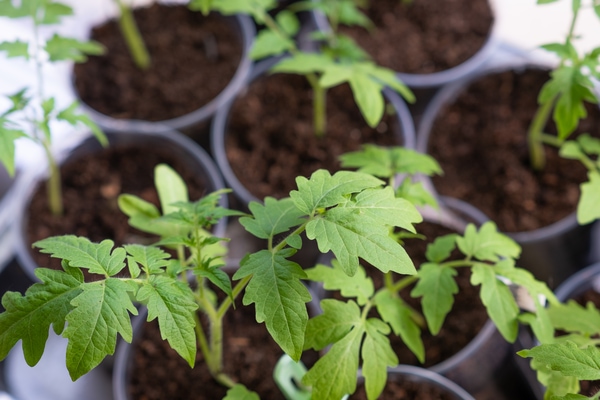
After the last frost, and once your seedlings are at least 6-8 inches tall, it’s time to move them outdoors.
Transplanting tomato seedlings outside is a unique kind of thrill. It’s finally time to take your plants outside after weeks of caring for them inside, checking the lights, rotating the trays, and admiring each new leaf.
We at Good Garden Ideas think this moment is a lot like sending kids off to their first day of school: exciting, a little scary, and full of promise.
Here’s how to make the change go smoothly and well.
Step 1: Wait for the Right Time
Tomatoes love the sun and the heat. Don’t let them go outside too soon. Make sure that the last frost date has passed and that the temperature stays above 50°F (10°C) at night.
Soil temperature is important too; cold soil can slow down growth. If the ground still feels cold, you might want to wait a few more days.
Step 2: Do the Hardening Off Right
This step is very important if you haven’t already started hardening off your seedlings. Slowly let them get used to being outside over the course of 7 to 10 days.
Start by letting them spend a few hours in a shady, protected area, and then gradually let them spend more time outside and in direct sunlight. This makes them stronger and stops them from getting shocked by strong winds and sunlight.
Step 3: Pick the Spot with the Most Sun
Tomatoes do best in full sun, which means they need at least 6 to 8 hours of sunlight a day. More is even better.
Choose a place with good drainage and air flow. If you’re planting in pots or raised beds, make sure they are in a place where fences, trees, or buildings won’t block the sun.
Step 4: Get the soil ready
Plants grow best in soil that is healthy. To make the planting area richer, mix in compost or well-rotted organic matter. Tomatoes need a lot of nutrients, so giving them soil that is rich in nutrients from the start helps them grow strong and make a lot of fruit.
Step 5: Plant Deep (Yes, Really!)
One of the best ways to grow tomatoes is to plant them deeper than they were in their pots. Cut off the bottom leaves and bury part of the stem.
When you bury the stems of tomatoes, they can grow roots along them.
This makes the plant stronger and its roots stronger. If they are tall and leggy, you can plant them deep vertically or even lay them slightly sideways in a trench.
Step 6: Water the Well
Right after planting, give each transplant a good watering. This helps the soil around the roots settle down and lowers the shock of transplantin. For the first week or two, make sure the soil stays moist all the time so the plants can get used to their new home.
Step 7: Add Support Early
Put in stakes, cages, or trellises when you plant, not later. It’s much easier to add support now than it will be when the roots are fully grown and spreading. Also, giving them support early on helps them grow straight and healthy.
Transplanting day is a big step in the process of growing tomatoes. Your seedlings will quickly settle in and start reaching for the sky if you give them warm soil, lots of sun, and some thoughtful care.
Soon, those little plants will bloom, and you’ll be one step closer to that first juicy bite from your own garden.
Caring for Your Tomato Plants
There’s a moment in every tomato-growing season when your seedlings stop looking delicate and start looking determined. They’re taller. Leafier. Reaching confidently for the sun. And that’s when the real relationship begins.
Caring for your tomato plants isn’t complicated—but it does require consistency, attention, and just a little know-how.
Here at Good Garden Ideas, we like to think of tomatoes as enthusiastic overachievers. Give them what they need, and they’ll reward you generously.
Watering: Steady Wins the Race
Tomatoes love consistent moisture. The key word here is consistent. Letting plants dry out completely and then drenching them can lead to problems like cracked fruit or blossom end rot.
Aim for deep watering a few times a week rather than light daily sprinkles. This encourages roots to grow deeper into the soil, creating stronger, more drought-resistant plants.
Water at the base of the plant whenever possible. Wet leaves can invite fungal diseases, especially in humid conditions. A soaker hose or careful hand watering works beautifully.
Learn more about watering >
Feeding: Fuel for Flavor
Tomatoes are heavy feeders, meaning they use up nutrients quickly. If you enriched your soil with compost at planting time, you’re off to a great start.
Once flowers begin to form, begin feeding every few weeks with a balanced fertilizer or one slightly higher in phosphorus and potassium to support flowering and fruiting.
Be cautious with high-nitrogen fertilizers. They can produce lush, leafy plants with fewer tomatoes. Gorgeous foliage is nice—but we’re here for the fruit!
Learn more about fertilizer >
Support: Keep Them Standing Tall
If you planted stakes, cages, or trellises at transplant time (gold star if you did!), now’s the time to guide growth. Gently tie stems to stakes using soft ties or garden twine. As indeterminate varieties grow, they’ll need ongoing support throughout the season.
Keeping fruit off the ground improves airflow and reduces disease risk. It also makes harvesting much easier—and far less muddy.
Pruning: To Snip or Not to Snip?
Pruning depends on the type of tomato you’re growing. Indeterminate varieties benefit from removing “suckers”—the small shoots that grow in the joint between the main stem and a branch. Removing some of these helps focus energy on fruit production and improves airflow.
Determinate varieties, however, generally need minimal pruning. Too much trimming can reduce your harvest since they produce fruit in a more concentrated window.
When pruning, use clean hands or sanitized snips to prevent spreading disease.
Learn more about pruning >
Watch for Warning Signs
Healthy tomato plants have vibrant green leaves and steady growth. Yellowing lower leaves can sometimes be normal as plants mature, but widespread discoloration, spots, or wilting may signal pests or disease.
Keep an eye out for common visitors like aphids or hornworms. Hand-picking larger pests and spraying smaller ones off with water often does the trick. Catching problems early is the secret to keeping them manageable.
Mulch: Your Secret Weapon
Adding a layer of mulch around the base of your plants helps retain moisture, regulate soil temperature, and reduce weeds. Straw, shredded leaves, or untreated grass clippings all work well. Mulch also prevents soil from splashing onto leaves during rain, which can help reduce disease.
Learn more about mulching >
Harvest Often and Enjoy
The more you harvest, the more your plants will keep producing—especially indeterminate varieties. Pick tomatoes when they’re fully colored and slightly firm but with a little give.
And don’t underestimate the power of simply spending time in your garden. Regular check-ins help you notice small changes before they become big issues.
Caring for tomato plants isn’t about perfection. It’s about partnership. Give them sunshine, water, nutrients, and support, and they’ll fill your baskets—and your kitchen—with summer’s sweetest rewards.
Pest and Disease Management for Your Tomatoes
There’s nothing like seeing your tomato plants grow well—until you wake up one morning and see a chewed leaf or a yellow patch that looks strange.
Don’t freak out. At some point, every gardener who grows tomatoes has to deal with pests and diseases. The good news is You can keep problems under control and your harvest on track with a little effort and some smart planning.
At Good Garden Ideas, we think that the best way to protect yourself is to attack first, starting with prevention.
Learn more about Pest and Disease Management >
Begin with Strong Plants
Plants that are healthy are less likely to get into trouble. Give your tomatoes full sun, soil that drains well and is rich in nutrients, and water them regularly at the base.
Plants that are stressed are much more likely to get sick or be eaten by pests, so basic care is very important.
Spacing is also important. Fungal diseases love it when plants are close together because it makes it hard for air to flow.
Even if it seems like you’re leaving too much space, follow the spacing instructions on your seed packet or plant tag. Your tomatoes will fill up fast.
Let’s talk about the usual suspects when it comes to tomato pests. Aphids are small, pear-shaped bugs that live in groups on stems and the bottoms of leaves.
A strong spray of water usually knocks them off, and ladybugs and other helpful bugs love to eat them.
Tomato hornworms are big green caterpillars that can quickly eat leaves. The good news? It is easy to see them.
It’s surprisingly effective to pick things by hand (with gloves if you want). If you see a hornworm with little white cocoons on its back, don’t touch it. Those are parasitic wasps that are helping you get rid of pests.
In hot, dry weather, whiteflies and spider mites can also show up. To keep them away, make sure to water your plants well and rinse the undersides of their leaves every so often.
Common Illnesses
Early blight and septoria leaf spot are two types of fungal diseases that often show up as brown or black spots on the lower leaves. Taking off affected leaves right away and keeping the rest of the plant dry can help slow their spread. Always water from the bottom up, not from above.
Blossom end rot, which looks like dark, sunken spots on the bottom of fruit, is usually not a disease but is caused by not watering the plants consistently. It often doesn’t happen when the soil stays moist.
You may need to remove and throw away plants that are sick if the disease gets bad enough. Don’t put diseased things in your compost pile unless it gets very hot.
Smart Ways to Avoid Problems
Your secret weapon is mulch. Putting a layer of straw or shredded leaves around the base of plants keeps soil (and soil-borne pathogens) from splashing onto leaves when it rains.
If you can, change the crops you grow every year. Don’t plant tomatoes or other plants in the same spot every year.
Most importantly, keep an eye on your plants. A short walk through the garden every day helps you find small problems before they become big ones.
It’s not about getting rid of all pests and diseases; it’s about finding the right balance.
Your tomato plants can stay healthy, productive, and ready to give you that tasty summer harvest if you keep an eye on them and act quickly when you see something wrong.
Protecting your tomato plants from pests and diseases is paramount for a healthy harvest:
Common Pests
- Aphids: Small, green insects that feed on young leaves. Use insecticidal soap for control.
- Tomato Hornworms: Large green caterpillars that can decimate plants. Handpick them or use eco-friendly pesticides.
Common Diseases
- Blight: A fungal disease characterized by brown spots on leaves. Ensure proper spacing and avoid overhead watering.
- Blossom End Rot: A calcium deficiency resulting in dark spots on the bottom of fruit. Consistent watering and mulching can help prevent this.
Harvesting Your Tomatoes
Timing is crucial for a flavorful tomato harvest.
Picking your own tomatoes brings a special kind of happiness. After weeks (or even months!) of watering, staking, pruning, and patiently watching the green fruit slowly change color, the time has come. That first warm tomato you held? Magic of summer.
We at Good Garden Ideas believe that harvesting is more than just picking fruit; it’s the last step in your gardening work. Let’s make sure you do it right.
Knowing When They Are Ready
One of the most common questions gardeners have is, “How do I know when my tomatoes are ready to eat?” There are some signs that are true for all types, but the answer depends on the type.
First, the color. A ripe tomato should be a full color, like red, yellow, orange, purple, or even striped. But don’t just look at the shade. If you’re not sure, look at the description on the seed packet. Some heirloom varieties stay greenish even when they’re ripe.
Second, touch. Squeeze the tomato lightly. It should be firm but give a little, like a ripe peach. Tomatoes that are too hard usually need more time, and tomatoes that are too soft may be past their best.
And last, have faith in your plant. Most ripe tomatoes come off easily with a gentle twist. If you have to pull hard, it probably needs another day or two.
Pick often (your plants will be grateful)
Picking your plants more often will make them grow more, especially indeterminate varieties. Regular picking tells the plant to keep making fruit. That could mean checking every day during the busiest time.
Make it a habit to bring a bowl or basket. Early morning harvests are especially nice because the air is cool and the tomatoes are full from the moisture in the air at night.
What About Tomatoes That Are Green?
As the season comes to an end and the weather gets cooler, you might notice groups of green fruit. Don’t worry, tomatoes can ripen even if they’re not on the vine. If frost is on the way, pick ripe green tomatoes (they should be full-sized and a little lighter green) and let them ripen on a countertop inside.
Don’t put freshly picked tomatoes in the fridge unless you have to. When it’s cold, their flavor and texture change.
To keep them from losing moisture, store them at room temperature, away from direct sunlight, and with the stem side down.
Take care of your tomatoes
You might not think that tomatoes are easy to bruise. Don’t stack them too high in your basket, and be careful with them. If you accidentally pick one that isn’t quite ripe, just leave it out at room temperature for a few days.
And what if you suddenly have more ripe tomatoes than you can eat right away? Well done! That’s a good issue. Think about making sauce, salsa, or roasting them, or giving them to your neighbors.
One of the best things about gardening is picking tomatoes. It’s the prize for being patient and taking care of things. So don’t rush, enjoy the process, and don’t forget to eat one right off the vine.
That’s why you grew them, after all.
Here’s when and how to pick:
- Color: Harvest when the tomatoes are fully colored and slightly firm to the touch.
- Condition: Avoid overripe fruits or any with blemishes, as these can attract pests and diseases.
- Storage: Store harvested tomatoes at room temperature for the best flavor. Refrigeration can alter texture and taste.
Enjoying Your Luscious Tomatoes
After harvesting, delight in the fruits of your labor!
Here are some popular ways to enjoy your tomatoes:
- Fresh Salads: Combine with fresh greens, cucumbers, and olive oil for a refreshing salad.
- Salsas and Sauces: Use your tomatoes to make delicious homemade salsa or marinara sauce.
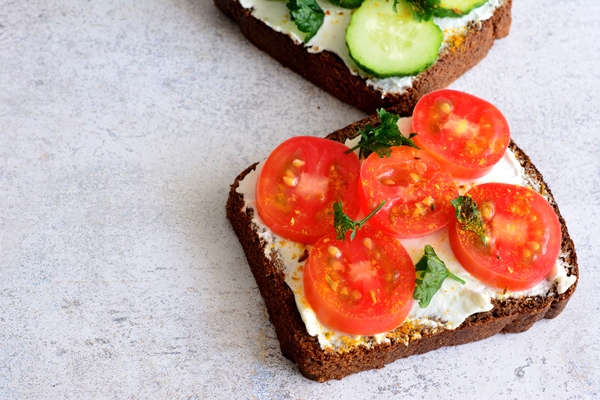
- Sandwiches: Choose thick slices of heirloom tomatoes as a flavorful addition to sandwiches and burgers.
FAQs
1. When is the best time to plant tomatoes?
In the summer, tomatoes grow best. Wait until after the last frost date and when the temperature stays above 50°F (10°C) at night. You should be able to feel that the soil is warm. If you plant too early, the plants won’t grow as well.
2. How much sun do tomato plants need?
Tomatoes like the sun, at least 6 to 8 hours of direct sunlight every day. In general, more sun means more fruit and better taste.
3. How often should I give my tomato plants water?
Instead of watering lightly every day, water deeply 2–3 times a week. Make sure the soil stays wet but not too wet. If you don’t water your plants consistently, they may crack or get blossom end rot.
4. What sets determinate tomatoes apart from indeterminate tomatoes?
When you plant determinate varieties, they grow to a certain height and give you most of their fruit at once.
Indeterminate types keep growing and making things until frost.
Pick based on how much space you have and whether you want one big harvest or a steady supply.
5. What is causing the leaves on my tomato plant to turn yellow?
It’s normal for some of the lower leaves to be yellow. But a lot of yellowing could mean:
- Too much water
- Lack of nutrients
- Bad drainage
- Signs of illness in the early stages
Check the moisture level in the soil first; that’s usually the problem.
6. What causes blossom end rot?
Blossom end rot shows up as a dark, sunken spot on the bottom of the fruit. It’s usually because the plants aren’t getting enough water, which makes it hard for them to take in calcium.
It’s not because the soil doesn’t have enough calcium. Keep watering at a steady rate.
7. Should I cut back my tomato plants?
It depends on what kind it is:
- Pruning suckers on indeterminate plants helps air flow and directs energy to the fruit.
- Plants that are determinate don’t need much or any pruning.
When you prune, make sure your hands and tools are clean.
8. Why do my tomatoes have a lot of flowers but no fruit?
This can happen because of:
- Very hot weather (over 90°F)
- Cool temperatures at night
- Too much nitrogen fertilizer
When tomatoes are stressed, they drop flowers. Fruiting usually starts up again once things get better.
9. Is it possible to grow tomatoes in pots?
Yes, of course! For the best results, pick compact or determinate types. Use a big container (at least 5 gallons), good potting mix, and strong support. You might need to water container tomatoes more often.
10. When is the best time to pick tomatoes?
Pick tomatoes when they are fully colored and a little soft to the touch. They should be easy to twist off the vine. Don’t put fresh tomatoes in the fridge; they taste best at room temperature.
Summary
Growing tomatoes from seed to harvest is not only rewarding, but it’s also a fun way to connect with nature.
You can enjoy a tasty harvest if you pick the right kinds of plants, take care of them properly, and pick them at the right time.
If you follow this guide, you’ll be well on your way to becoming an expert at growing tomatoes and enjoying the great taste of homegrown food. Have fun gardening!
See also:
- A Complete Guide to Growing Perennial Vegetables
- Growing Carrots: Tips for a Bountiful Harvest
- Rapid Roots: Secrets to Thriving Radish Gardens
- Growing Spinach in Your Garden