Watering your plants is one of the most important tasks in gardening.
In terms of gardening, one of the most critical tasks is watering your plants, and without it they wouldn’t be able to live, let alone thrive and flower.
But watering your plants is not as simple as just turning on the hose or sprinkler – you need to get the balance of when, how much, and what way right, so that your plants get all the nourishment they need to grow and flourish.
The Importance of Watering Your Plants
Well-known as the lifeblood of all living things, including plants, water is basically a highway system that takes nutrients down to the roots, helps control the temperature of the plant and gives a huge boost to photosynthesis – and without sufficient water, your plants will quickly become stressed, wilt and then perish.
A well-watered garden also keeps nasty diseases and pests at bay, and by shielding your plants from these problems, you can give them the resilience to fend off any attacks and stay healthy and strong.
When and How Often Should You Water Your Plants?
When deciding when to water your plants, the specific needs of the plant, the climate and the soil type all come into play.
Generally speaking, plants need watering when the top inch of soil is dry to the touch, which, of course, can vary depending on the time of year and the weather – so regular monitoring is key to getting the right amount of water to your plants.
Some plants such as succulents and cacti require very little water and can go for weeks between waterings, but those with shallow roots and those growing in pots, will want to be watered more frequently.
How Much Water Should You Use?
When watering your plants you want to make sure you’re giving them enough water to thoroughly soak the root zone.
This encourages the roots to grow deeper, and gets your plant all the nutrients it needs from the soil. If you don’t see water trickling out the bottom of the pot, it’s safe to assume that the plant isn’t getting enough water.
Coming from the other direction, overwatering can be just as bad as not enough, and leads to root rot and all sorts of other problems.
Don’t overdo it – a good starting point is to give them a gentle drink and see how they react, when watering your plants it’s all about finding the right balance.
What’s the Best Time to Water Your Plants?
Well-known as the best time to water your plants is in the early morning, before the scorching sun gets too high, allowing the water to soak into the soil and reach the roots before it evaporates.
Watering at night can be effective but it does raise the risk of fungal diseases due to the damp conditions. Avoid mid-day watering, too – this can cause the water to evaporate too quickly and scorch the leaves of your plants.
Watering at night isn’t really recommended, as it breeds an atmosphere that is ripe for the growth of mildew and mold.
Watering Techniques for Different Types of Plants
Different plants require different amounts of water and have unique ways of adapting to their environment.
Some examples include:
Succulents and cacti
Well-known for being a bit particular, succulents and cacti are essentially desert dwellers, and are accustomed to minimal amounts of moisture. Their plump, fleshy leaves can store water, so they can go for quite some time without any, but their biggest problem is getting too much water.
When watering these types of plants you should soak the soil completely until it runs out the bottom of the pot and then let it completely dry out before giving them another drink.
They need pots with drainage holes and a well-draining mix, a cactus mix or something with perlite and sand, will work well.
Coming into the cold and wet in the winter months won’t be good for them either, they go dormant during that time, and won’t need much water. Don’t even think about misting them, they don’t like damp air.
Tropical Houseplants
Tropical houseplants, such as monstera, philodendrons, peace lilies, and ferns thrive in humid environments and need consistent moisture, but don’t want their roots to rot, much like their native rainforests.
When watering them you should check the top inch of soil, and only water when it feels dry, use lukewarm water so you don’t shock the roots, pour the water right at the base of the plant, avoiding getting any on the leaves to prevent fungal problems.
Give them a light sprinkle every now and then, or turn on a humidifier to raise the moisture levels in the air. And make sure the pot isn’t sitting in a puddle.
Flowering Plants
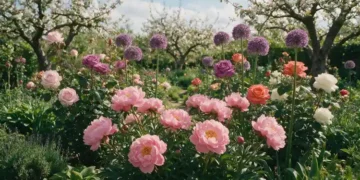
Flowering plants like roses, geraniums, petunias and hibiscus require regular and consistent moisture to produce those beautiful blooms, and if they don’t get it they can start to wilt and drop their buds.
When watering these flowers, you should water them deeply so the water gets all the way down to the root zone, about six to eight inches deep.
Early morning is a good time to do this as it reduces evaporation and stops disease. Adding a mulch layer around the base of the plant will also help keep the soil moist and stable.
Try to avoid overhead watering, it’s especially unkind to flowers and foliage, when watering your plants.
Vegetables and Herbs
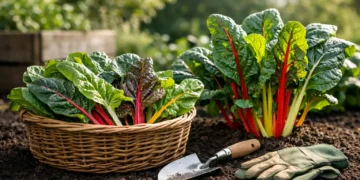
For rapidly growing vegetables and herbs a consistent flow of water is necessary to keep them healthy and productive. Irregular watering leads to nasty problems such as split tomatoes and tasteless greens.
The best way to go about it is to supply around 1 to 1.5 inches of water a week, adjusting according to the weather and the type of soil you’re working with.
Using drip irrigation or soaker hoses means that the water gets exactly where it needs to go, evaporating less and killing off diseases.
Covering the soil around the plants will also help to hold onto moisture and smother out weeds, and the best time to water your vegetables is in the morning.
Some herbs are very particular about their watering. Rosemary, thyme and sage don’t like wet feet but basil, parsley and mint love a consistent supply.
Lawns and Groundcovers
Lush lawns don’t need daily watering, and if you do, you’ll end up with weak root systems and a lawn that’s more susceptible to disease and drought.
Watering your lawn deeply, but less frequently, about 1 inch a week including rain, is the way to go.
Water it in the morning so that it doesn’t evaporate, and use sprinklers that cover the whole area evenly. Let the top layer of soil dry out a bit between waterings, encouraging the roots to grow deeper.
Trees and Shrubs
Trees and shrubs have deeper root systems than smaller plants so don’t need a lot of watering, but newly planted ones do require a bit more TLC until they’re established.
Water them deeply once or twice a week in the first year of planting, then cut back to once every two to four weeks for mature trees. Use a soaker hose or a slow drip system to send the water gently to the roots, and don’t squirt the trunk, feed the roots instead.
Container and Potted Plants
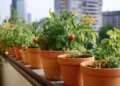
Potted plants can dry out faster than those planted in the ground. Coming from the fact that containers have a lot less soil and are more exposed to air and heat, this is no surprise.
Well-known as the best way to check if a pot needs water, checking the soil moisture daily is especially important in scorching heat. Pouring water in until the excess runs out of the bottom is basically the right amount to give, and make sure you don’t let the pot sit in the water because it could cause root rot.
Ultra-lightweight potting mixes are a must for pots, and self-watering pots are great for people who don’t have time to water every day.
Indoor vs Outdoor Watering
Indoor plants usually require less frequent watering because they’re shielded from the elements, and before you water, you should check the moisture levels in the soil, as well.
Outdoor plants might need more water, especially during heatwaves, gusty days and dry spells. Adjust your watering routine according to the weather forecast.
When it comes down to it, proper watering is all about getting the right balance.
Every plant is different and takes into consideration the sort of soil it’s planted in, the amount of sunlight it receives, and the climate.
A simple way to get this right is to water deeply, let the soil dry out a bit and monitor your plants’ responses to adjust your routine.
Tools for Efficient Watering
There are several tools available to help you water your plants efficiently and effectively.
Some of the most popular tools include:
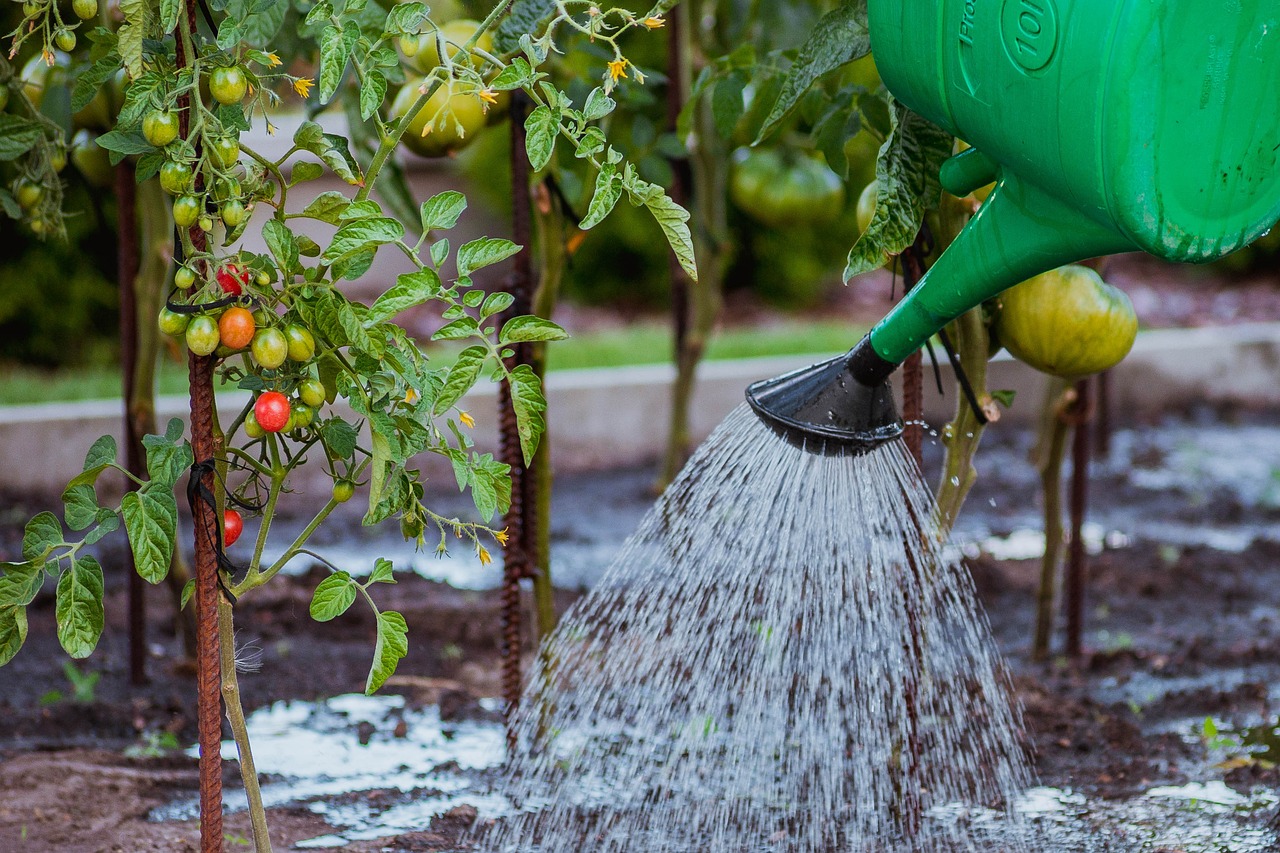
Watering Cans
Traditional watering cans which are perfect for indoor and outdoor plants, providing complete control over the flow of water and its exact direction.
Hose and Sprinkler
For larger gardens and lawns, a hose and sprinkler is the best option, it gives out a steady supply of water and lets you water lots of plants at once.
Drip Irrigation
Drip irrigation systems, deliver water straight to the roots of the plants and stop any wastage and evaporation. They’re ideal for potted plants too.
Summary
Well-known as the backbone of any gardening, understanding the when and how much to water is basically the key to getting your plants to grow and flourish. They need regular monitoring, changes to the watering schedule when necessary and just the right amount of water.
By doing so, you can feed your plants, and transform your garden into a stunning, vibrant space.
Just remember, regular monitoring, adjusting the water schedule as needed, and supplying the perfect amount of water, are the secret to having happy, healthy plants, and an attractive garden.