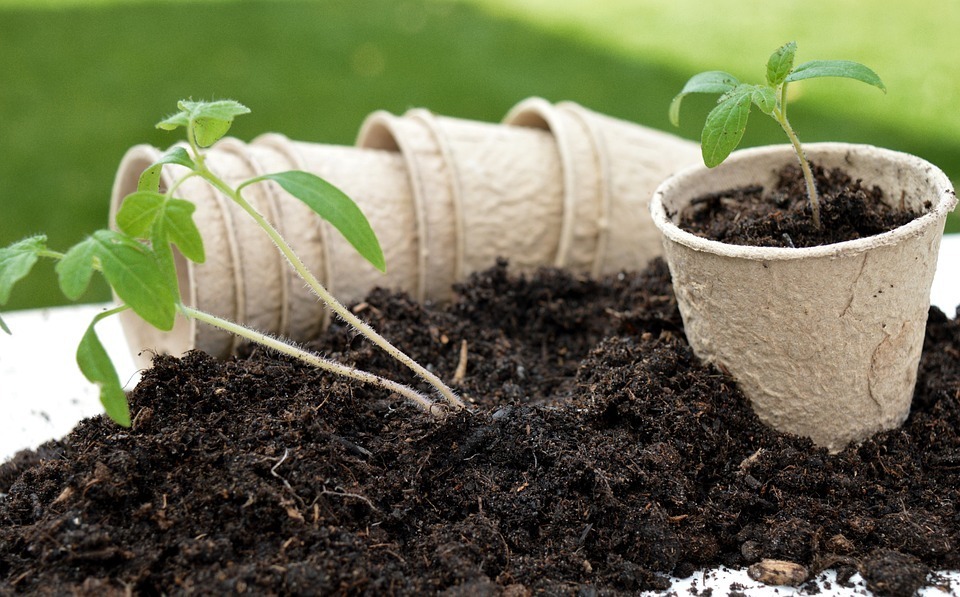
Looking at the pressing issues of our planet, sustainability is more important than ever before. One of the most effective ways to achieve a sustainable future is by embracing the principles of permaculture principles.
Permaculture is a design system, one that mimics the natural ecosystem. It is a practical approach that can be integrated in small as well as large spaces.
According to the American Society of Landscape Architects, Permaculture is the “ecological design of land use that works harmoniously with nature to produce sustainable living spaces for people and wildlife”, permaculture is creating a way of living that can create a beautiful and thriving future.
What is Permaculture?
Permaculture is the go-to system for those who seek to mimic the natural world, when creating sustainable living environments.
Well-known Australian pioneers Bill Mollison and David Holmgren coined the term Permaculture back in the 1970s, and over the years it has gained recognition as an effective means to achieve sustainability.
Permaculture principles are basically an observation of how natural ecosystems function.
Once we understand how these systems work, designers can create spaces that not only sit well with the environment, but also take care of the well-being of all the inhabitants.
Key Principles of Permaculture
Permaculture is built on three key principles Earth Care, People Care and Fair Share, is supported at its essence.
The guidelines Earth Care, People Care and Fair Share give us an understanding of living, nurturing the natural world around us, giving food security, fostering communities, and fairly distributing resources, basically turning us into stewards of the planet.
Several key principles of permaculture guide its design process.
These principles include:
- Observe and interact: By observing and understanding natural ecosystems, permaculture designers can create living spaces that are in harmony with the environment.
- Catch and store energy: Permaculture designs aim to capture and store energy from the sun, wind, and water to meet the needs of the living space.
- Obtain a yield: Permaculture designs should aim to produce food, resources, and other yields to support the well-being of its inhabitants.
- Apply self-regulation and accept feedback: Permaculture designers should be open to feedback and be willing to adjust their designs to achieve greater sustainability.
- Use and value renewable resources and services: Permaculture designs should prioritize the use of renewable resources and services to minimize environmental impact.
- Produce no waste: Permaculture designs aim to create closed-loop systems that minimize waste and maximize resource efficiency.
- Design from patterns to details: Permaculture designs should start from broad patterns and principles and then work down to the details of the living space.
Benefits of Permaculture
There are numerous benefits to embracing permaculture principles in our lives.
For designing a sustainable living system, permaculture is one of the best methods available.
Its aim is to reduce the negative impact on the environment and in doing so, we’re able to create self-sufficient systems that produce a wide variety of food, energy, and resources.
A main characteristic of permaculture is community building and the encouragement of people working together.
Communities developed through permaculture projects also support growth of new economic units fostering an economy of people living off their homes.
Regenerative approaches that regenerate the planet are prioritised in permaculture.
It is an attempt to create space that doesn’t just support human life, but all sorts.
Finally, permaculture systems can be cost-effective, we don’t need any external resources.
What Does a Permaculture Garden Look Like?
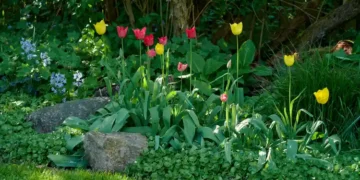
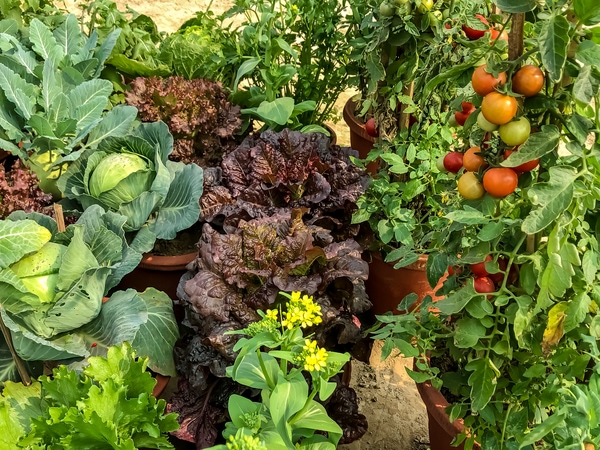
A tapestry of trees, herbs, vegetables and groundcovers that all work together to create a self-sustaining ecosystem, when you think of a permaculture garden you’re likely picturing a system that mimics nature.
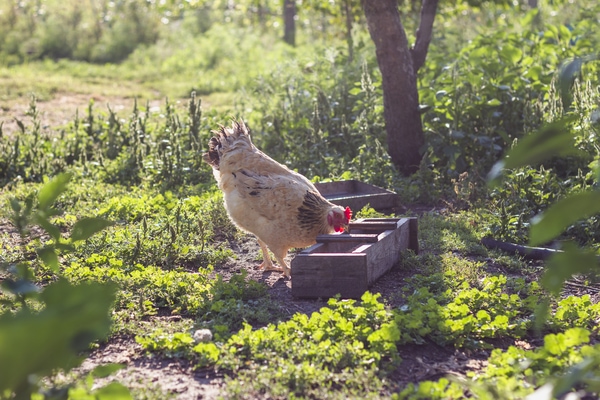
You may find fruit trees that are underplanted with herbs that chase away pests, and chickens pecking away at the orchard floor, snacking on insects and dropping in fertilizer.
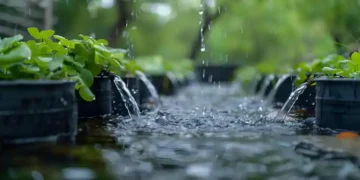
Winding through the garden are ponds, swales and rain gardens, that effortlessly manage the flow of water.
As a result, this setup requires less and less maintenance over time, gives year-round harvests, and boosts the variety of species.
Common Questions about Permaculture
Is permaculture only for farmers?
No, permaculture principles can be applied to a wide variety of living spaces, including urban homes, community gardens, and commercial properties.
Permaculture is not limited to farmers and can be implemented by anyone looking to create a more sustainable living environment.
Do I need a lot of land to practice permaculture?
Luscious food forests and acres of land, when people hear the word permaculture they often think of sprawling farms.
Coming into the world of permaculture can be a bit daunting, and makes them ask: do I need loads of space to get started. Well-known permaculture principles say that the amount of space you have isn’t what matters, it’s how you use it, creativity and understanding of the natural world are key.
Permaculture is basically a holistic system for creating sustainable and regenerative living, it’s all about designing systems that feed humans and care for the Earth.
This can mean growing food, conserving water, getting rid of waste, and forging friendships in the community.
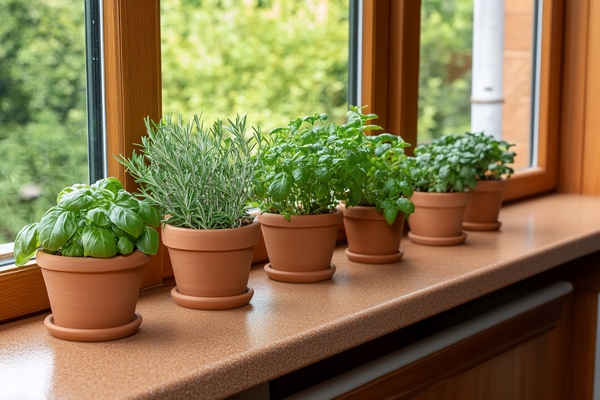
Permaculture isn’t just for large tracts of land, it’s completely scale-independent, so you can apply it to anything from a windowsill in an apartment to a sprawling estate, you’ll just be doing it differently in each case.
You don’t have to be a large landowner to benefit from permaculture.
Even tiny balconies, patios, windowsills, backyards and community gardens can all be fantastic test beds for the principles.
Container gardening, planting herbs, vegetables and miniature fruit trees on your balcony, and using the companion planting trick to squeeze out the maximum yield in cramped spaces, is a fantastic way to get started.
Sprouting, microgreens and potted herbs are also very easy to grow on windowsills and bring in fresh produce right into your kitchen.
Raised beds, vertical gardens and collecting rainwater can transform an average yard into a mini-ecosystem, and community gardens are basically permaculture in action, sharing land, tools and knowledge with your neighbors.
When discussing permaculture, having more land is not a guarantee of success, but rather a larger space to work with.
Well-known benefits that come with space are the opportunity to try your hand at planting a “food forest”, combining livestock and crops, and also bigger systems to manage water, all of which can be very rewarding and bring forth a surplus of food, money and biodiversity.
Even so, size is not all that matters, carelessness in designing a large system will simply waste what you have, but a well laid out small one will be bountiful, needing very little upkeep.
The heart of permaculture is really not about the size of your land, but about your mindset.
Its principles can be applied to homes, businesses, and even societal systems.
Basically anywhere.
Think about it, designing your house to save energy is permaculture, composting kitchen leftovers and sending them to the landfill is not.
Sharing your excess tools, or vegetables with your neighbors, is a permaculture way of life, and what’s so great about it is that anyone can do it, no matter how much land they have.
Well-known principles of permaculture mean that even a tiny garden or a few pots on a balcony can be just as impactful as a large area of land, because they are far easier to manage and reproduce.
The goal of permaculture is to create abundance out of what you already have, so, whether it’s one pot, one hundred, or a hundred and fifty acres you don’t need much land to start.
What you do need is a willingness to be creative, to observe the way things work, and to reorganise your space more thoughtfully in harmony with nature.

Is permaculture difficult to learn?
Covering everything from food production, water management, energy systems, building design and community building, when first dipping into permaculture you’ll likely be faced with the fact that it encompasses such a broad scope.
Words like swales, guilds and food forests can be off-putting, and because permaculture doesn’t fit into our typical linear, instant fix mindset.
It’s about being patient, observant, and thinking long-term.
Well-known barriers to understanding permaculture are real, but they don’t mean that permaculture is unattainable.
They just show that you’ll need to take things one step at a time.
Fortunately, permaculture is an education-based system that you don’t need to master everything at once. Herbs on a balcony, a compost heap or collecting rainwater are all examples of permaculture practices that you can get started with, and don’t need lots of land.
Learning by doing, or hands-on experience, is the way to go.
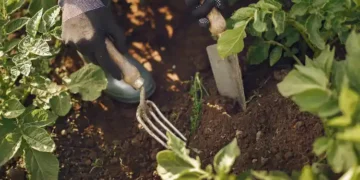
Textbooks and online material are useful, but can’t compare to getting your hands dirty, or working in a local permaculture project. Enrolling in a structured course, many of which offer a Permaculture Design Certificate, will also help you along the way, as will hooking up with fellow permaculture enthusiasts.
Permaculture is all about community, sharing knowledge and ideas, and joining local groups or forums, allows you to do just that.
One of the biggest lessons in permaculture is patience, nature doesn’t do instant results. But, as you learn to slow down, observe and trust the processes you’ll be amply rewarded.
In the case of learning permaculture you’ll find it’s not a complex process, any skill really takes time to develop and it’s all about asking questions and experimenting.
Well-known principles underpinning permaculture are not hard to get your head around, but when applied they can be used in all sorts of innovative and large-scale ways.
So you can dip your toes in the water with a small-scale project and see where it goes, and build your knowledge from there.
Permaculture can be viewed as a long-term commitment, rather than a quick-fix, and as it teaches you not just about sustainable living, but about resilience, imagination and how to connect with the world around you.
Permaculture resources:
Can permaculture help combat climate change?
Permaculture is not going to single-handedly save the day, but rather a large-scale transformation in how we use energy and global emissions policies are, when we’re looking for a solution to the climate crisis.
Permaculture, however, is providing people with the tools to act at a grassroots level, to cut down their emissions, lock away carbon, and build up the resilience of our ecosystems.
Permaculture basically shows us that we can live in a way that is harmonious with the planet and, in a significant way, makes a real contribution to the battle against climate change.
Summary
In terms of building a sustainable future, permaculture principles can be a reliable approach.
Mimicking the patterns and structures of nature, permaculture helps us work in harmony with the environment. This holistic approach is not restricted to farmers, homeowners or community gardeners, but is beneficial to anyone looking to create a living space and make a positive impact.
The time to start implementing permaculture principles is now and anyone can be part of a sustainable future if they choose to do so.
The future of the planet is in fact in all of our hands.
It is on one’s individual actions and attitude to give us an environmentally abundant tomorrow, and by adopting the principles of permaculture we will make the right moves.