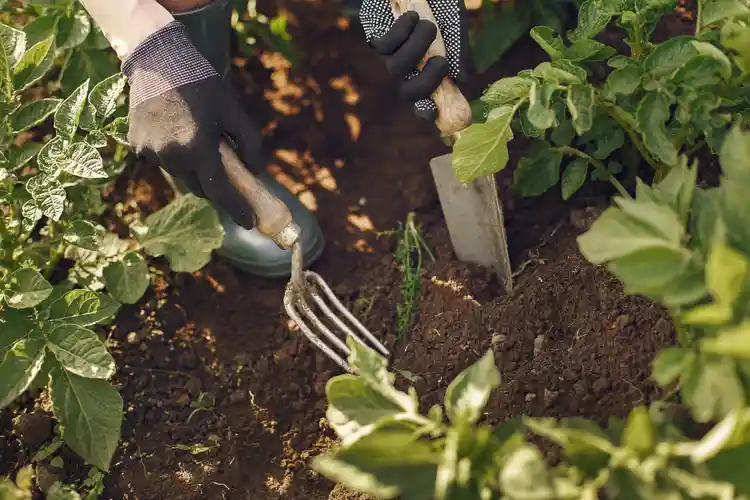
The day I decided to experiment with organic gardening completely changed how I looked at my garden. Instead of constantly fighting nature, I learned to work alongside it. My soil became richer, my vegetables tasted better, pollinators returned in greater numbers, and gardening became far more relaxing.
There was a time when I believed growing a beautiful garden meant buying shelves full of fertilizers, sprays, and miracle products. Garden centres certainly made it seem that way. Every problem appeared to have a bottle, powder, or chemical solution waiting to be purchased.
Thankfully, I couldn’t have been more wrong.
Organic gardening isn’t about being perfect. It isn’t about having the neatest borders or the largest tomatoes in the neighbourhood. It’s about creating a healthy, balanced ecosystem where plants, insects, birds, wildlife, and people all benefit.
Whether you have a tiny patio filled with containers or a sprawling country garden, organic gardening is something anyone can enjoy. Here’s everything I’ve learned on my own journey.
What Is Organic Gardening?
At its heart, organic gardening means growing plants naturally without relying on synthetic pesticides, weedkillers, or artificial fertilizers.
Rather than treating individual problems as they appear, organic gardening focuses on preventing problems before they happen by creating healthy soil and encouraging biodiversity.
I’ve found it helps to think of my garden as a living community rather than simply a collection of plants.
Healthy soil supports healthy roots.
Healthy roots grow stronger plants.
Strong plants naturally resist pests and diseases far better.
Once I understood that simple chain reaction, everything else started making sense.
Healthy Soil Is Everything
If someone asked me for the biggest organic gardening secret, I’d answer in one word:
Soil.
Organic gardeners often say, “Feed the soil, not the plant,” and I completely understand why.
Healthy soil contains millions of living organisms including bacteria, fungi, worms, insects, and microbes that work together to recycle nutrients naturally.
Instead of pouring chemicals onto my plants, I now spend most of my time improving the soil itself.
Some of my favourite soil improvers include:
Homemade compost
Well-rotted manure
Leaf mould
Worm castings
Garden compost
Green manures
Organic mulches
Every year my soil becomes darker, looser, and far easier to work with.
The difference in plant growth has honestly amazed me.
See also: The Key to Sustainable Soil Management >
Compost Changed My Garden Forever
If I could only keep one gardening habit, it would be composting.
Almost everything that comes out of my kitchen eventually finds its way into my compost bin.
- Fruit peelings.
- Vegetable scraps.
- Tea bags.
- Coffee grounds.
- Eggshells.
- Grass clippings.
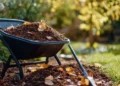
- Autumn leaves.
- Small prunings.
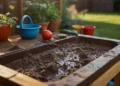
Over several months these ordinary materials transform into rich, crumbly compost that smells wonderfully earthy.
There’s something incredibly satisfying about turning what was once waste into food for my garden.
Best of all, compost improves almost every type of soil.
- Clay becomes lighter.
- Sandy soil holds moisture better.
- Plants grow stronger.
It’s one of the few gardening jobs that genuinely feels like magic.
See also: A Beginner’s Guide to Make Your Own Compost >
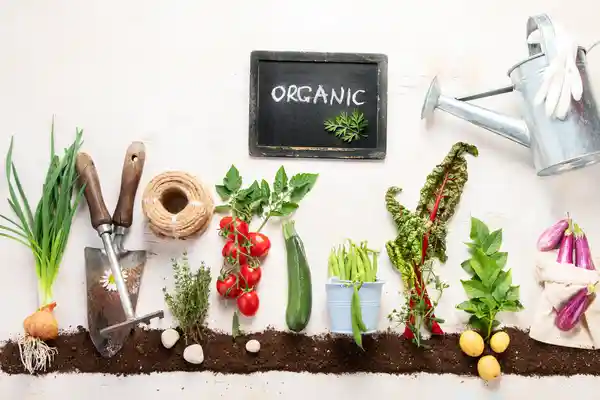
Why I Stopped Using Chemical Fertilizers
Years ago I believed plants needed constant feeding from brightly coloured bottles.
The problem was that although they often grew quickly, they didn’t always stay healthy.
Organic fertilizers release nutrients much more slowly.
Instead of creating sudden bursts of soft growth, they encourage steady, balanced development.
Some of my favourites include:
Fish, blood and bone meal
Seaweed meal
Bone meal
Composted manure
Homemade compost
Worm castings
Comfrey tea
Nettle feed
The results may take slightly longer, but they’re far more sustainable.
Making Friends With Wildlife
One of the biggest surprises about organic gardening is how much wildlife returns once chemicals disappear.
My garden now buzzes with life.
Bees visit the flowers from early spring until autumn.
Butterflies flutter across the borders.
Ladybirds patrol my roses.
Hoverflies investigate vegetables.
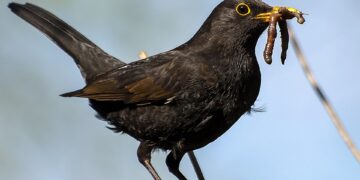
Blackbirds hunt for worms.
Hedgehogs occasionally wander through after dark.
Rather than seeing insects as enemies, I now appreciate that most of them are helping far more than harming.
See also: Top 10 Tips for Crafting the Ultimate Pollinator Paradise >
Natural Pest Control Really Works
Every gardener experiences pests.
Organic gardening doesn’t promise you’ll never see aphids or caterpillars.
Instead, it encourages natural balance.
I’ve discovered several techniques that work surprisingly well.
1. Encourage Beneficial Insects
Ladybirds happily eat aphids.
Hoverfly larvae consume huge numbers of soft-bodied pests.
Lacewings are excellent predators too.
The more flowers I grow, the more helpful insects arrive.
2. Plant Diversity
Large blocks of identical plants attract pests.
Mixing flowers, herbs and vegetables together helps confuse insects looking for specific crops.
My vegetable garden now looks wonderfully colourful and far healthier because of it.
3. Physical Barriers
Sometimes simple solutions are best.
Netting protects brassicas.
Copper tape discourages slugs around containers.
Fine mesh keeps carrot flies away.
There’s no need for chemicals when physical barriers do the job.
4. Hand Picking
It isn’t glamorous, but removing caterpillars or slugs by hand early in the morning often prevents much bigger problems later.
Companion Planting Is Fascinating
One of my favourite organic gardening discoveries has been companion planting.
Certain plants genuinely seem to help each other.
Some attract pollinators.
Others repel pests.
Some improve soil conditions.
My favourite combinations include:
Tomatoes with basil
Carrots with onions
Nasturtiums near vegetables
Marigolds among tomatoes
Lavender beside roses
Chives close to fruit trees
Even if every companion planting claim isn’t scientifically proven, these combinations certainly create beautiful, diverse planting schemes.
Water Smarter, Not Harder
Organic gardening has made me much more aware of water conservation.
Instead of watering little and often, I now water deeply but less frequently.
This encourages stronger root systems.
Mulching has also transformed how much moisture my soil retains.
A thick layer of compost, bark or leaf mould dramatically reduces evaporation during warm weather.
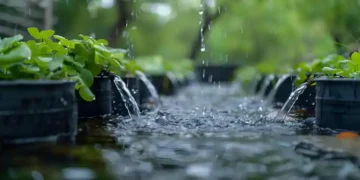
Collecting rainwater has become another rewarding habit.
Plants usually seem happier with rainwater than treated tap water, especially acid-loving varieties.
Mulching Is One of My Favourite Jobs
Few gardening tasks give such impressive rewards for relatively little effort.
Mulching helps:
Reduce weeds
Lock in moisture
Feed soil
Protect roots
Improve soil structure
Prevent erosion
Keep soil cooler during summer
Every spring and autumn I spread several centimetres of organic mulch around my borders.
The difference is remarkable.
Growing Vegetables Organically
Nothing compares to picking vegetables straight from the garden.
The flavour alone makes organic gardening worthwhile.
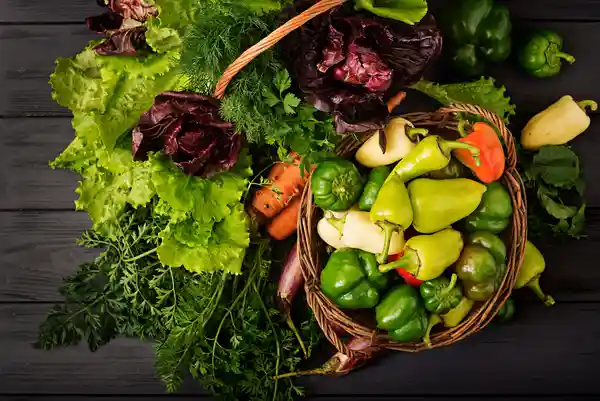
Some of the easiest vegetables I’ve grown organically include:
Lettuce
Swiss chard
Beetroot
Kale
Courgettes
Runner beans
French beans
Peas
Radishes
Potatoes
Instead of chasing perfect supermarket appearances, I’ve learned to appreciate slightly wonky vegetables bursting with flavour.
Herbs Thrive Naturally
Herbs are some of the easiest organic plants imaginable.
Many actually prefer poorer soils.
I always make room for:
Rosemary
Thyme
Sage
Mint
Chives
Parsley
Dill
Basil
Oregano
Lemon balm
Besides providing fresh ingredients for cooking, they’re magnets for bees and beneficial insects.
Flowers Play an Important Role
Organic gardens aren’t only about vegetables.
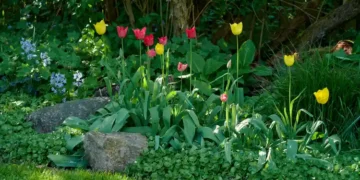
Flowers provide nectar, attract pollinators and create habitats for helpful insects.
Some of my favourites include:
Cosmos
Calendula
Cornflowers
Foxgloves
Lavender
Verbena
Sunflowers
Sweet peas
Zinnias
Echinacea
The more flowers I plant, the healthier my entire garden seems to become.
Learning to Accept Imperfection
Perhaps the biggest lesson organic gardening has taught me is that perfection isn’t necessary.
Occasionally leaves have holes.
Sometimes aphids appear.
A slug might nibble a hosta.
Birds steal a few berries.
That’s simply nature doing what nature does.
I’ve stopped expecting every leaf to look flawless.
Instead, I focus on overall health and balance.
Ironically, since I relaxed my expectations, my garden has never looked better.
Weed Management Without Chemicals
People often ask whether weeds become impossible without weedkillers.
Honestly, no.
I’ve found consistency matters more than strength.
I regularly:
Hoe young weeds
Hand weed after rain
Mulch generously
Plant densely
Avoid leaving bare soil
Compost suitable weeds
Small jobs completed regularly prevent overwhelming problems later.
Crop Rotation Makes a Huge Difference
If I grow vegetables, I try not to plant the same family in exactly the same place every year.
Rotating crops helps reduce soil-borne diseases while balancing nutrient demands.
Although it requires a little planning, it’s one of the easiest ways to keep vegetable gardens naturally productive.
Creating Habitats for Wildlife
One thing I absolutely love about organic gardening is intentionally making space for wildlife.
Instead of trying to control every inch of the garden, I leave little areas for nature.
That might include:
A log pile
Bird boxes
Bee hotels
Small ponds
Long grass
Native hedgerows
Leaf piles for hedgehogs
These simple habitats encourage creatures that become valuable gardening partners.
Seasonal Gardening
Organic gardening changes beautifully throughout the year.
Spring
This is when compost is spread, seeds are sown, wildlife awakens and everything feels full of possibility.
Summer
Pollinators are everywhere, vegetables begin producing heavily, flowers reach their peak and the garden feels wonderfully alive.
Autumn
Leaves become valuable compost ingredients, crops are harvested and the soil is prepared for next year.
Winter
Although quieter, winter is perfect for planning, pruning, composting and allowing wildlife to rest.
Every season contributes something important.
Organic Gardening Saves Money
One unexpected benefit has been how much less I spend.
Instead of buying endless products, I now make use of materials that would otherwise go to waste.
Kitchen scraps become compost.
Leaves become leaf mould.
Rainwater fills my watering cans.
Grass clippings become mulch.
Seeds collected from flowers provide next year’s displays.
Over time those savings really add up.
My Favourite Organic Gardening Habits
Looking back, there are several simple routines that have made the biggest difference.
I compost almost everything I can.
I feed the soil before feeding plants.
I grow flowers alongside vegetables.
I welcome beneficial insects.
I mulch generously.
I collect rainwater whenever possible.
I avoid rushing to solve every problem immediately.
Most importantly, I spend time simply observing.
Many gardening solutions reveal themselves if I slow down long enough to notice what’s happening.
Common Organic Gardening Myths
When I first started, I heard plenty of misconceptions.
“Organic gardens are messy.”
Not at all.
Organic gardens can be every bit as attractive as conventional ones.
“Organic gardening means never controlling pests.”
Definitely not.
Organic gardeners manage pests using natural, preventative methods rather than relying first on chemicals.
“You won’t grow as much food.”
Healthy organic vegetable gardens can be incredibly productive once the soil is established.
“It’s too difficult.”
Like any style of gardening, there’s a learning curve.
In many ways, I’ve actually found organic gardening simpler because I’m working with nature instead of constantly fighting against it.
Final Thoughts
Discovering organic gardening has completely transformed the way I experience my outdoor space.
Instead of worrying about perfection, I’ve learned to appreciate balance. Instead of reaching for chemicals, I focus on building healthy soil. Instead of seeing insects as enemies, I welcome the many tiny helpers that keep my garden thriving.
Every season teaches me something new, and every year my garden becomes a little healthier, a little more productive, and a little more alive.
There’s something deeply rewarding about knowing that the flowers I grow support bees, the compost I make feeds the soil, and the vegetables I harvest have been nurtured in harmony with nature.
If you’re just beginning your own organic gardening journey, don’t feel you need to change everything overnight.
Start small. Add compost to a border, plant a few pollinator-friendly flowers, collect rainwater, or swap one chemical product for a natural alternative. Those simple changes soon add up.
For me, organic gardening isn’t just a method of growing plants—it’s a way of seeing the garden differently. It’s about patience, curiosity, and celebrating the incredible relationships between soil, plants, wildlife, and people.
Once I embraced that way of gardening, I discovered that my garden wasn’t just growing better—it was becoming a happier place to spend time. And honestly, I wouldn’t have it any other way.
Top FAQs about the Art of Organic Gardening
There’s something incredibly rewarding about stepping into a garden that’s buzzing with bees, filled with healthy plants, and bursting with life.
Organic gardening is more than simply avoiding chemicals—it’s about working with nature instead of against it.
Whether you’re growing a few herbs on a windowsill, cultivating vegetables in raised beds, or creating a wildlife-friendly flower garden, organic gardening can help you grow healthier plants while protecting the environment.
If you’re new to organic gardening, you probably have plenty of questions. Here are some of the most frequently asked questions, along with practical answers to help you enjoy the wonderful world of organic gardening.
1. What is organic gardening?
Organic gardening is the practice of growing plants naturally without using synthetic pesticides, herbicides, or chemical fertilisers.
Instead, organic gardeners focus on improving soil health, encouraging beneficial insects, composting, mulching, crop rotation, and working with natural ecosystems.
The goal isn’t perfection—it’s creating a balanced garden where plants, wildlife, and soil all thrive together.
2. Why should I choose organic gardening?
There are plenty of reasons why more gardeners are switching to organic methods.
Some of the biggest benefits include:
Healthier soil
Better tasting fruit and vegetables
More bees, butterflies, and wildlife
Reduced pollution
Lower long-term gardening costs
Fewer harmful chemicals around children and pets
Improved biodiversity
Sustainable gardening practices
Many gardeners also find organic gardening far more relaxing because they’re working with nature rather than constantly battling it.
3. Is organic gardening difficult for beginners?
Not at all.
In fact, beginners often find organic gardening easier because it encourages simple, natural methods instead of relying on lots of specialist products.
Start with a few basic habits such as:
Adding compost regularly
Watering wisely
Mulching borders
Growing pollinator-friendly flowers
Avoiding unnecessary chemicals
As your confidence grows, you can gradually introduce more organic techniques.
4. What makes healthy soil so important?
Healthy soil is the foundation of every successful organic garden.
Rich soil contains millions of microorganisms that help break down organic matter into nutrients plants can absorb.
Healthy soil also:
Holds moisture better
Drains more effectively
Supports stronger root systems
Reduces disease problems
Encourages earthworms and beneficial fungi
Instead of feeding plants directly, organic gardeners focus on feeding the soil.
5. How can I improve my soil naturally?
Improving your soil is one of the best investments you can make.
Excellent organic soil improvers include:
Homemade compost
Well-rotted manure
Leaf mould
Worm castings
Garden compost
Seaweed
Green manures
Adding organic matter every year steadily improves soil structure and fertility.
6. What can I compost?
Most kitchens produce plenty of compost-friendly waste.
Good compost ingredients include:
Vegetable peelings
Fruit scraps
Coffee grounds
Tea leaves
Eggshells
Grass clippings
Autumn leaves
Dead flowers
Soft prunings
Cardboard
Avoid adding meat, dairy products, oils, pet waste, or diseased plants to your compost heap.
7. Are organic fertilisers effective?
Absolutely.
Organic fertilisers release nutrients slowly over time, helping plants develop stronger roots and healthier growth.
Popular organic fertilisers include:
Fish, blood and bone meal
Seaweed meal
Bone meal
Poultry manure pellets
Homemade compost
Comfrey feed
Worm castings
Although they may work more gradually than synthetic fertilisers, they build healthier soil for years to come.
8. How do I control pests without chemicals?
Organic gardening focuses on prevention rather than constant treatment.
Natural methods include:
Encouraging ladybirds
Attracting hoverflies
Growing companion plants
Using netting
Hand-picking larger pests
Removing badly affected leaves
Encouraging birds into the garden
A balanced garden usually develops its own natural pest control over time.
9. What are beneficial insects?
Beneficial insects help control pests or pollinate flowers.
Some of the most useful include:
Ladybirds
Hoverflies
Lacewings
Bees
Bumblebees
Solitary bees
Ground beetles
Parasitic wasps
Planting plenty of flowers throughout the growing season helps attract these valuable garden helpers.
10. What is companion planting?
Companion planting involves growing certain plants together because they benefit one another.
Popular combinations include:
Tomatoes with basil
Carrots with onions
Roses with lavender
Beans with sweetcorn
Marigolds with tomatoes
Nasturtiums near vegetables
Companion planting can attract pollinators, confuse pests, and make gardens more productive.
11. Can I grow vegetables organically?
Definitely!
Many vegetables thrive without synthetic chemicals.
Some of the easiest include:
Lettuce
Kale
Swiss chard
Beetroot
Potatoes
Courgettes
Runner beans
French beans
Radishes
Peas
Healthy soil and regular watering usually produce excellent harvests.
12. Do organic gardens attract more wildlife?
Yes—and that’s one of their greatest strengths.
Organic gardens often become home to:
Bees
Butterflies
Birds
Hedgehogs
Frogs
Dragonflies
Ladybirds
Earthworms
The more diverse your garden becomes, the healthier your ecosystem will be.
13. What is mulching?
Mulching means covering the soil with organic material.
Common mulches include:
Compost
Bark chips
Straw
Leaf mould
Grass clippings
Wood chips
Mulch helps:
Reduce weeds
Retain moisture
Feed the soil
Protect plant roots
Improve soil structure
It’s one of the easiest jobs that delivers some of the biggest rewards.
14. Should I collect rainwater?
If possible, yes.
Rainwater is free, environmentally friendly, and ideal for watering plants.
Installing a water butt beneath a downpipe allows you to collect hundreds of litres throughout the year.
Many plants, especially acid-loving varieties like blueberries and rhododendrons, actually prefer rainwater to treated tap water.
15. Are weeds a problem in organic gardening?
Weeds never disappear completely, but they’re perfectly manageable.
Organic gardeners control weeds by:
Hoeing regularly
Hand weeding
Mulching
Planting closely
Avoiding bare soil
Little and often is usually the best approach.
16. Can organic gardening save money?
It certainly can.
Once you begin composting, collecting rainwater, saving seeds, and making your own mulch, you’ll find yourself buying fewer gardening products.
Many organic gardeners also propagate plants from cuttings and divide perennials, reducing the need to purchase new plants every year.
17. How can I encourage more pollinators?
Pollinators are essential for many flowers, fruit, and vegetable crops.
To attract them, grow a variety of nectar-rich plants such as:
Lavender
Cosmos
Verbena
Foxgloves
Echinacea
Salvia
Calendula
Cornflowers
Avoid using pesticides, provide a source of fresh water, and allow some areas of your garden to remain a little wild.
18. What is crop rotation?
Crop rotation means moving vegetable families to different growing areas each year.
For example, don’t grow potatoes in the same place every season.
Crop rotation helps:
Reduce pests
Prevent diseases
Balance soil nutrients
Improve harvests
It’s a simple technique that pays off over time.
19. Can I garden organically in containers?
Absolutely.
Container gardening works brilliantly with organic methods.
Use high-quality peat-free compost, add homemade compost whenever possible, feed with organic liquid fertilisers, and mulch the soil surface to retain moisture.
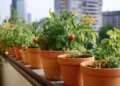
Many herbs, tomatoes, peppers, strawberries, and salad crops thrive in pots.
20. How long does it take to see results?
Organic gardening is a long-term investment.
Some improvements, like healthier pollinator populations, may appear within weeks.
Better soil structure usually develops over several months, while truly rich, fertile soil builds over several years.
Every season adds another layer of improvement.
Patience is one of the greatest tools an organic gardener can have
Organic gardening isn’t about following a strict set of rules or achieving picture-perfect borders. It’s about creating a healthy, balanced environment where plants, soil, insects, birds, and wildlife all work together naturally.
Every compost heap you build, every bee-friendly flower you plant, and every handful of mulch you spread helps create a stronger, healthier garden for the future.
Whether you’re just sowing your very first seeds or you’ve been gardening for years, organic gardening offers endless opportunities to learn, experiment, and connect with nature. Start with one small change, enjoy the process, and don’t be afraid to let nature lend a helping hand.
At Good Garden Ideas, we believe that the best gardens aren’t necessarily the most perfect—they’re the ones filled with life, colour, and the joy of growing naturally. Happy gardening!