With winter on the horizon, many gardeners are ready to hang up their green thumb until spring. But winter doesn’t have to be bleak and barren.
In fact, you can brighten up your garden during the coldest months with some flowering plants and shrubs that keep things cheerful throughout the cold season.
In this article, we are going to talk about the top 10 winter blooming plants and shrubs that can take your garden aesthetics to the next level and make you enjoy the winter landscape more.
1. Winter Jasmine (Jasminum nudiflorum)
Winter Jasmine is a deciduous shrub with cheerful yellow flowers, normally flowering from late winter to early spring. This plant is distinguished by its long, arching stems which if permitted to spread can form a spectacular ground cover effect.
Care Tips:
Sunlight: Likes full sun to part shade.
Soil: Prefers well drained soil.
Watering: Water regularly during dry periods but let soil dry out between waterings.
Frequently Asked Questions:
Does it climb ?
Can Winter Jasmine be trained to grow over fences or trellises? Yes.
2. Hellebore (Helleborus)
Hellebores, often called the “Christmas Rose,” produce delicate, cup-shaped flowers that may be white or deep purple. They are evergreen perennials and usually bloom between December and March, making them a great addition to winter gardens.
Care Suggestions:
Sunlight: Partial shade, especially in hot climates
Soil: Requires rich, well-drained soil.
Watering: Water regularly, particularly during the growing season.
Frequently asked questions:
Are they harmful to pets?
Yes Hellebores are poisonous if eaten so placement should be mindful of pets.
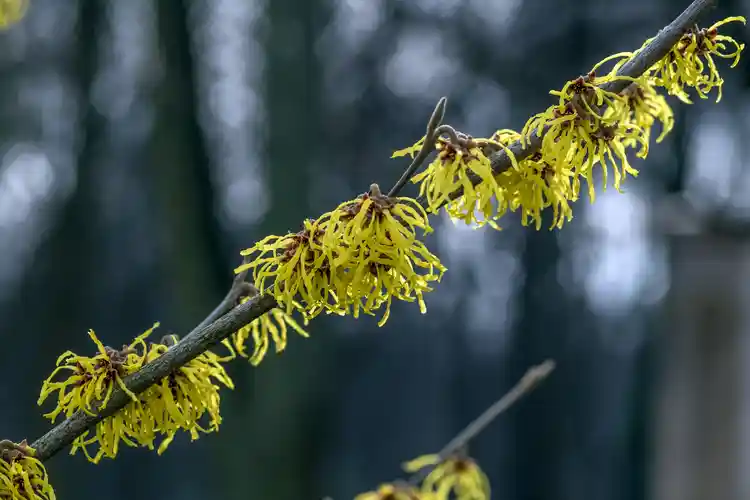
3. Witch Hazel (Hamamelis)
Witch Hazel is a distinctive flowering shrub which bears fragrant, ribbon-like flowers in late winter. Its flowers may be yellow, orange or red and provide a magical touch to the winter landscape.
Care Tips:
Sunlight: Prefers full sun to partial shade.
Soil: Likes slightly acid, well-drained soil.
Watering : Does best with regular watering, especially during dry periods.
Frequently asked questions:
Is it a good choice for small gardens?
Yes, of course! You can trim Witch Hazel to fit into smaller spaces.
4. Camellia (Camellia japonica and Camellia sasanqua)
Camellias are evergreen hardy shrubs with beautiful blooms in a variety of colours such as pink, red and white. They generally bloom from late fall through early spring, adding bright color to the colder months.
Care Tips:
Sunlight: Best partial shade.
Soil: Prefers well-drained, acid soil.
Watering: Water the soil to keep it consistently damp but not soggy.
Frequently Asked Questions:
Are they hardy?
Most camellias are hardy in zones 6-9 of the USDA.
5. Snowdrop (Galanthus nivalis)
Snowdrops are among the first flowers to appear in late winter, often pushing up through the snow. They have drooping white flowers, signs of the end of winter’s chill and the start of new growth.
Care Instructions:
Sunlight: Best in full sun to part shade.
Soil: Likes a rich well drained soil.
Watering: Little watering required once established.
Frequently Asked Questions:
How do you propagate Snowdrops?
They can be divided once they die back in spring naturally.
6. Primrose (Primula)
Primroses are known for their pretty colorful flowers that bloom in early winter to early spring. Their colours vary from muted pastels to bright hues and will add a cheerful note to any winter garden.
Tips for Care:
Sunlight: Partial shade.
Soil: Likes rich, well-drained soil.
Watering: Water often, especially during their active growing period.
Frequently Asked Questions
Are they pollinator friendly?
Yes, very attractive to bees and other pollinators.
7. Daphne (Daphne odora)
Daphne is a small shrub with a fragrance and clusters of pink or white flowers. It is a popular winter garden plant owing to its fragrant flowers, which are usually produced in late winter, and sweet fragrance.
Care Instructions:
Light: Full sun to partial shade.
Soil: Needs well drained, slightly acidic soil.
Watering: Daphne does not like wet roots so do not overwater.
FAQ:
Deer proof?
Yes, the deer usually avoid Daphne.
8. Skimmia (Skimmia japonica)
Skimmia is an evergreen shrub that has fragrant white or pink flower clusters in late winter. Its glossy leaves provide a rich foil for the flowers, and it is a winter-garden standard.
Care Tips:
Sunlight: Prefers partial to full shade.
Soil: Prefers well-drained, acid soil.
Watering: Regular watering is helpful during dry periods.
Frequently Asked Questions:
Should it be cut back?
Skimmia usually doesn’t need much pruning but you can lightly prune to keep in shape after flowering.
9. Heuchera (Coral Bells)
Coral Bells is a perennial plant, best known for its foliage that can range from bright red to dark purple. But they do produce slender flower spikes in late winter to early spring that are eye-catching and a lovely addition to the garden.
How to Take Care:
Sunlight: Prefers partial shade but can tolerate full sun in cooler climates.
Soil: Prefers well-drained, rich organic matter soils.
Watering: Keep the soil evenly moist, but don’t let the soil dry out completely.
Frequently Asked Questions:
Are they good for container gardening?
Coral Bells do great in containers, so you can grow them in any size garden.
10. Erica carnea (Winter-Heath)
Winter Heath is a hardy evergreen shrub with small, bell-shaped flowers in shades of pink, purple or white. Late winter through early spring is its flowering time, giving a colorful show in your garden when most other plants are dormant.
Care Tips:
Sun: Prefers full sun and well-drained soil.
Soil: Flourishes in acidic, sandy soil.
Watering: Water moderately; do not allow soil to retain too much moisture.
Frequently Asked Questions:
Will it stand frost?
Yes, Winter Heath is very tolerant of frost making it ideal for cooler climates.
Conclusion
Plants and shrubs that bloom in winter are a great addition to your garden and can turn a bleak landscape into a colorful one.
Choose species that flourish in your climate zone and provide proper care, and you can enjoy the beauty of flowers in the cold months.
The plants mentioned above not only add vibrant colour to winter gardens with their lovely flowers, but can also help attract pollinators, as well as provide food and shelter to wildlife during the colder periods.
Frequently Asked Question (FAQ)
1. How to Successfully Design a Winter Garden
Begin by choosing a variety of plants that bloom at different times during the winter. Add interest layers with shrubs and perennials ground covers.
Evergreen plants will also provide structure and greenery at times when other plants have died back.
2. Is it hard to take care of winter flowering plants?
Most plants that flower in winter are adapted to cooler conditions and are therefore fairly easy to care for. Just be sure you know what kind of sunlight, soil and watering they need (which can be all over the map).
3. Can I combine these winter plants with other spring bloomers?
Okay! Many plants that bloom in winter can be combined nicely with plants that bloom in spring, creating a nice flow of colors and smells from late winter to early spring.
4. How do I keep my winter garden looking fresh?
Regular maintenance, including dead-leaf removal, pruning as needed, and healthy soil, will keep your winter garden looking its best. Mulching helps to retain moisture and to suppress weeds.
5. When do I plant species that flower in winter?
Most perennials and shrubs that bloom in winter are best planted in fall so they can get established before cold weather arrives. However, you can also plant them in early spring, particularly in milder climates.
Winter may appear to be a time of rest for gardens but with the right selection of lively, winter-blooming plants and shrubs your outdoor space can stay captivating all season long.
Embrace the frost and find the beauty that these 10 spectacular plants have to offer!