We’re facing a world where the need to live sustainably and conserve resources has never been more pressing.
Climate change, water scarcity and the depletion of natural resources make it essential for gardeners to adopt practices that ensure the environmental sustainability and health of their gardens.
Here we’ll give you expert tips and techniques that will aid you in getting the most out of your garden, and save money in the long run.
Understanding Sustainable and Resource Efficient Gardening
There’s more to gardening than just planting seeds and watching them grow. It’s a chance to connect with the natural world and our food systems.
Traditional gardening can, however, demand a lot of resources, water, chemical fertilizers and synthetic pesticides. Well-known resource efficient gardening takes a different approach. It’s all about carefully designing and caring for gardens that make the most of what we already have, generate less waste and stick around for the long haul.
Resource efficient gardening is built around the principles of conserving energy, water and materials and producing healthy plants.
It’s a combination of clever planning, smart choices and eco-friendly techniques, that cuts down on reliance on external inputs, gets us working in harmony with nature and breathing new life into any waste that would otherwise go to the bin.
We can create a holistic system that not only feeds ourselves, but also minimises our footprint on the planet.
Sustainable gardening is the way to do that, by reducing the amount of water and energy we use, and eliminating the chemicals that are detrimental to the environment, people and communities.
By doing so, we’re able to create beautiful, productive gardens that are not only good for the planet but they also provide financial rewards, boost community health.
Key Principles of Resource Efficient Gardening
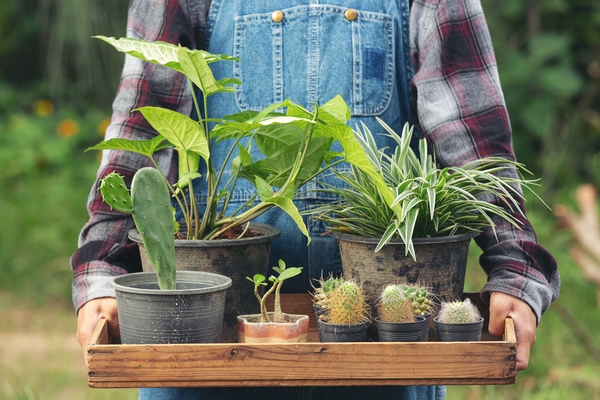
1. Use native plants: Native plants are adapted to the local climate and soil conditions, making them more resilient and less dependent on water and chemical inputs.
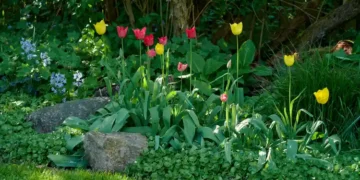
Choosing native plants is one of the best ways to make it more efficient, as they are species that have been perfectly adapted to the local climate, soil and wildlife over the centuries, when designing a garden.
Coming from the area you live in, these plants have naturally evolved with the rainfall and seasonal changes that your garden will encounter. They typically need much less watering, and since they’ve grown up with the local soil and its inhabitants, they require heavy chemical inputs.
Unlike many exotic species that you may have encountered, native plants have a reduced environmental impact as a consequence of these factors. Native planting has got many benefits, as it helps create a wildlife haven. With bees, butterflies and birds feeding on the flowers and seeking shelter in shrubs and trees.
The deeper root systems of these native plants are not only creating habitat but also can help to prevent soil erosion and increasing water retention.
Researching which plants are native to your region and beginning small could be a great place to get started. A bed of native wildflowers and a few shrubs for pollinators could be all you need to begin.
Grouping these plants together will simplify care and give you many years of enjoyment as well.
2. Conserve water: In relation to gardening, one of the most precious resources is water and to conserve it, you should be using it in a way that makes sense for your plants.
Well-known strategies in resource efficient gardening involve getting the watering schedule and technique right.
Morning or evening watering reduces the loss of water through evaporation and soaker hoses and drip irrigation are far more efficient than traditional sprinklers.
One of the best allies for water conservation is mulch. Organic mulch such as straw, leaves or bark keeps the soil moist, gets rid of weeds and gradually adds nutrients to the soil as it breaks down.
Composting the soil also makes it better at holding onto water so you don’t have to water as often.
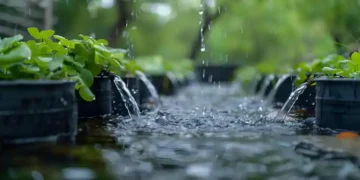
Collecting rainwater in barrels or tanks is another clever way to cut down on tap water usage, giving you free, chemical-free water and a chance to make the most of the water that would otherwise run off.
When choosing plants for your garden, choosing ones that are drought-tolerant or native to your area, will mean that your garden can get by on less water, grouping them together by their water needs is also a great way to stop overwatering one plant and under-watering another.
Years down the line, you’ll see the benefits of using efficient watering techniques, mulching, and wise plant selection.
You’ll be saving money, preserving your local water supply, and your garden will be healthy and happy even during times of drought.
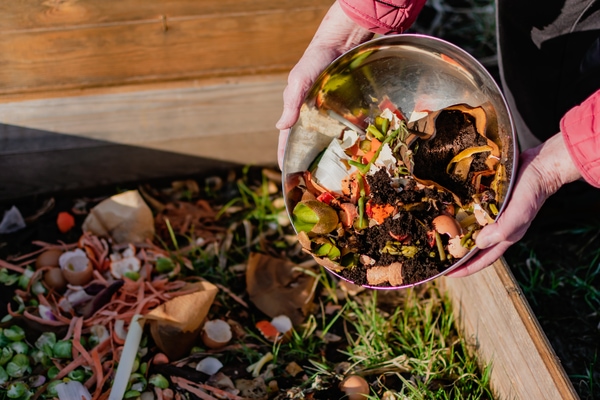
3. Compost: One of the simplest and most effective ways to make your garden more resource efficient is to compost.
By reusing kitchen scraps, garden waste and other organic materials, composting takes what would be waste and turns it into nutrient-rich soil that is a natural way to feed your plants.
Well-known for laying the foundation for a thriving garden, composting improves soil structure, increases water retention and gives those all-important nutrients to the plants, reducing the need for chemical fertilizers. It also boosts the population of beneficial microorganisms in the soil that will help your plants grow stronger and fight off any pests.
If you’re looking to get started, it doesn’t matter where you live, there is a composting method that will fit your space, traditional bins working well in backyards, and tiny countertop composters or worm bins are ideal for apartments.
The secret to successful composting is balancing the “green” materials, like fruit and vegetable scraps, coffee grounds and clippings, with “brown” materials, such as leaves, shredded paper and cardboard.
Breaking down larger items and turning the compost regularly will help things go more quickly, you should also keep the pile damp, like a wet sponge to keep the microbes happy.
Composting isn’t just a good way to feed your garden, it also reduces household waste, sends less to the landfill and creates a cycle where your garden is essentially feeding itself, a very satisfying result.
4. Avoid synthetic chemicals: Cutting down on synthetic chemicals is a highly effective way to practice resource efficient gardening, and gets rid of nasty fertilizers, pesticides and herbicides.
Coming into the garden with a chemical cocktail may provide instant results, but it can completely throw off the balance of the ecosystem.
Fertilisers seep into our water supplies, killing off the good guys, herbicides knock out a quarter of the soil’s biodiversity and pesticides are basically guaranteed to destroy beneficial insects.
Well-known gardeners have found that by eschewing synthetic chemicals, they can create a healthy balance in their gardens, where plants, insects and soil microbes all work together.
Organic compost and natural fertilizers slowly feed the soil, mulch chokes out weeds, kills off the need for herbicides and brings down soil temperatures, and planting companions can repel pests and invite in beneficial ones. Taking out manual or mechanical weeding also reduces the need for herbicides.
In the long run, ditching synthetic chemicals leads to better soil structure, makes plants stronger, and boosts the variety of local wildlife. Once you’ve gone down the chemical-free route, your garden will start to be self-sustaining, needing much less maintenance.
Start making the transition one chemical at a time, swap out synthetic fertilisers for compost, introduce natural pest repellents, and pop in some flowers that invite in the pollinators..
Maximizing Efficiency in the Garden
In the case of your garden, you can take your sustainability to the next level by cutting down waste, and getting the most out of every inch of space.
Well-known techniques like optimizing planting layouts, getting the most sunlight, and scrapping unnecessary space can kickstart the process and lead to higher yields and less upkeep.
Planning and Design
Before setting out to create the ultimate layout, take time to plan and design your garden, factoring in sunlight exposure, water supply and soil quality to ensure that each bed and planting area is perfectly positioned.
Grouping plants that have similar needs for water and light really gets the most out of space, cuts down on maintenance and saves you time and energy.
Companion Planting
Companion planting, or growing different crops together, is also a brilliant way to improve plant growth, add to the flavor, and repel pests, with the added bonus of boosting your crops and shrinking the need for chemicals.
Companion planting works on a chemical-free basis and is divided into two types.
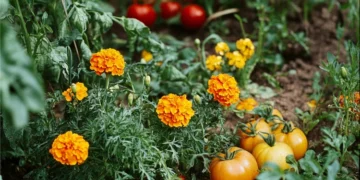
Those that release chemicals to repel pests and those that entice bees and ladybugs. Combinations can have the power to boost soil fertility, improve the flavours of vegetables and herbs. One example is the age-old combination of basil and tomatoes that can destroy tomato hornworms and yet another instance. Plant marigolds round vegetable beds reduces nematodes from growing in the soil.
Some of the perks of companion planting include: naturally squashing pests, supercharging the growth of its neighbors, packing in more plants per square meter and fostering an array of pollinators and beneficial bugs that keep the ecosystem in balance.
Well-known for being straightforward to put into practice, to get started you just need to do a bit of research into which plant combinations will thrive in your local climate and soil, then group them according to their growing styles and needs.
For example, towering plants can shade out sun-sensitive crops, and creeping plants can suppress weeds and lock down moisture.
Companion planting has the additional benefit of providing long-term results and a cutback in resource usage, as it helps gardeners design more sustainable, water-efficient, and trouble-free spaces.
Vertical Gardening
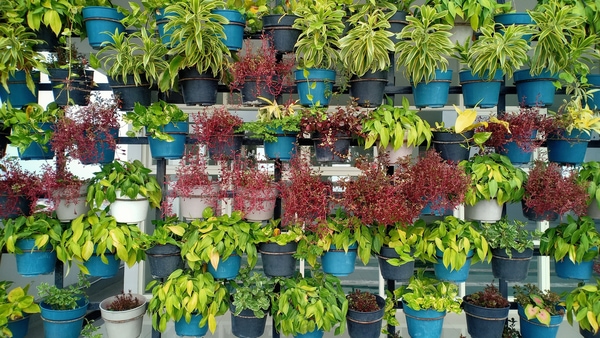
In a world where space is limited, vertical gardening provides a way to squeeze in more plants by growing them on trellises, arbors or any other available surfaces, you’ll be able to fit a lot more in.
Vertical is often the way to go, and it’s proving to be an innovative and effective way to grow your plants in small spaces. Vertical gardening takes up less land, conserves water and resources, and can turn your balcony, patio or tiny urban space into a thriving oasis.
Well-known for requiring large plots of land, traditional gardens can be a challenge in urban settings, but with vertical gardening, the space problem is eradicated, and you’ll also need less soil, water and food for your plants. The better air circulation of vertical plants can also virtually eliminate the risk of fungal diseases and knocks out the need for nasty chemical treatments.
Now vertical gardening is made accessible to anyone with a balcony, patio, or wall, thanks to methods like trellises and climbing frames for vining crops, or wall-mounted planters and pocket gardens that are perfect for herbs, small vegetables and flowers.
Stacked containers and tiered systems can accommodate multiple layers of plants and allow efficient use of sunlight.
The resource-efficient benefits of vertical gardening are numerous, using drip irrigation is simple and sends water right to the roots, soil volumes are greatly reduced and, using smaller soil volumes, we throw away less and send any nutrients back into the system through compost. The need for chemical treatments is reduced too, since elevated plants aren’t a haven for soil pests.
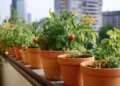
When it comes to getting started, try planting crops that naturally thrive in vertical systems, such as tomatoes, peppers, herbs, and climbing flowers. Make sure you provide the right support, sunlight and water, and your plants will be growing upwards in no time.
Intensive Planting
Another technique called intensive planting takes a non-traditional approach to spacing crops, planting them much closer to each other than you normally would and making use of intercropping.
This technique takes maximum advantage of available space by planning out the placement of plants, soil management and choosing the right crops, and as a result sends homegrown produce flying, cuts down on waste and is economical with water and fertilisers. Something that’s especially useful for household gardens, city plots and areas where space and resources are scarce.
Intensive planting involves planting crops closer together than is traditional, but doesn’t mean overcrowding, it’s all about getting the best out of the space, the soil, the sunlight and the water that you have, without any of them fighting each other.
Well-known methods that are used in intensive gardening include raised beds, intercropping, succession planting and square-foot gardening.
After the hard work of the initial planning stage, intensive planting will give you the biggest bang for your buck in terms of productivity, as more plants growing in a smaller space means a bigger harvest.
It’s also very water-efficient because the close planting keeps the soil moist, reduces evaporation and lets the water go exactly where it needs to go. Weeds don’t stand a chance either, because the dense planting covers up the soil, making it difficult for them to grow.
Frequent crop rotation and companion planting are what make intensive planting tick over smoothly, and help soil health by sending nutrients spiraling around the garden, and knocking out pests naturally.
Planning is key in intensive planting so start by laying out a grid of raised beds or designated areas, choosing crops that work well together.
Tall ones that won’t shade out the smaller ones, for example. You’ll also want to throw in some intercropping and succession planting, planting quicker-growing crops between the slower ones, and swapping out crops every season to keep the soil rife with nutrients.
Compost or organic fertilisers are a good way to jazz up the soil for the higher density of plants, and mulching and drip irrigation will sort out the problem of water waste.
Over time, intensive planting will turn your garden into a finely-tuned, high-yielding and environmentally-friendly operation that doesn’t need lots of chemical inputs.
Using Resources Wisely
There’s no getting away from the fact that we need to make the most of the resources we have.
By reducing water consumption, reusing materials, and recycling organic waste, gardeners can help conserve resources and protect the environment.
Water Conservation
Water is a precious resource, and gardeners need to use it wisely.
Implement water saving techniques such as drip irrigation, mulching, and rainwater harvesting to reduce water waste and promote efficient water use in the garden.
Soil Health
Well-known as the foundation of a healthy garden, soil needs to be given lots of TLC, and adding compost, mulch and cover crops will give it the boost it needs, and knock out the need for harsh chemical fertilisers.
Waste Reduction
Minimising waste in the garden is also important, and gardeners can cut down on the amount of rubbish they send to the tip by composting kitchen leftovers, snipping back the ends of branches and raking up fallen leaves.
Summary
As for gardening, maximizing the potential of your garden in a sustainable and resource efficient way is the key to the long-term health of your garden and the environment.
Native plants are one of the best examples of water-efficient plants that are capable of growing well on very little care.
These plants are resistant, adaptable and capable of growing in difficult conditions; saving water from getting wasted is the main objective.
We also learn that composting is another significant practice to give life and oxygen back to the soil, which is something that’s easily ignored. Synthetic chemicals, which do much more harm than good, are best avoided.
When adopting these eco-friendly practices, beautiful, productive gardens can be created. The best approach is to use up all resources, and waste as little as possible, resulting in sustainable, thriving gardens for years to come.