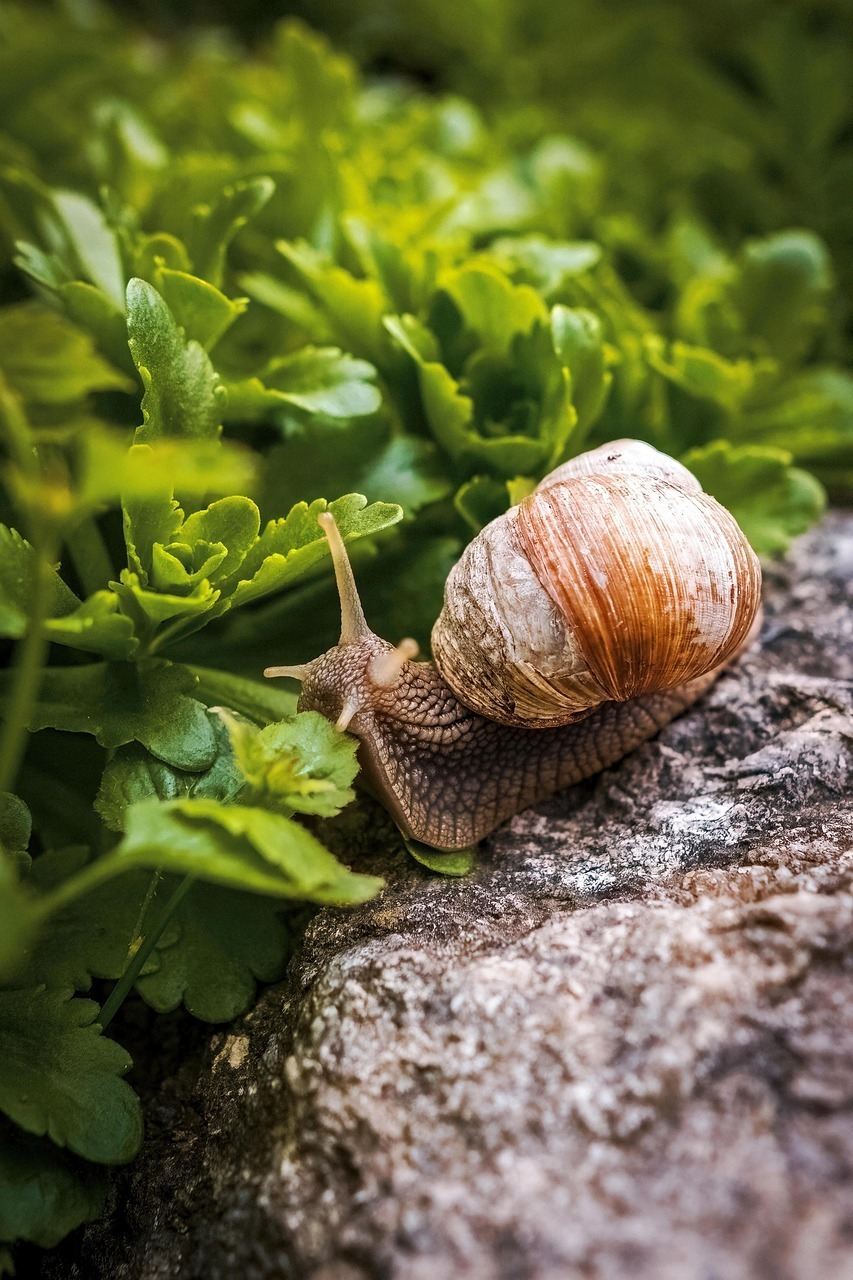
Welcome to the world of snail resistant plants. You can naturally cut down on damage and make a lush, thriving, eco-friendly oasis that works with nature instead of against it by picking the right plants.
You’re not the only one who has gone out to their garden in the morning only to find that the plants you cared for so well were full of holes. Snails and slugs are two of the most common pests in gardens. They can ruin weeks of work in just one night. But instead of using harsh chemicals, there is a better way that helps both your garden and the environment as a whole.
Let’s talk about how you can change your garden into a beautiful, strong place that snails won’t bother with.
Why choose snail resistant over snail free?
It might be tempting to get rid of all the snails, but they are actually a part of your garden’s ecosystem. They help the soil stay healthy by breaking down dead plant matter. The goal is not to get rid of everything, but to find a balance.
Plants that snails don’t like help you find that balance.
These plants often have traits that snails don’t like, such as:
- Leaves that are tough or leathery
- Textures that are hairy or fuzzy
- Strong smells
- Sap that is bitter or poisonous
You can make your garden less appealing by planting these kinds of plants, but you won’t hurt the ecosystem.
What Makes a Plant Not Attract Snails?
Knowing why some plants don’t like snails will help you choose better.
Snails like leaves that are soft, juicy, and easy to chew. Think of soft seedlings, lettuce, or hostas.
On the other hand, they stay away from plants that are:
Aromatic: Strong-smelling herbs make them confused or scared.
Textured: It’s hard to crawl over leaves that are hairy or rough.
Rigid: It’s harder to bite into thick leaves.
Toxic: Some plants have chemicals that stop animals from eating them.
With this information, you can plan your garden more carefully.
Best Plants for Your Garden That Don’t Attract Snails
Here is a carefully chosen list of plants that not only look great and help biodiversity, but also don’t get hurt by snails.
1. Lavender
Lavender is a popular plant in gardens, and not just for people. Snails don’t like it because it smells strong, has woody stems, and leaves that are a little tough.
How it works:
Aromatic oils keep bugs away.
Grows well in sunny, well-drained soil
Brings in pollinators such as bees and butterflies
Plant lavender along the edges of your yard or on paths to make a natural barrier.
2. Rosemary
This tough herb is also a great choice. Snails don’t like its needle-like leaves at all.
Pros:
Structure of evergreen all year
Can handle drought
Great for both cooking and gardening
Rosemary looks great in both gardens for decoration and for eating.
3. Ferns
It might seem strange, but snails don’t bother many ferns because their fronds are tougher.
Best for:
Areas that are shady and wet
Gardens that look like woods
Adding depth and texture
They are a great choice instead of shade plants that are more sensitive, like hostas.
Learn more about: Ferns >
4. Hardy Cranesbill (Geraniums)
Hardy geraniums are tough and snails mostly leave them alone. They are not the same as bedding pelargoniums.
Why gardeners like them:
Long time of blooming
Little upkeep
Great ground cover
They keep bugs away and stop weeds from growing.
5. Euphorbia
Euphorbia is one plant that snails stay away from because of its unusual shape and milky sap.
Important parts:
Interest in architecture
There are types that can handle drought.
Flowers and leaves that are one of a kind
Be careful with the sap because it can irritate skin.
6. Sage
Sage is another fragrant herb that is useful and keeps bugs away.
Key points:
Snails don’t like velvety leaves.
Gives your kitchen a taste boost
Pretty blue or purple flowers
It’s a win-win for gardeners who like to cook.
7. Alliums
These pretty onions are a great addition to any garden, and snails stay away from them.
Why they are good:
Flowers that look like globes add drama to the scene.
Strong smell keeps bugs away.
Great for pollinators
They work best when planted next to plants that are more fragile.
8. Grasses (for decoration)
Snails don’t usually bother ornamental grasses because their blades are narrow and tough.
Benefits:
Moving things around and adding texture to the garden
Low upkeep
Good for designs that are modern or naturalistic
They’re great for filling in holes and giving things shape.
9. Foxgloves
These tall, beautiful flowers are not only beautiful, but they are also poisonous, which keeps snails away.
Pros:
Good for cottage gardens
Get bees to come
Do well in partial shade
If you have kids or pets, be careful because they are poisonous.
10. Stonecrop (Sedum)
The fleshy leaves of sedum might look good, but their waxy coating keeps snails away.
Just right for:
Places that are dry and sunny
Gardens with rocks
Planting that doesn’t need much care
They also give pollinators nectar in the late season.
How to Make a Garden That Snails Can’t Get Into
Picking the right plants is just the first step. How you put them together can also make a big difference.
Put up layers of defense
Put plants that snails don’t like around species that are more likely to be harmed. For instance:
Put lavender or rosemary along the edges of your beds.
Plant alliums in between leafy greens.
Put geraniums on the ground as ground cover.
This makes natural barriers that keep snails from going any further.
Pay attention to the soil.
Plants that are healthy can handle damage better. Add compost and organic matter to your soil to help plants grow strong.
Don’t water too much because snails like wet places.
Help Natural Predators
A garden that is good for the environment attracts animals that eat snails, like:
Frogs, birds, and hedgehogs
Beetles on the ground
Make homes for these helpful allies by building log piles, ponds, or areas with lots of plants.
Water Wisely
Water in the morning instead of the evening. This lets the soil surface dry out before night, which makes it less appealing to snails that come out at night.
What About Traditional Solutions?
You might have heard of things like beer traps, copper tape, or crushed eggshells. Some of these might help, but a well-planned planting strategy is usually better.
Gardening that keeps snails away is about stopping them before they start, not always having to do something.
Things You Shouldn’t Do
Even if you mean well, a few mistakes can make your garden more friendly to snails.
Stay away from these mistakes:
Planting a lot of snail favorites, like lettuce or hostas, without any protection
Too many plants, which makes it hard for them to hide in the wet spots
Leaving trash where snails can hide
Using only one method instead of mixing them
The best strategy is one that is balanced.
Making Your Eco-Friendly Oasis
You can see that a garden that doesn’t attract snails is more than just useful; it’s a chance to make a space that is beautiful, diverse, and long-lasting.
Picture yourself going outside to a garden full of:
Herbs with a nice smell swaying in the wind
Pollinators buzzing around bright flowers
Foliage with texture adds depth and interest
Less damage from pests and less need for help
That’s what happens when you work with nature instead of against it.
Top 10 FAQs About Snail-Resistant Plants (Answered!)
You’re not the only one whose garden has been turned into a buffet by snails and slugs. The good news is? You don’t have to use harsh chemicals to protect your plants. One of the easiest and most environmentally friendly ways to keep your garden looking its best is to choose plants that snails don’t like.
Here are the top 10 most common questions about snail-resistant plants, along with clear, helpful, and gardener-friendly answers to help you get started or improve your approach.
1. What are plants that snails can’t eat?
Plants that snails and slugs don’t like are called snail-resistant plants. This doesn’t mean they can’t be eaten at all, but it’s much less likely that they will be.
These plants usually have traits that make them unappealing, such as:
Leaves that are tough or leathery
Textures that are hairy or fuzzy
Strong smells
Sap that is bitter or poisonous
You could say that they are “low-interest food” for snails; they will usually look for food somewhere else first.
2. Do plants that snails can’t eat completely stop damage?
No, but they do make it a lot less likely.
Snails might still eat resistant plants if they are very hungry or there isn’t much food around. But the damage is usually not that bad compared to soft plants like lettuce or hostas.
The best part is when you plan your garden around these plants. You’ll see a big drop in overall damage.
3. What are some plants that snails don’t like?
You have a lot of beautiful choices. Some of the best performers are:
Lavender
Ferns, sage, and rosemary
Euphorbia, alliums, and hardy geraniums
Grasses for decoration
Foxgloves and Sedum
These plants not only keep snails away, but they also add color, texture, and structure to your garden.
4. Why do snails stay away from some plants?
It’s surprising how picky snails are about what they eat. They like leaves that are soft, wet, and easy to chew.
They stay away from plants that are:
Too tough to bite into and too hairy to crawl over
Too strong of a smell—confusing or off-putting
Toxic or annoying; could be bad for you
They just don’t think these plants are worth the work they have to do.
5. Is it still possible for me to grow plants that snails like?
Of course, you just need to be smart about it.
Use these tips:
Put plants that snails can’t eat around plants that are weak.
Put them in pots or raised beds to grow.
Keep young plants safe (seedlings are the most at risk)
Planting should be done along with other eco-friendly ways to keep pests away.
You don’t have to give up your favorites completely this way.
6. Do snails usually stay away from herbs?
Yes, a lot of them are!
Lavender, rosemary, thyme, and sage are some of the best herbs because they smell strong and have tough leaves.
That means herb gardens are a great choice if you want something:
Useful (for cooking)
Easy to take care of
Pests don’t like it naturally
It’s one of the easiest things to win in gardening.
7. Do plants that snails don’t like help keep other plants safe?
They can, and this is where smart garden design comes in.
You can plant types of plants that snails don’t like around plants that are more likely to be eaten by them.
Serve as a natural barrier
Make it harder for snails to get in
Make the area less appealing as a whole
This method is often called “companion planting,” and it works best in mixed borders.
8. Are there any problems with plants that snails can’t eat?
Not really, but there are a few things to think about:
Some plants, like foxgloves or euphorbia, can be poisonous to pets or people.
Some plants may not do well in your soil or climate.
“Resistant” doesn’t mean “never touched.”
The most important thing is to pick plants that will work well in both your garden and your life.
9. What else can I do to get rid of snails without chemicals?
Plants that snails can’t eat work best when used with other eco-friendly methods.
You can also:
Water in the morning instead of at night.
Take away places where things can hide, like trash or thick clutter.
Help birds, frogs, and hedgehogs, which are natural predators.
Make the drainage better so that the soil doesn’t get too wet.
These little changes can make a big difference.
10. Should you stay away from chemical slug pellets?
Yes, most of the time.
Wildlife, pets, and helpful bugs can all be hurt by regular slug pellets. They might fix one problem but make others worse.
Planting that snails can’t eat is a safer, more long-lasting option that:
Keeps biodiversity safe
Less work to do in the long run
Makes the ecosystem in the garden healthier
Always look for treatments that are safe for animals if you do use them.
Plants that don’t attract snails are not only a way to protect your garden; they are also a better way to garden. You can enjoy your space more and worry less about damage if you choose plants that naturally keep pests away.
Start by adding a few resistant types and seeing how your garden reacts. Then, add more plants as needed. As time goes on, you’ll make a healthy, balanced space that works with nature instead of against it.
That’s what good gardening is all about.
Summary
Your garden doesn’t have to be a snail’s enemy. By picking plants carefully and taking care of the environment, you can greatly lessen their effects while also helping the ecosystem stay healthy.
Start small by replacing a few weak plants with strong ones. Try different combinations and see what works best in your space. Gardening is always a way to learn, and each season brings new things to learn.
Your eco-friendly paradise is closer than you think. It starts with picking plants that grow well, keep bugs away naturally, and make you happy every time you go outside.
See also: