A single Swiss chard plant can keep a family supplied with tender salad leaves and substantial sautéing greens for months.
That is the real appeal of growing Swiss chard: it looks striking in a vegetable bed or patio pot, handles cool weather better than many summer crops, and keeps producing when you harvest it the right way.
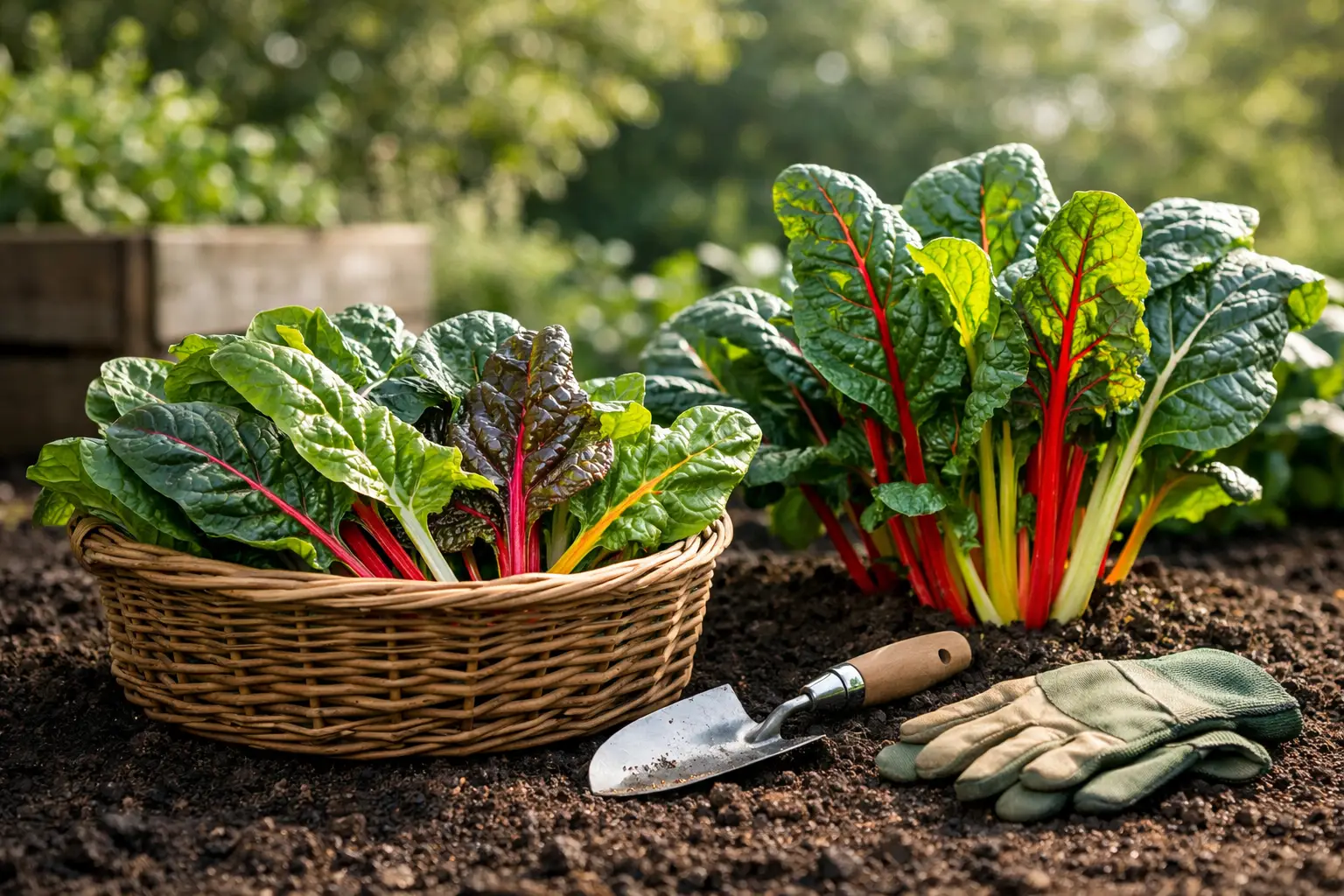
Its stems come in ruby red, sunshine yellow, hot pink, orange, and white, so there is no need to hide this vegetable at the back of the garden.
Give chard steady moisture, decent soil, and room to grow, and it rewards you with a long, colorful season.
Choose the Right Time and Spot
Swiss chard is a cool-season vegetable, but it is more heat-tolerant than spinach, lettuce, and many Asian greens.
In much of the United States, sow seeds in early spring as soon as the soil can be worked. For a fall crop, plant about six to eight weeks before your area’s average first frost date.
Gardeners in mild winter climates can often grow it through winter with light protection. In hot-summer areas, spring planting usually gives the best results.
Chard will survive warm weather, but intense heat can make leaves tougher, encourage bolting, and invite more pest pressure.
Choose a location with six or more hours of sun for the fullest plants and brightest stem colors. In regions with scorching afternoons, a spot with morning sun and light afternoon shade can keep leaves more tender.
Chard tolerates partial shade, especially in fall, but growth will be slower and stems may be less vivid.
Build Soil That Holds Moisture Without Staying Wet
Swiss chard grows best in loose, fertile soil that drains well yet does not dry out immediately after watering.
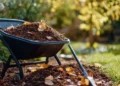
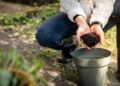
Before planting, mix a 1- to 2-inch layer of finished compost into the top few inches of the bed. Compost improves texture in both heavy clay and sandy soil while providing a gentle supply of nutrients.
A soil pH between about 6.0 and 7.0 is ideal. If you are starting a new garden bed, a simple soil test can prevent guesswork with fertilizer or lime. Chard is forgiving, but it will not perform its best in compacted, nutrient-poor ground.
Avoid adding a heavy dose of high-nitrogen fertilizer all at once. Too much can create fast, floppy leaf growth that is especially attractive to aphids.
A balanced vegetable fertilizer at planting time, followed by a light side-dressing of compost midway through the season, is usually plenty for home gardens.
Plant Swiss Chard From Seed or Starts
Direct seeding is simple and economical. Plant seeds about 1/2 inch deep and keep the soil consistently moist until seedlings emerge, usually within one to two weeks.
Chard “seeds” are actually small clusters, so more than one seedling may sprout from each planting spot.
When seedlings are a few inches tall, thin them to about 8 to 12 inches apart.
This step can feel wasteful, but crowded plants compete for water and airflow. The result is smaller leaves and a greater chance of mildew or pest problems.
Snip unwanted seedlings at soil level rather than pulling them, which can disturb the roots of the plant you want to keep.
Nursery starts are useful if spring weather turns hot quickly or if you want a head start. Set plants at the same depth they grew in their containers, water them in thoroughly, and protect them from a sudden cold snap with a lightweight row cover if needed.
For a continuous supply, sow a short row every two or three weeks during the cool part of the season. Busy gardeners can skip succession planting and simply grow a few well-spaced plants.
Because Swiss chard is harvested repeatedly, even a small planting can be surprisingly productive.
Growing Swiss Chard in Containers
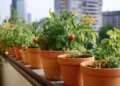
Swiss chard is one of the best vegetables for a sunny patio, balcony, or front-step container. Use a pot at least 10 to 12 inches deep with drainage holes.
One plant fits comfortably in a 10-inch container, while a large 18- to 24-inch planter can hold several plants spaced 8 inches apart.
Fill containers with quality potting mix, not garden soil, which often becomes dense and poorly drained in pots.
Containers dry faster than garden beds, so check them often in warm weather. A layer of shredded leaves, fine bark, or untreated grass clippings on top of the soil helps slow moisture loss.
Water for Tender Leaves
The secret to crisp, sweet chard is consistent watering. Aim to keep the root zone evenly moist, especially while plants are young and during hot, dry stretches. In-ground gardens generally need around 1 inch of water per week, but rainfall, soil type, wind, and temperature all change that number.
Rather than watering by the calendar, press a finger into the soil. If the top inch feels dry, water deeply. Soaker hoses and drip irrigation are especially helpful because they deliver water to the roots while keeping foliage dry. Wet leaves late in the day can contribute to fungal disease, particularly in crowded beds.
Mulch is a small effort with a big payoff. A 2-inch layer around established plants reduces weeds, stabilizes soil temperature, and saves water. Keep mulch a couple of inches away from the stems so moisture does not collect at the plant base.
Harvest Often and the Plants Keep Giving
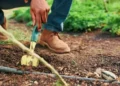
You can begin picking baby leaves when they are about 4 to 6 inches long. For mature leaves, wait until they are roughly 8 to 12 inches long and cut the outer stems near the base with clean scissors or pruners.
Leave the central crown intact. This is the growing point that produces new leaves. Removing a few outer leaves from each plant every week is far better than cutting the entire plant to the ground. A generous harvest is fine, but try to leave at least five healthy inner leaves so the plant can recover quickly.
Harvest in the cool morning when leaves are firm and full of moisture. Use young leaves raw in salads, or cook larger leaves like spinach. The colorful stems are edible too, though they take longer to soften than the leaves. Slice them separately and add them to the pan a few minutes earlier.
If plants begin sending up a tall flower stalk, harvest heavily. Bolting does not make chard unsafe to eat, but leaves can become more bitter and fibrous. In many cases, it is better to replace a bolting plant with a fresh sowing.
Handle Common Chard Problems Early
Healthy chard is generally low-maintenance, yet a quick weekly look beneath the leaves can stop small issues from becoming frustrating ones. Aphids may cluster on tender growth, while leaf miners create pale, winding tunnels inside leaves. Slugs can chew ragged holes, especially in damp spring weather.
For aphids, spray the undersides of leaves with a firm stream of water and encourage beneficial insects by planting nearby flowers. Remove and discard heavily leaf-mined leaves rather than composting them if the infestation is severe. For slugs, clear away hiding places, water early in the day, and use hand-picking or iron phosphate bait when necessary.
Brown leaf edges usually point to inconsistent moisture, heat stress, or a buildup of salts in containers. Yellowing can signal overwatering, poor drainage, or a nutrient shortage. Start with the simple checks first: soil moisture, drainage, spacing, and the age of the plant. Gardening problems often have a practical cause rather than a complicated cure.
FAQS
Swiss chard is one of my favourite vegetables to grow, because it asks so little and gives so much in return. It’s colourful, productive, incredibly nutritious and one of those crops that seems happy to keep on producing long after many others have finished.
Rainbow Chard is so colourful, but even the plain white-stemmed kinds are a leafy veg that should be in every garden.
These are the questions I am most often asked if you are thinking of growing Swiss chard for the first time – or if you just want bigger harvests.
1.What is Swiss Chard?
Swiss chard is a leafy vegetable related to beets. It is grown for its large, tender leaves and crunchy stems, not for its roots, as is the case with beet.
The leaves are eaten much like spinach, and the stems are delicious steamed, roasted, stir-fried or added to soups and casseroles.
Depending on the variety, stems can be white, yellow, orange, pink or deep red, making Swiss chard one of the prettiest vegetables in the garden.
It is also packed with:
- Vitamins A, C and K
- Magnesium
- Potassium
- Iron
- Fibre
- Powerful antioxidants
2. When to plant Swiss chard?
Swiss chard is incredibly versatile.
You can sow for most climates:
Early Spring, after last frost
Summer Harvests for Late Spring
Fall crops late summer to fall
In mild winter areas, plant all through the autumn
Seed germination occurs best in soil temperatures in the range of 10°C to 25°C (50-77°F).
I don’t plant everything at once, I sow a little and often, every three or four weeks. It keeps getting fresh leaves for months.
3. Do Swiss chard plants need full sun?
Swiss chard prefers full sun, with six to eight hours of sunlight per day.
One reason I recommend it for beginners is that it is surprisingly shade tolerant.
A bit of afternoon shade really helps in hotter climates by:
- Preventing leaf scorch
- Reducing bolting
- Keeping leaves tender
- Extending the harvest season
And if you only get morning sun in your garden, no worries – Swiss chard will generally still do well.
4. What type of soil is best?
Swiss chard isn’t fussy, but it certainly does best in rich, fertile soil.
Strive for soil that is:
Well drained
High in organic matter
Moist but not soaking
Slightly acidic to neutral (pH 6.0-7.5)
I always dig in plenty of compost or well rotted manure before planting. It has a marked effect on both growth and leaf size.
Container gardening?
Select a pot with good drainage that is at least 30cm (12 inches) deep.
5. How often do I need to water Swiss chard?
Swiss chard likes to be consistently moist.
Don’t water a little and often, but give plants a deep soak once or twice a week depending on rainfall.
Signs that your plants need more water are:
Droopy leafs
Growth is slow
Strong stalks
Bitter flavor
Mulching around the plants helps retain moisture and keeps the weeds down.
6. How do you harvest Swiss chard properly?
This is one of the biggest secrets to get months of harvests.
Do not pull up the whole plant unless you are done with growing it.
Instead:
- Harvest the outer leaves first.
- Cut them close to the base.
- Leave the smaller centre leaves untouched.
- Continue harvesting regularly.
A single plant can provide leaves for many months because the center continuously produces new growth.
I usually begin picking when the leaves are about 20–30 cm (8–12 in.) long.
7. Why is my Swiss chard going to seed?
Bolting is when the plant flowers instead of producing leaves.
They are commonly caused by:
Hot weather
Drought stress.
Temperature variations
Plants that outlive their life cycle
Leaves get tougher and more bitter when it flowers.
The best way to avoid bolting is by:
Watering regularly
Great mulch
Routine crop harvesting
Blocking out the afternoon in heatwaves
8. Swiss Chard – Pests and Diseases
Swiss chard is fairly trouble free, but a few pests do show up from time to time.
Watch for:
Aphids
Small green or black insects that gather on new growth.
Solution:
Blast them off with some water.
Promote ladybugs.
Spray with insecticidal soap (as necessary).
Snails and Slugs
Young seedlings are especially vulnerable.
Try:
Copper tape
Beer traps.
Evening hand picking
Wildlife-friendly control of slugs
Leaf miners
They create pale twisting tunnels in the leaves.
Remove affected leaves immediately to prevent larvae spread.
Swiss chard rarely has many diseases as long as plants are well spaced and watered at the soil level rather than on the leaves.
9. Can you grow Swiss chard in pots?
Absolutely, and it actually performs extremely well.
Choose for container growing:
- A pot at least 30cm deep
- Good-quality compost
- Excellent drainage
- Regular watering
- Monthly feeding with a balanced liquid fertiliser
Container plants tend to be cleaner and easier to protect from slugs.
Rainbow chard also looks fantastic mixed in with flowers on patios and balconies.
10. Is Swiss chard a cut-and-come-again plant?
Yes. And that’s exactly why I love growing it.
Regular harvesting will have a healthy plant producing fresh leaves for many months to come.
Many gardeners enjoy:
- Summer harvests
- Autumn harvests
- Winter harvests in mild climates
- Early spring harvests from overwintered plants
The more regularly you harvest the outer leaves, the longer the plant will continue to send up new growth.
Swiss chard is one of the easiest vegetables I have ever grown and I can’t imagine a productive garden without it. It is colourful and hard and nutritious and unbelievably generous in its crops.
Swiss chard will give even the beginning gardener months of delicious leaves, whether you grow a large vegetable garden, a few raised beds or just have a sunny patio.
If you want a low-maintenance, high-producing vegetable, I heartily recommend Swiss chard.
Plant a few seeds this year, keep the soil moist, harvest regularly and you soon understand why it has become one of my garden staples favourites.
Give Chard a Place in Your Garden Plan
Chard earns its space in edible landscapes because it works as both a vegetable and an ornamental.
Tuck red-stemmed varieties beside marigolds, grow yellow chard near purple basil, or use a row of multicolored plants as an edible border. The effect is lively, and every leaf you pick makes room for fresh growth.
For the best long-term results, rotate chard away from where beets or spinach grew the previous season.
They share some pests and diseases, and rotation helps keep soil problems from building up.
Whether you have a raised bed, a few containers, or one sunny patch near the kitchen door, plant a little Swiss chard and harvest with confidence.
Few vegetables make healthy, homegrown meals feel so colorful and achievable.