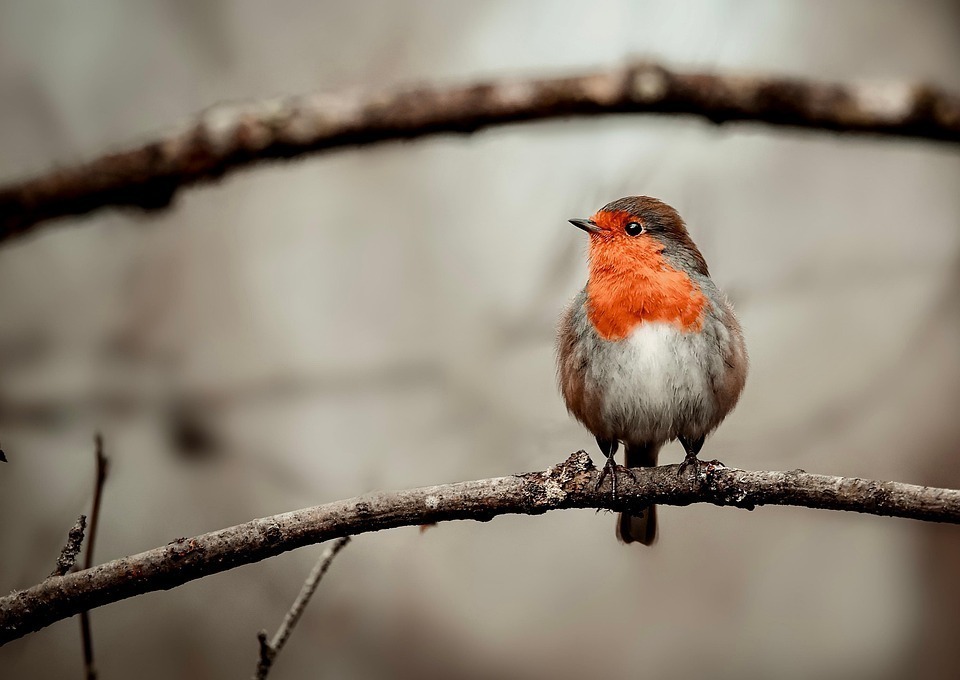
In terms of creating a welcoming habitat for wildlife in your garden, you can’t go wrong with the lovable robin, one of the most charming birds you’ll ever meet.
Their cheerful songs and striking orange-red breasts are all reasons to invite these sweet creatures to your yard, a joy they, and you, would take flight in when watching them flit about.
Recognised as a comprehensive guide we’ll delve into the techniques to make your garden a haven for attracting robins and other local wildlife.
Why Attract Robins to Your Garden?
Before diving into the methods for attracting robins, it’s important to understand the benefits that these birds can bring to your garden.
When discussing garden birds, few are as endearing as the robin, admired for their striking red breasts, charming songs and sociable nature. Beyond their aesthetic appeal, these feathered visitors are providing real ecological and emotional benefits to our outdoor spaces. If you’d like to create a garden sanctuary that not only thrives but is also teeming with wildlife.
Natural Pest Controllers
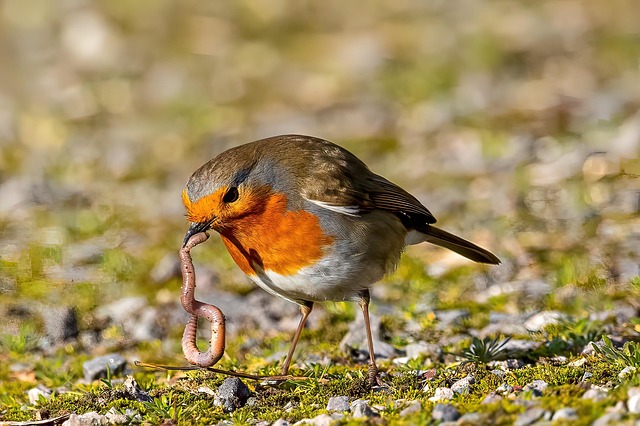
Their appetite is one of the things you love about robins, and they love to feast on the garden pests.
Snatching up insects, beetles, caterpillars and grubs that could otherwise be wreaking havoc on your plants and flowers. They’ve turned your garden into a pesticide-free haven and give your plants a healthier, stronger chance to grow.
Learn more about Pest and Disease Management >
Pollination and Soil Health
Robins are not picky eaters, and they not only enjoy feasting on insects and worms, they’re also crazy about berries and small fruits, and when they do, they’re spreading seeds around the place and getting your garden nice and diversified. Their digging behaviour is also helping to aerate the soil and sort out any issues with water and nutrients.
Encouraging Biodiversity
Well-known to create a ripple effect in the garden world, when robins feel safe and at home in your garden, they tell the rest of the world that your place is a great place to be.
This encourages other species such as wrens, finches and pollinating insects to show up, and a garden that’s got lots of different species is far more resilient to pests, diseases and changing weather conditions.
Emotional and Aesthetic Benefits
Beyond their very real utility, robins have the ability to lift spirits and soothe emotional stress.
Their beautiful morning songs and curios nature are pure entertainment, and many cultures view them as symbols of renewal and happiness, even the start of spring.
Creating the Perfect Environment for Robins
You need to provide a suitable environment for attracting robins.
Here are essential tips to create a robin-friendly space:
1. Offer Food Sources
Natural Food Sources
Regarding feeding robins, a varied diet is key to their well-being, and providing a rich and natural source of food in your garden is the best way to keep them healthy and active all year round.
Robins, in particular, mainly feed on insects, worms, fruits and berries making them both beneficial and easy to cater to, they can feast on earthworms, beetles, caterpillars, and spiders during the spring and summer, that’s basically loaded with protein and exactly what they need to raise their babies.
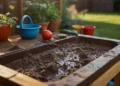
Well-known ways to get these kinds of foods into your garden are to create moist soil and heavily mulched areas that encourage the worms and insects to multiply, and therefore give the robins a steady supply of something to snack on.
When the temperatures drop, robins turn to berries and fruits to keep them going. Growing shrubs like hawthorn, holly, rowan and elderberry not only feeds them but also gives them a place to hang out, and dropping apples and pears on the ground is like a bonus treat for them.
Coming from a garden that is teeming with a diverse array of plants, and that doesn’t use any nasty chemicals will naturally attract a robin population and kick-start a beautiful, self-sustaining ecosystem.
Supplemental Feeding
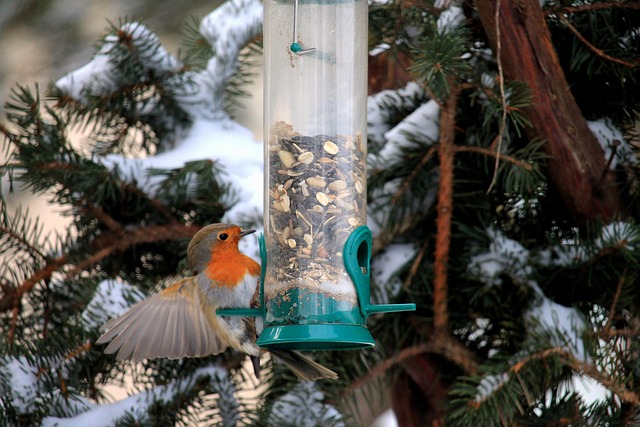
For feeding robins, a well-stocked garden will always be their go-to food source, but a little supplementation can ensure they’re well-fed, even in the winter months.
The garden can be tough for robins when it’s cold outside, as the number of insects and worms drops off, and mealworms are a real lifesaver in this situation, and virtually mimic the robins’ natural diet too, bursting with protein.
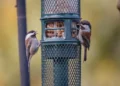
You can feed them live mealworms in a shallow dish or on a bird table, or offer dried ones, and suet pellets or fat balls are another top choice.
Go for the plain or insect-based varieties as those with artificial flavourings aren’t as appealing to them.
Robins also love soft fruits, like raisins, chopped apples and berries and soaking them in warm water makes them nice and easy to eat, and the odd crumbled plain biscuit or soaked oats can be a welcome treat, but anything that’s salted or processed is out of bounds.
Well-known as ground-feeders, robins like to eat at the bottom of your garden or from low feeders. Regularly clean feeding areas and top up the water supply every day is basically a necessity.
By putting out these supplemental foods, not only will you be able to support your robins through the winter, but you’ll also be guaranteed to see them visiting your garden all year round.
2. Provide Water
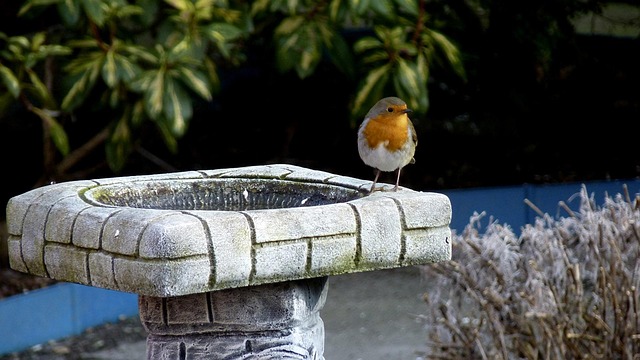
Robins, like all birds, need water for drinking and bathing.
Bird Baths
Install a shallow bird bath in your garden.
Ensure it has a gentle slope and is regularly cleaned to maintain hygiene. A consistent water supply is key, especially during dry summers.
Natural Water Sources
If space allows, consider adding a small pond or wetland area.
This not only helps in attracting robins but also supports a wide variety of other wildlife.
3. Create Shelter and Nesting Spots
Robins seek shelter in dense shrubs, trees, and even decorative trellises.
Creating a haven to attract robins is key, they’ll thank you with their beautiful presence.
A welcoming environment must be one that has some level of protection from predators and severe weather, and robins seem to love areas that have dense, thick bushes and hedges.
Think hawthorn, holly, ivy and privet, all coming hotfooting to the party. These plants not only give them somewhere to hide but send over loads of berries and insects to snack on, and because they’re so quiet and laid back, they’re great spots to set up their homes.
Well-known nesters, robins build their homes right near the ground, in secluded areas or tangled undergrowth, and you can replicate this by putting up an open-fronted nesting box about 5-6 feet high, out of reach of any marauding creatures, and facing north or east so it doesn’t get blasted by the sun. Line the box with a bit of dried grass, moss or leaves to make it feel even cozier.
To keep the area safe and free from harm, don’t use any pesticides or herbicides as they can kill off all the insects that robins need to eat, and ruin their babies too.
Have a think about fitting a bell to your cat’s collar or locking them indoors when the robins are around, and make sure the water’s always fresh and clean.
After the breeding season, robins still need shelter, warmth and a place to rest, so don’t be afraid to leave a bit of leaf litter around and don’t hack down those shrubs too much, as they’ll be counting on them for cover all year round.
Choosing the Right Plants for Your Garden
Selecting the right plants and attracting robins enhances your garden’s biodiversity and aesthetic appeal.
1. Native Plants
When discussing attracting robins to your garden, planting native species is one of the best methods.
The familiar landscape of native plants, shrubs and trees with berries, insects and flowers that these birds have grown up with, will satisfy their need for a reliable food supply. They’ll be well-fed from autumn and winter berries, and feasting on the insects that come out in spring and summer. The oxeye daisy, yarrow and primrose wildflowers are not only beautiful, but will also draw in a multitude of pollinators and small bugs, giving them a rich source of food.
Native plants have also proven to be resilient in any regional climate, need less work and are able to resist disease.
As a result, they can create a healthily balanced and diverse garden which is better for birds and any other creatures.
By planting these species, you’re creating a year-round haven for robins, giving them a welcoming place in which to live, feed, and breed and, with luck will watch them go from fledglings to flying adults.
2. Berry-Producing Plants
Include plants that produce berries, such as:
- Elderberry: Provides excellent food for robins.
- Blueberry: Not only delicious for humans but also attracts robins.
- Mulberry: A favorite snack for robins and other birds.
3. Flowering Plants
Flowering plants enrich your garden and draw in insects.
Opt for plants like:
- Coneflowers
- Black-eyed Susans
- Sunflowers
These vibrant flowers not only please the eyes but also support the overall ecosystem in your garden.
Seasonal Care for Your Robin-Friendly Garden
Your garden will require different considerations for attracting robins depending on the season, so it’s important to adapt your care routine accordingly.
1. Spring
- Nest Preparation: Inspect and clean bird houses.
- Food Supply: As robins begin to migrate back, provide ample food.
2. Summer
- Water: Maintain a consistent water supply.
- Pruning: Trim any overgrown plants to ensure robins can navigate easily.
3. Fall
- Berries and Fruits: Maximize the availability of berries for stamina during migrations.
- Seed Cleaning: Keep feeders clean to prevent disease.
4. Winter
- Consistent Feeding: Provide supplemental food as natural supplies deplete.
- Shelter: Ensure shrubs and trees offer sufficient shelter from harsh winds.
Common Questions About Attracting Robins
1. What do robins eat?
Robins primarily consume insects, worms, and fruits. In gardens, they are especially drawn to berries and mealworms.
2. When do robins migrate?
Robins typically migrate in early spring back to their breeding grounds and return south in the fall. The exact timing can depend on various factors such as climate and food availability.
3. How can I tell if robins are visiting my garden?
Look for their distinctive red breast and listen for their melodious song. They are also recognizable by their characteristic hopping movements while searching for food.
4. Can I attract other birds along with robins?
Indeed! Many birds are attracted to similar habitats. By creating a diverse environment, you could welcome species like finches, sparrows, and even orioles.
Summary
As you come home from work and stroll through your garden each day you’ll be adding a lovely element to your life. When trying to lure robins into your garden, you’ll be not just doing a good deed for the local wildlife.
Native plants, known for being the backbone of an ecosystem, are the ones that’ll provide the food and shelter for the wildlife. Clean, accessible water is also something that your garden needs to really get it into top shape.
With a lot of love and time your garden will start to flourish.
Months down the line you’ll be reaping the reward of a beautiful haven that’s home to robins and lots of other wildlife.