
Cosmos are one of the few flowers that give so much beauty for so little work.
Cosmos bipinnatus brings airy elegance to gardens from midsummer until the first frosts with its delicate, daisy-like blooms dancing above feathery foliage.
Cosmos are a must for the garden, whether you are an experienced gardener looking for dependable seasonal colour or a beginner wanting a straightforward flower to grow.
These delightful annuals combine elegance with surprising hardiness. They flourish under a variety of conditions, attract helpful pollinators and yield armfuls of cut flowers for months at a time.
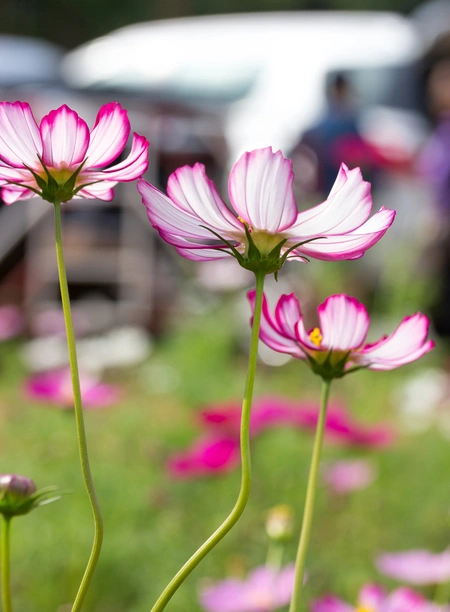
Cosmos come in white, pink, rose, crimson and even bicolour varieties, and can make vibrant displays full of movement and colour in borders, cottage gardens, wildlife plots and containers.
This guide will tell you all you need to know about growing Cosmos bipinnatus, including sowing seeds, planting tips, ongoing care and creative garden design ideas.
Getting to Know Cosmos bipinnatus
Cosmos bipinnatus is a member of the daisy family (Asteraceae) and is native to Mexico and parts of Central America.
They appear delicate, but these plants are surprisingly tough and adaptable. Their finely divided foliage is like fennel or dill and provides a soft textured background for the colourful flowers which bloom continually throughout the growing season.
Most varieties are 60 cm to 150 cm high depending on the cultivar and growing conditions. The flowers are generally 5-10 cm across, borne on long, slender stems that sway gracefully in the breeze.
Cosmos have one of the greatest strengths of a long blooming season. Unlike many annuals that flower for only a few weeks, Cosmos can bloom from early summer until autumn, providing reliable colour when many other plants begin to fade.
Why Gardeners Adore Cosmos
Cosmos has been a gardener’s favourite for generations, and it’s easy to see why.
Easy to Cultivate
Cosmos seeds are easy to grow and require little attention. Impressive results can be achieved even by gardeners with little experience.
Prolonged flowering period
Regular dead heading helps to keep a succession of flowers for months giving a steady display of colour throughout summer and autumn.
Superb Cut Flowers
Cosmos have long stems and cheerful blooms, making them ideal for floral arrangements. In fact, plants respond to frequent cutting by producing more flowers.
Pollinator Friendly
Cosmos flowers are a big draw for bees, butterflies, hoverflies and other beneficial insects. They are a great addition to your garden, supporting local biodiversity and pollination.
Drought Tolerant
Once they are established, cosmos can better withstand periods of dry weather than most annuals.
Beauty on a Budget
One packet of seeds can grow dozens of plants, making cosmos one of the most cost-effective ways to fill a garden with colour.
How to Choose the Right Variety of Cosmos for Your Garden
Today’s breeding work has produced a wonderful range of cosmos for different garden styles and spaces.
Cosmos Tall
Traditional tall types can reach 120 to 150 cm in height. These are lovely additions to borders and cutting gardens.
Popular choices include:
‘Sensation Mix’
‘Purity’
‘Rubenza’
‘Psyche White’
‘Candy Stripe’
Medium-sized Varieties
These varieties grow to between 60 and 90cm tall and are useful in most garden situations.
Popular options include:
‘Sonata Series’ ‘Versailles Series’ ‘Double Click Series’
Compact Varieties
Dwarf cultivars work well in containers, window boxes and small gardens.
The good choices are:
‘ ‘White Sonata ‘ ‘Pink Sonata ‘ ‘Cosmic Orange ‘ ‘Xanthos ‘
Choose varieties according to the space you have, your colour scheme and if you want to cut the flowers for arrangements.
Best Growing Conditions for Cosmos
One reason cosmos is so forgiving is that it can grow in less than perfect conditions.
Sunlight
Cosmos grow best in full sun. Try to get at least six hours of direct sunlight a day. More sun generally translates to stronger stems and more abundant flowering.
Plants can tolerate some shade, but they usually flower less and grow less vigorously with less light.
Soil
Cosmos has no richer soil than many flowering plants. Actually, too fertile soil can promote too much leaf growth at the expense of flowers.
The best soil is:
Good drainage.
Moderately fertile
Light to medium body
Slightly or neutral acid
The poorest soils often give the most spectacular displays of flowers.
Temperature
Cosmos love warmth and should be planted outside only after the danger of frost has passed. The best soil temperatures for germination are 18°C to 24°C.
These annuals will grow well all summer and keep on blooming until frost in the fall.
Start Cosmos from Seed
Growing cosmos from seed is easy, rewarding and economical.
Sowing Indoors
Starting seeds indoors gives plants a head start and can produce earlier blooms.
Plant the seeds four to six weeks before the last expected frost date.
For indoor sowing:
Scoop good quality seed compost into seed trays.
Sprinkle the seeds thinly over the surface.
Sprinkle a light coating of compost over.
Water lightly.
Place it in a warm, sunny spot.
Seeds usually sprout within a week or two.
Once the seedlings have their first true leaves, transplant them into individual pots and grow them on in a bright spot until it is time to plant them out.
Direct sowing
Cosmos can also be sown outside after the last frost has passed.
Simply:
Pull weeds from the soil.
Rake the surface to a fine seed-bed.
Space seeds thinly.
Sprinkle lightly with soil.
Use a little.
Thin seedlings when they are large enough to handle.
Direct-sown plants typically get a fast start and may eventually catch up with transplanted seedlings.
How to Plant Cosmos Outside
When the seedlings are ready and the frosts are behind us, it’s time to get them into the garden.
Hardening-Off
Harden off the seedlings for 7 to 10 days before planting outside permanently.
Bring them outside during the day, and inside at night, and get them used to the outdoors gradually.
This process helps prevent shock from the transplant.
Space
Proper spacing allows for better air circulation and reduces the risk of disease.
Recommended distance:
Compact varieties: Space 25–30 cm apart.
Medium kinds: 30-45 cm apart
Tall types: 45-60 cm apart
Don’t plant them too close together, they need space to form good stems and produce lots of flowers.
Post-planting watering
Water well immediately after planting.
Continue to water regularly during the establishment period, typically the first few weeks.
Cosmos Care Tips During the Season
Another great thing about cosmos is that they need very little maintenance.
Watering:
Established cosmos are fairly drought tolerant.
Water deeply during long dry spells, not frequently with shallow watering.
Too much water results in weaker growth and fewer flowers.
Feeding:
Cosmos usually do not need much feeding.
Too much fertiliser gives lush foliage and less flowering.
If growth is weak, a light application of balanced fertiliser can be applied but moderation is the key.
Mulch
Mulch. A thin layer of mulch will help to hold soil moisture and suppress weeds.
Keep mulch away from stems to avoid rot.
Support for Tall Cosmos Varieties
Tall cosmos can sometimes get top heavy, especially in fertile soils or windy places.
Simple methods of support are:
Canes of bamboo
Twiggy Branch Support
Netting for Garden
Garden stakes for decoration
Supports installed early allow plants to grow naturally through them.
Many gardeners weave cosmos among other sturdy perennials that provide natural support and create a more relaxed look.
Why Deadheading Cosmos Is Important
Perhaps the most important maintenance chore for cosmos is deadheading.
By removing spent flowers, plants are encouraged to keep producing new buds, rather than using their energy to make seeds.
How to deadhead:
Follow the stalk from the flower down to a leaf node.
Trim just above the next pair of leaves.
Repeat throughout the season regularly.
Deadhead regularly to extend the flowering season considerably.
Cosmos Cut Flowers
Cosmos are a favourite with flower arrangers and for good reason.
Flowers contribute motion, texture and appeal to bouquets.
To get the best results:
Pick first thing in the morning.
Pick flowers that are just beginning to bloom.
Remove lower foliage
Place stems in water immediately.
Regular cutting encourages more flowering so cosmos is a good addition to any cutting garden.
Pollinator Attraction
Many pollinating insects rely on Cosmos flowers as a major food source.
Visitors typically include:
Beetles
Bumblebees.
Solitary bee
Butterflies.
Hover flies
Plant cosmos with other nectar-rich flowers for a thriving habitat for beneficial wildlife.
Good companions are:
- Zinnias
- Verbena
- Salvia
- Rudbeckia
- Echinacea
- Lavender
A pollinator friendly garden is good for the wildlife and good for your vegetable crops.
Cosmos Troubleshooting and Fixes
Cosmos usually works fine, but sometimes it has problems.
Powder mildew
This fungi disease is identified by a white powdery coating on leaves.
To minimize risk:
Be sure to circulate the air well.
Do not overstuff.
Water at the soil level, not overhead.
Prune affected foliage, if necessary.
Aphids (sucking insects)
They are tiny sap-sucking insects that may congregate on stems and flower buds.
Populations are often kept in check by natural predators such as ladybirds.
A strong stream of water can also knock off aphids.
Floppy Growth
Leggy or floppy plants can result from too much shade or overly fertile soil.
Give it plenty of sun and don’t over fertilise it.
Snails and Slugs
Young seedlings are vulnerable to damage by slugs and snails.
Barriers or controls may be used to protect seedlings during establishment.
Cosmos Seed Saving
You can save seeds and grow cosmos year after year and it will save you money.
Late in the season:
Let several flowers grow to full maturity.
Wait until seed heads are brown and dry.
Gather seeds carefully.
Store in labelled paper envelopes.
Keep in a cool dry place.
Many cosmos varieties will self-seed easily in good conditions, providing you with volunteer seedlings the following spring.
Cosmos Symbolism and Significance
The Significance of the Cosmos Name
The term “cosmos” is derived from the Greek term kosmos, meaning “order,” “harmony,” or “balanced universe.”
This origin is especially fitting if you look closely at the flower. The petals are arranged in a very symmetrical pattern around a central disc, creating a sense of natural balance and perfection. The early botanists thought the flower’s orderly appearance reflected the harmony that could be found throughout nature.
Today the link is still one of the strongest symbolic associations with cosmos flowers. And often they are seen as reminders that beauty can come from balance and simplicity.
Gardeners can find a special appropriateness in this symbolism. A healthy garden is an ecosystem in balance between the plants, animals, climate and the gardener’s attention. Cosmos seems to be the perfect embodiment of this relationship.
A Sign of Peace and Tranquility
Cosmos is linked to calmness and peace due to its soft colours and airy growth habit.
Cosmos is a more delicate beauty, not a bold and dramatic flower that makes demands. Their flowers nod gently in the wind, introducing movement and softness to the scene. The grace of the present has led many to view cosmos as symbols of peace and emotional balance.
Cosmos is often associated with::
- Inner peace
- Calmness
- Serenity
- Balance
- Harmony
- Simplicity
Many gardeners intentionally incorporate cosmos in relaxing garden spaces for reflection and quiet enjoyment. Their delicate appearance invites visitors to slow down and appreciate the beauty of the moment.
Symbolism of Order in Nature
One fascinating aspect of cosmos symbolism is its connection to the natural order.
Cosmos plants may look informal and carefree, but their patterns of flower structure and growth are surprisingly precise. Like a lot of natural systems, this mix of apparent wildness and underlying order.
The flower reminds us that while the natural world may seem spontaneous in appearance, it still operates according to complex patterns and relationships.
This symbolism speaks volumes to gardeners. Anyone who has spent time watching a garden knows that beneath the apparent chaos is a complex balance of soil health, pollinators, rainfall, sunlight and seasonal cycles.
Cosmos is a gorgeous reminder of this hidden order.
Cosmos and the cottage garden style
In many countries cosmos has become strongly linked to traditional cottage gardens.
The beauty of cottage gardens is their informality, their profusion, their happy mingling of flowers. Cosmos is a natural choice for this style, blending easily among roses, hollyhocks, sweet peas and other classic favourites.
Cosmos are often said to symbolize in this gardening tradition:
Simplicity.
Satisfaction
Humble
Happiness in daily life
Connection to nature
Its reputation as a flower of generosity and abundance also comes from its ability to self-seed and return year after year.
Cosmos is neither rare nor difficult. It gives itself away, liberally and graciously, and is thus a fitting symbol of the hospitality which is the hallmark of most cottage gardens.
The Meaning of Cosmos in the Language of Flowers
Victorian flower symbolism, also referred to as the “language of flowers,” featured many plants and flowers with emotional meanings.
Cosmos have come to represent:
- Harmony
- Peaceful love
- Modesty
- Orderliness
- Balanced relationships
Cosmos flowers can represent admiration for someone’s gentle, graceful, or harmonious presence in the lives of others.
They are meaningful gifts for people who like simplicity than extravagance and their understated elegance makes them even more so.
Color Symbolism in Cosmos Flowers
The different colors of the cosmos may each carry a different symbolic meaning.
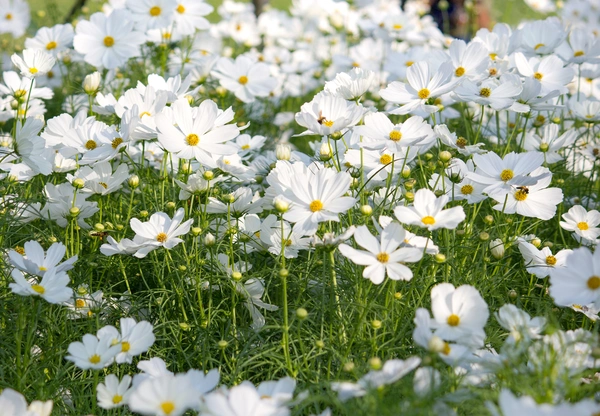
White Cosmos
White cosmos flowers are often associated with:
- Purity
- Innocence
- Honesty
- Spiritual peace
Their clean, luminous look makes them a favorite for reflective garden spaces and elegant floral arrangements.
Pink Cosmos
Pink varieties symbolize:
- Affection
- Gentleness
- Kindness
- Friendship
These cheerful flowers are among the most commonly grown, and are often seen as expressions of warmth and positive relationships.
Crimson Cosmos and Deep Pink
Darker shades can represent:
- Passion
- Confidence
- Vitality
- Appreciation
These showy flowers inject a shot of excitement and verve into garden displays, but they still retain the elegant grace that is the hallmark of cosmos.
Cosmos Colours Mix
Plantings that combine multiple shades often symbolize:
- Diversity
- Unity
- Balance
- Celebration
The mixture of colors represents the peaceful coexistence of differences, a concept that works well with the flower’s broader symbolic significance.
Cosmos in Mexican Culture
Cosmos bipinnatus is native to Mexico, so the species has been a part of the country’s natural and cultural landscape for a long time.
Wild cosmos flowers still grow in many places, providing seasonal colour to roadsides, fields and open country.
Although perhaps not as culturally prominent as some of the traditional Mexican flowers, the cosmos is a reflection of the country’s rich botanical heritage and biodiversity.
Its hardiness and colorful flowers are a combination of traits extolled in the gardening traditions of the area.
Its travels from Mexico to gardens worldwide are a testament to the flower’s universal appeal and everlasting beauty.
A Flower of Resilience
Another interesting way to interpret cosmos is its amazing ability to thrive in difficult conditions.
Where finicky flowers may not, cosmos thrive. It’s tough on bad soil, dry spells and changing weather conditions and still produces plentiful blooms.
Therefore, many gardeners regard cosmos as the symbol of:
- Resilience
- Adaptability
- Optimism
- Perseverance
Its bright flowers seem to say that beauty and success are possible even under less than ideal circumstances.
This symbolism is especially inspirational during periods of change or uncertainty.
Cosmos and Pollinator Friendly Gardening
Cosmos also has a new significance in contemporary gardening culture as a plant that supports pollinators.
With increasing recognition of biodiversity and environmental stewardship, flowers that attract bees and butterflies have acquired symbolic value beyond their ornamental appeal.
Today cosmos often stands for:
- Ecological balance
- Environmental awareness
- Sustainability
- Care for wildlife
Gardening with cosmos means colourful blooms for gardeners for months on end and contributing to healthier ecosystems.
In this sense, cosmos is a beautiful flower and a small environmental responsibility.
The emotional power of Cosmos
The continuing popularity of cosmos is partly due to the feelings it evokes.
Few flowers feel as joyous and as accessible. Bright blooms, dancing stems, and easy growth combine to create an optimistic feeling many gardeners find uplifting.
Cosmos tells us that beauty doesn’t have to be complicated. Sometimes all that is needed to produce a spectacular display is a packet of seeds, a patch of sunshine and a little patience.
The flower’s most powerful symbolic lesson may be this simple one.
Applying Cosmos Symbolism to the Garden
Gardeners can consciously include the symbolism of cosmos in their planting schemes.
Plant cosmos in:
Reflection Garden
The flower’s association with peace and harmony makes it perfect for quiet seating areas and contemplative spaces.
Gardens for Pollinators
Its symbolism of ecological balance is a counterpoint to wildlife-friendly planting schemes.
Gardens of Friendship
Pink cosmos varieties can mean kindness, affection and good relationships.
Celebration Gardens
The cosmos shows in mixed colours, give a joyous mood that is the symbol of unity and happiness.
Cottage Gardens
Their love of simple and abundant planting makes them natural companions for traditional cottage style planting.
A Flower Symbolizing Balance and Beauty
Cosmos (Cosmos bipinnatus) is one of the few garden flowers that brings together visual elegance, ease of cultivation, and meaningful symbolism.
Its name suggests harmony and order. Its tender blooms are a symbol of peace and serenity. Its resilience is about hoping and persevering. The pollinators are drawn to it, showing how nature is linked together.
This is likely why cosmos still captivates gardeners around the world. Behind the colourful blooms and feathery foliage is a flower that quietly reminds us of some of life’s most valuable qualities – balance, simplicity, resilience and the beauty that emerges when everything works together in harmony.
Cosmos grown in the cottage garden, wildlife border or just a container on a sunny patio provides more than seasonal colour. It is a timeless message that beauty and harmony can thrive even in the simplest of places.
Design with Cosmos
Cosmos’ versatility works well in many different garden styles.
Cottage garden
Cosmos is a natural for traditional cottage gardens. It combines beautifully with roses, foxgloves, hollyhocks and sweet peas.
Like the other romantic custom, it’s so soft and informal.
Cutting Garden
Cosmos make a wonderful addition to any cutting garden.
Plant in rows for easy harvesting and a constant supply of blooms for indoor arrangements.
Gardens for Wildlife
Nectar-rich flowers attract a great diversity of pollinators and beneficial insects.
Cosmos with native wildflowers helps create a vibrant wildlife-friendly environment.
Borders
White cosmos varieties can mellow contemporary planting schemes, and offer elegant contrast to structural foliage plants.
Container Displays
Compact types are good in large pots and containers.
For best results in containers use quality compost, good drainage and full sun.
Seasonal Interest & Colour Mixes
Cosmos blend well with many garden plants.
Some inspiring combinations are:
Soft Pastels
Combine pink and white cosmos.
This creates a calming, romantic palette.
Vibrant Summer Colour
Mix cosmos with:
Zinnias
Dahlias
Marigolds
Sunflowers
The result is energetic and cheerful.
Elegant White Garden
White cosmos planted alongside:
White phlox
White nicotiana
Silver foliage plants
creates a sophisticated and luminous display.
Prairie Planting
Cosmos, ornamental grasses, rudbeckias and echinaceas can be combined to create a naturalistic scheme with lots of movement.
Extending the Display
Try succession sowing of cosmos flowers for as long as possible.
Sow seeds every few weeks through spring and early summer and you’ll have overlapping generations of plants in flower right through to autumn.
This method is especially useful in cutting gardens where flowers are frequently cut.
Late-sown plants often provide valuable colour as the earlier annuals begin to decline.

FAQs
1. What is Cosmos bipinnatus?
Cosmos bipinnatus is a widely grown annual flowering plant native to Mexico.
Its daisy-like blooms, feathery foliage, long bloom time and ability to attract pollinators are highly valued. The flowers are white, pink, rose, crimson and bicolour mixes.
2. Is it easy to grow cosmos?
Yes Cosmos are one of the easiest flowers to grow from seed. They germinate quickly, are low-maintenance and grow well in most garden conditions, which makes them perfect for both beginners and experienced gardeners.
3. When to plant cosmos seeds?
Cosmos seeds can be started indoors 4 to 6 weeks before the last expected frost or sown directly outdoors in spring after frost danger has passed. Successful germination is helped by warm soil temperatures.
4. How long does it take for cosmos to flower from seed?
Most cosmos varieties begin to flower about 8 to 12 weeks after sowing. Starting seeds indoors can lead to earlier blooms.
5. Does cosmos come back each year?
Cosmos bipinnatus is an annual so completes its life cycle in one growing season. But it readily self-seeds and will produce new plants the following year in suitable conditions;
6. Cosmos: Where’s the best place to plant them?
Cosmos grow best in a sunny spot receiving at least 6 hours of direct sun each day. They like well-drained soil and do especially well in borders, cottage gardens, cutting gardens and wildlife-friendly planting schemes.
7. What soil conditions do cosmos like?
Cosmos tend to do well in soils of moderate fertility or even poor soils. Too rich soil tends to produce lush leafy growth at the expense of flowers and therefore fewer blooms.
8. How often do I water cosmos?
Once established Cosmos are fairly drought tolerant. Water deeply in long dry spells, but don’t over-water, because constantly wet soil can cause weak growth and less flowering.
9. Why are my cosmos tall and not flowering?
Too much fertiliser, soil that’s too rich or not enough sunlight often causes a lack of flowers. Usually less watering and full sun placement will help to bloom better.
10. Do cosmos need deadheading?
Yes. Regular deadheading encourages continued bloom production for the rest of the season. Removing blooms that have faded prevents the plant from setting seed and encourages it to use its energy to produce new flowers.
11. Do cosmos attract bees and butterflies?
Yeah. Cosmos are very attractive to bees, butterflies, hoverflies and other beneficial pollinators. Their flowers have a good supply of nectar and they are a good choice for wildlife friendly gardens.
12. Can you grow cosmos in pots?
Yes, especially the compact or dwarf types. Choose a large pot with good drainage, use good compost and place it in a sunny spot. Container-grown plants will do best with regular watering.
13. Are cosmos good for cutting?
Cosmos make lovely cut flowers. With long stems, delicate blooms and a long flowering season they are a popular addition to bouquets and floral arrangements. Regular pruning usually encourages more blooms.
14. Do Cosmos need support?
Support can be useful with taller varieties, especially in windy gardens or fertile soils where plants can get top-heavy. Stems are often held upright with bamboo canes, twig supports or garden netting.
15. How do I save cosmos seed?
Leave some flowers on the plant to ripen and dry. When the seed heads go brown, collect the seeds and store them in a paper envelope in a cool dry place until next spring. Seeds can stay viable for several years if stored properly.
Why Cosmos is a must for every garden
Cosmos bipinnatus is a rare flower combining beauty, ease of growth, versatility and value. Cosmos is a plant that starts out with just a few seeds, but then grows into a spectacular display of graceful foliage and colourful blooms that can last for months.
Whether filling in border gaps, decorating containers, attracting pollinators or offering endless bouquets for the house, cosmos never fails to deliver on its reputation as one of the most satisfying annuals a gardener can grow.
For gardeners, cosmos can hardly do better for maximum impact with minimum effort. A real star of the summer garden with its carefree nature, long flowering season and ability to thrive in ordinary garden conditions.
Give it a sunny spot, well-drained soil and the odd deadheading and you’ll be rewarded with a vibrant display that brings colour, movement, wildlife and joy to your garden all season long.
Once you’ve grown cosmos, it’s likely to be a permanent part of your planting plans for many years to come.