Here are the top 10 gardening jobs for February. February is one of those months when things are in between in the garden. It’s not quite spring or winter yet. Some days are warm and hopeful, while others are still cold and frosty.
But don’t be fooled—February is full of quiet possibilities.
This is the month when the garden starts to wake up. As buds swell, soil microbes wake up, and birds start to build nests, the growing season whispers, “Get ready.”
February isn’t about big harvests or pretty displays for gardeners; it’s about getting ready, taking care of things, and getting ready for what’s next. The little things you do now will have a big effect on how your garden does in the spring and summer.
So get your gloves, a warm drink, and those boots that are a little muddy. Here are the Top 10 Gardening Jobs in February, the easy, useful, and fun way.
1. Plant seeds inside
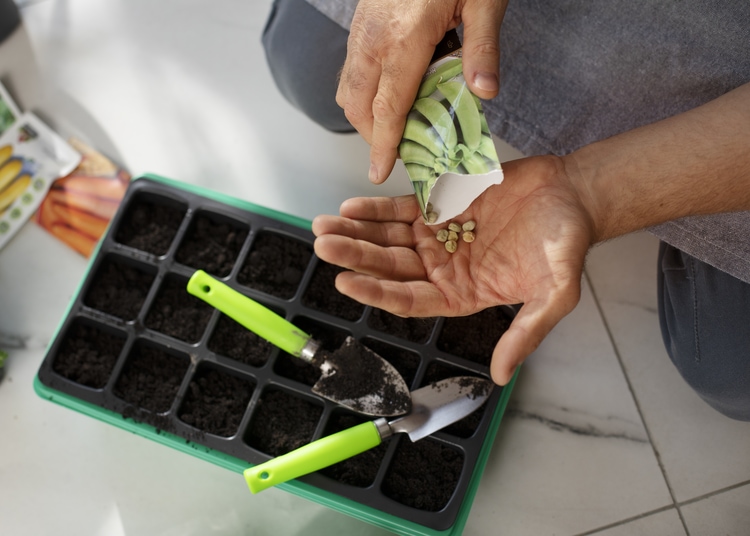
It’s time to start seeds in February, and it’s one of the best things about gardening.
Nothing beats tiny seeds, fresh compost, warm windowsills, and that first hint of green.
Seeds that are good to start in February:
Use clean trays, high-quality seed compost, and put labels on everything. You’ll be glad you did in the future. Put them in a warm, bright place and keep the soil slightly damp, but not wet.
Not only is it useful, but it’s also therapy.
2. Cut back trees, bushes, and fruit bushes
February is a great time to prune a lot of plants because they are still dormant.
Pruning now will help your plants grow strong in the spring, bloom better, and bear fruit that is healthier later in the year.
What to Cut:
- Trees that grow apples and pears
- Roses (depending on the weather)
- Gooseberries
- Currants
- Vines of grapes
- Deciduous shrubs
Cut off any dead, broken, crossing, or diseased branches first, and then shape the tree. Don’t think about hacking; think about airflow, light, and balance.
Pruning well is like magic for your garden.
Learn more about pruning techniques >
3. Get your soil ready
Gardens that are healthy start below ground.
February is a great month to work on the soil structure before planting.
Work to do in the soil:
- Put in compost
- Spread manure that has been well-rotted
- Put mulch on empty beds.
- Gently fork soil that is too hard
- Put in leaf mold
You’re giving microbes, worms, and fungi food. These are the real workers in your garden. Less trouble in the future means healthy soil now.
Learn more about fertilization and plant growth >
4. Clean up and put things in order in the greenhouse
February is the month to reset your greenhouse.
For the best light, clean the glass, throw away dead plants, disinfect the pots, and organize the shelves.
A greenhouse that is clean:
- Prevents disease
- Improves light levels
- Improves the health of seedlings
- Makes gardening less stressful
It’s like cleaning up in the spring for plants.
5. Make a plan for how your garden will look
This is one of the most powerful and least appreciated gardening tasks.
Get a notebook and sit down to draw your beds.
Think about:
- Changing the crops
- Companion planting
- Being in the sun
- Space
- Planting in succession
- Vertical growing
Planning ahead cuts down on weeds, pests, and stress. It also saves time and money.
Dreaming is a useful thing to do.
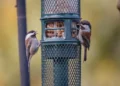
6. Give food to birds and help wildlife
Wildlife is hungry in February.
There aren’t many natural food sources, and nesting season is coming up.
Jobs with wildlife:
- Take care of bird feeders
- Fill up bird baths again
- Put in nesting boxes
- Leave wild areas
- Make bug hotels
A garden that is good for wildlife is also good for people. Birds and bugs work together to keep pests away.
See also: Top 10 Garden Bird Feeders >
7. Fix up tools and buildings
Now is the best time to do maintenance.
Check and Fix:
- Fences
- Trellises
- Beds that are raised
- Bins for compost
- Water butts
- Sheds
- Tools
Sharpen the secateurs, oil the handles, tighten the screws, and change out any broken parts. February is a time to get ready for spring.
8. Keep things neat, but not too neat.
Yes, some cleaning needs to be done, but don’t forget about nature.
Take out:
- Plants with disease
- Crops that have gone bad
- Stems that are broken
But leave:
- Heads of seeds
- Stems that are empty
- Piles of leaves
- Debris from nature
These are homes for insects, birds, and other helpful organisms. Sustainable gardening cares about more than just being neat.
9. Start Chitting Potatoes
Chitting potatoes has a quiet magic to it. It’s one of those old-fashioned gardening traditions that feels easy, soft, and very satisfying. No hard-to-use tools. No high-tech tools. A few simple potatoes, a sunny windowsill, and the promise of more harvests in the future.
February may still feel like winter, but now is the best time to start chitting your seed potatoes. It’s one of the simplest tasks on the gardening calendar, and it really helps your plants grow.
Don’t worry if you’ve never done it before. Chitting is very easy to do, and once you do it once, it will become a regular part of your gardening routine.
So get a cup of tea, open a box of seed potatoes, and let’s talk about why February is the best month to plant them.
What is chitting, and why do it?
Chitting is just the process of getting your seed potatoes to grow strong, healthy shoots before you plant them outside.
You’re giving dormant potatoes a head start by not planting them right away in cold soil. Those little shoots mean the plants grow faster, are stronger, and often get picked earlier.
The Good Things About Chitting:
- Sprouting faster after planting
- Growth that is stronger at first
- Harvests that come earlier
- Crops that are more reliable
- Better use of the time of year when plants grow
It’s not hard work, but it pays off big.
Why February Is the Best Time for Chitting
February is the best month.
It’s early enough for strong, sturdy shoots to grow, but not so early that they get weak or leggy. Your potatoes will be awake, alert, and ready to grow by the time it’s time to plant them.
Soil that is too cold slows down growth. Chitting gives your potatoes a head start before they even hit the ground.
View our guide to growing perennial vegetables >
10. Give your compost system food
Treat your compost like it’s a living thing. To stay healthy, it needs food, balance, and care. And the more care you give it now, the better your soil and garden will be in the months to come.
Why it’s important to feed your compost in February
Everything slows down when it’s cold, even decomposition. But it doesn’t stop it.
Microbes, fungi, worms, and bacteria are still doing their jobs in your compost pile, especially if it is well-built and insulated.
In February, feeding your compost keeps the life in it going and stops your system from going dormant.
A compost system that lives means:
- Breaks down faster in the spring
- Compost that is richer
- Soil that is better for your health
- Plants that are stronger
- More crops
The work is quiet, but it is powerful.
What to Give Your Compost Right Now
Winter kitchens have all the right food for compost.
Good compost ingredients for February:
- Peels of vegetables
- Grounds for coffee
- Tea bags that don’t have any plastic in them
- Crushed eggshells
- Fruit scraps
- Cardboard
- Paper
- Leaves that have fallen
- Chopped twigs that have been cut back
It’s important to find a balance. To keep your compost healthy and smell-free, always mix greens (food scraps) with browns (cardboard, leaves, and paper).
How to Give It the Right Food
Feeding compost isn’t just throwing it away; it’s stacking it.
Add scraps in small amounts, cover them with browns, and turn them lightly if you can. This lets air flow, warms things up, and speeds up the process of breaking down.
Just keep adding layers if it’s really cold. Nature will take care of the rest.
Protect and Insulate
A little protection helps February compost.
To keep warmth in, use old carpet, straw, cardboard, or compost covers. Compost that is insulated stays active longer and breaks down more quickly.
The garden’s heart is the compost.
Composting doesn’t get rid of trash; it makes soil.
What you give it now becomes:
- Soil in the spring
- Harvests in the summer
- Roots that are healthy
- Plants that are strong
- Ecosystems that are alive
It is the engine of sustainable gardening that works in the background.
In conclusion, feed the future.
One of the easiest and most important things you can do for your garden is to feed your compost system in February.
It only takes a few minutes. There is no cost. It cuts down on waste. It makes the soil better. It helps living things.
And it reminds us that even when it’s quiet in the winter, things are still growing.
So the next time you peel a carrot or empty the teapot, keep in mind that you’re not throwing away scraps.
You’re giving your garden’s future food.
Have fun composting,
Extra February Jobs (Because There’s Always More!)
- Look at plants that are overwintering
- Keep frost off of new growth
- Open up greenhouses
- Put labels on the seed trays
- Get seeds
- Take part in seed swaps
- Read books about gardening
- Take pictures of your garden to help you plan.
February is a time for gentle gardening.
February isn’t a month for rushing. It’s about being ready.
It’s about getting ready, being patient, and taking care of things quietly.
The work you do now is not seen, but it is strong.
What you plant now will be food for the summer. Soil that you feed now will grow crops. Plans you make now turn into gardens.
In the end, small jobs pay off big.
February teaches us one of the most important things about gardening:
Small things can lead to big things.
A tray full of seeds. A bucket full of compost. A tool that has been sharpened. A branch that has been cut back. A greenhouse that has been cleaned.
These easy tasks set the tone for the whole growing season.
So don’t take February lightly.
It may seem quiet on the outside, but everything is waking up on the inside.
Your garden will be ready to come to life with some love, care, and planning.
Have fun gardening,
See also Top 10 Gardening Jobs for January >