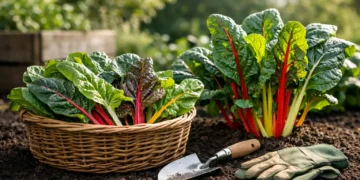
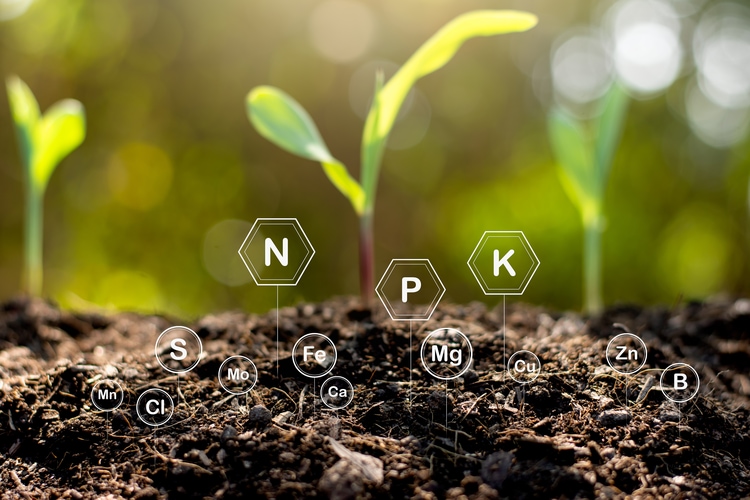
When it comes to the planet’s ecosystem, soil is often referred to as the earth’s skin, and is comprised of microorganisms, nutrients, and organic matter, all of which are integral to the health of plants.
Farmers and agriculturalists who are intent on maximizing yields know that understanding the soil is the prime mover.
A single failure in getting the formula right, would be disastrous.
Now, a good way of getting your head around what’s going on beneath the surface is to run a soil test. Well-known and time-tested methods are given detailed scrutiny in this article to bring to life.
This information can, and must be, used at the individual level of your own garden, to get a tailored soil-type best suited to planting of your choice.
Why is Soil Testing Important?
1. Nutrient Management
Soil testing is essential for determining the nutrient needs of crops.
Getting to know your soil is crucial, it’s basically the foundation of a bountiful harvest, when growing crops.
Well-known essential nutrients that are found in the soil are nitrogen, phosphorus, potassium, calcium, and magnesium.
A soil test can determine the exact levels of these nutrients in your soil, and when a farmer is armed with this information, they can apply fertilizers more accurately.
As a result, crop growth is maximised, waste is reduced and the risk of harmful runoff and environmental problems is avoided.
2. Soil pH Levels
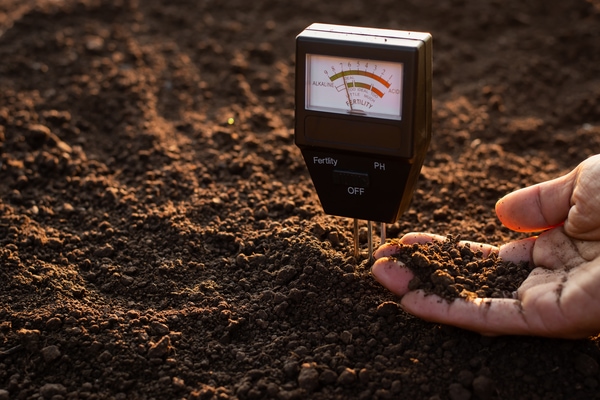
In the case of growing crops, the pH of the soil is really important, and most crops do best in slightly acidic to neutral soil, a pH between 6.0 and 7.0.
Coming from a soil test, we can figure out the current state of our soil’s pH and decide if we need to add lime to increase the pH or sulfur to decrease it.
Well-known is the fact that proper pH levels in the soil also create a haven for healthy microbial activity, and this can only add to the fertility of our soil.
3. Crop Selection
Farmers can rely on the results of a soil test to make informed decisions, when deciding on the right crops for their soil.
A soil test can expose specific nutrient deficiencies, and with these results in hand, farmers can select crops that can combat such issues.
Coming to mind is the example of leguminous crops, for instance, clover which is famous for enriching nitrogen-deficient soils over time.
4. Economic Efficiency
Investing in soil testing can lead to significant cost savings. Coming off the heels of a soil test, farmers can precisely apply the right fertilizers to their crops, avoiding the wasteful practice of over-fertilizing.
Well-known studies have demonstrated that targeted applications, grounded in the results of a soil test, can cause a massive boost in crop yields, and therefore, a rise in farm income.
5. Environmental Health
Proper soil management practices, informed by soil testing, reduce the risk of nutrient runoff into water bodies.
Excess nutrients can lead to eutrophication, harming aquatic ecosystems.
By testing soils, farmers can implement sustainable agricultural practices that protect natural resources while maintaining productivity.
What Are the Key Components of a Soil Test?
Soil tests evaluate several critical components, each of which provides valuable information for crop management:
1. Macronutrients
A macronutrient test is one of the most effective tools in the kit, when assessing the health of your soil.
It zeroes in on the three main nutrients that plants require in large quantities, Nitrogen (N), Phosphorus (P) and Potassium (K), along with the four secondary nutrients. Calcium (Ca), Magnesium (Mg), Sulfur (S), and understanding them gives you the know-how to make savvy decisions on fertilizers and crop management.
Nitrogen is the backbone of plant growth, leaf development, and chlorophyll production and plays a massive role in photosynthesis and general plant vitality, coming in two forms in the soil test, nitrate and ammonium. Because nitrogen is very mobile and prone to being washed away, regular tests are a must to prevent a deficiency. Low levels can turn leaves yellow and stunt growth, whereas too much of it will cause lush foliage and a delay in flowering.
Phosphorus is key to new root development, energy transmission, and flowering or fruiting, and is most important at the beginning of a plant’s life. A soil test looks at the availability of phosphorus in your soil, a factor that can be affected by the pH level of your soil. If the soil is too acidic or alkaline, the phosphorus is rendered less accessible to your plants. A test can show if you need to adjust the pH or add a phosphate-rich fertilizer.
Potassium is in charge of water movement, enzyme activation and resistance to stress, and gives a boost to plant stems, and general well-being. Your soil test will give you a reading of the level of potassium in your soil in either ppm or lbs/acre, telling you if you require a top-up.
Calcium, Magnesium, and Sulfur, the three secondary macronutrients, although needed in smaller quantities, are still crucial for a plant’s survival.
Calcium builds up the cell structure, Magnesium is the centre of chlorophyll and Sulfur builds proteins and enzymes.
2. Micronutrients
In relation to plant growth, macronutrients like nitrogen, phosphorus and potassium are considered the backbone, but micronutrients, although needed in much smaller amounts, play a huge part in plant health, productivity and the overall fertility of the soil.
Well-known micronutrient deficiencies can be picked up on by a simple soil test, and by understanding the main players in a micronutrient analysis, farmers can tackle problems that may be quietly crippling their crops before they affect the yield.
Iron is perhaps one of the most critical micronutrients in the list, as it’s necessary for the formation of chlorophyll and photosynthesis. Deficiency in iron causes the yellowing of the leaves, and a soil test will show if the available iron content in your soil is on the decline, which is more likely to happen in alkaline soils or in areas where phosphorus is in abundance.
Coming in close behind is manganese, which is basically responsible for enzyme activity, nitrogen metabolism and building chloroplasts. High levels of alkalinity in the soil can cause a decrease in manganese, but the symptoms are mottled yellowing of the leaves and lack of plant energy, and a micronutrient test will let you know if you need to add manganese to get your plants back on track.
Another serious condition is zinc deficiency, seen in stunted growth and deformed leaves, and is often caused by a low plant-available zinc level. A soil test allows us to correct this precisely by using zinc sulfate or chelated zinc.
Copper is an essential micronutrient that aids in enzyme function and reproductive growth, but a shortcoming in this area can result in wilting, poor flower formation, or dieback in woody plants, making it difficult to know if you have enough. Soil tests are therefore, highly beneficial for both total and available copper.
Lastly, there is Boron which is fundamental to the formation of cell walls, sugar transport and root growth, and deficiency can cause the brittle stems, empty fruit and low pollination. Boron is needed in minuscule amounts, and getting it right is key, excessive amounts can be toxic.
3. Soil pH
A pH test is one of the first and most critical steps, when checking the health of your soil.
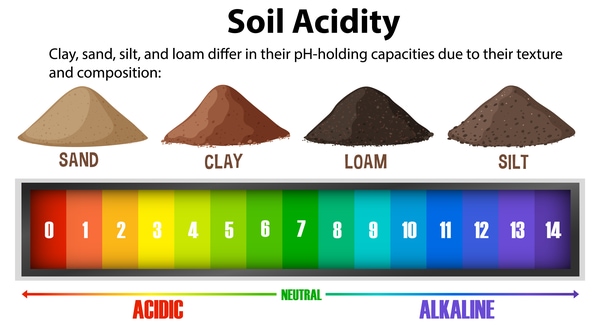
Coming in on a scale from 0 to 14, with 7 being neutral, this measure determines whether your soil is too acidic or alkaline. A slightly acidic to neutral range of 6.0 to 7.0 is what most garden and crop plants need.
The pH measurement itself, in fact, is about the concentration of hydrogen ions in the soil solution and how it impacts the availability of essential nutrients for plants, such as nitrogen, phosphorus, and potassium, just to name a few.
In the acidic soils that fall below 6.0, these vital nutrients tend to get scarcer, and aluminium levels rise whereas alkaline soils that are above 7.5 basically render micronutrients like iron and zinc unavailable.
PH tests don’t just measure the soil’s condition, they also recommend how to adjust the pH. If your soil is too acidic, lime can be added to raise it, but too alkaline and you can counteract that by adding sulphur or organic matter.
4. Organic Matter
Concerning healthy and productive soil, organic matter is the foundation.
It builds the soil’s structure, enhances nutrient availability, improves water retention, and supports the life of the microorganisms that call the soil home, all of which are reflected in a compost-based organic matter soil test.
The organic matter percentage of the soil is essentially measured as a fraction of the soil’s total weight, and for most of the time, it’s ideal for soils to have anywhere from 3 to 6% organic matter. Well-known, sandy soils tend to need a bit more of this organic matter to soak up the water, but clay soils could use it for giving them better aeration and drainage.
Carbon-to-nitrogen ratio is also something that some of these tests check, and it shows the balance between carbon that’s decomposable and nitrogen. Coming hotfooting off the scales, an ideal C:N ratio is somewhere around 10:1 to 12:1, and kickstarts healthy microbial activity, too much carbon slows the whole thing down and too much nitrogen just gets flushed out.
Advanced organic matter tests may also take a look at the level of microbial activity, and if that’s high, it’s a sign that your soil is teeming with life, and that nutrients and organic matter are being efficiently broken down, which is basically the key to sustainable soil fertility.
5. Soil Texture
Looking at the composition of a soil, one of the most important physical characteristics is its texture, which refers to the relative proportions of sand, silt and clay. Coming hotfooting back to a soil test can tell you the make-up of your soil, so you can sort out the right amount of watering, fertilising and ploughing to get the most out of your soil and your crops.
Well-known components of a soil texture test are the percentages of sand, silt and clay, each of which has its own characteristics. Sand, with its large particles, knocks out water and air beautifully, but silt has got medium-sized particles that will stick around and keep moisture and nutrients in place, and clay has teeny-tiny particles that soak up everything in sight, but won’t let go of it either, and aren’t very good at draining either.
By working out what proportion of these three components you have in your soil, we can slot it into one of three main categories.
Sandy loam, silty clay or loam according to the USDA soil texture triangle, and that tells us how the soil will behave. For example, sandy soils heat up quickly in the spring and dry out rapidly, but need lots of watering and feeding, whereas clay soils are basically nutrient-rich but can become compacted and slow to drain. Loamy soils, with a nice balance of all three, are usually the most productive.

Some soil texture tests also look at how well the soil particles stick together.
Its structure and this is pretty important too, ’cause good structure allows for air to circulate, water to seep in and roots to grow, but bad structure, caused by things like heavy machinery or too little organic matter, can knock back plant growth.
How to Conduct a Soil Test
1. Choosing a Testing Method
Options for soil testing include:
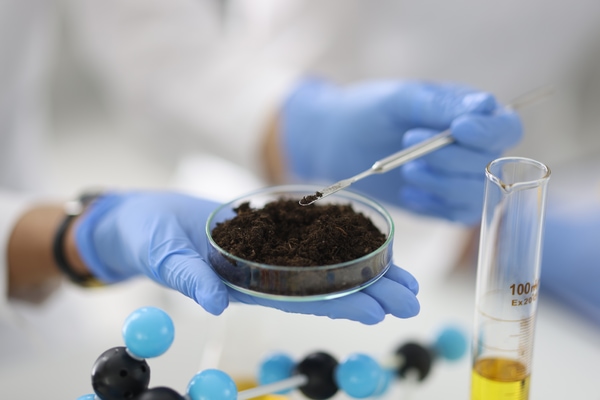
- Laboratory Testing: This involves collecting soil samples and sending them to a lab for a detailed analysis. It is considered the most accurate method.
- Home Testing Kits: These kits provide a simple way to test pH and some nutrient levels but might lack precision compared to lab tests.
2. Sampling Technique
- Collecting Samples: Use an auger or soil probe to collect samples from multiple locations in a field to ensure a representative test.
- Depth Matters: Typically, samples should be taken from the top 6-8 inches of soil, where most root activity occurs.
3. Timing
The best time to conduct soil testing is in the fall or early spring before planting. This allows time to amend the soil adequately based on the test results.
Common FAQs About Soil Testing
Q1: How often should I test my soil?
Soil testing frequency depends on several factors, including the type of crops being grown, past soil management practices, and the region. Generally, testing every three to five years is advisable for most agricultural operations.
Q2: Can I rely on visual inspection of the soil?
While visual inspections can offer basic insights into soil health (like color or texture), they are insufficient for assessing nutrient levels. Soil tests provide concrete data that can inform effective management decisions.
Q3: What if my test results show deficiencies?
If test results indicate nutrient deficiencies, consider using organic or synthetic fertilizers to correct them. Incorporating cover crops can also enhance soil nutrient content naturally, while crop rotation can help balance nutrient use.
Q4: How do I interpret test results?
Understanding soil test results can be daunting. Most laboratories provide recommendations on fertilizer application rates based on crop needs. Familiarity with local agronomy resources can also aid in interpreting results.
Q5: Can I conduct a soil test for organic farming?
Absolutely! Organic farming benefits significantly from soil testing. It helps determine nutrient requirements, allowing for the use of organic amendments, compost, and cover cropping practices.
Beyond Testing: Sustainable Soil Management Practices
1. Cover Cropping
Grow cover crops during off-seasons to enhance soil fertility, prevent erosion, and suppress weeds. They can fix nitrogen, improve soil structure, and contribute organic matter.
2. Crop Rotation
Rotating crops disrupts pest and disease cycles and enhances soil nutrient balance. Diversified cropping systems lead to improved soil health.
3. Reduced Tillage
Minimizing soil disturbance through reduced-tillage or no-till practices preserves soil structure, prevents erosion, and encourages microbial ecosystems.
4. Organic Amendments
Incorporating compost, manure, or other organic matter enhances soil fertility, improves water retention, and supports beneficial microorganisms.
Summary
Regarding healthy and sustainable agriculture, soil testing is one of the most valuable tools a farmer can have.
By checking the levels of nutrients, the acidity or alkalinity of the soil, its texture and organic matter content, farmers can tune in the production of their crops, save money, and also prevent the degradation of the environment.
In light of the threat posed by climate change and the growing global population, well-managed soil through regular testing and adding the right nutrients is now more important than ever.
Investing time and money in soil testing has two benefits, it gives you a better crop yield right now, and sets the stage for long-term soil health and productivity.
When you put soil testing top of your agenda, you’re virtually guaranteeing that your crops will be healthier, your yields will be more bountiful and your farm will be sustainable.