If you love houseplants but don’t love the constant watering schedules, complicated feeding routines or worrying about every yellowing leaf, then a learning to grow cacti could be just what your home needs.
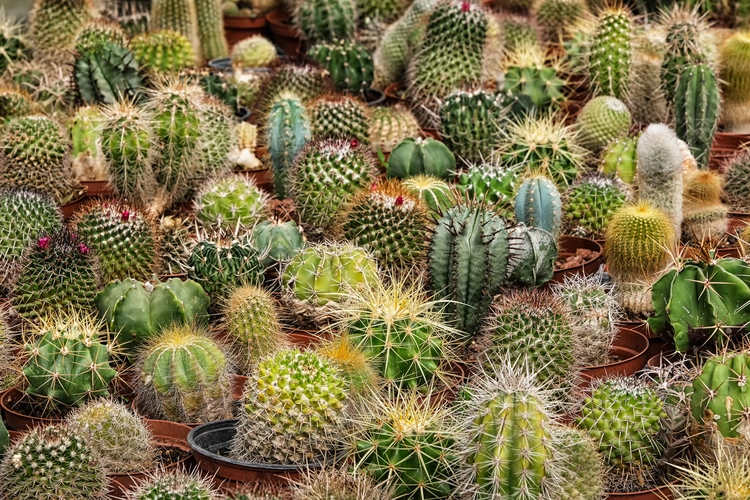
These intriguing plants have gained a reputation as some of the easiest plants to grow, but there’s more to cacti than mere survival. With their amazing range of shapes, textures, sizes and flowers, they can form a stunning living collection that adds personality and architectural beauty to any indoor or outdoor space.
The best bit? You don’t need a green thumb to build a fantastic collection of cacti. It only takes the right plants and a few basic principles.
Once you have those basics in place you can enjoy a thriving display that asks very little of you and provides year round interest.
Whether you’re just starting out or want to add to your one-cactus windowsill, this guide will help you build the ultimate low-maintenance cactus collection.
Why Cacti Are the Perfect Low-Maintenance Plants
Modern life is hectic. Many plant lovers want greenery in their homes. But they struggle to find time for demanding care routines. Cacti are uniquely suited to meet this challenge as they evolved to survive in some of the harshest environments on our planet.
Most cacti store water in their stems so that they can withstand long periods without rain. Their thick skins help retain moisture and their spines often provide shade and protection. Many cactus species can handle occasional neglect much better than traditional houseplants due to these natural adaptations.
Besides being tough, cacti have a number of benefits:
- Low water needs
- Slow growth, less need for repotting
- Long life spans
- Drought tolerance is great
- Distinctive sculptural look
- Wide variety of shapes and sizes.
- Few pest problems
Few groups of plants offer as much reward for so little effort as do the busy homeowner, the apartment dweller, the frequent traveler and the novice gardener.
1. Have a clear vision
Don’t rush out and buy every interesting cactus you see – take some time to think about the type of collection you want to create.
Some gardeners prefer a desert theme with classic barrel and columnar cacti. Some collect bizarre shapes or types with showy flowers. Perhaps you like tiny cacti that can sit nicely on shelves, or maybe larger statement plants that are a focal point in a room.
Some collection styles to look at are:
Minimalist Collection
Select 5-10 specimens, each with an individual shape and strong visual character. This provides a clean modern look and demands very little maintenance.
Miniature Collection
Small cacti are ideal for windowsills, desks and small homes. They give collectors more species to choose from without the need for lots of space.
The Flowering Collection
Many are surprised to learn that cacti are some of the showiest bloomers in the plant world. A flowering collection can deliver flashes of bright colour throughout the year.
The Architecture Collection
Indoors or out, tall columns, globes and dramatic silhouettes make a living sculpture garden.
A vision will prevent impulse buys and create a more cohesive and attractive display.
The Simplest Low-Maintenance Cacti for Beginners
Not all cacti are equally simple to take care of. Some species are more adaptable and forgiving than others.
Here are some of the best picks for a beginner friendly collection.
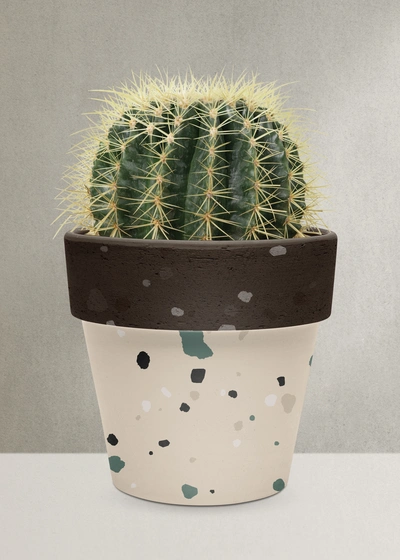
Golden Barrel Cactus
The golden barrel cactus is one of the most easily recognizable types of cactus. The perfect roundness and bright golden spines give it instant visual appeal.
Why it’s good:
- Very drought tolerant
- Slow-growing
- Very resilient
- Good looking all year round
It makes a beautiful centerpiece for a container or as a specimen on its own.
Bunny Ear Cactus
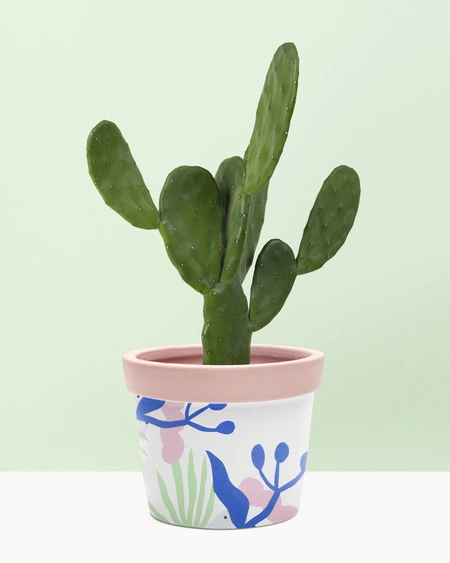
The bunny ears cactus is named for its pad-like segments, and it’s both charming and easy to grow.
Benefits are:
- Rapid Development
- Distinctive look
- Indoor adaptability
- Needs low maintenance
Handle with care, the little bristles can irritate skin.
Species of Mammillaria
Mammillarias are one of the easiest cacti to grow for beginners.
They typically have:
- Compact growth habit
- Pretty spine patterns
- Regularly flowering
- Very good drought tolerance
Many varieties bear rings of pink, white or yellow flowers around their crowns.
Star Cactus
The star cactus has a unique geometric look that makes it stand out in any collection.
Gardeners love it for:
- Mini Size
- Shape Irregular
- Little watering required
- Steady growth
Its striking symmetry makes it a favourite with collectors.
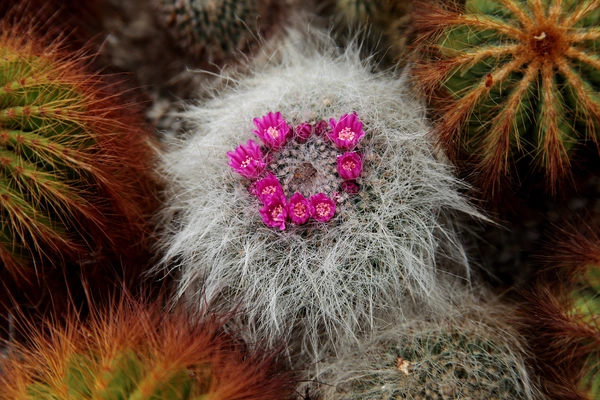
Old Lady Cactus
The old lady cactus is covered with soft white hairs which add texture and visual contrast to a display.
It thrives on:
- Bright light
- Rare waterings
- Well-drainedMinimal intervention
The fluffy appearance documents an interesting contrast to more heavily spined species.
Fairy Castle Cacti
This whimsical cactus resembles little castle towers.
Its benefits are:
- Easy to grow inside
- Unique form
- Low maintenance schedule
- Tolerates occasional neglect well.
It’s often the first cactus that new collectors fall in love with.
Selection of healthy cacti specimens
A successful collection starts at the garden centre or nursery.
When choosing cacti, look for plants that are:
- Hard to the touch
- No soft spots
- Uniformity of colour
- No pests were observed
- Upright growth
- No sign of rot
Steer clear of plants that look shrivelled, too stretched, mushy or discoloured.
If possible, buy from reputable specialist growers who will give you accurate plant identification and healthy stock.
Creating the Perfect Environment
Cacti are often easy to take care of. They tend to do well when left alone. But they need the right conditions from the start.
Sunlight First
Light is the most important part of cactus care.
Most cacti like:
Bright, indirect light
Multiple hours of direct sunlight daily
Indoor south-facing or west-facing windows
Etiolation is the condition of elongated, weak growth, often caused by lack of light. Once this happens, the plant seldom returns to its original shape.
Grow lights are a great solution when there is not much natural light.
Provide Good Drainage
Cacti hate wet roots much more than they hate dry soil.
Use containers with drainage holes and a cactus mix that drains well and sheds excess moisture quickly.
- What to look for in a good cactus soil:Coarse sand
- Perlite
- Pumice
- Grit
- Minimal organic material
Good drainage greatly reduces the risk of root rot.
Ensure Temperatures Are Correct
Most cacti like the same temperatures humans like.
In general terms:
Ideal for active growth 18-29 °C (65-85 °F)
Tolerates cold winter temperatures.
Many species need protection from frost
Indoor collections usually do well all year long with minimal changes.
The Biggest Secret: Less Water Than You Think
Much cactus trouble is caused not by neglect but by kindness.
New plant owners often assume all plants need to be watered on a regular basis. Cacti grew up in very different conditions.
Instead of rigid scheduling, check the soil before watering.
A good rule of thumb is:
Water well
Let the soil dry out completely
Water again when it is completely dry
This could mean, depending on conditions:
Every one to two weeks during summer
Winter: every 3-6 weeks
If you are unsure, wait a few more days.
A slightly thirsty cactus usually bounces back quickly. Often a cactus with root rot won’t.
Feeding Your Cacti Collection
One of the joys of cactus collecting is how little feeding is needed.
You can use a diluted cactus fertilizer in spring and summer to encourage healthy growth and flowering.
In general:
Feed every 4 to 6 weeks during active growth period
Don’t feed in winter
Follow the label directions carefully
Avoid overfertilizing, which can cause weak unnatural growth.
Create a Beautiful Display
Collecting a collection is more than simply keeping plants alive. A well organized display can make a collection of cacti into a design element.
Merge Shapes and Heights
Combining various growth forms creates visual interest.
Or try pairing:
Tall, columnar cacti
Barrel cacti, rounded
Species that clump .
Flat-padded kinds
The forms in contrast make for a dynamic show.
Use Coordinated Containers
Matching or complementary pots unify a collection.
Some of the most popular are:
- Terracotta
- Concrete
- Ceramic
- Stone-effect containers
Neutral tones often put the plants themselves in the spotlight.
Create Layers Visually
Place taller plants in the back, with smaller specimens up front.
This tiered approach:
Enhances visibility
Improves aesthetics
Simplifies the maintenance
A carefully curated collection, however small, looks more professional.
Add some Textures
Texture is one of the great strengths of cacti.
Look for species that have:
Dense, white hair
Long spines
Spines curled
Ribbed Stalks
Odd patterns
The contrasting combo of textures makes for an interesting display which pays dividends on close inspection.
Indoor vs. Outdoor Collections
Whether to grow cacti indoors or outdoors is a question a lot of gardeners ask.
A lot depends on the climate.
Interior Cacti Collections
Collections for indoors include:
Improved temperature control
Protection against excessive rainfall
Easier to care for
Display opportunities all year round
Indoor growing is the easiest option for most collectors.
Outdoor Cacti Collections
In warmer climates, outdoor cactus gardens can be spectacular.
Outdoor collections benefit from:
Sunlight bright—
Improved airflow
Natural cycles and seasons
But an excess of rain and cold temperatures can be a problem.
When growing outdoors, always think about the local climate and the needs of individual species.
Encouraging Flowers
Watching the flowers is one of the best parts of collecting cacti.
Many species will flower readily if given:
Enough of the sun
Right amount of water
Seasonal temperature differences
fully matured
Some favourite flowering plants are:
Species of Mammillaria.
Easter cactus
Christmas cactus,
Rebutia sp.
Species of Echinopsis
Patience is a virtue. Some cacti only bloom when they are a certain age or size.
If it flowers, the display can be spectacular.
Common Cacti problems, easy solutions
Sometimes even low maintenance plants develop problems.
Most cactus problems are fortunately easy to diagnose.
Yellowing
Possible reasons:
Overwatering
Poor drainage
Too much shade
Check your watering routine and the lighting conditions.
Growth Stretching
Typically caused by insufficient light.
Relocate the plant to a brighter location or add supplemental lighting.
Soft or Mushy Spots
Often this means decay.
Take action now by:
Removing affected areas
More drainage.
Decrease watering frequency
Pest Infestations
Cacti, although not very common, may occasionally attract:
Mealybug
Scale insects
Spider mite
Early treatment usually prevents major damage.
Expanding Your Cacti Collection Wisely
Many collectors soon come to realize that cacti are addictive.
Don’t buy every plant you see. Grow smart.
Ask yourself:
Is it a new form of this species?
Does it have a different texture?
Does it flower any different?
Does it match the existing plants?
Thoughtful additions keep things curated without feeling overcrowded.
As your collection expands, it is also helpful to keep track of plant names and care preferences.
The Joy of Long Term Collecting
Patience is rewarded with cacti, unlike many fast growing houseplants.
What seems a small specimen now may be a prized centerpiece years later. Some cacti live long lives, gaining character and beauty with age.
The collector often develops a close relationship with his plants. There are few other gardening experiences that can match the satisfaction of watching a cactus mature, develop offsets, or bloom for the first time.
Growth is slow and so it’s better to appreciate it than keep interfering. Cacti are, in many ways, teachers of observation and restraint for gardeners.
FAQs
1. Are cacti really easy to take care of?
“Yeah. Cacti are the easiest plants to grow . They hold water in their stems and can go for long periods without care .
Most species require full sun, well drained soil, infrequent watering, making them ideal for busy gardeners and beginners.
2. How often do I need to water my cacti?
There is no set schedule. Water well when soil feels dry to touch and allow to dry out before watering again.
This can mean watering every 1-2 weeks during summer and every 3-6 weeks during winter depending on temperature, light and humidity.
3. Which cacti are best for beginners?
Some of the easiest and most reliable cacti for new collectors are:
Golden Barrel Cactus
Bunny Ear Cactus
Mammillaria sp.
Fairy Castle Cactus
Star Cactus
Old Lady Cactus
They are usually easy going and low maintenance types.
4. Do cacti need direct sun?
Most cacti grow best in bright light and prefer direct sun for several hours a day. An indoor south- or west-facing window is often perfect.
However, new plants should be gradually acclimated to intense sunlight to prevent sunburn.
5. Can I have an indoor cactus collection?
Yes, I am. Many cacti are excellent houseplants. They can grow successfully indoors for many years as long as they have enough light and are planted in well-draining soil.
6. What kind of soil should I use?
Use a cactus or succulent potting mix that allows for excellent drainage.
Also to improve drainage add:
Perlite
Pumice is a type of rock.
Coarse sand
Horticultural grit.
Avoid heavy garden soil that holds too much moisture.
7. Why has my cactus turned yellow?
Discoloration can be caused by a number of things including:
Too much water
Drainage is bad
Not enough sunlight
Stress due to rapid environmental change
Look at the roots and growing conditions to determine the cause.
8. How can I tell that I am over watering my cactus?
The most common symptoms of overwatering are:
Mushy or soft stems
Yellowing of tissue
Black spots
Root rot
A smell coming from the earth
Overwatering is one of the most common reasons for cactus failure.
9. Do cacti require fertilizer?
Cacti require very little food. In spring and summer feed every four to six weeks with a diluted cactus fertilizer. Do not fertilize in winter, most species are resting.
10. How do I set up a visually pleasing cactus collection?
Mix to create interest:
Plants in tall and short size
Different shapes and textures.
Different spine colors and patterns.
Matching pots and containers
Usually the most attractive display is obtained by grouping plants of contrasting forms.
11. Can I plant different kinds of cactus together?
Yes as long as they have similar care needs. Species that do well in similar light, watering and temperature conditions can often be grouped together nicely.
12. How fast do cacti grow?
Most cacti are slow growing. Some grow a few centimetres each year, others increase rapidly under ideal conditions. One reason they take so little care is that they grow so slowly.
13. Do cacti have flowers?
Yes. Many cacti produce beautiful flowers when they are mature and given proper treatment.
Generally, flowering is promoted by:
Lots of sunshine
Water properly
Seasonal temperature variations
Adequate maturity of plants
Some cactus flowers rank among the most spectacular blooms in the plant world.
14. How can I avoid getting cactus spines on me?
Always handle Cacti with care and use:
Gardening gloves, thick
Paper folding
Tongs Foam Padding
Some species have tiny, hair-like spines that can be difficult to remove from the skin and so care should be taken.
15. How can I grow my cactus collection without breaking the bank?
Many cacti produce offsets, or “pups,” which can be removed and grown into new plants.
You also can:
Propagate suitable species by cuttings
Trade plants with other collectors
Attend plant sales and garden society meetings.
Buy small specimens and grow on.
It is often cheaper and more satisfying to build up a collection slowly instead of buying large mature specimens.
Last Tip
The secret to a successful cactus collection is simple, give them lots of light, excellent drainage, and less water than you think they need. With those basics in place, your collection will flourish for years to come with little maintenance.
Summary
Creating the perfect low maintenance cactus collection can be one of the most fun ways to add greenery to your home or garden. These remarkable plants offer resilience, beauty and diversity in an unexpectedly low-maintenance package.
Choose easy growing species, provide plenty of light, plant them in fast draining soil and don’t over water them and you will have a beautiful collection year round.
Try a small project on your windowsill, or go all out and build an indoor desert garden or a collection of unusual finds. Cacti provide unlimited possibilities for fun and creativity. Choose a few good plants with simple requirements and let the collection develop naturally over time.
You might be surprised how quickly these low maintenance wonders become some of the most interesting plants in your entire garden.