A basil plant can look perfectly healthy at breakfast and turn floppy by dinner after one hot, dry afternoon. That is not a sign that you have a black thumb.
Basil is a warm-season herb with a big appetite for sun, moisture, and regular picking.
Once you learn how to grow basil around those needs, even a small patio pot can supply fresh leaves for salads, pasta, sandwiches, and summer cooking.
Start With Sun, Warm Soil, and the Right Spot
Basil comes from warm climates, so it resents cold soil and chilly nights.
Plant it outdoors only after frost danger has passed and nighttime temperatures are consistently above 50°F.
It grows best when daytime temperatures are between 70°F and 90°F, which makes it one of the happiest plants in a summer vegetable garden.
Choose a site with at least six hours of direct sun.
Eight hours is even better in most regions, although gardeners in the hottest parts of the Southwest may get fuller, less-stressed plants by providing light afternoon shade.
A location that gets morning sun and protection from harsh late-day heat can be a smart compromise.
Basil also needs soil that drains well but does not dry out instantly.
Work compost into a garden bed before planting to improve both moisture retention and fertility.
For containers, use a quality potting mix rather than soil dug from the yard.
Garden soil becomes dense in pots, leaving roots short on oxygen and more vulnerable to rot.
Choose a Basil Type You Will Actually Use
Sweet basil is the familiar choice for pesto and Italian cooking, but there is plenty of room to experiment.
Genovese basil has large, aromatic leaves and is a classic kitchen favorite. Thai basil brings a spicy, anise-like flavor and holds up beautifully in stir-fries. Lemon basil adds a bright citrus note to fish, dressings, and iced drinks.
If your biggest problem is downy mildew, consider a resistant variety such as Prospera, Amazel, or Rutgers Devotion.
Resistance does not mean a plant can never get sick, but it gives you better odds during humid weather.
Compact types, including Greek basil and many globe basils, are especially useful for window boxes and small containers.
How to Grow Basil From Seed or Transplants
For the quickest harvest, buy healthy transplants after the weather warms. Look for plants with rich green leaves, sturdy stems, and no yellowing or spotted foliage. A small plant is often a better purchase than a large, crowded one that has been sitting too long in a nursery pot.
Plant basil 12 to 18 inches apart in the ground, depending on the mature size listed on the tag. Good spacing matters because airflow helps leaves dry after rain or watering. In square-foot gardens, one basil plant per square is usually plenty for standard sweet basil.
You can also grow basil from seed, which is economical when you want several plants or unusual varieties.
Sow seeds outdoors after the soil has warmed, covering them with about 1/4 inch of soil.
Keep the surface consistently moist until seedlings emerge, usually within five to 10 days in warm conditions.
Thin seedlings so the remaining plants have room to branch.
For an earlier start, sow seeds indoors about six weeks before your last expected spring frost.
Use a seed-starting mix, provide bright light, and wait to move plants outdoors until the weather is reliably warm.
Harden seedlings off over about a week by gradually increasing their time outside. Skipping this transition can leave tender leaves sunburned or stressed.
Container Basil Needs a Little More Attention
A pot of basil near the kitchen door is one of gardening’s simplest upgrades. You are more likely to snip it for dinner, and regular harvesting keeps the plant productive.
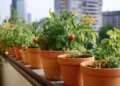
Choose a container at least 10 to 12 inches wide for one standard basil plant, with drainage holes at the bottom. Larger containers hold moisture longer and make summer care easier.
Terra-cotta pots look lovely, but they dry out fast in hot, breezy weather. Plastic, glazed ceramic, or self-watering containers are often more forgiving for busy gardeners. If you use terra-cotta, expect to check soil moisture more often.
Indoor basil can work, but a bright windowsill is not always enough. Basil wants strong light for much of the day.
A south-facing window is the best option, while a simple grow light can make the difference between lanky stems and a dense, harvestable plant. Keep indoor plants away from cold glass and air-conditioning vents.
Water Deeply, Then Check Before Watering Again
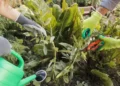
Basil likes evenly moist soil, not soggy roots. Water at the base of the plant when the top inch of soil feels dry.
Give garden plants a thorough soaking instead of a shallow daily sprinkle, which encourages deeper roots.
Container plants may need water every day during a heat wave, especially if they are in full sun.
Wilting does not always mean a plant needs more water. Basil can droop temporarily during intense afternoon heat even when soil is still moist.
Check the soil before reaching for the hose. If it is damp an inch below the surface, wait until evening or the next morning and see whether the plant recovers.
Try to keep water off the leaves, particularly in humid climates. Wet foliage and crowded plants create favorable conditions for fungal diseases.
A layer of light mulch around garden basil can help conserve moisture and keep soil from splashing onto the leaves during rain.
Pinch Early for a Bushier Plant
The secret to a generous basil harvest is not simply letting the plant get taller.
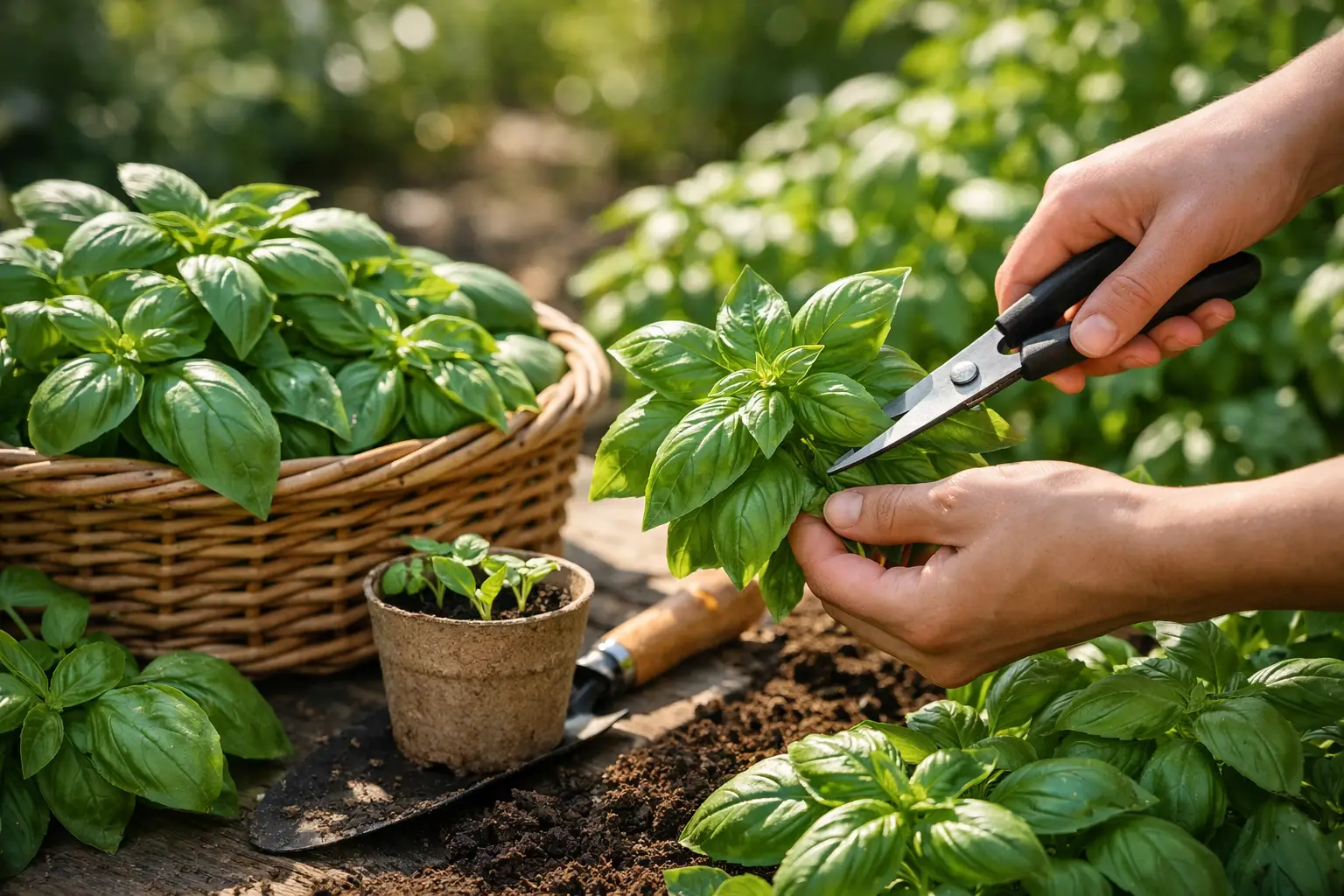
Start pinching when it has several sets of true leaves and is about 6 to 8 inches tall.
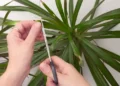
Cut or pinch the stem just above a pair of leaves.
Two new side shoots will form below that cut, creating a bushier plant with more places to harvest later.
Keep removing flower buds as they appear.
Once basil begins flowering, it shifts energy toward seed production, and the leaves can become less tender and flavorful.
Flowers are edible and attractive to pollinators, so it is fine to let one plant bloom if you want beneficial insects in the garden. Just reserve your main culinary plants for leaf production.
When harvesting, take individual leaves for a small meal or cut whole stem tips for a bigger batch. Never strip a young plant bare.
Leave at least two-thirds of its foliage in place so it can keep growing strongly. Frequent light harvests are better than one dramatic haircut.
Feed Gently and Watch for Common Problems
Basil is not a heavy feeder. Compost mixed into the bed may be enough for the season.
In containers, nutrients wash out more quickly, so apply a diluted balanced liquid fertilizer about once a month if growth slows or leaves look pale. Too much nitrogen can create lots of soft green growth with less concentrated flavor, so more fertilizer is not always better.
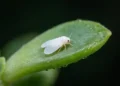
Aphids, Japanese beetles, slugs, and spider mites may occasionally visit basil. Inspect leaves, including their undersides, when you water. A strong spray of water can dislodge aphids, while hand-picking beetles early in the morning is surprisingly effective.
For slugs, remove hiding spots such as boards and dense weeds, and water in the morning so the soil surface is less inviting overnight.
The most frustrating basil disease is downy mildew. It often begins with yellow patches on the top of leaves and fuzzy gray-purple growth underneath. Remove affected plants promptly rather than composting them at home.
Give future plantings more space, water at soil level, and try resistant varieties. In humid areas, succession planting every few weeks can also help you maintain a supply if one planting struggles.
Keep the Harvest Going Until Cold Weather
Basil is easily damaged by temperatures below 40°F and blackened by frost. As summer begins to fade, harvest generously before a cold night arrives.
Fresh basil does not keep well in the refrigerator, where leaves can darken, but you can preserve the flavor by blending leaves with a little olive oil and freezing the mixture in small portions.
You can also freeze whole clean, dry leaves in an airtight container.
A thriving basil plant is more than a useful ingredient. It is a small, fragrant reminder that a sunny corner, a little water, and a few thoughtful snips can turn an ordinary meal into something grown at home.