Learn how simple and satisfying it is to grow your own tasty sweet potatoes right at home!
If you’ve ever wondered about to growing sweet potatoes in your own backyard, this guide will walk you through everything you need to know from selecting the right planting material to harvesting and storing your crop.
Sweet potatoes are one of the most rewarding crops a gardener can grow.
They’re productive and nutritious, they look pretty in the garden, and they’re surprisingly easy to grow, once you know their basic needs.
Unlike ordinary potatoes, sweet potatoes thrive in warm weather and form sweet, colourful tubers that can be roasted, mashed, baked or made into everything from fries to pies.
Sweet potatoes are a great option for beginner gardeners to try their hand at growing root vegetables. They are relatively low maintenance, can survive dry periods once established and often produce impressive amounts of food from small areas.
What is a sweet potato?
Despite their name, sweet potatoes aren’t closely related to normal potatoes. Regular potatoes are part of the nightshade family while sweet potatoes are in the morning glory family.
Sweet potatoes are grown on creeping vine-like plants that grow along the ground and produce edible storage roots under the soil. These roots come in a variety of colours including orange, white, purple and even red skinned varieties.
Sweet potatoes are loaded with nutrients such as:
- Vitamin A
- Vitamin C
- Potassium
- Fibre
- Antioxidants
They are also incredibly versatile in the kitchen and a favourite among home gardeners and cooks alike.
Why Grow Sweet Potato?
There are many reasons to add sweet potatoes to your vegetable garden.
High returns
A few plants can produce a surprisingly large harvest. Under good growing conditions each plant can produce several large tubers.
Plants that are attractive
The trailing vines provide lush ground cover that looks good in vegetable beds and ornamental gardens alike.
Easy to maintain
Once established, sweet potatoes need relatively little attention compared to many vegetable crops.
Excellent Shelf Life
Cured properly, sweet potatoes can be stored for months and give you homegrown produce long after the growing season.
Healthy & Delicious
Sweet potatoes are among the healthiest vegetables you can grow, and they are used in countless recipes.
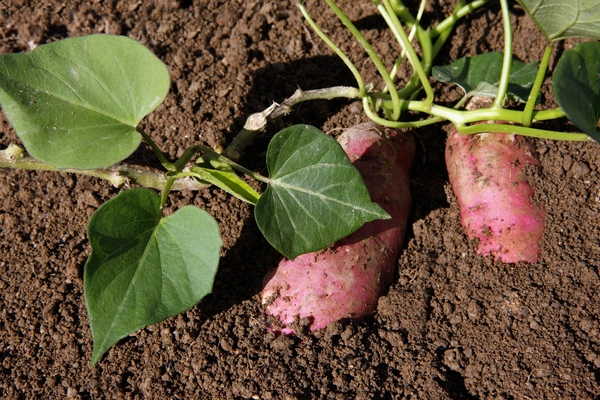
What is a sweet potato slip?
One of the main differences between growing sweet potatoes and regular potatoes is how they are planted.
Sweet potatoes are propagated from “slips,” while regular potatoes are propagated from seed potatoes.
A slip is a young shoot that grows from the mature sweet potato. These are taken off and used for the planting of new sweet potato plants.
When buying planting material, you’ll typically find:
Sweet potato sprouts.
Sweet potato plants in pots
Sometimes seed sweet potatoes for the production of slips.
For beginners, the easiest option is usually to buy ready-made slips from a garden centre or specialist supplier.
Select the correct variety of sweet potato to grow
If you’ve ever stood in front of a seed catalogue or searched online for sweet potato slips, you’ll quickly find something surprising: not all sweet potatoes are created equal.
Most gardeners will be familiar with the orange-fleshed sweet potatoes available in supermarkets, but there is far more to sweet potatoes than most people realise.
There are varieties with white flesh, purple flesh, copper coloured skins, cream skins, compact vines, vigorous vines, sweet flavours, nutty flavours and everything in between.
This is great news for the home gardener. This means you can pick a variety that will suit your climate, your available space, and even your favourite recipes.
Here are some of the most popular and reliable varieties to consider if you plan on growing sweet potatoes this season.
1. Beauregard – The Novice’s Choice
If there was an award for the most dependable sweet potato variety, Beauregard would probably win the trophy.
For many gardeners, Beauregard is the variety that started them growing sweet potatoes. It is known for its reliability, productivity and relative ease of growth.
The tubers are good looking with their reddish skins and deep orange flesh. They develop a rich sweetness when cooked and work beautifully in baked dishes, soups, fries and casseroles.
Gardeners like Beauregard especially because it:
Delivers consistently well
Good storage life post-harvest
Excellent taste
Relatively quick to mature
If you’re new to growing sweet potatoes, Beauregard is a great variety to start with.
2. Covington – The Complete Player
Covington has become more popular with home growers in the last decade, and it’s easy to see why.
They produce smooth, even tubers with bright orange flesh and a lovely sweet flavor. Many gardeners find Covington easier to work with in the kitchen because of its uniform shape.
What is Covington famous for?
Excellent eating quality
Cool tubers
Secure harvests
Disease resistance good
This is a superb choice of sweet potato that will perform well in the garden and at the dinner table.
3. Georgia Jet – Ideal for Shorter Summers
One of the biggest challenges for gardeners in cooler climates is finding sweet potato varieties that grow fast enough to mature before autumn arrives.
And that’s where Georgia Jet excels.
This variety was developed to yield a crop in a shorter growing season than many traditional sweet potatoes. This has made it a favourite with gardeners in the northern regions.
Benefits include:
Early maturing
Good size tubers
Good results
Sweet taste
If your summers are relatively short, then Georgia Jet may give you the best chance of harvesting a successful crop.
4. Bonita – The Creamy White Beauty
Orange-fleshed sweet potatoes get all the press, but the white-fleshed varieties deserve a shout-out too.
One of the best-known examples is Bonita.
It has pale skin and creamy white flesh and a milder flavour than the traditional orange varieties. Many gardeners describe the taste as a little nutty and less sweet.
Bonita is useful for, especially:
Baking Sautéing
Meaty dishes
Other potato options
If you like sweet potatoes but want a less sweet flavor, Bonita could be a garden favorite.
5. Murasaki – The Purple-Skinned Revelation
Murasaki is an interesting variety that often catches gardeners by surprise.
Its skin is a deep purple, but the flesh inside is a creamy white.
This variety was originally developed from Japanese sweet potato lines. Murasaki has a drier texture than many orange varieties and a rich, slightly chestnut-like flavour.
Many people love it because it:
Maintains shape well during cooking
Has a unique taste
Grows nice looking tubers
Works great in multiple recipes
It’s particularly good for roasting and baking.
6. Okinawan – A Sprinkle of Purple
If you want something special, you can’t go wrong with Okinawan sweet potatoes.
These varieties have pale skin, but the vivid purple flesh remains colourful after cooking.
Anthocyanins are antioxidants that give blueberries and blackberries their rich colour.
Okinawan sweet potatoes are known to:
Look very pretty
Close texture
Slight sweetness
High nutritional value
They are a great talking point at the dinner table and provide dramatic colour to a vegetable patch.
7. Jewel – A Dependable Classic
Home gardeners have been growing Jewel for many years, and it is still popular.
The flesh is orange, moist and sweet. The plants are vigorous, and will produce generous harvests under good conditions.
Many gardeners choose Jewel because it provides:
Reliable Returns
Good storageability
Beautiful roots.
Great baking performance
If you’re a fan of traditional baked sweet potatoes, Jewel is definitely worth a look.
8. Vardaman – Best for Small Gardens
Not everyone has space for sprawling sweet potato vines.
Vardaman may be the answer if space is limited.
Vardaman is smaller than many sweet potatoes that send vine runners over the garden.
This makes it especially useful for:
Raised bed
Little gardens
Patio Gardening
Big containers
The flesh is sweet, tasty, a gorgeous golden-orange and the compact plants are much easier to handle.
What Type Should Newbies Go For?
So many choices, so many options It can be dizzying.
The easiest way to start for most beginner gardeners is with one of the proven performers.
Some great beginner-friendly options:
- Beauregard
- Covington
- Georgia Jet
- Jewel
These varieties are noted for their reliability, flavour, productivity and availability.
Once you have some experience you can branch out into white-fleshed, purple-fleshed or more unusual heirloom varieties.
Why grow more than one type?
One variety is how most gardeners start, but soon find the pleasure of growing just a few.
Varieties generally tend to:
Maturate at different times
Have a variety of flavors
Produce different colors
Different Storage conditions
Behave differently in local conditions
Planting two or three kinds allows you to compare them side by side and figure out which is best for your garden.
You may find a certain type is your favorite for baking and another is ideal for roasting or making fries.
—
One of the most fun parts of growing sweet potatoes is to find out the amazing variety of types available to home gardeners. From the dependable Beauregard and Covington to the colorful Okinawan and the diminutive Vardaman, there’s a sweet potato for nearly every garden and every palate.
If you’re new to sweet potatoes, start with a tried-and-tested variety and build up your confidence. You’ll probably want to try something else next year after your first successful crop.
After all, gardening is more than just growing food. It’s about discovering new flavours, trying new varieties and finding the plants that grow best in your own patch of soil.
there are a whole world of delicious possibilities to grow when it comes to sweet potatoes.
Sweet Potato Planting Time
Sweet potatoes love warm weather.
Unlike many vegetables that can withstand cool temperatures, sweet potatoes need warm soil and consistent heat to flourish.
Do not set out slips until:
All danger of frost is over
Soils have gotten warmer
Nighttime lows are still consistently warm
That means planting in late spring or early summer in lots of places.
If you plant too early the plants often grow slowly and produce a poor harvest.
Sweet potatoes are worth the wait.
Choosing Your Growing Location
Location is a big factor in the success of sweet potatoes.
Full Sun Is Critical
Sweet potatoes do best with at least six to eight hours of direct sunlight each day.
More sunlight usually means:
More robust growth
More developed tuber
Increased yields
Try to avoid areas that are heavily shaded.
Good Weather
Pick the sunniest, warmest part of your garden.
In general the best aspect is a south-facing one, as it will receive the most sun during the day.
Proper Air Circulation
Good air flow helps to keep plants healthy and can reduce disease problems.
Preparing Soil
Sweet potatoes develop storage roots underground, so preparing the soil is very important.
Loose soil produces better tubers.
Light, loose soil makes it easier for roots to grow.
Heavy clay may lead to:
Tubers, deformed
Smaller yields
Bad drainage
If your soil is heavy, amend with:
Composting
Well decayed organic matter
Leaf mold
Avoid Excessive Nitrogen
Nitrogen encourages leaf growth, but too much nitrogen can reduce the number of tubers produced.
Aim for balanced fertility, not over fertilization.
Provide Good Drainage
Sweet potatoes don’t like wet soil.
Raised beds often provide excellent growing conditions; they warm up quickly and drain well.
Sweet Potato Slip Planting Instructions
Planting slips is simple.
Step 1: Water the Slips
If the slips are dry or stressed, water them before planting.
Step 2: Space Correctly
Allow about:
12-18” between plants
3-4 feet between rows
There’s plenty of room for the spreading vines.
Step 3: Plant Deep
Bury the lower part of the slip and leave the top leaves above ground.
The underground stem will grow roots.
Step 4: Water Well
Water right after planting to help the roots get established.
Keep the soil moist during the first few weeks.
How to Grow Sweet Potatoes in Containers
Don’t have a big garden?
No prob.
Sweet potatoes can be grown in containers if there is enough room.
Select containers that are:
- Large
- Deep
- Well-drained
The container should be at least 15 to 20 gallons in soil capacity.
Use a good quality potting mix with compost added and place in a sunny position.
Container grown sweet potatoes will often yield slightly smaller harvests, but can still be very productive.
Sweet Potatoes Irrigation
Watering needs change during the season.
During Establishment
Newly planted slips need regular watering while roots are developing.
Water soil evenly, but do not overwater.
In Growth Mode
Sweet potatoes are quite drought tolerant once established.
Water deeply rather than frequently.
Deep watering promotes stronger root systems and healthier plants.
Nearing Harvest Time
Reduce watering slightly in the approach to harvest.
This may improve storage quality and reduce the risk of splitting .
Mulching To Success
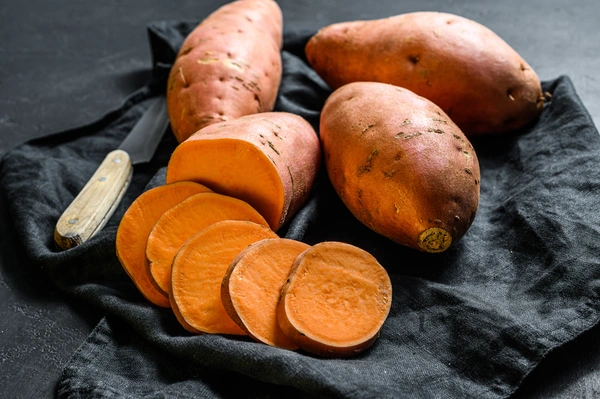
Mulch has several important advantages.
Organic Mulch Delivers:
Locked in moisture
Weed control
Moderate Soil Temperature:
Increase soil health over time
Good mulching materials include:
- Straw
- Shredded leaves
- Compost
- Grass clippings
Apply mulch after soil warms in late spring.
Sweet Potato Plants Feeding
Sweet potatoes don’t require heavy feeding.
Too much fertilizer generally leads to lots of vine growth but a bad crop.
If you added compost to your soil prior to planting, you may need to do very little extra feeding.
If needed, apply a balanced fertiliser sparingly during the growing season.
Steer clear of products with too high nitrogen.
Weed Management
Weed control helps young sweet potato vines during the early part of their growth.
Fortunately as the vines start to spread they naturally shade the soil and suppress many weeds.
For the first few weeks, routine hand weeding is usually sufficient.
Once the canopy is formed, maintenance is much easier.
Common Sweet Potatoes Problems and Pests
Sweet potatoes are normally hard, but occasionally there are problems.
Snails and Slugs
Young slips can be damaged by slugs and snails.
Methods of control include:
- Hand-picking
- Barriers
- Wildlife-friendly slug management
These soil-dwelling pests may occasionally injure tubers.
Good rotation of crops can help to avoid problems.
Sweet Potato Weevils
In some areas these may be quite a nuisance.
Good sanitation and healthy plants will reduce the risk.
Rodents
Mice and voles sometimes eat developing tubers.
If rodent populations are high, watch for garden activity.
Common Diseases
Sweet potatoes grown under proper conditions have a relatively small number of disease problems.
Possible problems include:
Root Rot
Typically caused by poor drainage.
Prevention includes:
Soil – Well drained
Preventing Overwatering
Correct site selection
Fungal Diseases
Good air movement and healthy growing conditions will help reduce disease pressure.
Don’t overcrowd plants.
How Long Does it Take to Grow Sweet Potatoes?
Be patient.
Sweet potatoes usually take 90 to 120 days to reach maturity, depending on the type and conditions of growth.
Some styles may take even longer.
Signs that the harvest is coming soon include:
- Yellowing foliage
- Cooling autumn temperatures
- Reaching the expected maturity date for your variety
How to Harvest Sweet Potatoes
Harvest time is one of the most exciting times of growing sweet potatoes.
Unlike most vegetables, part of the crop is hidden until harvest day.
Timing is Everything
Harvest before the first hard freeze.
Cold storage can degrade tubers and lower storage quality.
Digging Deep
Use a garden fork to loosen the soil around the plant.
Work gently so as not to damage the tubers.
Sweet potato skins are easily bruised when freshly dug.
Handle with Care
When harvesting tubers do not throw, drop or scrape them.
Slight damage reduces shelf life.
The Worth of Curing
Many new people don’t realize how much better freshly dug sweet potatoes get after curing.
Curing allows for:
Little wounds to heal
Flavour to grow
Increase sugar content
Increased storage life
Place harvested sweet potatoes in a warm, humid place for about 1 to 2 weeks.
The ideal curing conditions are:
Hot temperatures
Good ventilation
Humidity 60%
Curing sweet potatoes produces a sweeter, more flavourful taste.
Storing Sweet Potatoes
Sweet potatoes cured will keep for months.
Store in a cool, dry place with good ventilation.
Refrigeration can adversely affect flavour and texture. It should be avoided.
Good storage conditions are:
- Moderate temperatures
- Dry surroundings
- Darkness
- Ventilation
Check periodically and remove any tubers that show signs of spoilage.
Preserving Sweet Potatoes for the Future
One of the pleasures of gardening is to get more self-sufficient.
Save some of your harvest to make next year’s cuttings.
Select healthy, disease-free sweet potatoes and store them carefully over the winter.
Spring: Place in a warm environment to encourage sprouting.
These resulting slips can be pulled up and replanted for a new crop.
Growing Sweet Potatoes for the Beginner
Keep these key tips in mind to maximise your chances of success:
Only plant when the soil has warmed up.
Go to the sunniest spot you have.
Heavy soils need organic matter.
Don’t give too much fertilizer.
Water regularly until they are established.
Mulch to hold in moisture.
Harvest prior to frost.
Cure tubers before storing.
These small practices can make a big difference.
Frequently asked questions FAQs
1. Can I Grow Sweet Potatoes From Sweet Potatoes Bought In The Store?
Yes, sometimes. But commercially available sweet potatoes may be treated to prevent sprouting, or may be diseased.
Certified planting stock is usually the safer choice.
2. Do Sweet Potatoes Need Pollination?
Sweet potatoes do not require pollination.
Edible tubers grow underground irrespective of pollination of the flowers.
3. Can you grow sweet potatoes in a cooler climate?
Yes, if you choose the right varieties and you have a long enough growing season.
Short-season types usually do best in cooler areas.
4. How Many Sweet Potatoes Can You Expect From One Plant?
Yields vary but good conditions can often yield several pounds of sweet potatoes from a healthy plant.
Top 5 Best Sweet Potato Recipes
Delicious ways to enjoy your homegrown harvest
After months of nurturing sweet potato plants and eagerly waiting for harvest time, there’s nothing more rewarding than bringing those beautiful tubers into the kitchen. Sweet potatoes are incredibly versatile, working just as well in savoury dishes as they do in sweet treats. Their naturally creamy texture and rich flavour make them a favourite ingredient for home cooks around the world.
If you’ve recently harvested sweet potatoes from your garden—or simply picked up a few from the market—these five recipes are guaranteed to help you make the most of them.
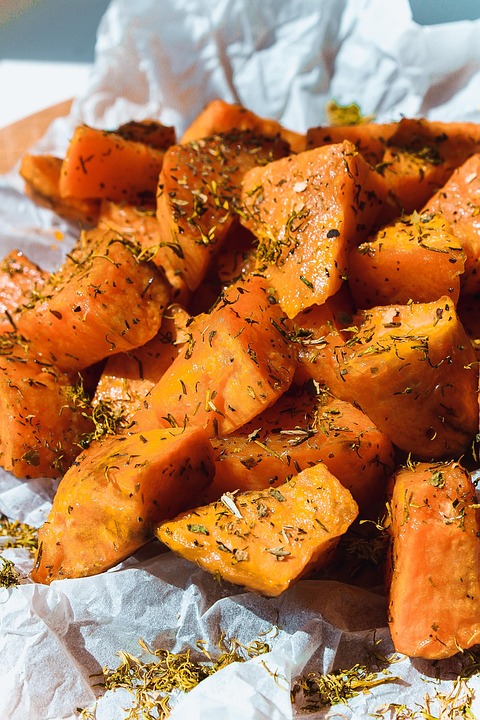
1. Crispy Oven-Baked Sweet Potato Fries
Few sweet potato recipes are as popular as homemade sweet potato fries. They’re healthier than deep-fried versions, easy to make, and pair beautifully with burgers, sandwiches, or grilled vegetables.
Ingredients
- 2 large sweet potatoes
- 2 tablespoons olive oil
- 1 teaspoon paprika
- ½ teaspoon garlic powder
- Salt and black pepper to taste
Method
- Preheat your oven to 220°C (425°F).
- Peel the sweet potatoes if desired and cut them into thin fries.
- Toss with olive oil, paprika, garlic powder, salt, and pepper.
- Spread in a single layer on a baking tray.
- Bake for 25–30 minutes, turning halfway through.
Why You’ll Love It
The fries become crisp around the edges while remaining fluffy in the centre, creating the perfect balance of texture and flavour.
2. Creamy Sweet Potato Soup
This comforting soup is perfect for chilly evenings and makes excellent use of larger sweet potatoes from the garden.
Ingredients
- 2 large sweet potatoes, peeled and diced
- 1 onion, chopped
- 2 garlic cloves, minced
- 750ml vegetable stock
- 100ml cream or coconut milk
- 1 tablespoon olive oil
- Salt and pepper
Method
- Heat olive oil in a large saucepan.
- Cook onion until softened.
- Add garlic and cook for one minute.
- Add sweet potatoes and stock.
- Simmer for 20–25 minutes until tender.
- Blend until smooth.
- Stir in cream or coconut milk and season to taste.
Why You’ll Love It
The natural sweetness of the potatoes creates a rich, velvety soup that feels indulgent while remaining wholesome.
3. Loaded Baked Sweet Potatoes
A baked sweet potato can easily become a complete meal with the right toppings.
Ingredients
- 4 medium sweet potatoes
- Butter or olive oil
- Grated cheese
- Spring onions
- Sour cream or Greek yoghurt
- Crispy bacon bits (optional)
Method
- Bake sweet potatoes at 200°C (400°F) for 45–60 minutes until soft.
- Slice open and fluff the interior with a fork.
- Add your favourite toppings.
- Serve immediately.
Topping Ideas
- Black beans and avocado
- Feta and spinach
- Cheddar and chives
- Pulled chicken
- Roasted vegetables
Why You’ll Love It
Loaded sweet potatoes are endlessly customisable and perfect for busy weeknight dinners.
4. Sweet Potato and Chickpea Curry
This hearty vegetarian curry combines sweet potatoes with warming spices and protein-rich chickpeas.
Ingredients
- 2 large sweet potatoes, cubed
- 1 can chickpeas, drained
- 1 onion, diced
- 2 garlic cloves
- 1 tablespoon curry powder
- 400ml coconut milk
- 1 tablespoon olive oil
Method
- Sauté onion until softened.
- Add garlic and curry powder.
- Stir in sweet potatoes.
- Add coconut milk and simmer for 20 minutes.
- Add chickpeas and cook for another 10 minutes.
- Serve with rice or naan bread.
Why You’ll Love It
The sweet potatoes absorb the fragrant spices beautifully while adding a creamy texture to the sauce.
5. Classic Sweet Potato Pie
For those with a sweet tooth, sweet potato pie is a timeless favourite that showcases the vegetable’s natural sweetness.
Ingredients
- 500g cooked sweet potato flesh
- 2 eggs
- 100g brown sugar
- 120ml milk
- 1 teaspoon cinnamon
- ½ teaspoon nutmeg
- 1 ready-made pie crust
Method
- Preheat oven to 180°C (350°F).
- Mash the cooked sweet potatoes until smooth.
- Mix with eggs, sugar, milk, cinnamon, and nutmeg.
- Pour into the pie crust.
- Bake for 45–50 minutes until set.
- Allow to cool before serving.
Why You’ll Love It
Smooth, lightly spiced, and wonderfully comforting, sweet potato pie is a fantastic dessert for family gatherings and holiday meals.
Closing Thoughts
Sweet potatoes are a rewarding project for gardeners of all experience levels. With their attractive vines, relatively simple care requirements, and generous harvests, they are a great addition to many home gardens.
They do require warmth, and a little patience, but the rewards are well worth it. There’s not much like digging beneath the soil and pulling up a crop of colourful, homegrown sweet potatoes.
You can plant a special vegetable patch, try raised beds or grow in large containers.
See A Step-by-Step Guide to Building a Raised Bed Garden >
Whatever you choose, sweet potatoes can be a fun and rewarding gardening experience. Start with healthy slips, give plenty of sunshine, and let the plants grow. Soon you’ll be harvesting delicious sweet potatoes that are fresher, tastier and more satisfying than anything you can buy in a store.
Sweet potatoes are a good crop for beginning gardeners to attempt to broaden their growing skills. With a little care and preparation, you’ll soon discover just how easy it is to grow your own harvest from the ground up.