In this comprehensive guide, we’ll explore the best way to prevent aphids in your garden, providing insights that can save you time and resources.
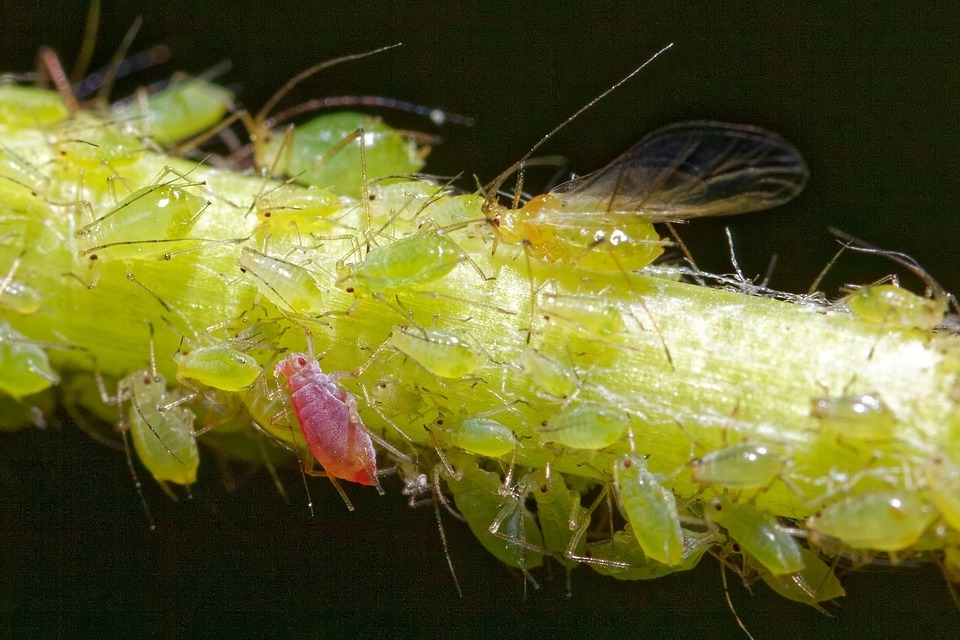
Aphids are the most annoying uninvited guests in your garden. If you’ve ever gone outside to look at your plants and found groups of tiny green (or black, or gray) bugs partying on the stems, you’ve met them.
We at Good Garden Ideas know how hard it can be.
Your roses, dahlias, or tender new shoots look great one minute, and the next they are covered in freeloaders that suck the sap out of them and look very sad.
It would make any gardener reach for the nearest spray in a mild panic.
But here’s the good news: it’s much easier and more effective to keep aphids from getting into your plants than to deal with an outbreak once it’s already happened.
Aphids take advantage of situations. They like plants that are soft and sappy, plants that are stressed, and gardens that don’t have enough good bugs yet. In other words, they’re often a sign of small gardening habits that are easy to fix once you know what to look for.
The best way to get rid of aphids doesn’t involve chemicals. To begin, you need to make your garden a place where aphids don’t want to be in the first place.
Strong, well-placed plants, good airflow, sensible feeding, and inviting helpful insects like ladybugs and hoverflies into your space can make a big difference.
Understanding Aphids
Before talking about how to prevent aphids, it’s important to know what they are and how they can be a problem.
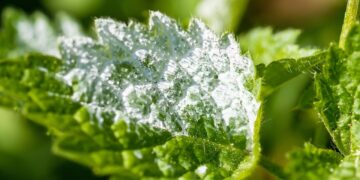
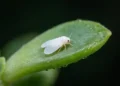
Aphids are usually small (2–10 mm) and come in a range of colors, from green to black. They feed on plant sap, which makes plants weaker and causes leaves to curl, growth to slow down, and even diseases to spread.
A single female aphid can have more than fifty babies in a week, which shows how important it is to have good control measures.
Frequently Asked Questions About Aphids
What draws aphids to my garden?
Aphids like plants that are green and full of nitrogen. Too much fertilizer can make things perfect for them.
How can I tell if I have aphids?
Look for leaves that have changed color, sticky residues (honeydew), or ants, which are often drawn to the honeydew that aphids make.
Are all aphids bad?
Most aphids are bad, but some kinds are good because they feed natural predators.
Ways to Keep Aphids Away That Work
1. Good soil care
Keeping the soil healthy is one of the first things you can do to keep aphids from taking over. Plants grow better in healthy soil, which makes them less appealing to aphids.
Here are some things you might want to do:
- Organic Matter: To make your soil more fertile, add compost or well-rotted manure to it.
- Mulching: Mulch around your plants to keep the soil moist, keep weeds from growing, and keep the temperature stable. All of these things are good for the health of your plants.
- Soil Testing: Test your soil on a regular basis to keep an eye on nutrient levels and make any necessary changes.
2. Pick plants that are resistant
Choosing plants that are less likely to get aphids can greatly lower the risk of getting them.
Look for:
- Native Plants: A lot of native plants have developed ways to fight off local pests.
- Aphid-Resistant Varieties: Look for hybrid or heirloom varieties that were bred to be resistant to aphids.
These plants are well known for rarely suffering serious aphid problems thanks to aromatic foliage, tougher leaves, or natural pest-repelling properties:
Lavandula angustifolia (Lavender)
Strong fragrance and oily leaves make it unattractive to aphids. Loves hot, dry, sunny spots.
Nepeta faassenii (Catmint)
Aromatic grey foliage that aphids tend to avoid. Extremely hardy and low maintenance.
Salvia nemorosa (Perennial Salvia)
Scented leaves and tough stems deter aphids while attracting pollinators.
Achillea millefolium (Yarrow)
Feathery foliage and strong scent make it less appealing to sap-sucking insects.
Echinacea purpurea (Purple Coneflower)
A resilient native with coarse foliage that rarely attracts aphids.
Coreopsis verticillata (Coreopsis)
Fine, airy foliage and tough growth habit help it resist common pests.
Gaillardia aristata (Blanket Flower)
Thrives in hot, dry conditions where aphids are less of a problem.
Sedum spectabile (Sedum / Stonecrop)
Thick, moisture-storing leaves are not attractive feeding sites for aphids.
Rosmarinus officinalis (Rosemary)
Woody stems and aromatic oils naturally repel many soft-bodied insects.
Tagetes (Marigold)
Known for pest-repelling properties and often used as a companion plant in gardens.
3. Companion Planting
Companion planting can help you get rid of aphids by making your garden more diverse. Some plants keep aphids away or attract good bugs that eat them.
Think about these combinations:
- Marigolds: These bright flowers keep aphids away and bring in pollinators.
- Nasturtiums are a trap crop that draws aphids away from your main plants.
4. Get helpful bugs to come around
Getting helpful bugs and beetles to come to your garden is a great way to keep aphids in check. These natural enemies can help keep aphid numbers down:
Ladybugs are known for eating a lot of aphids, which can greatly lower the number of aphids in an area.
The larvae of lacewings are also good at eating aphids.
Planting flowers like dill, fennel, or yarrow that give nectar and pollen can help attract these helpful bugs.
5. Checking on things often and acting quickly
Regular checks are necessary to find aphid infestations early. Here are some things you can do to stay alert:
Check the underside of leaves and new growth often for signs of aphids.
Yellow Sticky Traps: These traps can help catch flying aphids, which will quickly show you where they are.
View sticky traps options on Amazon >
If you do find aphids, you need to act quickly. You can get rid of them by hand with a strong stream of water, or you could use insecticidal soap as a targeted treatment.
6. Cultural Controls
Following good cultural practices can help plants deal with stress and make them less likely to be attacked by aphids:
Don’t use too much fertilizer. Too much nitrogen can make plants grow faster, which makes them more appealing to aphids.
Watering correctly means giving plants enough water without making the soil too wet. Stressed plants are more likely to attract pests.
7. Hybrid Techniques
Using more than one method together can help you keep aphids from getting into your home. For instance:
Planting a variety of plants in your garden can confuse and scare aphids away.
Interplanting with Herbs: Herbs with strong scents, like basil and mint, can confuse aphids and keep them away from your main crops.
8. Using Natural Deterrents
Using natural deterrents can help keep aphids away. Here are some choices:
- Neem Oil: This oil comes from the seeds of the neem tree and stops aphids from feeding and reproducing.
- Garlic Spray: You can make your own garlic spray that keeps aphids away by mixing garlic with water and straining the mixture.
9. Make an ecosystem that is in balance
A healthy ecosystem in your garden keeps good bugs alive and keeps bad bugs like aphids in check.
Here’s how you can help:
Planting Diversity: By planting a lot of different flowering plants, you can bring in a variety of helpful insects, which makes the ecosystem more stable.
Don’t use pesticides: Even though it might be tempting to use chemical pesticides, they can also kill helpful bugs. Choose organic options instead.
Questions that are often asked
Can I use chemical pesticides to get rid of aphids?
Chemical pesticides can work, but they can also hurt helpful bugs and mess up the ecosystem in the garden. For safer results, use organic methods.
How often should I check my plants for aphids?
You should check on your plants once a week, especially during their busiest growing times.
Are aphids bad for all plants?
Aphids can hurt most plants, especially young or delicate ones. But some mature plants can handle small infestations.
Following these tips will help you make a strong garden that can withstand aphid infestations, which will help your plants grow healthy and brightly.
If you take care of it and work hard, your garden can thrive and give you beauty and food year after year.
Summary
To keep aphids out of your garden, you need to take a number of steps, such as choosing the right plants, keeping an eye on things, and attracting helpful insects.
You can make sure your garden is healthy and free of aphids by using these proven methods.
Learn more about Conquering the Peskiest Garden Pests >