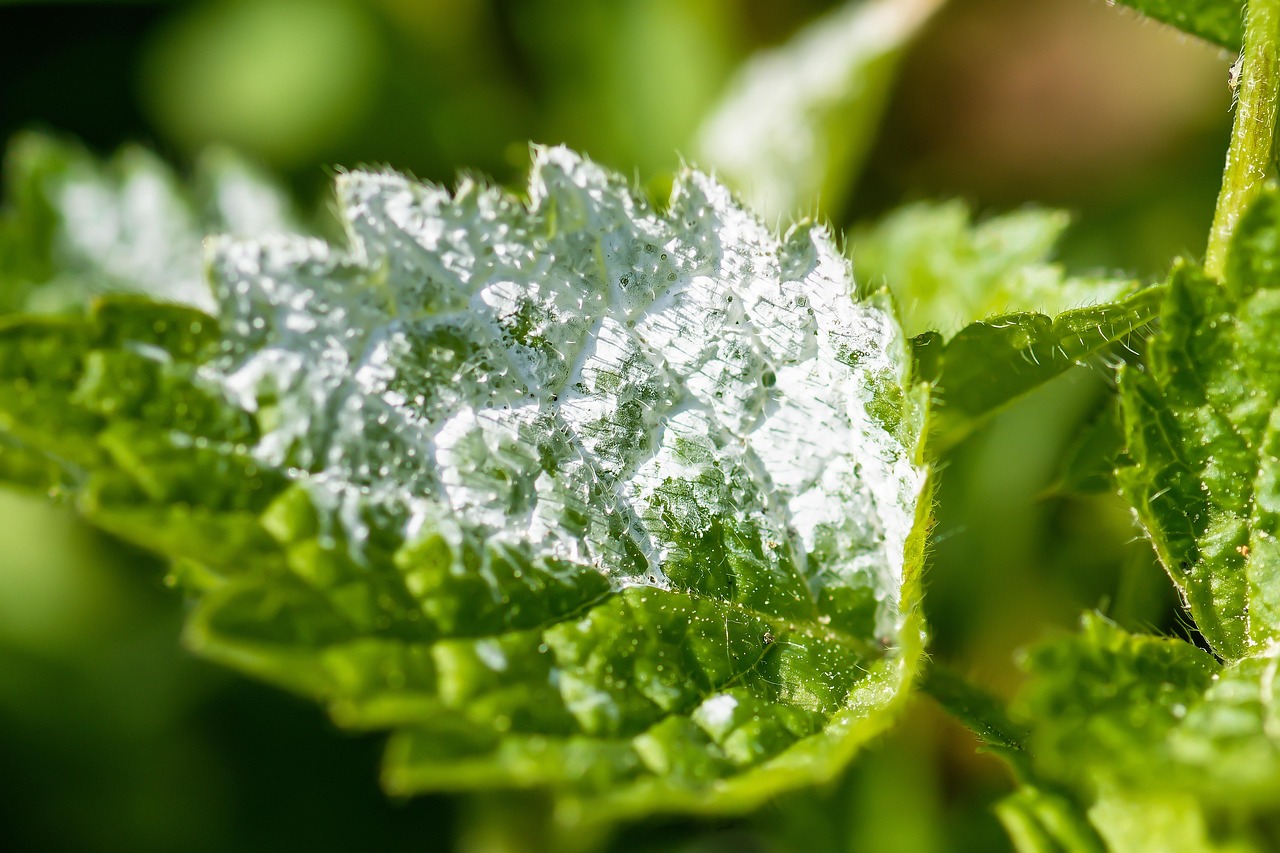
There are few things that make me stop in my tracks in the garden quite like discovering a beautiful green leaf covered in what looks like a dusting of flour.
At first glance, I might wonder whether someone has been baking in the flower beds. Then I take a closer look and realize it’s powdery mildew.
If you’ve ever grown roses, squash, cucumbers, pumpkins, phlox, lilacs, or a whole host of other garden plants, chances are you’ve encountered it too.
Powdery mildew is incredibly common, and although it can make plants look rather miserable, I’ve learned that it isn’t usually a gardening disaster.
In fact, once I understood what powdery mildew actually likes, I found I could do quite a lot to prevent it and keep outbreaks under control.
So, let’s talk about that unmistakable white coating, why it appears, and what I do when I find it in my garden.
Learn more about Pest and Disease Management >
What Exactly Is Powdery Mildew?
Powdery mildew is a fungal disease that affects a huge range of plants.
The giveaway is the appearance. It usually starts as tiny white patches on the surface of leaves. Before long, those patches can expand until they look as though someone has dusted the plant with flour.
It’s surprisingly distinctive.
I’ve also seen powdery mildew appear on stems, flower buds and young shoots. In a serious outbreak, the white patches can cover much of the plant.
As the problem progresses, leaves may become yellow, curled, brown or distorted. Some eventually drop from the plant.
The good news is that powdery mildew isn’t normally a death sentence for an established plant. A plant with a light infection may carry on perfectly well, although a heavy outbreak can interfere with photosynthesis, weaken growth and reduce flowering or fruit production.
Why Does Powdery Mildew Happen?
This is where powdery mildew gets interesting.
I’d always assumed that fungal diseases meant wet weather, soggy leaves and lots of rain.
Powdery mildew doesn’t quite work that way.
It actually tends to enjoy warm temperatures, high humidity and poor air circulation. It can appear when the soil is relatively dry, particularly when the air around the leaves is humid.
The fungal spores are tiny and can travel through the air. When they land on a suitable plant and conditions are right, they can start to grow.
Some of the things that make powdery mildew more likely include:
Crowded plants
Poor air circulation
High humidity
Warm weather
Shady conditions
Overly lush growth
Plant stress
Susceptible plant varieties
This is why I don’t simply blame the weather when I discover powdery mildew.
Sometimes the problem is right there in the way I’ve planted or cared for my plants.
What Does Powdery Mildew Look Like?
The appearance is probably the easiest part to recognize.
I usually notice small, circular white patches first.
They can appear on the upper surface of leaves and gradually spread. Eventually, several patches can join together and cover large areas.
The white coating can look almost fuzzy or powdery.
As the infection becomes more severe, the leaves may:
Turn yellow
Curl
Become distorted
Develop brown patches
Dry out
Drop prematurely
New growth can sometimes become distorted too.
Once you’ve seen powdery mildew a few times, you’ll probably recognize it immediately.

Which Plants Get Powdery Mildew?
Unfortunately, powdery mildew isn’t particularly fussy.
It can affect ornamental plants, vegetables, fruiting plants and shrubs.
I’ve seen it associated with plants including:
Roses
Phlox
Lilacs
Zinnias
Bee balm
Dahlias
Begonias
Cucumbers
Squash
Pumpkins
Melons
Peas
Grapes
Apple trees
Different powdery mildew fungi tend to specialize in different plant groups, so the mildew affecting one plant isn’t necessarily the same species affecting another.
That’s one reason I don’t assume that a treatment that worked beautifully on one plant will automatically work on everything else.
Why Does Good Airflow Matter So Much?
If there’s one lesson I keep coming back to with powdery mildew, it’s the importance of airflow.
Plants need room to breathe.
When I pack plants together too closely, the foliage creates a dense green wall where air doesn’t circulate very well.
That can result in humid little pockets around leaves and stems.
And powdery mildew loves those conditions.
So, when I’m planting, I try to resist the temptation to cram everything into the available space.
I know it’s hard.
There is always room for one more plant, isn’t there?
But giving plants the space they need can make a surprising difference.
Don’t Be Afraid to Prune
Pruning can also help.
If I have a particularly bushy plant with leaves packed tightly together, I’ll sometimes remove a little excess growth to encourage better airflow.
I don’t mean stripping the plant bare.
That’s definitely not the answer!
Instead, I concentrate on dead, damaged, diseased or badly overcrowded growth.
I also make sure my pruning tools are clean, particularly when moving from a diseased plant to a healthy one.
Good pruning isn’t just about making plants look neat. It can also create a healthier growing environment.
Give Your Plants the Right Amount of Sun
Another thing I consider is sunlight.
If I’ve planted a sun-loving plant in a dark, sheltered corner with very little air movement, I’m not exactly making life easy for it.
Many plants that are prone to powdery mildew appreciate good sunlight and plenty of airflow.
Of course, I don’t start moving established plants around the garden every time I spot a white patch.
But when I’m planning a new border, I think carefully about where each plant is going.
A plant in the right place is usually a happier plant.
Don’t Overfeed Your Plants
I’m a big believer in feeding plants when they need it, but I don’t think more fertilizer automatically means better plants.
In particular, excessive nitrogen can encourage lots of lush, soft, leafy growth.
And while that might sound wonderful, it can sometimes create conditions that make plants more vulnerable to powdery mildew.
I prefer to feed sensibly and follow the instructions for whatever fertilizer I’m using.
There’s no prize for producing the biggest leaves in the neighborhood!
Water the Roots, Not the Foliage
Although powdery mildew doesn’t need wet leaves to develop in the same way some other fungal diseases do, I still prefer watering at soil level.
It makes sense to me to put water where the plant actually needs it: around the roots.
I also prefer giving plants a good, thorough drink when they need it rather than repeatedly sprinkling the surface.
This helps encourage a healthy root system and avoids unnecessary wetting of the foliage.
Healthy Plants Are Better Prepared
I’ve learned over the years that healthy plants tend to cope with garden problems much better.
That doesn’t mean a healthy rose or cucumber plant is immune to powdery mildew.
Unfortunately, it isn’t.
But good growing conditions can make a huge difference.
I try to give my plants:
Suitable soil
Adequate water
Appropriate sunlight
Good airflow
Enough growing space
Sensible feeding
Regular attention
And that last one is important.
I like wandering around the garden and looking closely at my plants.
It means I often spot a problem when it’s still small.
What Do I Do When I Spot Powdery Mildew?
The first thing I do is take a proper look.
Is it definitely powdery mildew?
How much of the plant is affected?
Are only a couple of leaves showing symptoms, or is the whole plant covered?
If the infection is relatively small, I remove the worst affected leaves.
I don’t want heavily infected foliage hanging around unnecessarily.
I also look at the plants nearby.
If one cucumber plant has powdery mildew, I’m going to keep a closer eye on the other cucumbers.
The earlier I catch an outbreak, the easier I find it to manage.
Remove Badly Affected Leaves
If a leaf is absolutely covered in powdery mildew, I don’t see much point in keeping it.
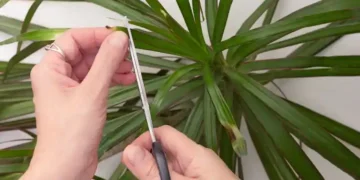
I remove it carefully using clean scissors or pruning shears.
I try not to shake the plant around unnecessarily because I don’t want to spread spores everywhere.
I also clean my tools afterward.
When disposing of infected foliage, I generally prefer not to add it to my ordinary home compost pile unless I’m confident my composting system will get hot enough to break down the disease-causing material.
Can I Just Wash Powdery Mildew Away?
You can sometimes physically remove some of the white coating with water, but I wouldn’t consider this a cure.
The mildew can return.
It’s a little like cleaning dust from a table while leaving the open window blowing more dust inside.
Washing might make the leaves look better temporarily, but I’d much rather deal with the conditions that allowed the powdery mildew to flourish in the first place.
What About Baking Soda?
Ah, baking soda.
It seems to appear on almost every list of homemade gardening remedies!
Baking soda has been used as a home treatment for powdery mildew because it can alter the surface conditions on the leaf.
Some gardeners swear by it.
I’m a little more cautious.
If I use a homemade spray, I don’t assume that because it’s something from my kitchen cupboard it can’t damage plants.
Too much baking soda can cause leaf injury, particularly on sensitive plants.
I’d always test a homemade treatment on a small area first and wait to see what happens before treating the entire plant.
Does Milk Help Powdery Mildew?
Milk is another traditional home remedy I’ve come across.
Milk sprays have been studied for their potential to suppress powdery mildew, and some gardeners report good results.
However, I wouldn’t treat it as a guaranteed cure.
Different plants, weather conditions and levels of infection can produce different results.
If I want to try a homemade solution, I test it first rather than covering an entire prized plant with something I’ve never used before.
What About Neem Oil?
Neem oil is another option gardeners sometimes turn to.
However, I always remember that natural doesn’t automatically mean risk-free.
Neem oil can damage some plants if it’s used incorrectly, especially during hot or bright conditions.
If I decide to use a commercial neem product, I follow the label carefully.
I check that it’s suitable for the particular plant and problem, and I follow the application instructions.
Should I Use a Fungicide?
Sometimes, yes.
If powdery mildew is widespread or repeatedly affecting a valuable plant, an appropriate fungicide may be worth considering.
However, I don’t like reaching for a chemical treatment as my first response if I can solve the problem through better growing conditions.
If I do use a fungicide, I read the label carefully.
I check:
Whether it’s suitable for the plant
Whether it controls powdery mildew
How often it can be applied
Whether there are harvesting restrictions
Any precautions around pollinators
Whether protective clothing is required
The label is there for a reason, so I always follow it.
Can I Prevent Powdery Mildew?
I can’t promise myself that I’ll never see powdery mildew again.
Some plants are simply susceptible, and weather conditions can sometimes seem tailor-made for an outbreak.
But I can certainly reduce the chances.
Here are the things I concentrate on:
1. Give Plants Room
I follow recommended spacing rather than squeezing plants together.
2. Improve Airflow
If a plant becomes excessively dense, I prune selectively to improve circulation.
3. Choose Resistant Varieties
When I’m buying seeds or plants, I’ll look for varieties described as resistant or tolerant to powdery mildew.
This can be particularly useful with vegetables such as squash and cucumbers.
4. Give Plants Appropriate Sunlight
I pay attention to each plant’s growing requirements when deciding where to plant it.
5. Don’t Overfertilize
I feed plants sensibly rather than encouraging excessive leafy growth.
6. Water Consistently
Plants that are regularly stressed by drought may not be as vigorous as plants receiving appropriate, consistent moisture.
7. Keep an Eye on Things
This is probably my favorite strategy because it costs absolutely nothing.
I simply look at my plants.
A few minutes of checking the garden regularly can help me spot those first telltale white patches before the entire plant is affected.
Powdery Mildew and Downy Mildew Aren’t the Same
The names are confusing, but powdery mildew and downy mildew are different problems.
Powdery mildew generally produces that familiar white, powder-like coating on the surface of leaves.
Downy mildew can cause yellow, pale or brown patches on the upper surface of leaves and may produce fuzzy growth on the underside in suitable conditions.
Because they’re different diseases, I don’t automatically treat every fuzzy or discolored leaf as powdery mildew.
If I’m unsure, I try to identify the problem correctly before deciding what to do about it.
Can Powdery Mildew Kill a Plant?
Usually, it doesn’t kill a healthy, established plant outright.
However, that doesn’t mean I ignore it.
A severe infection can cover a large amount of leaf tissue, reducing the plant’s ability to photosynthesize.
Leaves can yellow, distort and fall.
Young or already stressed plants may be more vulnerable.
So although I don’t panic when I see a little powdery mildew, I don’t simply shrug and walk away either.
Can Powdery Mildew Spread?
Yes.
The fungal spores can spread through the air, which means powdery mildew can move from an infected plant to other susceptible plants.
This is why I pay particular attention to nearby plants when I discover an outbreak.
I remove heavily infected leaves, avoid unnecessary handling, clean my tools and improve airflow where possible.
Why Does Powdery Mildew Keep Coming Back?
This is one of the most frustrating things about powdery mildew.
You think you’ve dealt with it, everything looks fine, and then suddenly those familiar white patches return.
If that happens, I take a closer look at the conditions around the plant.
Is it too crowded?
Does it get enough sunlight?
Is there enough air movement?
Is the plant naturally susceptible?
Am I overfeeding it?
Is it repeatedly becoming stressed?
Sometimes changing the environment makes a much bigger difference than repeatedly treating the leaves.
My Simple Powdery Mildew Prevention Checklist
When I want to keep powdery mildew at bay, I keep things simple.
Give plants enough space.
Crowded plants are more difficult to keep well ventilated.
Choose resistant varieties.
When I have the option, I look for disease-resistant cultivars.
Provide suitable sunlight.
I try to put plants where they’ll be happiest.
Improve airflow.
Selective pruning can help particularly dense plants.
Water at soil level.
I concentrate on the roots rather than continually wetting the leaves.
Don’t overfeed.
Too much fertilizer isn’t necessarily helpful.
Check plants regularly.
I look for those first little white patches.
Remove badly affected foliage.
I don’t leave severely diseased leaves hanging around if I can safely remove them.
Keep tools clean.
A quick clean after pruning is an easy gardening habit worth developing.
Powdery Mildew FAQs
1. What is powdery mildew?
Powdery mildew is a group of fungal diseases that produces a characteristic white or grayish powder-like coating on plant leaves, stems and sometimes flowers or fruit.
2. What causes powdery mildew?
Powdery mildew is encouraged by conditions such as warm temperatures, high humidity, poor air circulation, crowded plants and susceptible varieties.
3. Does powdery mildew mean my plant is dying?
Not necessarily. Many established plants survive powdery mildew, particularly when the infection is mild. However, a severe infection can weaken the plant and affect its growth.
4. Can I remove powdery mildew from leaves?
You can physically remove some of the powdery coating, but this isn’t necessarily a permanent solution. I prefer to remove severely affected leaves and improve the growing conditions as well.
5. Should I cut off leaves with powdery mildew?
If leaves are badly infected, I generally remove them. I use clean tools and dispose of the affected material rather than leaving it around healthy plants.
6. Does baking soda get rid of powdery mildew?
Baking soda is a popular homemade treatment and may help suppress powdery mildew in some circumstances. However, it isn’t guaranteed to cure an established infection, and strong solutions can damage foliage.
7. Can milk help powdery mildew?
Milk sprays have been studied as a potential way of suppressing powdery mildew. Some gardeners find them useful, but results can vary depending on the plant and conditions.
8. Does powdery mildew spread?
Yes. Powdery mildew produces spores that can spread through the air and infect other susceptible plants.
9. How can I prevent powdery mildew?
I focus on good spacing, airflow, appropriate sunlight, consistent watering, sensible feeding and disease-resistant varieties when available. Regularly checking plants also means I can spot problems early.
10. Is powdery mildew caused by too much water?
Not necessarily. Powdery mildew often thrives in humid conditions even when the soil isn’t especially wet. Unlike some fungal diseases, it doesn’t require water sitting on leaves to develop.
11. Can powdery mildew affect vegetables?
Absolutely. Cucumbers, squash, pumpkins, peas and melons are among the vegetables that can be affected.
12. Can powdery mildew come back every year?
Unfortunately, yes. If the same susceptible plants are grown under conditions that favor powdery mildew, outbreaks may recur. Improving airflow, sunlight, spacing and general plant health can help reduce the problem.
13. What’s the difference between powdery mildew and downy mildew?
They’re different groups of plant diseases. Powdery mildew usually creates a white powdery coating on the surface of leaves, while downy mildew often causes yellow or brown patches and may produce fuzzy growth on the undersides of leaves.
14. Is powdery mildew contagious?
It isn’t contagious in the way an animal illness is, but the fungal spores can spread from infected plants to susceptible plants through the air.
15. What is the best natural way to control powdery mildew?
For me, prevention is the best approach. Good airflow, adequate spacing, suitable sunlight, healthy soil, sensible watering and resistant varieties can all reduce the risk. Once an infection appears, removing badly affected foliage can also help.
My Final Thoughts on Powdery Mildew
Powdery mildew can certainly make a garden look less than perfect.
I know the feeling of walking outside expecting to admire my plants and instead discovering that a rose bush, cucumber plant or flowering perennial appears to have been attacked with a bag of flour.
But I’ve learned not to panic.
Powdery mildew is common, and in many cases it can be managed quite successfully.
For me, prevention starts with the basics. I give plants enough room, choose suitable growing locations, encourage good airflow, avoid excessive fertilizer, water consistently and keep an eye out for early symptoms.
When I spot powdery mildew, I act sooner rather than later.
I remove badly affected leaves, improve the growing conditions and consider an appropriate treatment if necessary.
And perhaps most importantly, I don’t expect my garden to be completely perfect.
Gardening isn’t about keeping every leaf spotless. It’s about learning what my plants need and responding when something goes wrong.
Powdery mildew is annoying, but it has taught me to pay closer attention to the little details — spacing, sunlight, airflow, watering and general plant health.
And those are lessons that make my entire garden better.