A successful pollinator garden is not just beautiful, it’s also one of the best things a gardener can do for local wildlife. Many plants, including many of the fruits, vegetables and flowers that we enjoy every day, need pollinators to help them reproduce.
But many pollinator populations are threatened by habitat loss, pesticide use and changing environmental conditions.
Create an outdoor space you love that is alive and buzzing, turning your garden into a fluttering haven for bees, butterflies, birds and other vital pollinators.
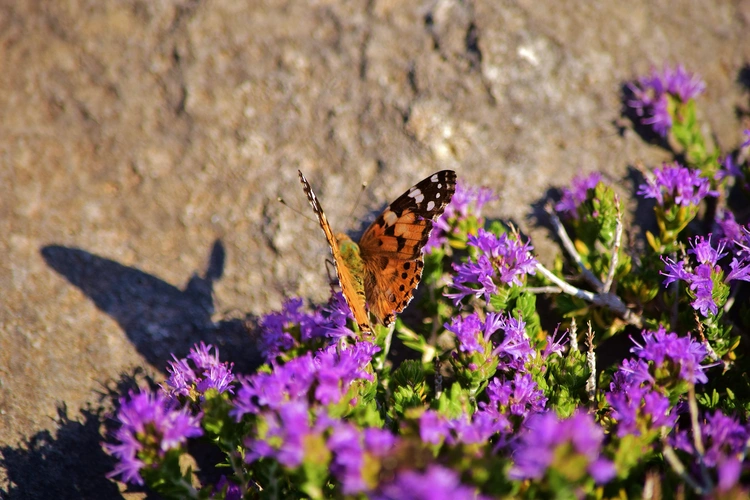
There’s something magical about walking into a garden that is full of movement. Beetles drift lazily from flower to flower. Butterflies are flitting about in the air like living confetti. Birds flit between the bushes. Behind the scenes, helpful insects get quietly to work.
The good news is? Even a small garden, patio or balcony can provide a valuable refuge.
Whether you’re starting from scratch or upgrading an existing garden, these ten practical tips will help you create the ultimate pollinator paradise.
1. Plant for Pollinators Year Round
One of the biggest mistakes gardeners make is to put all of their planting efforts into summer flowers. Midsummer blooms are important, but pollinators need food all season long.
Different pollinators come at different times of the year. Early-emerging bumblebees require nectar-rich flowers in spring, and butterflies and solitary bees can often be seen active well into autumn.
Try to stagger your blooms so that your garden is productive from early spring to late fall.
Spring Favorites
- Crocus
- Lungwort
- Primrose
- Grape hyacinth
- Fruit tree blossoms
Summer Stars
- Lavender
- Coneflower
- Salvia
- Bee balm
- Catmint
Autumn Heroes
- Asters
- Sedum
- Goldenrod
- Japanese anemones
- Michaelmas daisies
If you are aiming for continuous flowering, you will ensure that pollinators can find food any time they visit.
2. Whenever you can, use native plants
Native plants and native pollinators have evolved together over thousands of years. Thus, many native insects depend on native plants for food, shelter, and reproduction.
Exotic ornamentals can certainly provide nectar and pollen but it is often the native species that can provide the most ecological value.
Native plants are also usually better adapted to local conditions, and thus generally require less water, fertilizer, and maintenance.
Native plants have benefits, including:
More support for local wildlife
Increased resilience to local climate
Less maintenance required
Greater biodiversity
More food for specialist pollinators
Research what plants are native to your area and use them as much as you can. Adding a few native species can make a real difference.
Checkout this Native Plant search by Zip code website >
3. Make Massive Flows of Flowers
Big clumps of flowers are easier for pollinators to spot and visit than lone plants dotted around the garden.
Like a sign in a restaurant. People are more likely to see a big, colorful display than a small sign in the corner.
Plant flowers in large clusters or drifts, not single specimens. Also, planting the same flowering plant in different spots helps reinforce the visual signal to pollinators.
Instead of planting:
- One lavender here
- One coneflower there
- One salvia elsewhere
Try planting:
- Five to ten lavender plants together
- A sweeping patch of coneflowers
- A sizable grouping of salvias
The concentrated stations of nectar attract more visitors and make for stunning visual impact.
4. Include Different Flower Varieties, Heights and Shapes
Not all pollinators eat in the same way.
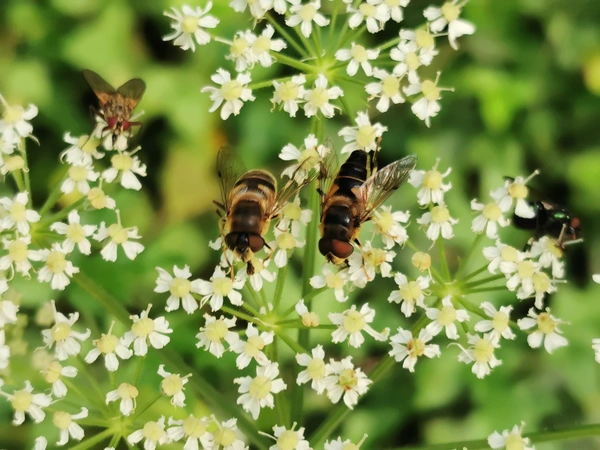
The honeybee, the hummingbird, the hoverfly and the butterfly all have different mouthparts and feeding habits. Having a variety of flower shapes will allow your garden to cater to a wide variety of species.
Flat-Topped Flowers
Excellent for:
- Hoverflies
- Small native bees
- Beetles
Examples include:
- Yarrow
- Verbena bonariensis
- Queen Anne’s lace
Tube-Shaped Flowers
Ideal for:
- Bumblebees
- Long-tongued bees
- Hummingbirds
Examples include:
- Salvia
- Penstemon
- Foxglove
Daisy-Like Flowers
Popular with:
- Butterflies
- Bees
- Beneficial insects
Examples include:
- Coneflowers
- Black-eyed Susans
- Shasta daisies
- Cosmos
A mixed planting scheme attracts a greater diversity of pollinators and creates a more lively garden ecosystem.
5. Multiple Sources of Water Supply
Water is just as necessary to pollinators as nectar.
Sadly, many gardens fail to provide this important requirement.
The issue is that insects can easily drown in deep water sources. Instead, offer safe and accessible drinking stations
Easy Water Pollinator Ideas
Shallow Dish
Add pebbles or stones to a shallow container of water so insects can safely land to drink.
Bird Bath w/Landing Pads
Put some rocks or twigs in the birdbath so the birds will have a good foothold.
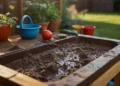
Mud Puddle Zone
Many butterflies get minerals from moist soil. A little muddy patch can be surprisingly popular.
Water Dripping Feature
Slow dripping fountain. It looks good in the garden and gives you water to drink.
Keep water clean and full during the hot weather when pollinators need it most.
6. Stay Away From Pesticides
Pesticides are one of the fastest ways to turn a pollinator-friendly garden into a pollinator-hostile one.
Many insecticides don’t distinguish between destructive bugs and helpful insects. Products marketed as “safe” can affect pollinators’ behaviour, navigation, feeding and reproduction.
Rather than chemical solutions, use integrated pest management techniques.
- Encourage beneficial insects
- Hand-remove pests when practical
- Use physical barriers such as netting
- Improve plant health through proper care
- Accept a small amount of pest damage
Remember, the most unhealthy ecosystem is a pristine garden.
Your garden is supporting wildlife successfully if there are a few nibbled leaves.
7. Keep Some Areas Natural
Many gardeners feel the pressure to keep every corner tidy and neat.
But pollinators like a little mess.
They provide naturalistic areas which offer shelter, nesting sites and protection from predators and harsh weather.
Perhaps you could reserve part of your garden for a more casual style.
Wildlife-Friendly Features
- Long grass patches
- Native wildflowers
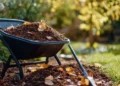
- Leaf litter
- Fallen branches
- Untidy corners
- Natural ground cover
These features offer valuable microhabitats that many beneficial insects rely on.
Even a small “wild zone” can greatly enhance biodiversity.
8. Make nesting opportunities
Flowers provide food, but pollinators also need a place to live.
Most people think of bees only in connection with hives, but most species of bees are solitary nesters.
The pollinators all like different types of housing.
Earth-nesting Beetles
In sunny places, leave some bare soil and undisturbed soil.
Cavity Nesting Beetles
Offer:
Hollow stems
Bee hotels
Bamboo Canes
Wooden blocks with holes
Butterflies
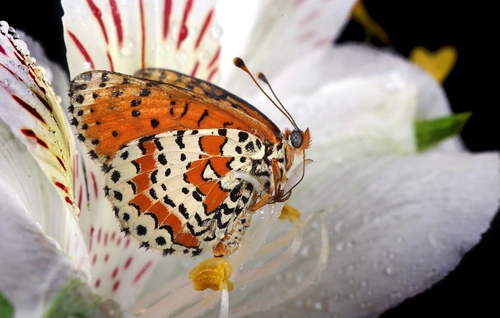
Provide sheltered places where butterflies can roost overnight and seek shelter in bad weather.
Helpful Insects
Many helpful species find valuable habitat in logs, rocks and thick vegetation.
But while you’re planning your garden, consider supporting the whole life cycle of pollinators, not just feeding them.
9. Plant Trees and Shrubs
Pollinator plants are often thought of as colorful borders of flowers. But some of the most valuable pollinator resources are trees and shrubs.
One flowering tree can produce thousands of flowers, making tremendous amounts of pollen and nectar.
Flowering Trees
- Apple
- Cherry
- Crabapple
- Hawthorn
- Rowan
Pollinator-Friendly Shrubs
- Buddleia
- Viburnum
- Ceanothus
- Cotoneaster
- Hebe
Trees and shrubs provide vertical structure, nesting sites, wind shelter and seasonal interest.
If you can only fit one new plant, consider a flowering tree. The benefits to wildlife can be enormous.
10. Think Ecosystem, Not Flower Bed
The ultimate pollinator paradise isn’t just a bunch of flowers.
It’s a working ecosystem.
Every feature should serve the overall health and resilience of the garden.
Question yourself.
Is food available throughout the year?
Are there safe nesting places?
Is there any water?
Are pollinators shielded from chemicals?
Is there protection from weather and predators?
Are different species catered for?
When all these things come together, your garden becomes more than attractive – it becomes of real value to wildlife.
The most successful pollinator gardens have diversity, balance, and natural processes.
Rather than managing everything, gardeners become stewards of a living community.
Bonus Tips for Ultimate Pollinator Success
Want to level up your pollinator garden? There are other strategies that can help.
Grow Herbs
Many culinary herbs are pollinator magnets if allowed to flower.
Try it.
Oregano, Thyme, Basil, Mint, Chives, Rosemary
You’re helping wildlife and developing your kitchen garden.
Plant in sunny places
Pollinator-friendly flowers grow best in full sun.
The sunny spot also helps bees and butterflies to regulate their body temperature.
Shrink Lawn Size
Lawns provide little food or habitat for pollinators.
Even replacing a little of the traditional turf with flowering plants can bring a lot of ecological value.
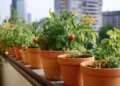
Use Containers
No garden? Really? No worries.
Container gardening is a way to support pollinators on balconies, patios and courtyards.
Lavender, salvia, verbena and many herbs do well in pots and attract lots of visitors.
Learn and Watch
Behold your garden.
Soon you will learn:
Which flowers attract the most bees
At the height of butterfly activity
Which plants bloom longest?
Which wildlife passes through the seasons
Observation lets you make better planting decisions year after year.
Mistakes to Avoid in Pollinator Gardens
Sometimes even well-meaning gardeners make choices that limit pollinator success.
Beware of these common pitfalls:
Too Many Double Flowers.
Many highly bred double flowers make little or no pollen or nectar and may be inaccessible to insects.
Choose single flowered varieties when available.
Blooming Gaps
A garden that flowers profusely in June, but has little to offer in spring or autumn leaves pollinators struggling at key moments.
Excessive Use of Chemicals
Fertilizers, herbicides and pesticides can affect the ecology of the garden.
Use them sparingly or avoid altogether.
Too Tidy
Removing all leaves, stems and seed heads removes vital habitat.
Where possible delay major cleanups until spring.
Absence of Diversity
One or two plant species dominating a garden offer fewer resources than a diverse planting scheme.
Mix up your plants, bloom times, colors and flower shapes.
The Benefits of a Pollinator Paradise
One of the most rewarding projects any gardener can undertake is creating a pollinator-friendly garden.
Wildlife assistance and enjoyment:
More Production of Flowers
Increased fruit and vegetable yields
Improved Pest Control
More biodiversity
Garden interest throughout the year
More connection with nature
Few gardening experiences match the joy of seeing a garden come alive with buzzing bees, drifting butterflies and the activity of wildlife.
Every flower you plant, every pesticide you avoid, every habitat feature you add makes the environment healthier for countless species.
Summary
You don’t need acres of land or a professional landscape design to create the ultimate pollinator paradise. It starts with thoughtful choices and a willingness to garden with nature, not against it.
Make any outdoor space a vibrant pollinator sanctuary by planting a diversity of nectar-rich flowers, offering water and shelter, minimizing chemical use, and establishing habitat through the seasons.
Whether you have acres of land, an urban lot or a few pots on a balcony, your efforts can make a difference.
Start with one or two of these tips and add on gradually and watch your garden become a hive of activity with bees, butterflies, birds and many more beneficial creatures.
Your garden will be more beautiful, more productive and more alive than ever—and the pollinators will thank you.