
There are always stars in every garden. The showy roses, the cheerful bedding plants, and the dramatic climbers that draw attention from across the fence are all examples.
But sometimes the most interesting plant is the one that is quietly sitting on a sunny windowsill. The Aloe Vera plant that looks simple but is very tough and has a long history of being used.
Aloe vera is more than just a pretty succulent. It’s a plant that makes it hard to tell the difference between beauty and usefulness.
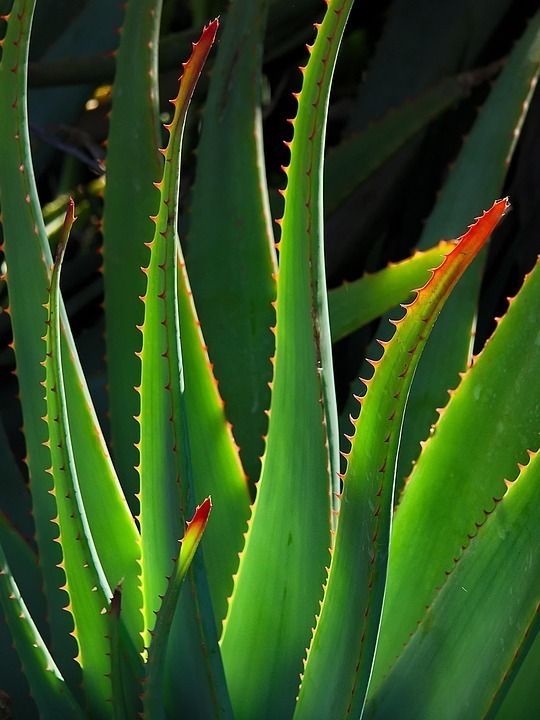
Aloe looks effortlessly modern indoors and perfectly at home in a greenhouse or conservatory. Its thick, spiky leaves are arranged in a neat rosette.
But the real magic is inside those fleshy leaves: a clear, cooling gel that generations have used to take care of their skin and feel better.
There is one simple reason why gardeners love aloe vera: it gives a lot more than it asks for. Aloe does best when you don’t have to worry about watering it on a strict schedule or keeping the humidity just right.
It usually needs bright light, well-drained soil, and a drink now and then to grow. Aloe really likes to be left alone, which makes it great for beginners, busy households, or anyone who says they “aren’t good with plants.”
Aloe vera is especially appealing to gardeners because it makes them feel connected to nature’s traditional wisdom.
People used to keep aloe plants close by because they knew how soothing they were long before modern skincare aisles existed. Growing your own aloe brings a little bit of that history into your home garden today.
It also feels really good to pick a leaf from a plant you’ve taken care of yourself. It reminds us that gardening isn’t just about how things look and how they work; it’s also about how plants can help us live better lives.
We’ll talk about why aloe vera is known as “nature’s healing powerhouse,” how it works, and how gardeners can grow, care for, and use this amazing plant to its fullest potential at home.
Some of the strongest plants aren’t the loudest; they’re the ones that quietly make our lives better, one leaf at a time.
The Botanical Background of the Aloe Vera Plant
Aloe vera plant would almost certainly be in the top three if there were a contest for the most popular houseplant.
This plant has earned its place on windowsills all over the world because its leaves are sculptural, it has a calm personality, and it has been useful for a long time.
But there is more to this plant than its soothing gel and low-maintenance appeal. It has an interesting botanical story.
The Asphodelaceae family of plants includes aloe vera. These plants are succulent and can live in dry, sunny places.
Aloe vera is often thought of as a plant that grows in tropical climates, but it actually came from dry areas of the Arabian Peninsula. Nature’s smart way to deal with drought is to give it thick, fleshy leaves that can hold water for a long time when it doesn’t rain.
Those famous leaves grow in a rosette shape, with the leaves spiraling out from the center of the plant.
Each leaf has tissue that holds moisture and a waxy coating that keeps moisture from escaping. On the edges, you’ll see small, soft spines that aren’t sharp enough to hurt anyone but are strong enough to keep hungry animals from eating them.
Aloe vera is a perennial succulent, not a cactus, even though people often think it is.
When they are mature and in the right conditions, aloe plants grow tubular flowers on tall spikes. This is different from real cacti.
Pollinators like bees and birds are especially drawn to these flowers, which are usually yellow or orange, in warmer climates. Flowering is less common indoors, but it can happen if your plant gets a lot of sunlight and its gardener is patient.
Aloe vera can reproduce through offsets, which are often called “pups.” This is one of its most interesting traits.
These tiny plants grow at the base of the parent plant and slowly come together to form a cluster. This helps aloe spread quickly over rough terrain in the wild. It’s a great bonus for gardeners: free plants that can be shared with friends or moved to new plant pots.
People have always loved aloe vera, which has helped it travel a lot. It was brought to Africa, the Mediterranean, and finally the Americas by traders and explorers who traveled across continents. It could grow almost anywhere that was warm, bright, and had good drainage.
Knowing about aloe vera’s plant background helps explain why it’s so easy to have around the house or in the garden.
Give it some sun, don’t water it too much, and let it do what evolution made it to do: thrive quietly without much fuss. Sometimes, the most amazing plants are the ones that can take care of themselves.
Aloe Vera Gel vs. Aloe Vera Juice
The gel and latex extracted from aloe vera leaves are used for various medicinal and cosmetic purposes
You might have wondered what you’re looking at when you cut open one of those thick, juicy aloe vera leaves if you grow it at home. Is it a gel? Juice? Both? It’s a little botanical, but gardeners should know this.
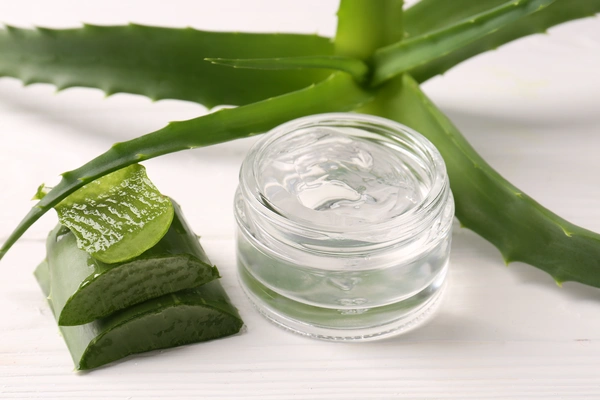
Let’s start with the thick, clear stuff inside the leaf called aloe vera gel. This is the part that most people know. The gel is inside the plant’s leaves and helps it store water, which helps it live in dry conditions.
In the plant world, it’s the gardener’s best friend when it comes to first aid.
People often put fresh gel on small burns, dry skin, or hands that have been in the sun for a long time after digging borders or pruning roses. It’s cooling, calming, and very easy to use right from the aloe vera plant.
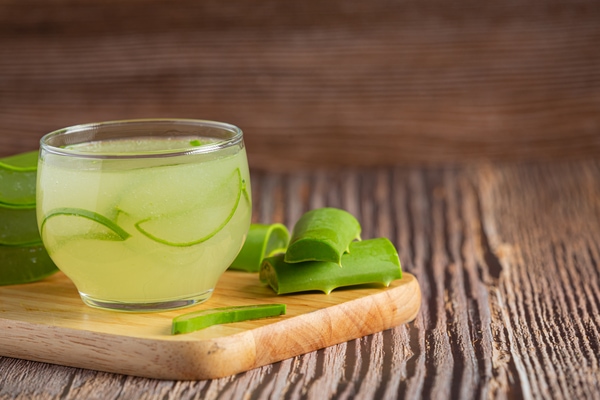
Aloe vera juice, on the other hand, comes from a different part of the leaf. Usually, the whole leaf is crushed or blended after the outer latex layer has been carefully taken off.
Aloe juice that is made for sale is filtered and mixed with water to make a drinkable liquid. Gel is thick and meant to be put on the skin, while juice is thin and meant to be drunk.
However, gardeners should always use properly processed products instead of making their own, because raw aloe latex can be irritating.
Both products come from the same easy-to-care-for succulent, which is good for growing. Plants that are healthy have fuller leaves, which means they make more gel and usable material over time.
Your aloe will stay healthy if you give it bright light, soil that drains well, and only water it when it needs it.
So, think of it this way: gel soothes the outside, and juice strengthens the inside. Your aloe vera plant earns its keep either way. It looks great on your windowsill and is also one of nature’s most useful garden companions.
- Aloe Vera Gel: The clear gel found inside aloe leaves is known for its soothing properties and is often used topically for skin care.
- Aloe Vera Juice: Made from the entire leaf, aloe vera juice is consumed for its internal health benefits, such as digestive support and immune system enhancement.
Understanding the difference between these two forms is essential for harnessing aloe vera’s healing capabilities, depending on your specific needs.
Health Benefits of Aloe Vera
Every gardener has at least one plant that they secretly think of as a hero in their home. For many of us, aloe vera is that plant.
For thousands of years, people have valued this simple succulent not only for how it looks, but also for how it helps people stay healthy. It sits quietly on a sunny windowsill.
If you grow aloe at home, you’ll always have one of nature’s most useful helpers close by.
Let’s find out why this plant is so well-known.
1. A Natural Skin Soother
One of the most well-known benefits of the aloe vera plant is that it can soothe irritated skin. The clear gel inside the leaves has chemicals that make your skin feel cool right away when you put it on.
Gardeners really like this after spending a lot of time outside, whether they have a mild sunburn, dry hands from working with soil and compost, or a kitchen burn now and then.
The gel has a lot of water in it, which helps keep skin moist and makes a thin barrier. A lot of people say it helps with small cuts, bug bites, or skin that is sensitive in general.
Having an aloe plant nearby can make you feel like you have a first-aid kit right at your fingertips.
2. Support for Hydration—Inside and Out
Aloe vera is basically an expert at storing water. That ability to hold moisture is good for us too. People like aloe-based skin care products because they hydrate without making the skin feel greasy. This makes them great for both summer heat and winter dryness.
Aloe vera juice made in a factory has also become popular as a cool drink. When processed correctly, it may help with hydration and digestive comfort.
It’s important to use moderation and only buy products from trusted sources. Fresh plants are great for topical use, but you should only drink aloe that has been made for drinking.
3. Gentle Help for Your Digestion
In the past, people used aloe vera in traditional ways to help with digestion. Aloe juice in modern forms is often sold as a way to keep your digestive system in balance and make you feel better.
Some people say that aloe drinks help them feel better after heavy meals or when their stomachs are sensitive.
It’s important to know that the yellow latex layer just below the leaf skin is very strong and can cause irritation.
That’s why juices that are made for sale remove or carefully process it. The main point for home gardeners is simple: enjoy fresh gel on your skin and leave making food to the pros.
4. A Boost for Hands That Love Plants
Gardeners know their hands take a beating when they prune, weed, lift pots, and deal with unpredictable weather. Aloe vera plant gel can help a lot in this case. It feels great on cuts and scrapes because it cools the skin, and many gardeners use it as a natural hand conditioner.
After gardening, try rubbing a little bit of fresh gel into your clean hands. It soaks in quickly and makes skin feel fresh instead of greasy, which is great if you still have seeds to plant or tools to clean.
5. Compounds that fight free radicals
Vitamins C and E, as well as polyphenols, are naturally occurring antioxidants found in aloe vera.
Aloe is a common ingredient in skin care products that help keep skin looking healthy because it has antioxidants that fight oxidative stress.
Aloe isn’t a miracle cure, and no plant is, but its ability to hydrate and fight free radicals may be why it has been popular in many cultures for hundreds of years.
6. Support for Minor Irritations
Aloe is good for a lot of common skin problems, like shaving rash and windburn, because it is so gentle. It works well for people who don’t like heavy creams because it is light and not greasy.
Some gardeners even put a leaf in the fridge to help cool off on hot summer nights.
A simple piece of advice: only pick what you need. Cut off a mature outer leaf near the base, use the gel, and give the plant some time to heal. Aloe is generous, but like all plants, it likes to be picked with care.
7. A plant that is good for your health and easy to grow
Growing the aloe vera plant might be one of the best things you can do for your health. Taking care of plants has many well-known health benefits, such as lowering stress, encouraging routine, and linking us to natural cycles.
Aloe vera is a great plant for beginners because it does better when you don’t pay attention to it all the time.
Put your plant in a bright place, water it only a little, and use compost that drains well. In return, you’ll get a strong, beautiful plant that helps you feel good every day.
8. A Few Smart Steps to Take
Aloe is great, but you need to know how to use it. Fresh gel is usually safe to use on the skin, but you should always patch-test it first if you have sensitive skin.
Don’t use homemade aloe products on the inside of your body. If you have allergies or medical concerns, talk to a doctor.
Aloe vera should not be used instead of medical care. Instead, think of it as a natural way to help with daily care, like drinking chamomile tea or taking a calming walk in the garden.
The Bottom Line
It’s not by chance that aloe vera is still so popular. It gives you moisture, calms you down, and makes you feel better, and it doesn’t ask for much in return. It is the perfect plant for gardeners who want something that looks nice and helps around the house.
When you look at that spiky rosette on your windowsill, remember that you’re not just growing a houseplant. You’re taking care of a plant friend that has been around for hundreds of years and is still useful.
Skincare
Aloe vera is well-known for its topical applications. Its gel is rich in vitamins, antioxidants, and anti-inflammatory compounds, which provide relief for various skin issues.
Key benefits include:
- Sunburn Relief: Aloe vera gel is widely recognized for its soothing properties on sunburnt skin. Its moisturizing effect reduces inflammation and promotes healing.
- Wound Healing: The plant’s unique compounds, such as glucomannan, assist in wound healing and skin regeneration.
- Anti-Aging Effects: Aloe vera promotes collagen production, maintaining skin elasticity and reducing the appearance of fine lines and wrinkles.
Digestive Health
Aloe vera juice can act as a natural laxative, aiding in digestive health.
Key advantages include:
- Soothing Digestive Tract: Aloe vera contains enzymes that help break down sugars and fats, promoting better digestion.
- Flushing Toxins: Regular consumption of aloe vera juice can assist in detoxifying the digestive system, alleviating symptoms of constipation and bloating.
- Irritable Bowel Syndrome (IBS) Relief: Some studies suggest that aloe vera may help manage symptoms associated with IBS due to its anti-inflammatory properties.
Immune System Support
Aloe vera is rich in vitamins C and E, as well as beta-carotene, which act as antioxidants.
Benefits include:
- Enhancing Immunity: Antioxidants work to combat oxidative stress and support overall immune function.
- Inflammation Reduction: Aloe vera has powerful anti-inflammatory effects that can reduce chronic inflammation in the body, leading to better health outcomes.
Oral Health
Aloe vera’s antimicrobial properties make it an excellent addition to dental care practices.
Key points:
- Gum Support: Aloe vera gel can be effectively used to soothe inflamed gums and may help combat periodontal disease.
- Toothpaste Alternative: Some natural toothpaste brands include aloe vera for its soothing and anti-bacterial properties.
Weight Loss
Aloe vera may also play a supportive role in weight management.
Key benefits include:
- Boosting Metabolism: Factors in aloe vera can help enhance metabolic rate, thus assisting in weight loss efforts.
- Suppressing Appetite: The natural laxative effects can help flush out waste, leading to a feeling of lightness.
How to Use Aloe Vera
Topical Applications
- Skin Soothing: Apply fresh aloe vera gel directly to the skin to soothe sunburn, rashes, or minor cuts.
- Face Masks: Combine aloe vera gel with honey for a hydrating face mask that enhances skin glow.
Oral Consumption
- Aloe Vera Juice: Drink 1-2 ounces of pure aloe vera juice daily to support digestion and overall health.
- Smoothie Booster: Add aloe vera gel to smoothies for added health benefits and a refreshing taste.
Frequently Asked Questions (FAQ) about the Aloe Vera Plant
1. What is aloe vera most famous for?
Aloe vera is best known for helping with small burns, sunburn, and irritated skin. The gel in its leaves cools the skin and helps it stay hydrated and calm naturally.
2. Is it okay to use aloe vera straight from the plant?
Yes, for use on the skin. You can put fresh gel straight from a clean, healthy leaf on your skin. But you should stay away from the yellow latex layer under the skin because it could irritate it.
3. Does aloe vera help dry skin?
Yes, for sure. Aloe gel is great for daily hydration because it has a lot of water and light plant compounds that moisturize without making your skin feel greasy.
4. Does aloe vera help with sunburn?
A lot of gardeners say it’s great. Aloe’s cooling effect can help soothe redness and pain from mild sunburn while also helping the skin heal.
5. Can aloe vera help with bug bites or small cuts?
Yes. People often use aloe vera gel on small cuts, scratches, and bites because it feels good and helps the area stay moist while it heals.
6. Is it good for you to drink aloe vera plant juice?
Some people use store-bought aloe vera juice to help with hydration and digestive comfort. Drink only things that are meant to be eaten; homemade aloe drinks are not a good idea.
7. Are there antioxidants in aloe vera?
Yes, it does. Aloe has vitamins C and E, which are antioxidants, and other plant compounds that help protect skin from stress in the environment every day.
8. Can the aloe vera plant help the hands of gardeners?
Yes, for sure! Aloe gel is a great natural hand conditioner after pruning, weeding, or working with soil. It helps soothe dryness and minor irritation.
9. Is there anything you should be careful about when using aloe vera?
Always test a small area first, especially if your skin is sensitive. Don’t eat raw aloe from the plant, and if you have allergies or health problems, talk to a doctor.
10. Is it worth it to grow the aloe vera plant at home?
Yes, it’s one of the easiest and most useful houseplants to grow. Aloe vera is easy to care for and gives you a natural gel that soothes your skin whenever you need it.
The Future of the Aloe Vera Plant
Aloe vera has a lot of potential, and research is still finding new ways it can help. People are becoming more health-conscious, which is making the demand for natural alternatives like aloe vera grow.
People are using aloe vera more and more in their health and beauty routines, from skin care products to health supplements.
New Uses in the Food Industry
Aloe vera is being added to food and drink products. Aloe-infused drinks, yogurts, and snacks have been made because of the plant’s refreshing taste and health benefits. These products are aimed at health-conscious people who want functional foods.
Aloe Vera Plant in Beauty Products
The cosmetic industry loves aloe vera because it can help keep skin moist and calm. Aloe vera is a common natural ingredient in products like shampoos and creams. This makes it popular with people who like organic and eco-friendly products.
Summary
Aloe vera plant is a true healing powerhouse from nature. It has a lot of health benefits, from helping with skin problems to improving digestion and boosting the immune system.
People can use this amazing succulent to improve their health and well-being by learning its secrets.
Using aloe vera gel on your skin or drinking aloe vera juice for health benefits are both great ways to make this amazing plant a part of your daily life.
As research moves forward, the future of the aloe vera plant will bring even more exciting things. Accept its secrets, and let nature’s healing power change the way you feel about your health.