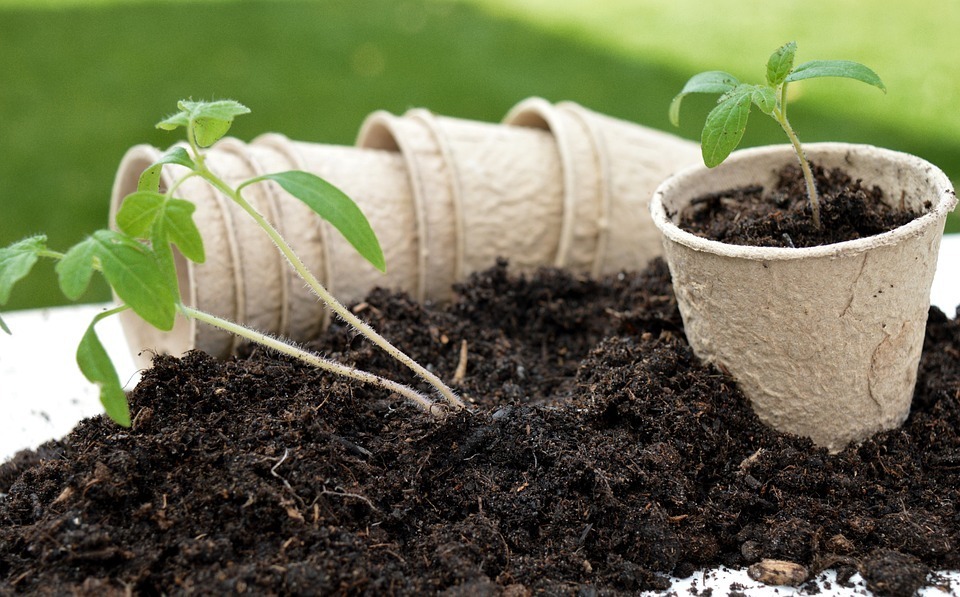
Understanding the type of soil you’re working with is key to the success of your crops, when growing a garden or cultivating plants.
Coming from different plants, they all have their own preferred soil types, and getting it wrong can have a major impact on the health and yield of your plants.
Well-known soil types and their characteristics will be broken down in this article, and with this knowledge you’ll be able to figure out which type is best for the plants you want to grow, and therefore, get the most out of your garden.
Why is Soil Important for Plant Growth?
Why soil is important for plant growth is something we’ll delve into, since it’s not just about getting the right soil, it’s about meeting the distinct needs of each plant.
Soil serves as the foundation for plant growth, providing essential nutrients, water, and support for roots. Different plants have different requirements when it comes to soil pH, nutrient levels, and texture.
By understanding the specific needs of your plants, you can select the right type of soil to promote healthy growth and maximize productivity.
Water and fertilisers, but beneath our feet lies the key to their survival and success. The humble soil, when we’re thinking about healthy plants we often focus on sunlight.
Soil isn’t just dirt, it’s a living ecosystem that provides the foundation for plant life on earth and is the most critical element in our agriculture and gardens.
1. Soil Provides Physical Support
Well-known for its ability to act as a physical support, soil literally holds plants upright and in place, and anchors the roots as they fight against the elements.
With that being said, the structure of soil can hinder the growth and ability of plants and while sandy soils drain rapidly and dry out, and clay soils don’t hold water all too well. Loamy soils sit somewhere in the middle, with an excellent balance of stability and porosity, which suits most crops perfectly.
2. Soil Supplies Essential Nutrients
Soil acts as the world’s larder too, being the reservoir of the things plants require to flourish, grow, bloom, and ripen.
The top 3 essential ingredients nitrogen, phosphorus and potassium.
All get their start in soil: nitrogen is great for leafy greens, phosphorus is fantastic for root growth and flowering, and potassium is essentially like a shield that hardens plants and keeps them resistant to illness.
Other trace and secondary ingredients, including calcium, magnesium, iron, and zinc are also very important for a well-baled metabolism. When the soil is rich in these nutrients, plants explode in growth, but when they are lacking, crops are destined to grow into nothing much.
3. Soil Acts as a Water Reservoir
Good soil sucks up the excess water and stores it away for the plants to use as needed.
The way it does this is quite different in various types of soil, though.
Sandy soils are rubbish at retaining water, clay soils can smother the roots if they get too compacted, whereas loamy soils strike the perfect balance between draining off excess water and holding onto what they need.
4. Soil is Home to Beneficial Organisms
We often overlook the soil beneath our feet, when we think about the life that inhabits our planet. But the reality is, soil is teeming with life. Worms, fungi, bacteria, and insects all contribute to a healthy environment, that breaks down organic matter, improves soil structure and shielding us against harmful pests and pathogens.
Nitrogen-fixing bacteria found on legume roots for example convert atmospheric nitrogen into a plant-useable form, and soil, which is otherwise responsible falters. In today’s economic terms, it is the “hidden workforce” which keeps the ecosystem ticking.
5. Soil Helps Regulate Temperature
Soil functions like an insulation layer for plant roots, warding them off from scorching heat in the daytime and protecting them from frosty nights.
Mulched or organic-rich soils do an exceptional job in soothing temperature extremes and giving crops a level environment in which to grow, and taking care of our soil through composting, crop rotation and reduced tilling secures both sustainability and ecological defense.
6. Soil Stores Carbon and Supports Sustainability
Coming from a global point of view, soil plays a huge role in the carbon cycle.
Organic matter in soil traps carbon that could otherwise go up into the air. This does double duty, giving the soil its fertility, and combating global warming.
Well-known methods to keep the soil in tiptop shape are composting, crop rotation and less intense tillage, and both farmers and gardeners are highly watchful for the condition of their soil and will add amendments and nurturing measures accordingly.
7. Soil Quality Determines Plant Health
The truth is, not all soils are of the same quality. Poisonous elements, missing nutrients, erosion and crunching are all problems in lower quality soils, and result in feeble plants which are more susceptible to disease and pests, whereas plush, well-structured soils produce much more robust, hardier crops.
This is the reason why farmers and gardeners regularly monitor soil quality and take measures to improve it
Types of Soil
1. Sandy Soil
When discussing the most commonly encountered soil types, sandy soil is hard to miss. It’s characterised by its gritty texture and excellent drainage. You’ll find that the lightness and aeration of this soil make it a breeze to work with, yet it’s got one major drawback. Anything in it tends to get thirsty very quickly, and as the years go by, the soil depletes its nutrients.
Well-known plants like lavender, rosemary and succulents love this sort of soil because they hate getting waterlogged, and the sandy soil helps prevent that. It also warms up fast in spring so you can get a head start on planting, and the loose structure makes digging, planting and expanding roots a cinch.
The biggest issue with sandy soil is its failure to hold onto water and nutrients.
Fertilisers and compost just run straight through it, leaving your plants starved. It also can dry out rapidly in hot weather, and stresses out plants that love water. If left unamended, it’s unable to give what’s needed to the sort of high-demanding crops like tomatoes and roses.
One way to fix these issues is to add organic matter like compost, leaf mould or well-rotted manure to the soil.
Mulching also helps keep the moisture coming in, and slow-release fertilisers feed the plants steadily. And over time, this builds up the structure and fertility of the soil turning it into a much more productive growing medium.
2. Clay Soil
For gardening, clay soil is often viewed as a challenge. It’s dense, heavy and sticks to everything from your boots to your gardening tools, but when properly understood and improved, clay soil can be transformed into a vibrant, productive soil.
Well-known for its very fine particles that pack tightly together, clay soil doesn’t allow for much air or water to pass through and after heavy rain showers, it sticks to everything.
In hot weather, it hardens into unyielding clods. However, clay soil, in its natural state is rich in nutrients. The good thing about it, is that it takes a firm grip on the minerals that it has got. Calcium, potassium and magnesium, and leaves them there, unlike sandy soils.
One of the best things about clay soil is that it can store a lot of moisture.
Again, too much isn’t good, but it does mean that you don’t need to water your plants all the time, and once you’ve improved your clay soil, it’s going to provide a stable, fertile base for lots of different types of plants.
The slow warming up of the soil in the spring can be a challenge, and the heavy clay density often results in waterlogged conditions that kill off the roots and lead to rot, when planting in clay soil. A dry day can also cause the clay to harden, and prevent the roots of your plants from growing properly, meaning that clay soil demands a lot of effort to get it in a condition where your plants can grow healthily.
Well-known methods for making clay soil more user-friendly include adding compost, well-rotted manure, and leaf mould, which all have the ability to knock the hard clay particles apart and create aeration and drainage. Gypsum is sometimes used to loosen very heavy clays, but mulching is also a must. Stopping the top of the soil from drying out and cracking, and saving the moisture for the roots to drink. Raised beds, or adding grit to your soil, will also sort out the problems with drainage and workability.
It’s true that some plants don’t like clay, but many will flourish in it, provided the soil has been given a bit of TLC. Roses, daylilies, asters and some fruit trees love the rich conditions that clay provides, and deep-rooted vegetables such as beans and brassicas can also adapt well with the right soil preparation.
3. Loamy Soil
Loamy soil is considered the “gold standard” and offers the best environment for most of the plants to grow in. If you’re lucky to have loamy soil, you’re basically set, but even if you don’t, you can manipulate your existing soil to bring it closer to loamy conditions.
Well-known for its balance of sand, silt and clay, loam is easy to dig through, yet has enough structure to keep plant roots grounded, provides top-notch drainage, keeps the soil hydrated, and lets roots roam freely to grab air, water and nutrition.
One of the main things that make loamy soil such a popular choice is that it has a perfect balance of nutrient and hydration. Coming in between the too-hasty drainage of sandy soil and the waterlogged state of clay, it’s basically the happy medium. Its silky texture also makes planting, weeding and cultivating a piece of cake.
Loamy soil is also an absolute nutrient goldmine. It contains a wonderful combination of minerals and organic matter, and plants can get going quickly as it helps them send out healthy roots. Almost all the types of plants you could want. From vegetables, to fruit trees, flowers, and shrubs do wonderfully in this type of soil.
Loamy soil is not, however, entirely maintenance-free. Over time its structure and fertility will decline if regular additions of compost, leaf mould or rotting manure are not made, and heavy rain showers can strip the soil of its nutrients, which need to be replenished through mulch and natural fertilisers.
If you have a different type of soil, there’s no need to despair.
You can gradually improve it so it becomes more similar to loamy soil. Regularly adding compost, leaf mould or rotting manure, using mulch and avoiding heavy tilling is all you need to bring your soil into the world of loamy conditions.
Determining Soil Types
Understanding the qualities of your soil is key to the success of your plants.
Sunlight, water, and fertilizers are just as important, but being aware of the physical properties of your soil – specifically the soil’s texture, pH, and drainage can improve your soil structure and aid in the best choice for your plants.
There are several methods you can use to determine the type of soil in your garden:
1. Soil Texture
Soil texture, determines not just its ability to feel, gritty, smooth, or sticky, but affects everything: water retention, nutrition as well as the development of roots.
Take a handful of moist soil and give it a go, with your fingers to check on your soil’s texture.
Sandy soils fall apart immediately, sticky clay soils shape into a firm ball, silty soils are smooth and create a weak ball, loamy soils crumble, yet still hold its shape, which is basically the picture-perfect soil for any gardener.
Almost anything in your garden is affected by the texture, including how rapidly water drains off, the availability of nutrients and root development.
Sandy soils can drain very well but are poor in nutrients, while clay soils are fertile but often drown out.
2. Soil pH
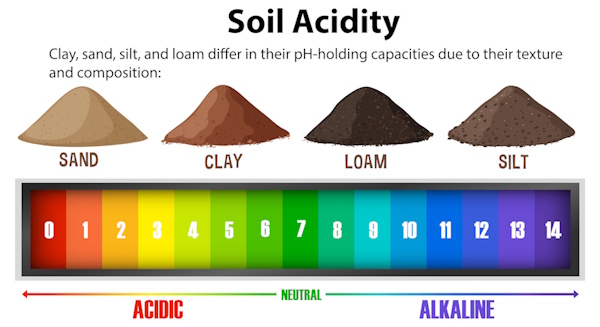
Soil pH, is a measure of how acidic or alkaline the soil is, running from 0 to 14.
Regions with lots of rainfall tend to have more acidic soils, whereas dry areas or chalky soils have higher pH readings.
PH has a huge impact on how well plants can take in nutrients. Acidic soils can lock away calcium and magnesium, severely hindering the health of your plants. On the other hand, alkaline soils restrict iron accessibility and turn leaves yellow.
As for soil, pH levels can be adjusted, lime is the answer to acidic soils, whereas sulfur works its magic in alkaline soils.
3. Soil Drainage
Drainage in the soil is basically how well it can absorb and store water, and can be a killer to the roots of plants if it’s too poor, or leaves them parched if the drainage is too fast.
One easy way to test your soil’s drainage is to dig a hole about a foot deep and wide, fill it up with water and watch how long it takes to drain.
If it’s gone within an hour, you’ve got very sandy soil, if it takes more than four hours you’ve got heavy clay soil that can turn to mush in wet conditions.
Improving drainage usually involves adding compost, mulching or stacking up your beds to give them a bit of a boost, and well-known soil types.
Sandy soils are quick draining, acidic and run low on nutrients, clay soils are stuffed with nutrients but won’t let any water go through and tend to be alkaline, and loamy soils sort of balance out all three, offering the perfect growing space.
Since soil conditions can vary across your garden, test it in different spots, and come back for a second look every couple of years to see if anything has changed.
Adding compost will sort out any problems with the texture and drainage and if you know what type of soil you have you can pick plants that’ll love it, like lavender does in sandy soils and cabbage does in the heavier clay.
Enhancing Soil Quality
Regardless of the type of soil you have, there are several ways you can enhance its quality to create a better growing environment for your plants:
1. Adding Organic Matter
One of the best ways to get your soil back in shape is to add organic matter, which can work wonders for the soil structure, fertility and overall health, no matter if your soil is sandy, clay-heavy or somewhere in the middle.
Organic matter such as compost, well-rotted manure, leaf mould, or kitchen scraps feeds the soil and not the plants. As it breaks down it pumps the soil with the things that plants love, nitrogen, phosphorus and potassium. This creates a storehouse of nutrition that your plants can dip into as needed, reducing the need for chemical fertilisers.
Well-known benefits of organic matter include a more even structure.
Sandy soils now hold water better, and clay soils are easier to work with. It’s also a miracle worker when it comes to managing water. Organic matter is like a sponge soaking up the excess and storing it away for when the plants need it most.
Microbial life explodes in soil that’s loaded with organic matter, and these friendly organisms break down matter and release the nutrients into the soil in a completely natural way. Healthier soils give plants stronger roots, making them less susceptible to pests, diseases and droughts.
If you want to add organic matter to your garden all you need to do is spread a 2-3 inch layer of compost or well-rotted manure over your beds every year, gently mixing it into the upper few inches of soil or leaving it as a mulch to be broken down by nature.
2. Mulching
Looking at to give your garden a boost, mulching is one of the simplest yet most effective methods, and it’s virtually effortless.
Covering the soil with organic or inorganic material, mulch provides the perfect conditions for healthy plant growth, helps conserve water and reduces the need for constant garden maintenance.
By suppressing weeds, mulch ensures a reduction in the need for weeding, saving you time, effort, and a myriad of weed-related problems in your garden.
Now, organic mulches can be described as the superstars when it comes to soil fertility, in fact, some of the best materials include compost, bark, leaves, and grass clippings. A couple of reasons they shine in such capacity is that they can also disintegrate well, donating the required nutrients and fine-tuning the soil’s architecture.
Coming from the complete opposite end of the spectrum, are inorganic mulches such as stones or landscape fabric that have a longer lifespan and are primarily used for areas that don’t require enrichment, as they add less to the soil.
The rules of application are pretty straightforward, spread a 2-3 inch layer of mulch around your plants, keeping it a couple of inches away from the stem or trunk to avoid rot. Replenish as necessary, especially for the organic types which will gradually disintegrate.
Learn more about mastering mulch >
3. Soil Testing
When it comes to the health of your garden, healthy soil is the backbone that everything else builds upon, but don’t be fooled by appearances, because dark, crumbly soil can still be severely lacking in the necessary nutrients and even have the wrong pH.
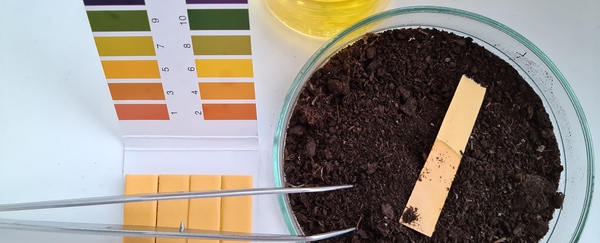
Well-known as the best way to get to the bottom of what’s really going on in your soil, soil testing is a snapshot of a soil’s health and gives you the lowdown on nutrient levels, organic matter content and the pH balance.
All of which affect how well your plants will grow.
Problems can arise from soil that’s either too acidic or too alkaline. Soil that is too acidic will stop your plants from soaking up the calcium and magnesium they need, and if the soil is too alkaline it won’t let them get their hands on iron and phosphorus.
Soil testing lets you zero in on these issues before they get serious.
Coming from a gardener’s perspective, this targeted fertilisation approach will knock out the guesswork and keep you from throwing money down the drain on useless chemicals, sends your plants soaring with balanced soil, builds resistance to pests and diseases and cuts down on waste and run-off from pointless fertiliser applications.
Home test kits, which are widely available at garden centres, will give you a basic idea of your soil’s pH and nutrient levels, but if you want the whole story, send your samples off to a local agricultural extension or a professional lab. When sending your samples you’ll want to mix soil from a few different parts of the garden, follow the instructions and make sure the readings are accurate.
Summary
In the case of gardening, understanding the type of soil you’re working with is crucial in creating a successful growing environment.
The specific steps you can take to make the most out of the soil in your garden will vary depending on the soil type – sandy, clay, or loamy, but, there are always steps you can take to ensure that your plants receive the nutrition and support they need to grow.
Unlocking the power of soil will provide the key to achieving healthy and productive plants in your garden. You don’t need lots of time or work but with a combination of knowledge and a bit of effort you can start to bring out the best in your garden, and create an environment where plants can thrive.
To really get started, you’ll need to dig deeper into your soil and see what kind it is, after which you can figure out what it needs to flourish, and then take the necessary steps. A healthy, beautiful, and bountiful garden is within reach, by applying these principles.