This guide will explore the top 10 fruit trees that thrive in various climates, offer tips for success, and address common questions to ensure a fruitful harvest.
Creating a home garden filled with fruit trees not only enhances the beauty of your landscape but also provides delicious, fresh produce right at your fingertips.
Whether you have a sprawling yard or just a small space, fruit trees can be an excellent addition to your home garden.
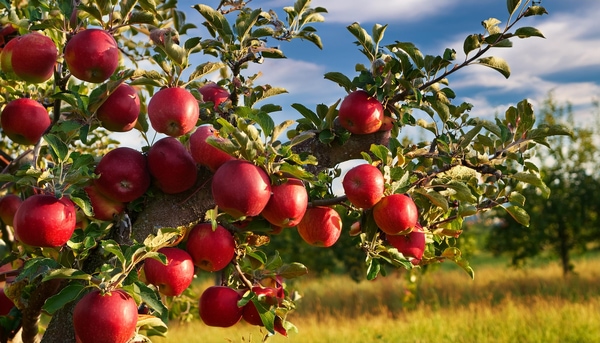
1. Apple Trees (Malus domestica)
Growing apple trees is a very traditional thing to do. Maybe it’s the spring flowers blowing through the garden or the joy of picking your own fruit on a cool fall morning.
Apple trees (Malus domestica) are still one of the best things you can add to your garden, no matter what the reason. The good news is that you don’t need an orchard to grow them well.
See also: From Seed to Orchard: Guide to Growing Apples
Overview
Apple trees can do a lot of different things. Because of modern rootstocks, they can be grown in big gardens, small suburban plots, or even pots on patios.
There is an apple tree for almost every situation, from elegant espaliers trained against a sunny fence to neat dwarf trees that fit well in small spaces.
Apple trees are interesting all year long, not just when they have fruit. Spring brings clouds of flowers that pollinators love, summer brings thick green leaves, and fall brings colorful, tasty harvests.
You can choose between dessert apples, which are good for eating fresh, cooking apples, which are good for baking, or dual-purpose apples, which are good for both.
Important Things to Think About
Pick the Right Type
Choosing a variety that fits your climate and taste is the first step to success. Some apples ripen early, while others do so later.
Many new varieties are also better at fighting off diseases, which is always a plus for gardeners who don’t want to have to do a lot of work.
Think About Pollination
Most apple trees need another type of apple tree that is compatible with them to grow fruit. This doesn’t always mean planting two trees yourself; gardens next door often help.
But when you buy, check pollination groups to avoid disappointment later.
The location is important.
Sunshine is good for apple trees. Look for a bright, open space that gets at least six hours of direct sunlight every day. It’s also important to have good drainage because roots don’t like being in wet soil.
Adding compost when you plant trees helps them grow strong and gives them a good start.
Planting and Taking Care of
You can plant bare-root trees in the fall or early spring when the ground is not frozen, or container-grown trees whenever the ground is not frozen.
Put the graft union above the ground, water it well after planting, and put a stake in the ground to hold up the new growth.
Watering the plants every day for the first year helps the roots grow. After that, apple trees don’t need much care. They only need to be watered once in a while when it’s dry and fed in the spring with balanced fertilizer.
Pruning may seem hard, but simple care can make a big difference. Cut off any branches that are dead or crossing each other, and try to make the tree’s shape open so that air and light can get in.
Tips
- Choose a rootstock that fits in the space you have.
- Plant in soil that drains well and gets a lot of sun.
- Support bees because they are necessary for pollination.
- Thin out the crowded fruit so that the apples are bigger.
- Instead of cutting back a lot all at once, cut back a little each year.
Apple trees are a long-term pleasure for gardeners. Every season builds on the last, and soon your tree becomes a part of the garden’s story.
It gives bees flowers, shade on hot summer days, and baskets of homegrown apples to enjoy year after year.
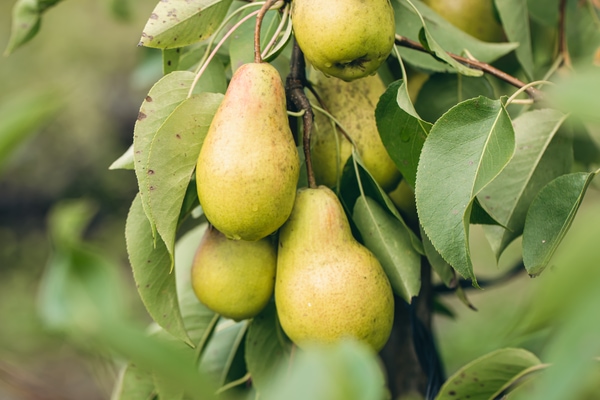
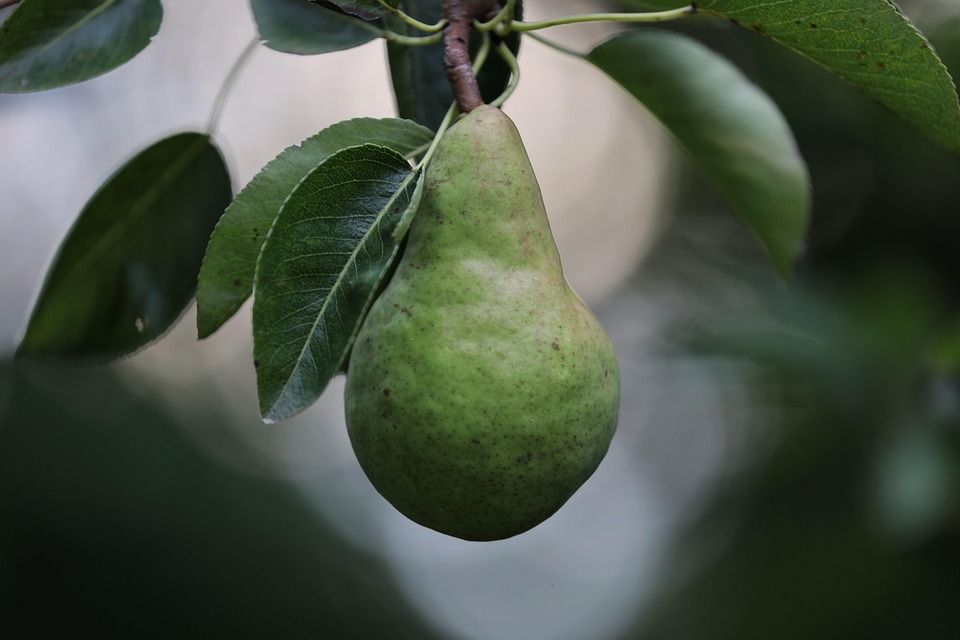
2. Pear Trees (Pyrus)
Apple trees are the stars of the fruit garden, but pear trees are their quiet, elegant cousins.
Pear trees (Pyrus) add beauty and productivity to the garden with their graceful shapes, beautiful spring flowers, and delicious fruit. They are also often easier to grow than many gardeners think.
Pears are a great choice whether you want to make your own pear crumbles or just want a beautiful flowering tree that also feeds you.
Overview
People have grown pear trees for hundreds of years, and they do especially well in temperate climates like the UK.
They look good all year long: in spring, they have delicate white flowers; in summer, they have glossy green leaves; and in early autumn, they have golden fruit that is ready to eat.
Modern pears can be grown in many different ways, unlike the big orchard trees of the past.
Dwarf varieties that are compact are good for smaller gardens, and trained shapes like espaliers or fans look great against sunny walls and fences.
Pears grow straight up, which makes them great fruit trees that don’t take up a lot of space.
There are two main types of popular garden pears:
- Dessert pears – sweet and juicy, great for eating fresh
- Culinary pears – great for cooking, poaching, or preserving
Many gardeners find that pears they pick themselves taste much better than pears they buy at the store. They are softer, sweeter, and smell great.
Important Things to Think About
Pick the Right Variety
Not all kinds of pears grow well in every garden. Some plants do better in cooler areas, while others do better in warmer, more protected spots. To make things easier, look for types that are known to be reliable and resistant to disease.
Pollination Needs
Most pear trees can’t pollinate themselves, so they need a partner that is compatible. This tree could be in your garden or one that is growing nearby.
When you buy plants, make sure to check the pollination groups so that you can enjoy a good harvest later.
Sun and Shelter
Pears like to be warm. A sunny, protected area helps flowers grow strong and fruit develop well. Planting close to a wall that faces south or west can help yields, especially in cooler areas where flowers might not do as well.
Pear roots don’t like wet soil, so good drainage is important. Adding compost to the soil before planting helps make it more fertile and better for plants.
Planting and care
When they are dormant, bare-root pear trees should be planted between late fall and early spring. Container-grown trees can be planted almost any time of year.
Make a big hole for the tree and place it so that the graft union is above the ground. Firm the ground around the young trees, water them well, and stake them down to keep them safe from the wind while their roots grow.
Consistent watering is very important in the first year. Once they are established, pear trees don’t need much care. They only need to be watered once in a while during dry spells and fed a balanced diet every spring.
Pruning pears is like pruning apples, but it’s a little easier. The goal is to make an open structure that lets in light and air. Pruning in the winter shapes the tree, and light pruning in the summer helps keep strong growth in check.
Tips
- Put the plant in a sunny, protected spot.
- Before you buy, make sure the plants can pollinate each other.
- For smaller gardens, pick dwarf or trained forms.
- Thin out the growing fruit to make it bigger and better.
- If you can, keep the blossom safe from late frost.
- Pick pears when they are still a little firm and let them ripen inside for the best taste.
Growing pear trees is a great way to learn patience and get something good out of it. They might take a while to get used to, but once they do, they make great garden companions. They provide flowers for pollinators, add beauty to the landscape, and produce tasty fruit year after year.
In short, pear trees are the best combination of beauty and usefulness. Plant one and take good care of it. You’ll soon see why so many gardeners have made room for *Pyrus* in their gardens.
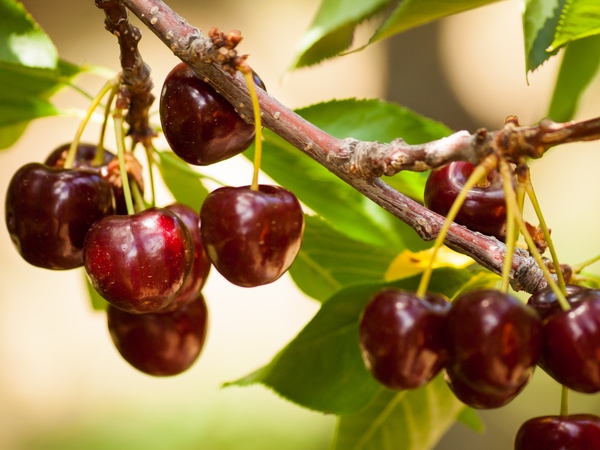
3. Cherry Trees (Prunus avium)
There aren’t many things in the garden that are as exciting as picking your own cherries. Cherries are a real gardener’s treat because they are sweet, shiny, and often eaten right off the tree before they even get to the kitchen.
Growing cherry trees (Prunus avium) is much easier than most people think, even in small gardens.
Cherry trees are both beautiful and useful because they have beautiful flowers, attractive leaves, and tasty fruit.
Overview
People love sweet cherry trees (Prunus avium) because of how beautiful they look in the spring.
In the spring, clouds of white flowers show up, attracting bees and bringing life back to the garden right away after winter. By summer, those flowers turn into groups of shiny fruit that look good and taste good.
Thanks to carefully chosen rootstocks, modern cherry trees come in a variety of sizes.
This means you don’t need a traditional orchard to grow cherries anymore. Compact dwarf varieties do well in small gardens or big pots, and trained fan shapes look great against warm walls.
People usually eat sweet cherries raw, but sour cherry varieties are often used for cooking and making preserves.
In any case, nothing beats the taste of fruit that has ripened naturally in the sun.
Important Things to Think About
Pick the Right Size Tree
Choosing the right rootstock is one of the most important things you can do. Standard cherry trees can get very big, but dwarf or semi-dwarf trees are easier to handle and pick.
Some types of cherries can pollinate themselves, which is great for small gardens because they can grow fruit on their own. Some need a pollination partner close by, so always check before you buy.
Sun and Shelter
Cherries like to be in the sun and warmth. A bright, protected spot will help the flowers bloom and make the fruit taste better.
Planting close to a wall that faces south or west can also keep flowers safe from late frosts and help them ripen.
Cherries don’t like wet roots, so the soil needs to drain well. Before planting, add organic matter to your heavy clay soil to help it drain better.
How to Plant and Care for
If you want to plant cherry trees in the fall or winter when they are dormant, you can do so with bare-root trees.
If you want to plant them at different times, you can also use container-grown trees. Make a big hole, place the graft union above the soil level, press down gently, and water well.
Staking young trees helps keep them from being damaged by the wind while their roots grow. Water often during the first growing season, especially when it is dry.
Using a balanced fertilizer in the early spring helps plants grow and make fruit. Mulching around the base helps keep moisture in and weeds down. Just make sure the mulch doesn’t touch the trunk directly.
You should prune cherries in the summer, not the winter, like you do with apples. Pruning in the summer lowers the risk of disease and helps keep the shape of the tree under control.
Tips
- For smaller gardens, pick varieties that can pollinate themselves.
- For the sweetest fruit, plant in full sun.
- Use netting to keep birds away from cherries that are getting ripe.
- Trim lightly in the summer to keep the shape.
- For the best taste, pick fruit when it is fully colored and a little soft.
- Consider fan training against a wall to save space and increase warmth.
One of the best things about gardening is that you can grow cherry trees. Cherries add beauty and abundance to the garden year after year.
They bloom in the spring, provide shade in the summer, and have bowls of fruit to enjoy.
Give your tree some sun, protection, and time, and you’ll soon see why gardeners all over the world love Prunus avium.
After all, it’s hard to beat the joy of eating cherries right from your own tree.
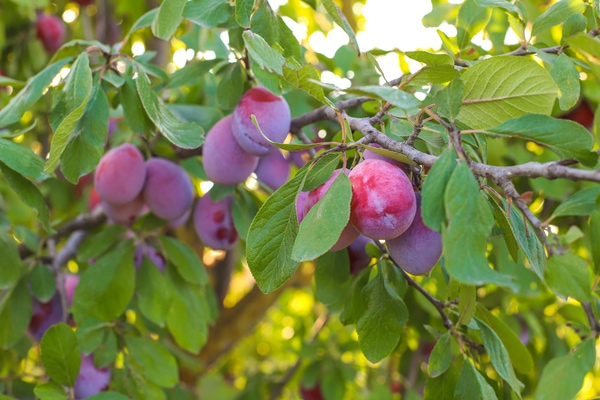
5. Plum Trees (Prunus domestica)
Plum trees (Prunus domestica) are hard to beat if you want a fruit tree that is beautiful, reliable, and gives you a lot of fruit. Plums are often thought of as one of the easiest fruit trees for home gardeners.
Even a little bit of work will get you baskets of juicy fruit that are great for eating fresh, baking, bottling, or making homemade jam.
Plum trees are also great for beginners because they fit well in a lot of different garden sizes.
Overview
Plum trees make gardens look good all year long. As the garden starts to wake up in early spring, the branches burst into delicate white flowers that attract bees and other pollinators.
After that, fresh green leaves grow, making a soft canopy that lasts all summer. Then, colorful fruit ripens from late summer to early fall.
There are many kinds of plums in the Prunus domestica family. Some are sweet dessert plums that you can eat straight from the tree, while others are good for cooking and preserving.
Some types even mix the two, which makes them useful in the kitchen.
Modern rootstocks let you grow plum trees as small bush trees, half standards, trained fans against walls, or even in big pots. This is great for small gardens or patios.
Important Things to Think About
Choosing the Right Type
One of the best things about plum trees is that many types are self-fertile, so you only need one tree to get fruit. They are great for gardens with little room because of this.
Think about the time of year you want to harvest as well as the taste when picking a variety. If you have the room, early, mid-season, and late varieties can help you have plums for a longer time.
Sun and Shade
Plums do best in full sun. A warm, protected spot helps the flowers bloom better and the fruit taste better. Stay away from frost pockets, which are places where cold air collects. Late frosts can hurt spring flowers.
Conditions of the Soil
Plum trees like soil that is rich in nutrients, drains well, and holds some moisture without getting too wet. Adding compost or well-rotted organic matter when you plant young trees is a great way to help them grow.
Planting and Taking Care of
The best time to plant bare-root plum trees is when they are dormant, which is between late fall and early spring. You can plant trees that have been grown in containers any time of year as long as the ground isn’t frozen or too wet.
Make a wide hole for planting and place the tree so that the graft union is above the ground. Firm them up gently, give them a lot of water, and stake them down to keep them safe from strong winds.
Regular watering helps roots grow strong during the first year. Plum trees don’t need much care once they’re grown up, but they do better if you water them when it’s dry for a long time.
Use a balanced fertilizer in the spring and mulch once a year to keep the soil healthy and hold onto moisture.
Cutting and Taking Care Of
Plum trees should not be pruned in the winter, like apple and pear trees. Instead, they should be pruned in the spring or summer. Pruning in the winter can make plants more likely to get sick, especially silver leaf.
Keep pruning simple by getting rid of branches that are dead, broken, or too close together. Make sure the structure stays open so that sunlight and air can flow through.
Plums grow into a nice shape on their own, so you don’t need to prune them very much.
If your tree has a lot of fruit, thinning some of it out early can help keep the branches from breaking under the weight.
Tips
- Pick a variety that can pollinate itself to make growing easier.
- Put the plants in a sunny, protected spot.
- Only cut back in the spring or summer.
- Thin out heavy crops to keep branches safe.
- If birds find your ripening fruit first, net the trees!
- Pick when the fruit is a little soft and has a lot of color.
Plum trees make great friends in the garden. They provide pollinators with flowers, add beauty to the landscape, and give you a lot of harvests that really taste like late summer.
Prunus domestica quickly becomes a favorite part of the garden with very little work and some seasonal care.
This shows that growing your own fruit can be both easy and very rewarding. After all, there aren’t many things that are as good as eating a perfectly ripe plum that you picked yourself.
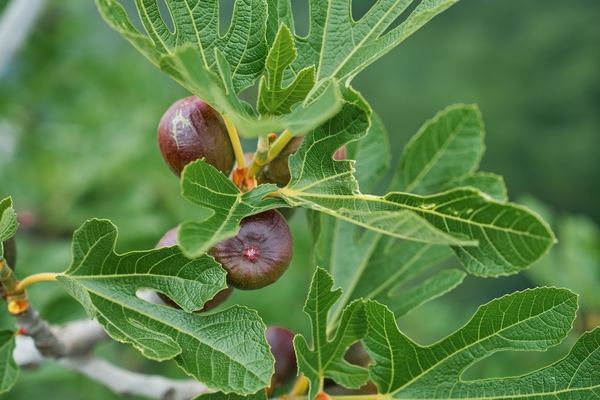
6. Fig Trees (Ficus carica)
A fig tree has a very Mediterranean look and feel. Ficus carica adds a relaxed, sun-soaked feel to any garden right away with its big, sculptural leaves and sweet, honeyed fruit.
What is the good news? You don’t have to live in southern Europe to grow figs well. When given the right conditions, fig trees can do very well in UK gardens.
Figs are a great choice if you want a fruit tree that is useful, looks nice, and is a little different.
Overview
Fig trees are one of the oldest cultivated fruit plants in the world. People love them for their beautiful fruit and their striking looks.
Their deeply lobed leaves add a lot of interest to buildings, so they look great in both fruit gardens and ornamental planting schemes.
Figs are different from most fruit trees in that they do well in small spaces and can easily be grown in pots, on patios, or in courtyard gardens.
They can be trained to grow against warm walls, shaped into small bushes, or even kept as decorative plants in containers.
In the UK, figs usually only produce one main crop in late summer or early fall. When fully ripe, the fruit is soft, brightly colored, and very sweet. It’s a real treat from the garden that you can’t find in stores.
Important Things to Think About
Warmth and Sun
Figs love the sun. The fruit ripens better when it is in a warmer spot. A wall that faces south or west is best because it reflects heat and keeps the tree safe from cold winds.
Shelter is especially important in cooler areas because warmth helps crops grow reliably.
Root Restriction: The Key to Success
Here’s a tip that might surprise you: fig trees do better when their roots are a little bit limited. Roots that aren’t restricted in open ground cause too many leaves to grow at the expense of fruit.
To keep the roots from spreading too far, many gardeners plant figs in big pots or make a small planting pit lined with bricks or paving slabs. This makes the tree more likely to focus on making fruit instead of getting bigger.
Soil and Drainage
Figs like soil that drains well, but they can handle bad conditions once they are established. Before planting, you should fix heavy, wet soil to avoid root problems.
Planting and Taking Care of
You can plant fig trees that have been grown in pots most of the time of year, as long as the ground isn’t frozen or too wet. Pick a spot that gets a lot of sun and plant it at the same depth as the pot it came in.
Water it often during the first growing season to help it grow strong roots. After that, figs can handle dry conditions pretty well, but plants in containers need more regular watering.
In the spring, use a balanced fertilizer. When the fruit starts to grow, switch to a high-potash fertilizer to help it ripen.
Figs grow quickly on their own, so yearly care keeps them manageable and productive.
Cutting and caring for
You only need to lightly prune fig trees. The goal is to keep the shape and promote fruiting wood while stopping too much growth.
Cut off branches that are dead or too many in late winter or early spring. In the summer, pinching back shoots that are too long helps keep their size in check and directs energy toward fruit growth.
During very cold spells, horticultural fleece can help protect young figs in colder areas.
Tips
- Put the plants in the warmest, sunniest spot you can find.
- To get better fruit, grow in pots or limit the roots.
- Train against a wall to get the most heat and protection.
- Water the plants often while the fruit grows.
- Lightly prune to keep the shape and airflow.
- Pick figs when they are soft and drooping. They won’t get any riper after you pick them.
Fig trees add a holiday feel to the garden with their big leaves and tasty fruit. They’re forgiving, flexible, and surprisingly simple to care for once you know how much they love warmth and how to keep their roots from growing too big.
Ficus carica can be more than just a fruit tree if you take care of it. It can be a statement plant, a conversation starter, and a tasty reminder that Mediterranean magic is always within reach, even in colder places.
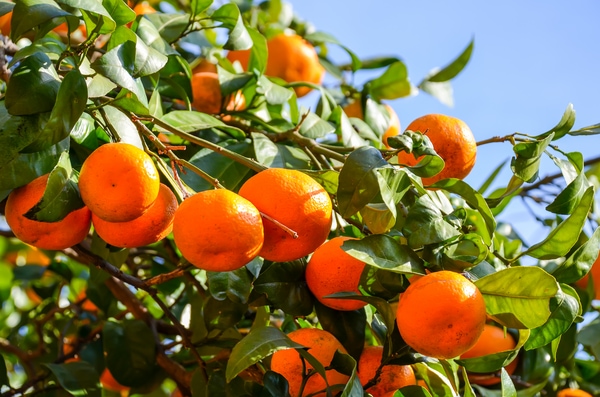
7. Citrus Trees (Citrus spp.)
Citrus trees are one of the few plants that can make a garden feel like a holiday right away.
Lemons, limes, oranges, and mandarins are some of the most cheerful plants you can grow.
They have shiny green leaves, sweet-smelling white flowers, and brightly colored fruit. Citrus trees are often thought of as growing on sunny Mediterranean terraces, but they can do very well in UK gardens, especially when grown in pots.
Citrus trees can be surprisingly rewarding additions to patios, conservatories, and greenhouses if you take care of them and put them in a sunny spot.
Overview
Citrus trees are evergreen fruit trees that are just as valuable for their beauty as they are for their fruit. Their shiny leaves and strong-smelling flowers make them stand out in any planting scheme, even when they don’t have fruit.
Lemons, limes, calamondins, and small orange varieties are all popular choices for home gardeners. One of the best things about citrus trees is that they don’t take up much space.
Most types of plants do well in pots, which makes it easy for gardeners to move them outside in the summer and keep them safe inside in the winter.
Citrus trees often bloom and bear fruit at the same time, so you might see flowers, growing fruit, and ripe citrus all at the same time. It’s a beautiful sight that never gets old.
Important Things to Think About
Sunlight Is Important
Citrus trees love the sun. They need a lot of light to grow well and make fruit. In the summer, put them outside in a sunny, sheltered spot like a patio or balcony.
In the fall and winter, put plants in a bright conservatory, greenhouse, or sunny indoor space where the temperature stays above freezing.
Growing in containers works best
Citrus trees do best in pots in the UK climate. You can control the soil conditions and move plants around depending on the season when you use containers.
Always choose pots with good drainage and use a loam-based compost made for citrus or Mediterranean plants.
Feeding and watering
Citrus trees like to stay moist, but they don’t like to sit in water. Before watering again, let the top layer of compost dry out a little.
They are plants that need food, so it’s important to feed them often. To help flowers and fruit grow, use a fertilizer made just for citrus plants from spring to late summer.
Planting and taking care of
Choose a pot that is a little bigger than the root ball when you plant your citrus tree. Put drainage material at the bottom and make sure water can flow out easily.
Every few years, when the tree grows, repot it and add new compost to keep the nutrients up.
The humidity is also important. Indoor spaces can be dry, especially in the winter. To keep plants healthy, you can mist them every now and then or put pots on trays of damp gravel.
Citrus trees like stable conditions, so once they find a spot they like, don’t move them around too much.
Cutting and taking care of
Citrus trees don’t need much pruning. To keep the shape and airflow, just cut off any dead, broken, or crossing branches. After they bear fruit, light trimming keeps plants neat and tidy.
If flowers appear on very young trees, cutting off some of the early blooms lets the tree’s energy go into growing its roots and branches, which will make future harvests stronger.
When plants are inside, be on the lookout for common pests like scale insects and spider mites. Regular checks keep problems under control.
Tips
- Give citrus trees as much sunlight as possible all year long.
- Grow in pots so you can move them easily from season to season.
- Use special citrus fertilizer and compost.
- Water often, but don’t let the ground get too wet.
- Bring plants inside before the frost comes.
- Increase the amount of moisture in the air during the winter.
- Be patient; trees will make more fruit as they grow older.
Citrus trees add color, scent, and a little bit of the Mediterranean to everyday gardening. They are both houseplants and fruit trees, and they look good all year long. You can even pick your own lemons or limes at home.
Citrus trees can live for a long time if they get warmth, light, and regular care. They brighten up patios in the summer and indoor spaces in the winter, showing that a little sunshine can be grown almost anywhere.
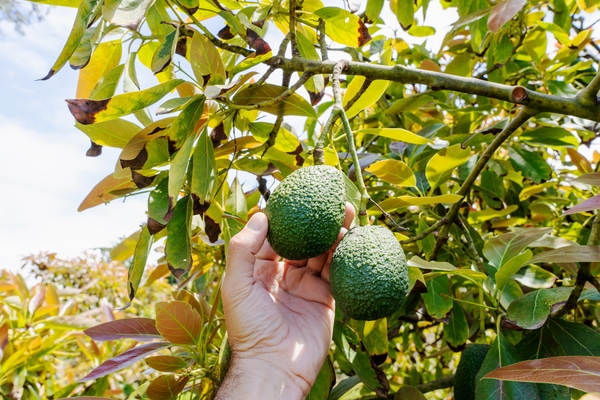
8. Avocado Trees (Persea americana)
You know how interesting it is to grow an avocado tree if you’ve ever put an avocado stone over a glass of water and watched roots slowly grow.
What starts out as a kitchen experiment can become a beautiful plant for the indoors or patio, and with time, it might even become a fruit tree.
Avocado trees (Persea americana) add a tropical, lush look to the garden and are a great project for gardeners who like to try new things.
It takes some creativity to grow avocados in the UK, but with the right expectations and care, you can definitely do it.
Overview
Avocado trees are plants that stay green all year and are native to warm areas in Central and South America. When grown in pots, they stay much easier to handle than when they are in their natural habitat, where they grow into huge trees.
Avocados are pretty plants even when they don’t have fruit. Their shiny, dark green leaves give them a bold, exotic look that works great inside, in conservatories, or on patios that are protected from the sun in the summer.
A lot of gardeners start with an avocado stone from the grocery store, which grows surprisingly easily. But it’s important to know that trees grown from seeds don’t usually bear fruit and can take a long time to grow up.
When you buy grafted avocado plants from a nursery, you have a much better chance of getting fruit in the future.
Important Things to Think About
Light and Warmth
Avocado trees do best in warm, bright places. A sunny windowsill, conservatory, or greenhouse is best. In the summer, plants can spend time outside in a sunny, sheltered spot, but they need to be brought inside before the weather gets cold.
Avocados don’t do well in colder climates where they can grow outside all year round.
Growing in Containers
The best way to grow avocados in the UK is in pots. This lets gardeners change the soil and move plants around with the seasons.
Pick a big pot that drains well and use a compost mix that doesn’t hold water. Avocados don’t like to sit in wet soil, which can quickly cause problems with their roots.
Balance of Water
One of the hardest things about taking care of avocados is watering them right. They like soil that is evenly moist, but too much water can hurt them. Let the top layer of compost dry out a little bit between waterings.
Planting and Taking Care of
If you start with a stone, hold it over water with toothpicks until roots and shoots grow. Then, when the plant starts to grow, move it to compost. A young nursery plant is often the better choice for getting results faster.
Put your avocado tree in the brightest spot you can find. Plants naturally grow toward light sources, so turn the pot every now and then to help them grow evenly.
To help the plants grow steadily, give them a balanced liquid fertilizer once a month in the spring and summer. It’s normal for growth to slow down in the winter.
Avocados like humidity, so it’s good for indoor plants to be misted or put near other plants every now and then to make the air a little more humid.
Cutting and caring for
Avocado trees that are still young can grow tall and thin. Pinching off the growing tip makes the plant branch out, which helps it grow into a fuller, bushier plant.
Light pruning keeps the plant small and good for growing indoors. Cut off any dead or damaged growth as needed.
If fruiting happens, which is usually only on mature, grafted plants, you need to be patient. It takes avocados a long time to grow and ripen.
Tips
- Plant in pots to give yourself more options and keep your plants safe.
- Give the most light and warmth all year long.
- Don’t water too much; good drainage is important.
- To help plants grow bushy, pinch the tips of their leaves.
- In the summer, move plants outside; in the fall, move them inside.
- If you want to grow fruit, choose grafted plants.
It’s just as important to enjoy the journey of growing an avocado tree as it is to enjoy the harvest. Seeing a seed grow into a beautiful plant is very satisfying for gardeners.
The tree’s tropical look also adds character to both indoor and outdoor spaces.
With time, care, and love, Persea americana can become a one-of-a-kind and rewarding addition to your home garden. It’s like having a little piece of the tropics growing right next to your regular plants.
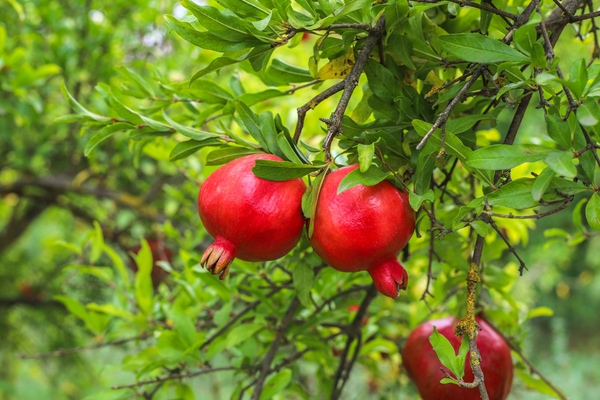
9. Pomegranate Trees (Punica granatum)
A pomegranate tree might be the plant you didn’t know you needed if you want to add something unexpected to your garden.
Punica granatum is both beautiful and useful.
Its flowers are bright orange-red, its leaves are shiny, and its fruits are like jewels.
People often think of pomegranates as plants that grow in hot Mediterranean climates, but they can actually do very well in UK gardens if they get some warmth, sunlight, and a little extra care.
Pomegranates are both interesting and rewarding for gardeners who like to try out new kinds of fruit trees.
Overview
Pomegranate trees are small trees or shrubs that lose their leaves in the fall. They are known for their beautiful branching structure and bright summer flowers.
The plant is still worth having as an ornamental feature, even if it doesn’t produce much fruit in cooler climates.
Flowers turn into round fruits with ruby-red seeds called arils when the weather is warm. These fruits are sweet, sour, and full of flavor.
In the UK, trees grow best when they are in protected microclimates, conservatories, or greenhouses.
One of the best things about pomegranates is that they are easy to handle. They grow well in pots, so they are great for patios, courtyards, or sunny terraces where you can control the conditions better.
Important Things to Think About
Sunshine and Warmth
Pomegranates love the sun. The more light and warmth you give, the more likely it is that the flowers will bloom and the fruit will grow. A wall facing south is best because it reflects heat and keeps the plant safe from cold winds.
Container growing lets you move plants indoors or into a greenhouse during the colder months in places that are cooler.
Soil and Drainage
It is very important to have good drainage. Pomegranates do better in soils that aren’t too wet than in soils that are too dry.
A compost or sandy loam that drains well is a good choice. Make sure there are lots of drainage holes in pots and don’t let them sit in water.
Expectations for the Weather
Pomegranates are pretty tough once they get going, but they don’t like frost that lasts a long time. Winter protection is especially good for young plants.
They might be able to live outside all year in milder areas, but many gardeners prefer to grow them in pots because they are more flexible.
Planting and Taking Care of
In the spring or early summer, plant pomegranates that have been grown in pots so they have time to settle in before winter. Pick a sunny, protected spot and give the plants a lot of water after you plant them.
Once they are established, pomegranates can handle dry conditions fairly well. However, watering them regularly during the growing season helps them bloom and make fruit. Plants in pots need more water than plants in the ground.
In the spring, use a balanced fertilizer, and then during the flowering and fruiting stages, use a high-potash fertilizer.
Once they settle in, many gardeners are pleasantly surprised by how little work pomegranates need.
Cutting and caring for
Pomegranate trees grow in a bushy, multi-stemmed shape on their own. When you prune, you mostly want to keep the structure and airflow the same, not change the shape.
In late winter or early spring, cut off any branches that are dead or crossing each other. Light pruning after fruiting helps keep plants the right size, especially those grown in containers.
If you want the plant to look more like a tree, you can cut off the suckers that sometimes grow at the base.
Tips
- Grow in the warmest, sunniest place you can find.
- Use containers to make winter protection easier.
- Always make sure that the drainage is good.
- Keep young plants safe from hard frost.
- During the growing season, feed them often.
- Be patient; plants will get better at fruiting as they grow.
Growing Punica granatum adds an exotic touch to the garden without needing too much work. Even when there aren’t many fruits, the bright flowers and graceful shape make it a great plant to have.
Pomegranate trees are beautiful, have a long history, and let you pick your own jewel-like fruits, making them a great choice for gardeners who like to try new things.
With some warmth, sunlight, and patience, this old fruit tree can do surprisingly well. It will add color and conversation to your garden for years to come.
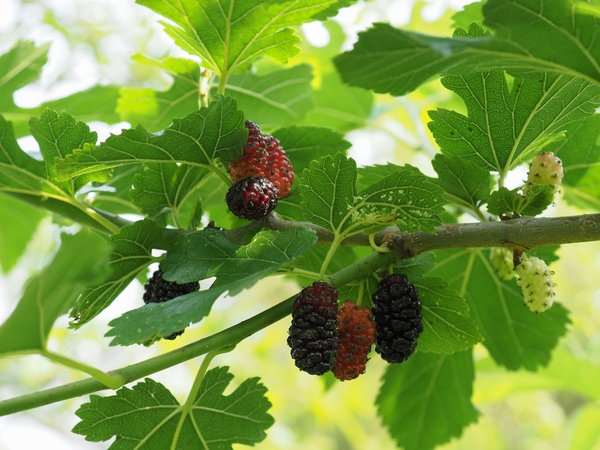
10. Mulberry Trees (Morus)
One of the best-kept secrets in gardening is the mulberry tree. Apples and plums often get all the attention, but mulberries quietly give you lots of fruit, beautiful shade, and a charming old-fashioned look.
If you’ve never had a freshly picked mulberry, you’re in for a treat. These sweet, juicy fruits look like long blackberries and don’t travel well, so you won’t find them in stores very often.
That alone makes it very rewarding to grow your own Morus mulberry tree.
Overview
Mulberry trees are deciduous trees that have wide leaves, graceful branches that spread out, and a lot of fruit in the summer. They used to only be planted in big gardens and historic landscapes, but new ways of growing them mean they can now fit in many different sizes of gardens.
The three most common types that are grown are:
- Black mulberry (Morus nigra) is valued for its great taste.
- White mulberry (Morus alba) is often grown for its beauty.
- Red mulberry (Morus rubra) is less common but just as pretty.
Black mulberries are the most popular fruit to grow at home because they taste so good.
Mulberries grow in a relaxed, natural way, and over time they become a beautiful tree that gives off shade in the summer. They also help wildlife by attracting birds and pollinators and making a beautiful garden ecosystem.
Important Things to Think About
Give them space
Mulberry trees grow slowly but steadily, and over time their canopies get bigger. Even small plants like to have room to spread, so pick your planting spot carefully.
Once they are established, mulberries don’t like to be moved, so it’s important to put them in the right place at first.
Sunlight and Shade
Mulberries do best in full sun. A warm, protected spot helps fruit ripen all the way and makes plants grow stronger. Areas that face south or lawns that are sheltered work great.
The good news is that once they are mature, mulberries can handle UK winters very well.
Soil Preferences
One of the best things about mulberry trees is that they can grow in many different places. As long as the drainage is good, they grow well in most types of soil. Adding compost when planting helps the trees get established early, but they don’t need a lot of care.
Planting and Taking Care
In the winter, from late fall to early spring, is the best time to plant mulberry trees. Make a big hole, add organic matter to the soil, and plant the tree at the same depth it was in its nursery container.
After planting, water the plants well and keep the soil moist during the first growing season so the roots can grow. After that, mulberries can handle drought very well.
Mulberry trees are great for gardeners who want easy fruit trees because they don’t need a lot of care and don’t get sick or infested with pests very often.
Ripe mulberries can stain patios and paving, so think about planting them away from places where people sit or walk.
Cutting and Taking Care of
You don’t need to prune mulberries very much. They actually like a light touch better. Cut off any dead or broken branches and let the tree grow into its natural shape.
If you have to prune, do it in late summer when the sap flow is lower. Pruning in the winter can make cuts bleed too much.
Heavy pruning may lower yields because mulberries grow on older wood. This is another reason to keep things simple.
Tips
- Pick a permanent spot to plant the mulberries because they don’t like to move.
- For the best fruit flavor, plant in full sun.
- Give the canopy room to grow on its own.
- Water regularly while the plant is getting used to its new home, then cut back on watering.
- Cut back on pruning and do it only once in a while.
- Pick the fruit often because it falls off the tree easily when it’s ripe.
One common way to pick berries is to put a sheet under the tree and gently shake the branches to get the ripe ones.
Mulberry trees give the garden a sense of history and plenty. They live a long time, get more productive as they get older, and are very easy to care for once they settle in.
Growing Morus isn’t just about the fruit; it’s also about making a tree that will last for generations and provide shade, wildlife habitat, and bowls of sweet berries.
You might be planting a future family favorite if you plant one today.
Checklist for Growing Fruit Trees for Beginners
It’s exciting to plant your first fruit tree, and it’s much easier if you know the basics. Before you plant, use this list to get ready for success.
Before You Buy
- Pick fruit that you really like to eat.
- Check how much space you have (height and spread are important).
- Choose the right rootstock for the size of your garden.
- Check to see if the tree can pollinate itself or needs a partner to do so.
- Choose types that do well in your area.
Picking the Right Place
- Full sun for at least six hours a day.
- Protected from strong winds.
- Soil that drains well—stay away from areas that are too wet.
- Away from frost pockets, which are places where cold air settles.
Planting Basics
- In late fall to early spring, plant trees with bare roots.
- Instead of a deep hole, make a wide one.
- The graft union should be above the ground.
- Put stakes in the ground to hold up young trees.
- After planting, give the plants a lot of water.
- Put down mulch, but don’t touch the trunk.
Care for the First Year
- Water often when it’s dry.
- Get rid of weeds that are growing around the base.
- Don’t prune too much at first.
- Keep an eye out for pests or damaged growth.
- Be patient; the roots need to be strong before the fruit.
Calendar for Taking Care of Seasonal Fruit Trees
Fruit trees have a yearly cycle. Knowing what to do and when to do it makes care easy and fun.
Spring (March to May)
- The time of year when things grow and bloom
- Give trees fertilizer that is balanced.
- Put down new mulch.
- Look for frost damage on the blossom.
- Don’t spray chemicals to keep pollinators away.
- If the weather gets dry, start watering.
- If you need to, hand-pollinate peaches or apricots.
Best Advice: A healthy flower now means fruit later!
Summer (June to August)
- Growing and taking care of fruit
- Give young trees a lot of water, especially.
- For better size and taste, thin out fruit that is too close together.
- Plums, cherries, and trained trees should be pruned in the summer.
- Keep an eye out for bugs and diseases.
- If you need to, support branches that are heavily loaded.
- Use nets to keep birds away from ripening fruit.
Tip: Less fruit is often better fruit.
Fall (September to November)
- Time to harvest and get ready
- Pick fruit when it’s ripe.
- Keep apples and pears in a cool place.
- Pick up leaves and fruit that have fallen to lower the risk of disease.
- While the soil is still warm, plant new trees.
- Put compost or mulch around trees that are already there.
- Best time to plant many fruit trees is in the fall.
- Rest and order
- Cut back apples and pears when they’re not growing.
- After storms, check the stakes and ties.
- Keep frost from hurting young or fragile trees.
- Make plans for new planting projects.
- Sharpen and clean your pruning tools.
Tip: Pruning in the winter shapes the harvest for next year.
Good Garden Ideas Wisdom: Fruit trees do better when you keep doing the same things over and over again.
With just a little care each season, a young tree can become one of the most useful and loved parts of your garden.
Common Questions
1. Which fruit trees are easiest for beginners?
Apples, plums, pears, and cherries are usually the easiest to grow. They’re hardy, reliable, and suited to most UK gardens.
2. Do I need a large garden to grow fruit trees?
Not at all. Dwarf varieties, patio trees, and trained forms like espaliers or cordons allow fruit trees to thrive even in small gardens or containers.
3. How much sun do fruit trees need?
Most fruit trees need at least 6 hours of direct sunlight daily for healthy growth and good fruit production.
4. When is the best time to plant fruit trees?
Bare-root trees are best planted between late autumn and early spring while dormant. Container-grown trees can be planted almost year-round.
5. Do fruit trees need more than one tree for pollination?
Some do, some don’t. Many apples and pears need a pollination partner, while plums, peaches, and some cherries are self-fertile.
6. Can fruit trees grow in pots?
Yes! Many fruit trees grow very well in containers, especially dwarf varieties. Citrus, figs, apples, cherries, and peaches are excellent choices.
7. What type of soil is best for fruit trees?
Most fruit trees prefer fertile, well-drained soil. Heavy clay should be improved with compost, while sandy soils benefit from added organic matter.
8. How often should I water fruit trees?
Young trees need regular watering during their first year. Established trees usually need water only during dry spells or while fruit is developing.
9. When should fruit trees be pruned?
It depends on the tree:
- Apples & pears — winter pruning
- Plums & cherries — summer pruning
- Peaches & nectarines — late spring or summer
10. Why isn’t my fruit tree producing fruit?
Common reasons include poor pollination, lack of sunlight, incorrect pruning, frost damage to blossom, or a tree that’s still too young.
11. How long does it take fruit trees to produce fruit?
Most grafted fruit trees begin producing within 2–5 years, depending on the species and rootstock.
12. Should I feed fruit trees?
Yes. Feed in early spring with a balanced fertiliser, and use a high-potash feed during flowering and fruit development for better crops.
13. Do fruit trees attract wildlife?
Absolutely — and that’s a good thing! Bees pollinate blossom, while birds may enjoy some fruit. Netting can help protect harvests if needed.
14. Can fruit trees survive winter outdoors?
Most traditional fruit trees are hardy in UK winters. Tender trees like citrus or avocado need protection or indoor overwintering.
15. What’s the biggest mistake beginners make?
Overcrowding or choosing the wrong tree size. Always check the rootstock and mature size before planting to ensure the tree suits your space.
Summary
Adding fruit trees to your home garden can make it a beautiful, shady place with lots of fruit.
Each tree has its own unique flavors and benefits, from the classic apple to the exotic fig.
If you know what your plants need and follow best practices, you’ll be well on your way to having a garden that lasts for years.
Have fun gardening!