A flash of red at the feeder can make an ordinary morning feel like a garden win.
Finding the best bird feeder for cardinals is less about buying the fanciest model and more about giving these large, strong-beaked birds a comfortable place to land, eat, and return to often.
Northern cardinals are regular backyard visitors across much of the United States, and they are wonderfully easy to recognize.
Their bright color, full crest, and clear whistle bring energy to a quiet yard in every season. But they are not built for tiny perches or narrow feeding ports.
Choose a feeder that suits the way cardinals naturally eat, add the seed they prefer, and your garden can become one of their dependable stops.
What Is the Best Bird Feeder for Cardinals?
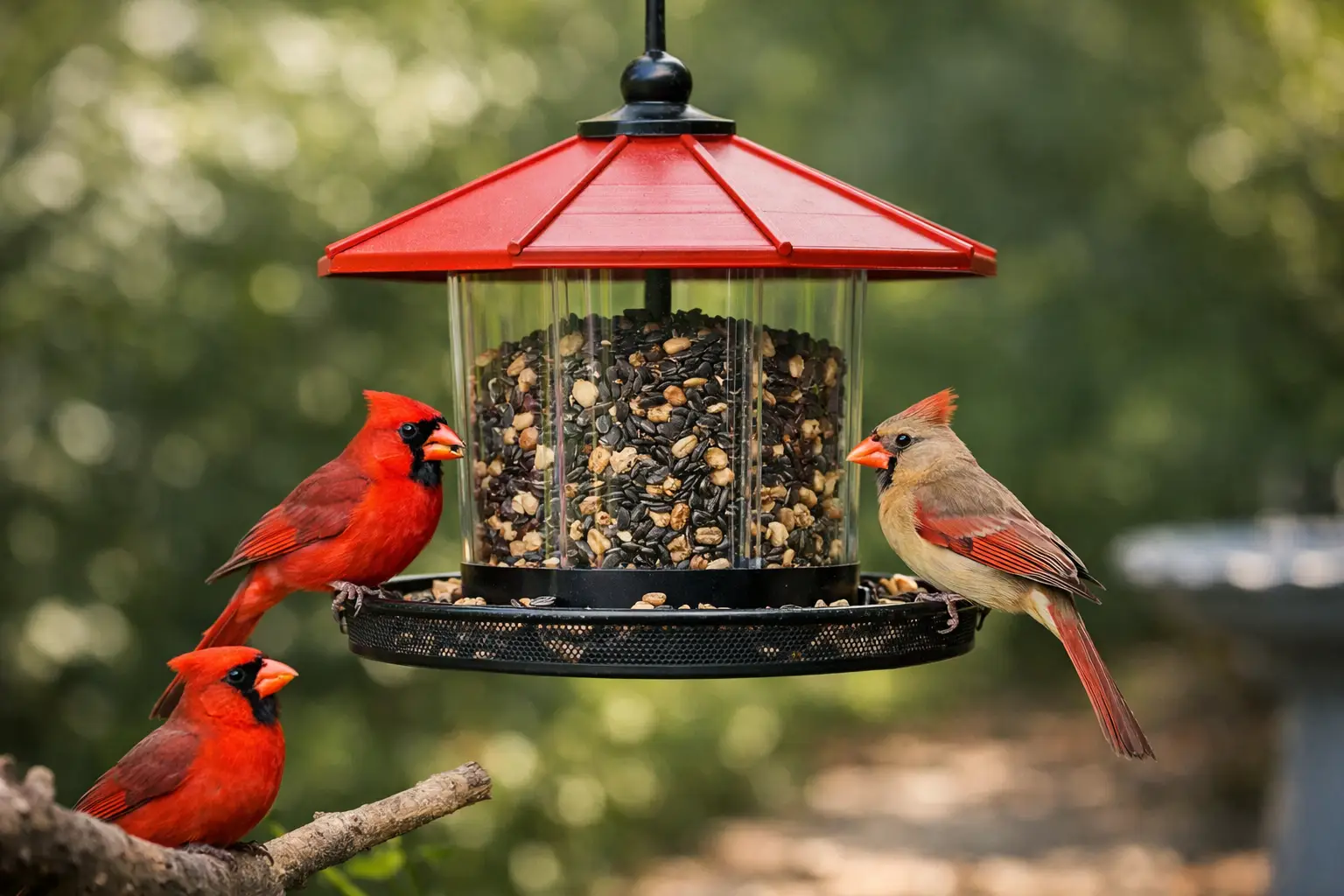
For most home gardens, the best choice is a sturdy platform feeder or a hopper feeder with a wide tray and generous landing space.
Cardinals prefer to face their food from a stable surface rather than cling to a small tube feeder perch.
A feeder with a broad, open tray lets them stand naturally, pick through seeds, and feed alongside a mate.
A hopper feeder is a particularly good all-around option if you want a tidy, traditional feeder that holds several days of seed.
Look for one with a roomy base tray that catches falling seed and gives cardinals enough room to perch.
A platform feeder is even more welcoming, especially for larger birds, but it exposes seed to rain and may need more frequent cleaning.
The right answer depends on your yard.
A covered hopper works well in areas with frequent rain or snow.
An open platform can be a joyful choice in a protected spot beneath an eave, arbor, or tree canopy.
If squirrels are a constant frustration, a weight-activated feeder or a platform feeder mounted on a squirrel baffle-equipped pole may be worth the extra cost.
Why tube feeders are usually a poor fit
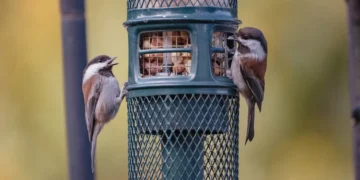
Tube feeders can attract cardinals occasionally, particularly models with larger trays at the bottom.
Still, their short perches and narrow feeding ports are designed more for finches, chickadees, and other small birds. Cardinals may struggle to balance, and they are likely to move on if there is an easier meal nearby.
If you already own a tube feeder, do not rush to replace it. Add a separate ground-level tray or a platform feeder nearby, then watch which station your cardinals choose. Their behavior will tell you plenty.
Features That Matter Most
A cardinal-friendly feeder does not need complicated gadgets. It does need to be stable, spacious, easy to clean, and able to keep seed reasonably dry.
Choose a tray or perch area at least a few inches wide. Cardinals are about 8 to 9 inches long, and a little elbow room matters.
A feeder made from recycled plastic, powder-coated metal, cedar, or another weather-resistant material will generally hold up better than thin, lightweight plastic.
Wood looks beautiful in a natural garden setting, though it needs periodic care and thorough drying after washing.
A roof is useful because damp seed can quickly grow mold, clump together, and become unsafe for birds.
Make sure the roof does not hang so low that it blocks a cardinal from entering the feeding area. The ideal design offers shelter without turning the feeder into a cramped little house.
Drainage is equally valuable. Platform trays should have mesh bottoms or drainage holes so rainwater can escape. Seeds sitting in a wet tray are an invitation to waste, mildew, and unwanted insects.
Finally, think about cleaning before you buy. Feeders with removable trays, wide openings, and simple corners are much easier to maintain.
A feeder is only helpful when it stays healthy for the birds using it.
Fill It With Seeds Cardinals Actually Want
Black oil sunflower seed is the star attraction for cardinals. Its thin shell is easy for their strong bills to crack, and its high fat content provides valuable energy, especially during cold weather and spring nesting season.
Safflower seed is another excellent choice. Many cardinals enjoy it, while some squirrels and blackbirds find it less appealing.
That does not make safflower squirrel-proof, but it can be a smart seed to try if larger visitors are cleaning out your feeder.
A quality cardinal mix may also include striped sunflower seeds, cracked corn, peanut pieces, and shelled sunflower kernels.
Avoid inexpensive mixes packed with red milo, wheat, or filler seed that birds often toss aside.
The seed that lands beneath the feeder can sprout, rot, or draw rodents, so buying a mix birds will actually eat usually saves money in the long run.
Keep seed fresh by filling the feeder with only what your birds can finish in several days. This is especially helpful in humid weather.
Store the remaining seed in a sealed container in a cool, dry place.
Put the Feeder Where Cardinals Feel Safe
Placement can make as much difference as feeder style. Cardinals like a quick retreat nearby, so place the feeder within about 10 to 15 feet of shrubs, small trees, or dense evergreen cover.
Native shrubs, hedges, and brushy borders give them a place to pause and scan for danger before approaching.
Do not tuck the feeder so deeply into vegetation that cats can hide beneath it.
The birds need cover nearby, not an ambush zone. Keep feeders at least 10 to 12 feet from dense ground cover where outdoor cats could wait, and position them where you can see the area from a window.
Mount the feeder about 5 feet off the ground on a pole, or hang it from a strong branch if squirrels are not a major problem.
A pole with a baffle is often easier to manage and keeps seed off the ground. Place it well away from fences, decks, tree trunks, and railings that can serve as squirrel launch pads.
Window safety deserves attention, too. Put a feeder within 3 feet of a window or more than 10 feet away.
Feeders in the middle distance can lead to dangerous window strikes because birds have room to build speed. Window decals or exterior screens can add another layer of protection.
Keep Squirrels From Taking Over
Squirrels are clever, persistent, and undeniably entertaining until they empty a feeder in an afternoon. Start with placement.
A smooth metal pole paired with a properly sized baffle is one of the most dependable deterrents. Keep it 8 to 10 feet from jumping-off points such as branches and rooflines.
Weight-activated feeders can also help, as they close feeding ports or lower a protective shroud under a squirrel’s weight.
These feeders cost more, and some models have a learning curve when you adjust the spring tension. They can be worthwhile in a busy backyard, but a simple hopper on a baffled pole may be all you need.
Try safflower seed if squirrels are especially persistent, but avoid treating it as a complete solution. Hungry squirrels may still eat it. The goal is to make the feeder less convenient, not to win an argument with wildlife.
Clean Feeding Habits Protect Your Backyard Birds
A beautiful feeder should also be a clean one. Remove old seed, hulls, and droppings from trays every few days.
Wash the feeder about every two weeks with hot, soapy water, rinse thoroughly, and let it dry completely before refilling.
During rainy spells, heavy feeder traffic, or reports of bird illness in your area, clean it more often.
Rake or sweep up spilled seed beneath the feeder.
This small routine helps discourage rodents and reduces the chance that damp seed will build up on the ground.
If you notice a sick-looking bird, temporarily take down the feeder, clean it well, and allow the area to rest before putting it back out.
A shallow birdbath nearby can make your feeding station even more appealing.
Cardinals drink and bathe year-round, and moving water can help birds notice the spot. Keep the bath clean and refresh it often, just as you would the feeder.
Make Your Garden Worth Returning To
A feeder brings cardinals close, but a bird-friendly garden gives them reasons to stay. Layered plantings of native shrubs, small trees, seed-bearing flowers, and evergreens offer food, shelter, and nesting cover. Leave some spent coneflower heads standing in fall, plant sunflowers for late-season seeds, and avoid broad pesticide use whenever possible.
Set out your feeder, keep it clean, and be patient.
Cardinals may find it quickly, or they may take a week or two to decide it belongs on their daily route.
When that first red visitor settles onto the tray with its crest raised, your garden will feel a little more alive – and a lot more welcoming.
See also:
Top 10 Garden Bird Feeders: Attracting Feathered Friends to Your Backyard >
The Ultimate Guide to Choosing the Right Bird Feeder for Your Garden >
Attracting Robins and Bringing Nature to Your Backyard >