A tired patch of lawn, a bare patio, or a row of struggling shrubs can make an outdoor space feel like another chore on the weekend list.
But the most satisfying garden transformations rarely begin with a huge budget or a complete yard makeover.
They begin by noticing what is already there: where the morning sun lands, where rainwater collects, which view needs softening, and where your family actually spends time.
The goal is not to copy a picture-perfect garden from a magazine. It is to create a space that works for your home, your climate, and your available time.
A productive raised bed, a pollinator border, a shady reading corner, or a few thriving containers can all be meaningful transformations when they make the outdoors more useful and enjoyable.
Start Garden Transformations With What You Have
Before buying plants, spend a few days observing the space. Note how many hours of direct sun each area receives, especially during the growing season.
Full-sun vegetables such as tomatoes, peppers, and squash generally need at least six to eight hours of sun.
Many flowering plants do best with similar conditions, while hostas, ferns, and heucheras can brighten areas that receive filtered light or morning sun only.
Look at the ground, too. Is the soil hard and compacted?
Does water disappear immediately, or does it sit in puddles after a storm? A beautiful planting plan will struggle if the soil is thin, poorly drained, or packed tight around roots.
This early assessment keeps you from spending money on plants that are set up to fail.
It also helps to identify the garden’s existing strengths.
A mature tree may create welcome summer shade.
An old fence can become a backdrop for climbing flowers.
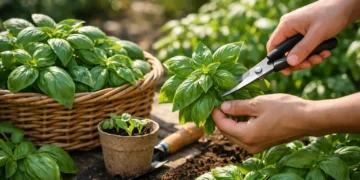
A small concrete patio may be the perfect foundation for container gardens, a bistro set, and a few fragrant herbs within arm’s reach.
Choose One Clear Purpose First
Trying to improve everything at once is how garden projects become exhausting. Pick the main job your new space should do, then let that purpose guide the design.
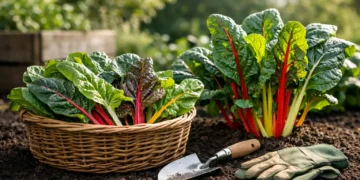
A family that wants fresh ingredients may prioritize raised beds and easy-to-reach herbs.
A homeowner hoping to spend more evenings outdoors may need shade, seating, and low-maintenance greenery before adding a large flower border.
A garden can serve more than one purpose, but it needs a clear priority.
For example, a sunny front yard can support both curb appeal and pollinators by combining flowering perennials with native grasses and a small flowering tree.
A compact backyard can offer vegetables, flowers, and a play area, but the layout should protect the sunniest section for food crops.
Think about how much maintenance you can realistically give.
A large cottage-style border packed with annuals can look spectacular, but it requires regular watering, deadheading, staking, and seasonal replanting.
Perennials, shrubs, mulch, and native plants usually offer a steadier look with fewer weekly tasks.
Neither approach is wrong. The better choice is the one you will still enjoy caring for in July.
Fix the Foundation Before Adding Color
Healthy soil is one of the least flashy parts of a makeover, yet it is often what separates a garden that thrives from one that constantly needs rescuing.
Start by removing invasive weeds, discarded landscaping fabric, and debris.
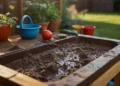
Then improve the planting area with compost, especially if the soil is sandy, heavy with clay, or low in organic matter.
For new beds, a two- to three-inch layer of compost worked into the top several inches of soil is often enough to make a noticeable difference.
Avoid the temptation to overwork wet clay soil, which can create hard clumps that are difficult for roots to penetrate.
If drainage is consistently poor, consider raised beds, berms, or plants that tolerate moist conditions rather than fighting the site year after year.
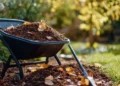
Mulch belongs in nearly every transformation plan. A two- to three-inch layer of shredded bark, pine needles, or other organic mulch helps hold moisture, moderate soil temperature, and reduce weeds.
Keep it a few inches away from stems and tree trunks so moisture does not sit against the plant tissue.
Build the Layout in Layers
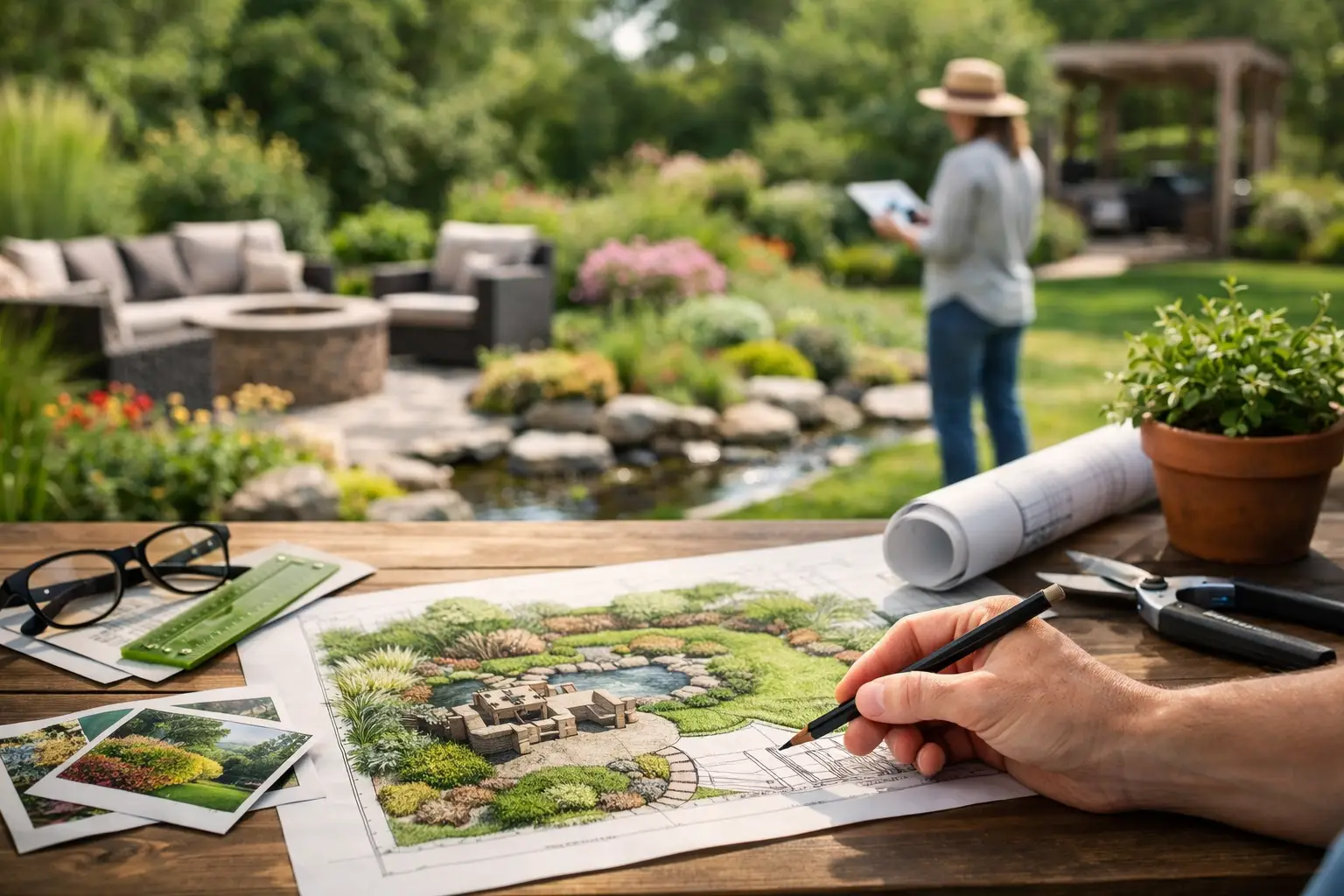
A garden looks more intentional when it has structure before it has lots of individual plants. Start with paths, bed edges, seating areas, trellises, or containers. These features create the bones of the space and make the garden easier to use.
In a small yard, a simple curved path can make a narrow area feel more inviting than a straight strip of grass.
In a larger landscape, define planting beds with a clean edge so the garden does not blur into the lawn.
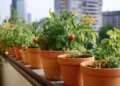
On patios and balconies, group containers in clusters of different heights instead of lining every pot against a wall.
Then plant in layers.
Place taller shrubs, ornamental grasses, or trellised vines toward the back of a border or in the center of an island bed.
Medium-height perennials fill the middle, while low-growing flowers, ground covers, and edging plants soften the front.
Repeating a few plants or colors creates a calmer, more polished look than using one of everything.
For an easy visual formula, choose a backbone plant, a seasonal bloomer, and a foliage plant.
A dwarf evergreen shrub, purple coneflower, and chartreuse heuchera can provide shape, flowers, and contrast in the same bed.
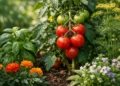
In a sunny vegetable garden, tomatoes on a trellis, basil at the base, and marigolds along the edge can bring function and color together.
Make Small Spaces Feel Generous
Limited square footage does not limit your options. In fact, compact gardens often benefit from focused design because every plant and object has a job.
Vertical growing is especially helpful for renters, patio gardeners, and anyone working with a small backyard.
Trellises, wall-mounted planters, railing boxes, and tall containers can support peas, pole beans, cucumbers, strawberries, and flowering vines without taking over the floor space.
Containers are also a smart way to test a look before committing to a permanent bed.
Use a quality potting mix rather than native garden soil, which becomes dense in pots.
Make sure containers have drainage holes, and remember that small pots dry out much faster than large ones during hot weather.
If privacy is the goal, do not assume you need a solid fence or a row of fast-growing shrubs.
A lattice panel with climbing plants, tall ornamental grasses, or a staggered group of large containers can screen a view while keeping the area lighter and more open.
The right option depends on your budget, local wind, sunlight, and whether the planting needs to stay portable.
Plan for Pollinators, People, and the Seasons
The best garden transformations feel alive beyond the first week of planting. Include flowers with different bloom times so there is something happening from spring through fall.
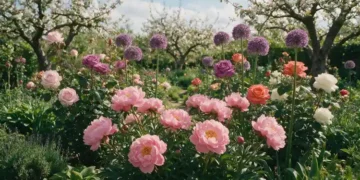
Early bulbs and flowering shrubs can lead into summer favorites such as bee balm, coneflower, zinnias, and black-eyed Susans. Asters and sedums extend color later in the season, when bees and butterflies still need nectar.
Native plants are worth considering because they are adapted to local conditions and often support regional wildlife.
They are not automatically maintenance-free, though.
New native plants still need watering while roots establish, and even drought-tolerant choices need attention during unusually dry stretches.
Leave room for people, too. A garden path should be wide enough to walk comfortably with a watering can or wheelbarrow. Place a chair where you will want to use it, not just where there happens to be an empty corner.
If children or pets use the yard, choose durable materials and avoid relying on delicate plantings along the busiest routes.
Transform in Phases Instead of One Weekend
A phased approach makes a big project manageable and gives you time to see what the garden needs.
Start with the most visible or most-used area, such as the front entry, patio, or vegetable bed. Improve soil and drainage first, then add the largest structural elements, followed by plants and finishing details.
This approach also lets you adjust without regret.
After a season, you may realize that a sunny bed needs more shade-tolerant plants because a nearby tree has filled out, or that the patio needs a larger container grouping rather than another small flower bed.
Gardens are living spaces, and changing your mind is part of the process.
Take photos as you go. A quick picture taken from the same spot each month will show progress that is easy to miss day to day. It will also reveal gaps, overcrowding, and areas that deserve attention next season.
A garden does not need to be finished to be beautiful.
Put in one healthy bed, one inviting seat, or one container filled with plants you love, then spend time there. The next good idea often appears once you are outside enjoying the change you have already made.
See also:
Garden Design Ideas to Transform Your Outdoor Space >
Creative Ideas for Your Balcony Garden >
Top 10 Tips for Crafting the Ultimate Pollinator Paradise >